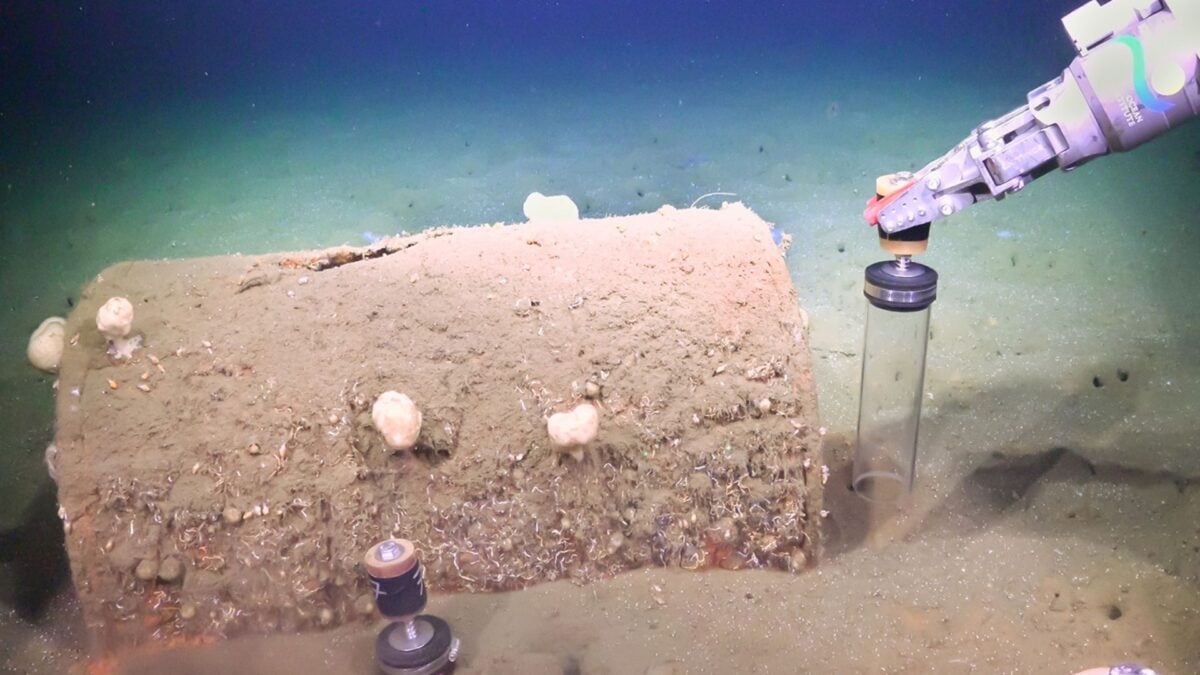
Decades-old hazardous waste barrels off Los Angeles coast, initially thought to contain DDT, are actually leaking alkaline waste that has transformed the seafloor into extreme environments, creating toxic halos and impacting local microbial communities, with effects still evident over 50 years later.
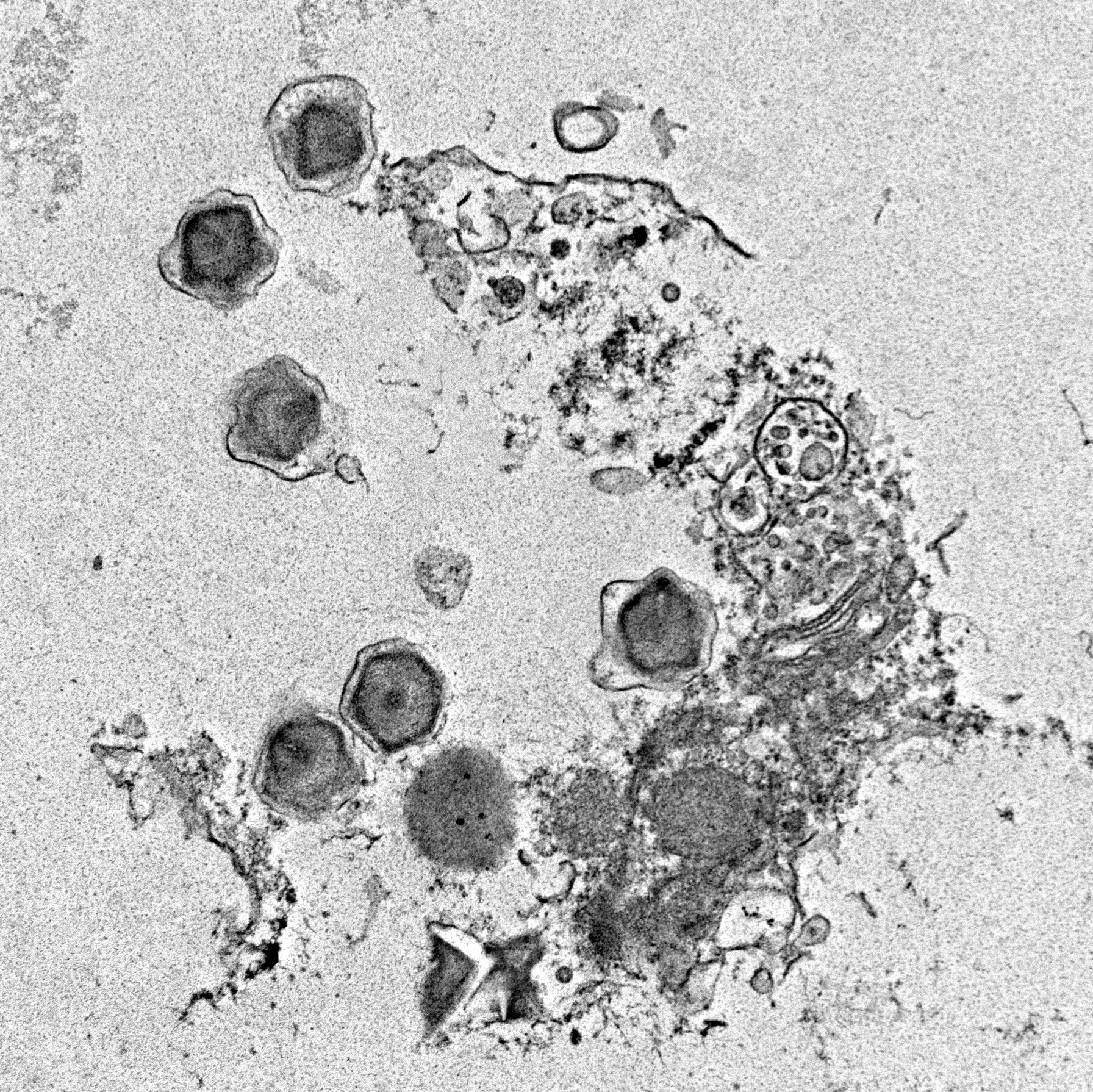
Scientists have discovered 230 new giant viruses in ocean waters that infect protists like algae, which are crucial to marine ecosystems and can influence public health through harmful algal blooms. Using advanced computational tools and global datasets, they characterized these viruses' genomes and functions, revealing their potential to manipulate host metabolism and impact biogeochemical cycles. This research enhances understanding of ocean viral diversity and could aid in monitoring and managing marine health threats.
A team of scientists led by marine microbiologist Mya Breitbart at the University of South Florida has discovered that a single-celled parasite is responsible for the death of many sea urchins in the Caribbean Sea. The loss of sea urchins, which eat algae that grow on the corals, has affected the undersea environment from the Virgin Islands to Puerto Rico to Florida. The scientists are now working to find a way to prevent future losses and stop the spread of the parasites.