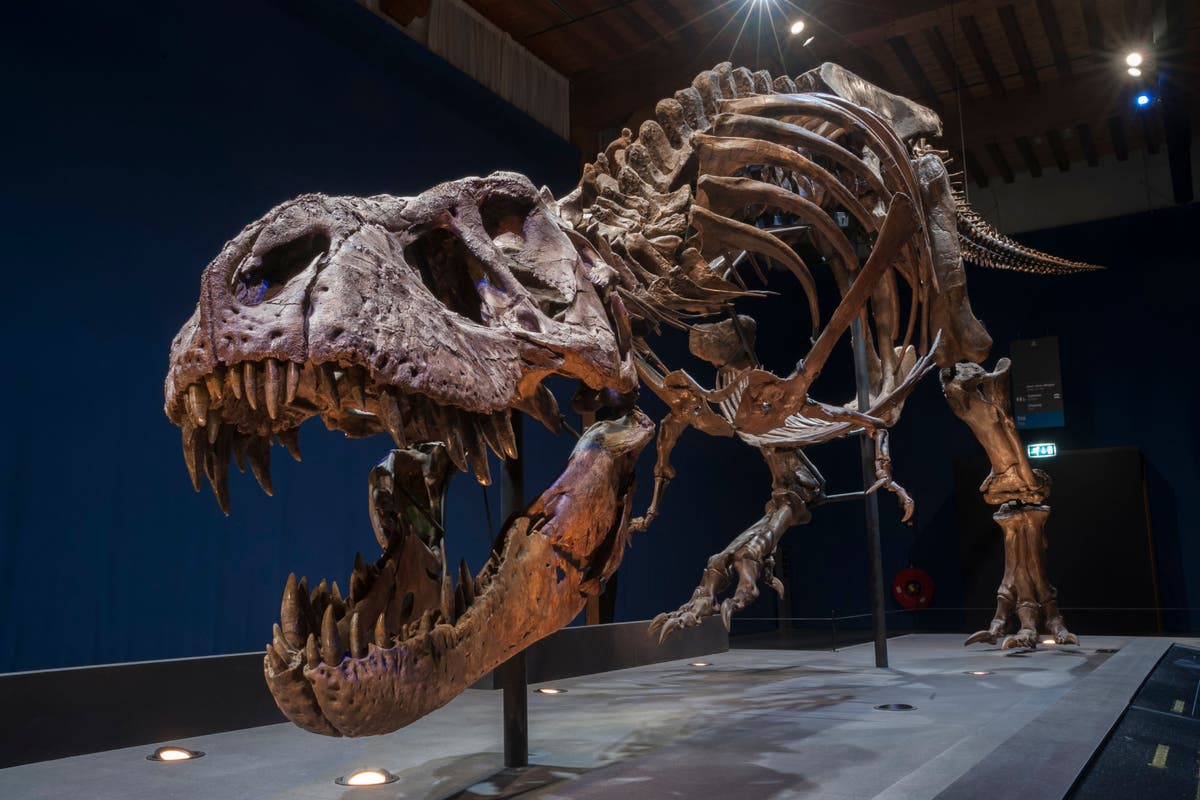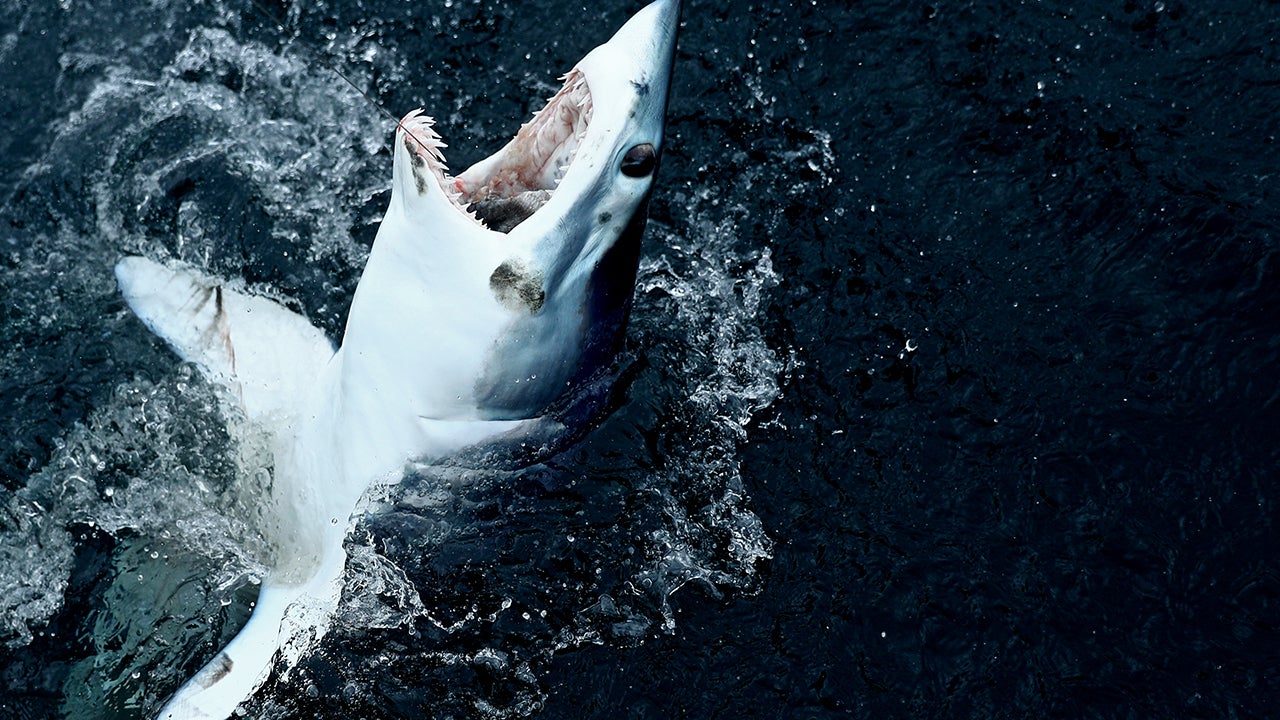
A new study comparing the bones of a great white shark to fossilized vertebrae of the ancient Megalodon suggests that the ancient apex predators may have been longer and more slender than previously believed. This finding could force a reevaluation of how the Megalodon lived and hunted, with implications for its impact on the marine food chain and its eventual extinction. The study's authors propose that the Megalodon's body form was likely slimmer and longer than previously thought, potentially indicating a more expansive digestive canal and less disruptive feeding habits.

Fossils of "terror worms" called Timorebestia, which roamed the oceans over 500 million years ago, have been discovered in Northern Greenland. These ancient predators, resembling modern arrow worms, were likely dominant ocean predators at the time, feeding on common arthropods. The well-preserved fossils are providing unprecedented insights into their muscle anatomy, nervous systems, and digestive systems, shedding light on their role in the ancient ecosystem and contributing to our understanding of jawed predator evolution.
The fossil of a 75-million-year-old juvenile gorgosaurus, a close relative of the Tyrannosaurus rex, has revealed the remains of two baby dinosaurs called citipes in its rib cage, providing new insights into the changing diet of ancient predators. The discovery suggests that as they grew, tyrannosaurs shifted from hunting large plant-eating dinosaurs to smaller, young dinosaurs. This finding provides solid evidence of the dietary changes that occurred during the growth of tyrannosaurs.