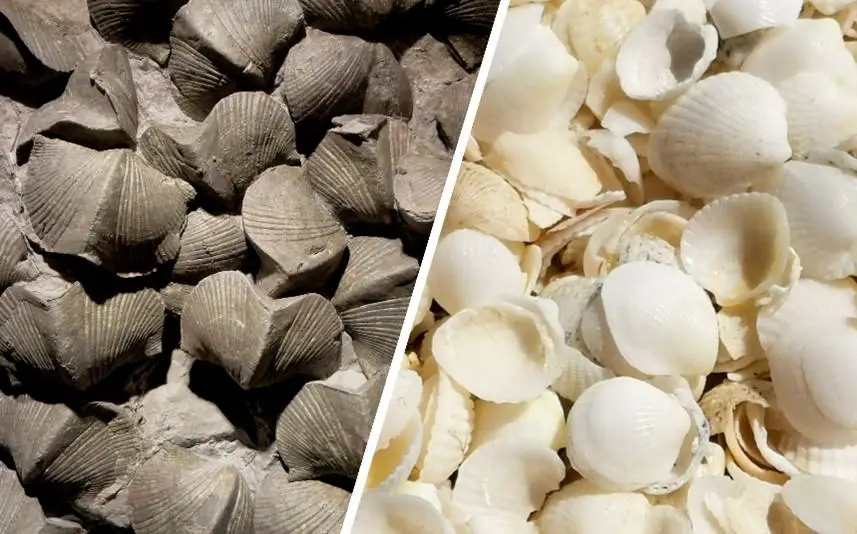
Mass Extinction: The Catalyst for Oysters and Clams
Researchers have used Bayesian analysis to study the decline of brachiopods and the rise of bivalves after the end-Permian mass extinction, shedding light on the transition from ancient-style to modern-style ocean ecosystems. The study found that bivalves, such as oysters and clams, were better adapted to changing conditions and eventually replaced brachiopods as the dominant shelled animals. Both groups were hit hard by the mass extinction, but bivalves were able to adapt better to high ocean temperatures, giving them an edge in the post-extinction recovery. The findings provide insights into how life rebounded after near-annihilation and set the foundation for modern ecosystems.