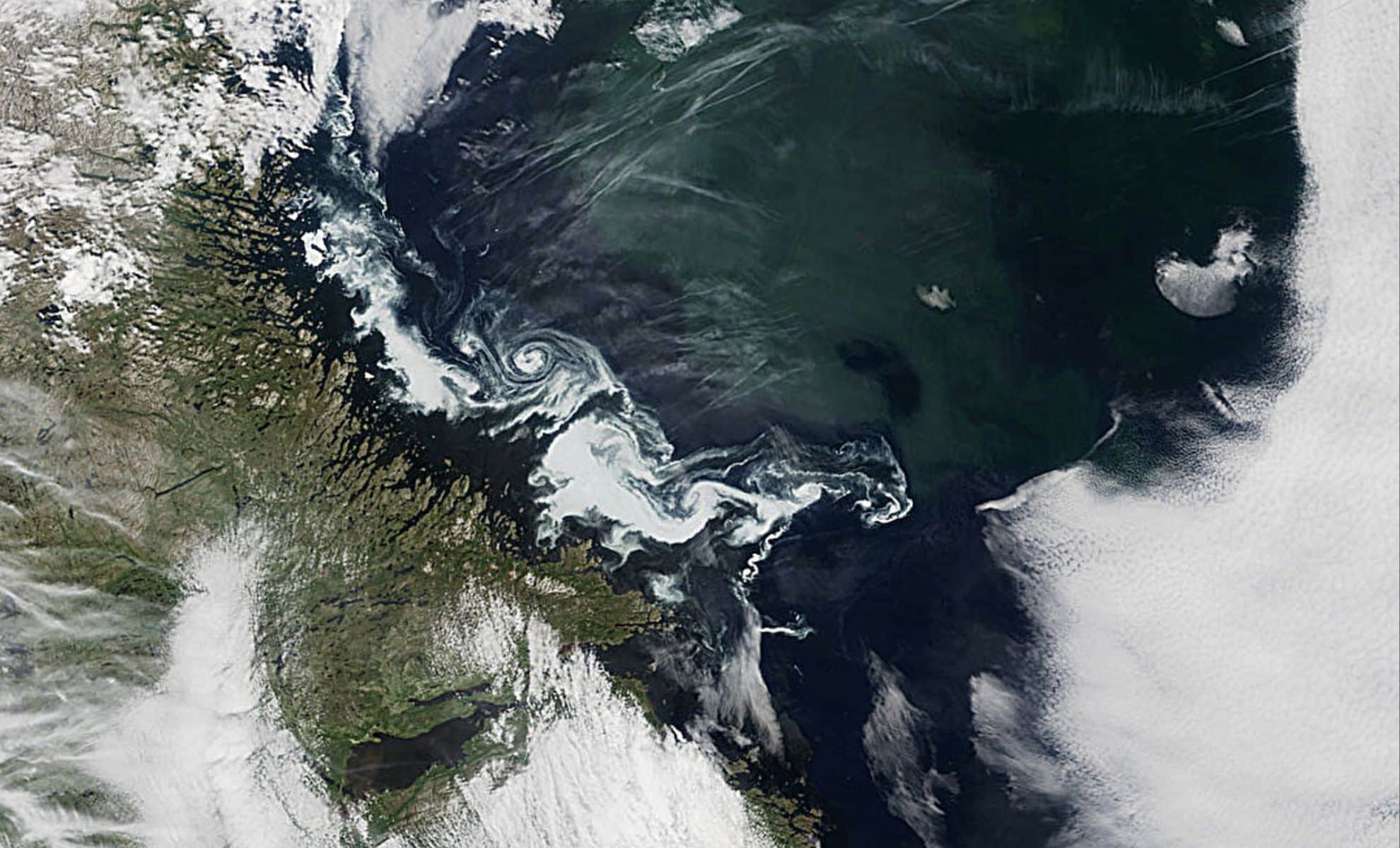
A recent study using clam shell growth rings confirms that climate change is disrupting the North Atlantic subpolar gyre, a key ocean current system, which could lead to significant regional and global climate impacts, including more extreme weather, sea level rise, and shifts in ocean heat transport, signaling potential irreversible tipping points in Earth's climate systems.
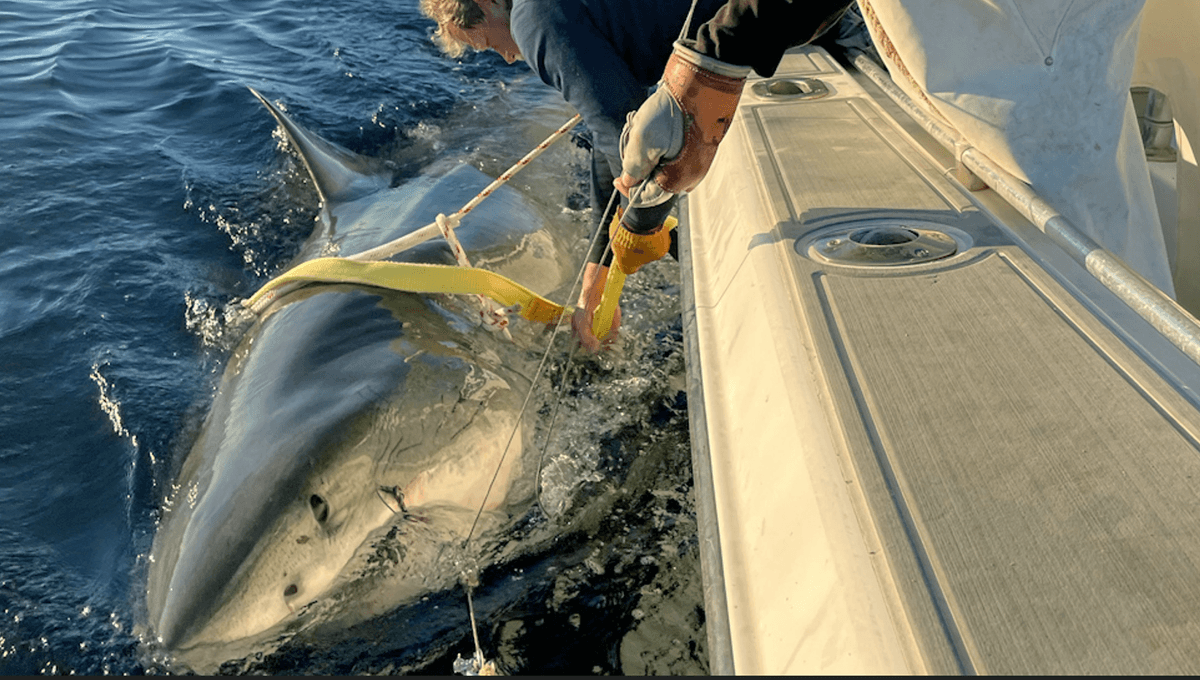
Contender, a 4.19-meter male great white shark, is the largest tagged male in the North Atlantic, signaling potential recovery of the region's shark population. He has been tracked along the US East Coast, contributing valuable data for conservation efforts.
A large blob of hot rock beneath the Appalachian Mountains, linked to ancient rifting between Greenland and Canada 80 million years ago, challenges previous theories about continental breakup and may explain the mountain range's uplift, with ongoing research aiming to confirm its origins and implications for Earth's geological processes.
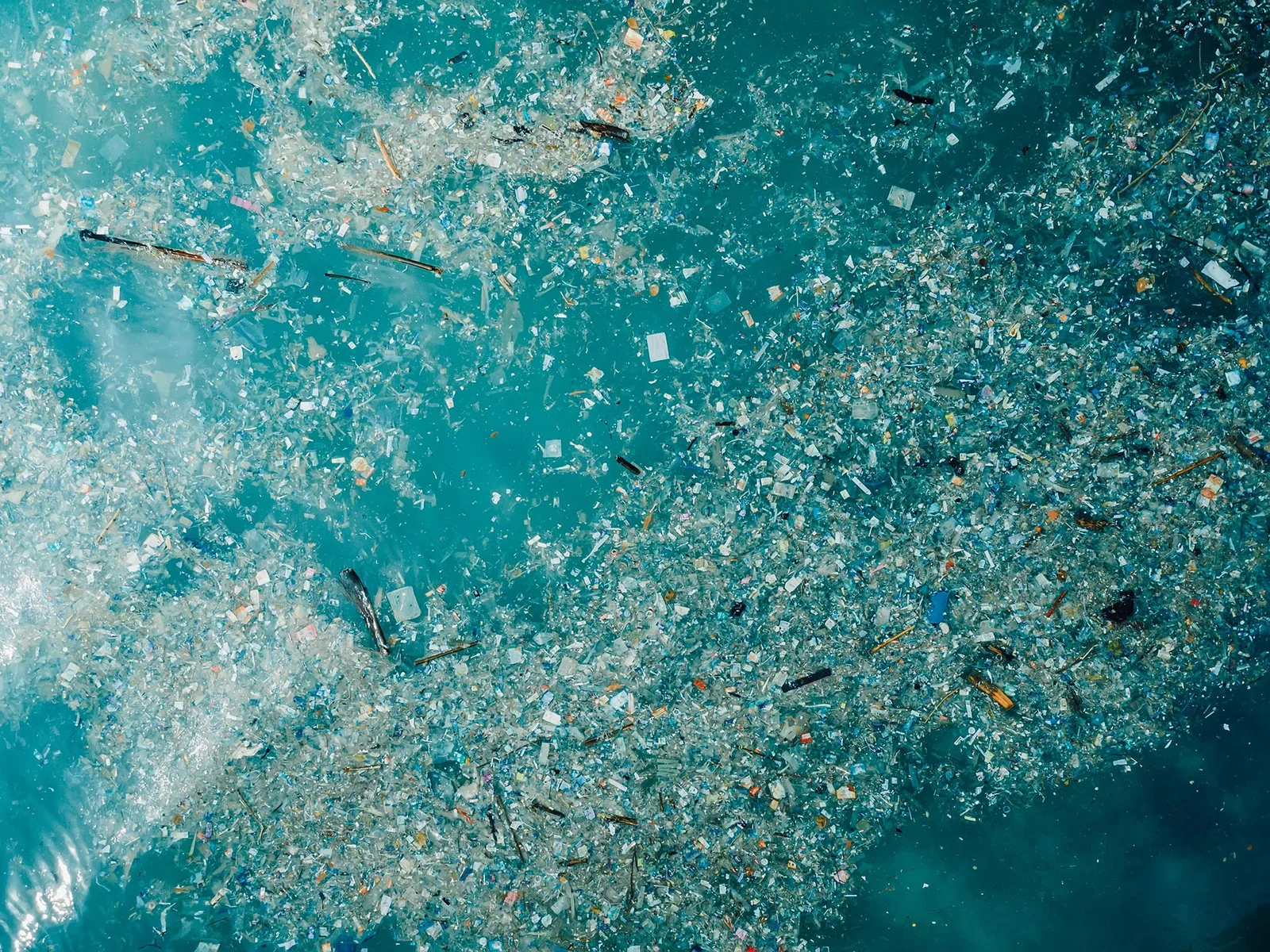
A study estimates that approximately 27 million tons of nanoplastics, tiny plastic particles smaller than 1 micrometer, are floating in the North Atlantic Ocean, highlighting a significant and previously unquantified component of plastic pollution with potential ecological and health impacts.
A recent study shows that changes in water density in the subpolar North Atlantic quickly influence the strength of the Atlantic Meridional Overturning Circulation (AMOC), a key component of Earth's climate system, with implications for climate prediction and monitoring strategies.
A new study confirms that the Atlantic Meridional Overturning Circulation (AMOC), one of the world's most important ocean currents, has slowed substantially since the mid-90s. This weakening could have significant impacts on regional climates, potentially leading to colder winters in Europe and faster heating in the tropics. The study, which used extensive databases to measure the strength of AMOC, found a 20 percent reduction in the warm water transported by the Gulf Stream. While the study does not confirm an impending collapse of AMOC, it raises concerns about the potential for significant climate change and impacts on deep-water ecosystems.
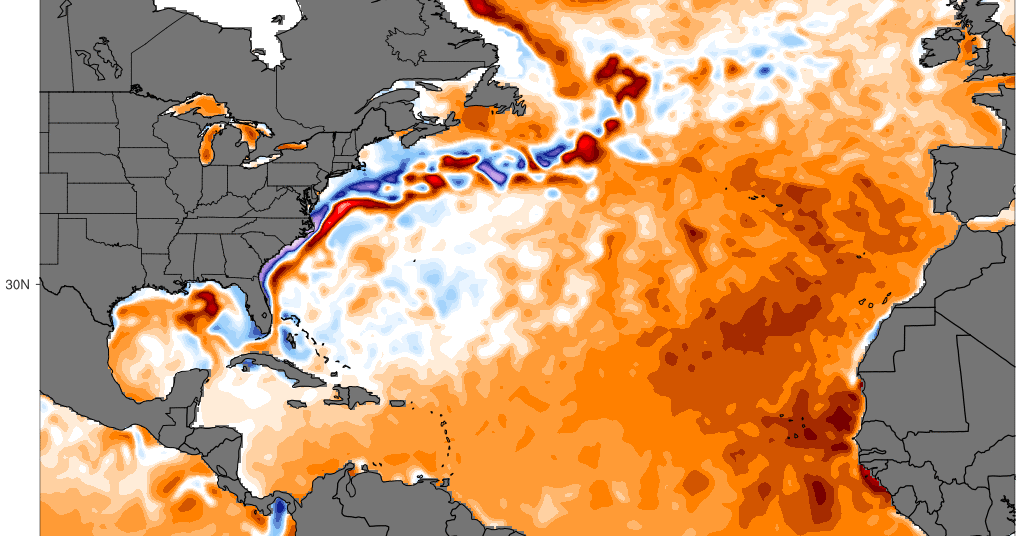
The North Atlantic ocean is currently experiencing record-breaking warmth, with sea surface temperatures running about 2 degrees Fahrenheit hotter than the average over the last three decades. This anomaly is a signal of the planet's overall warming and has significant implications for marine ecosystems, including altered plankton communities, smaller fish, and potential impacts on hurricane season. The warming is attributed to various factors, including human activities and natural phenomena. While preparations can be made, the long-term solution lies in reducing carbon emissions to mitigate the ongoing damage.
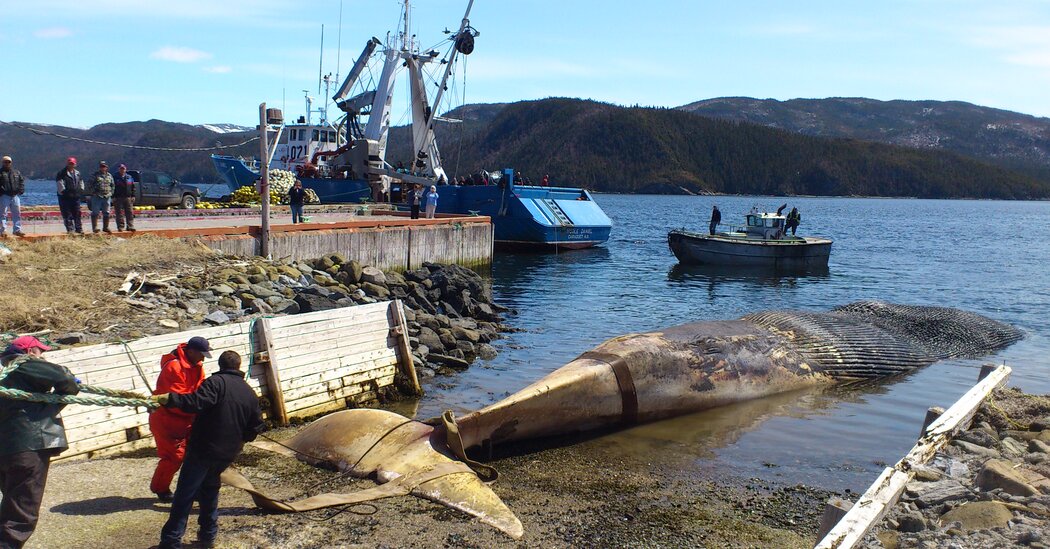
Genomic research on blue whale carcasses revealed surprising findings about the North Atlantic population, showing less inbreeding and more genetic variation than expected despite a history of industrial whaling. The study, published in Conservation Genetics, suggests that the long reproductive cycle of blue whales may have prevented a genetic bottleneck. With fewer than 3,500 adult blue whales remaining in the North Atlantic, the findings provide hope for the conservation of this endangered species.
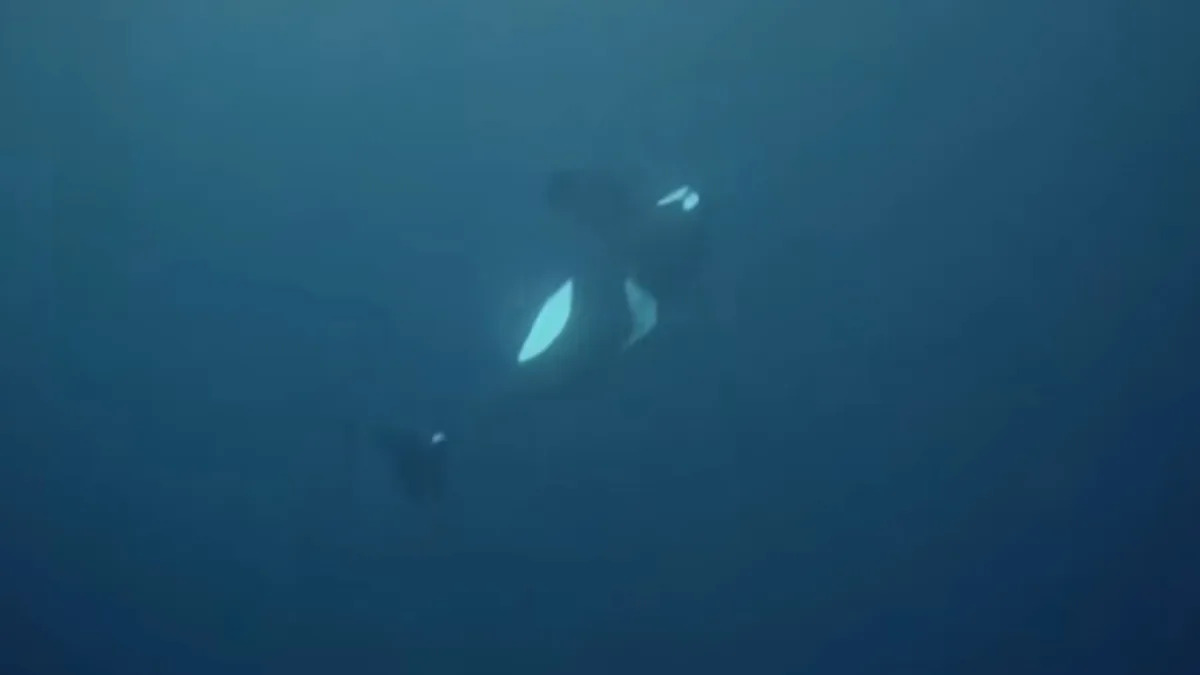
The final moments of an adult orca, known as Hunchy, have been captured in what is believed to be the first footage of its kind. Whale-watchers observed two younger orcas holding Hunchy at the surface to help him breathe, indicating that he was in trouble. The footage shows Hunchy floating motionless before sinking, while the younger orcas attempted to "activate" him. This could be the first time the death of an adult orca has been filmed in the North Atlantic, shedding light on how orcas behave when a member of their group is dying.
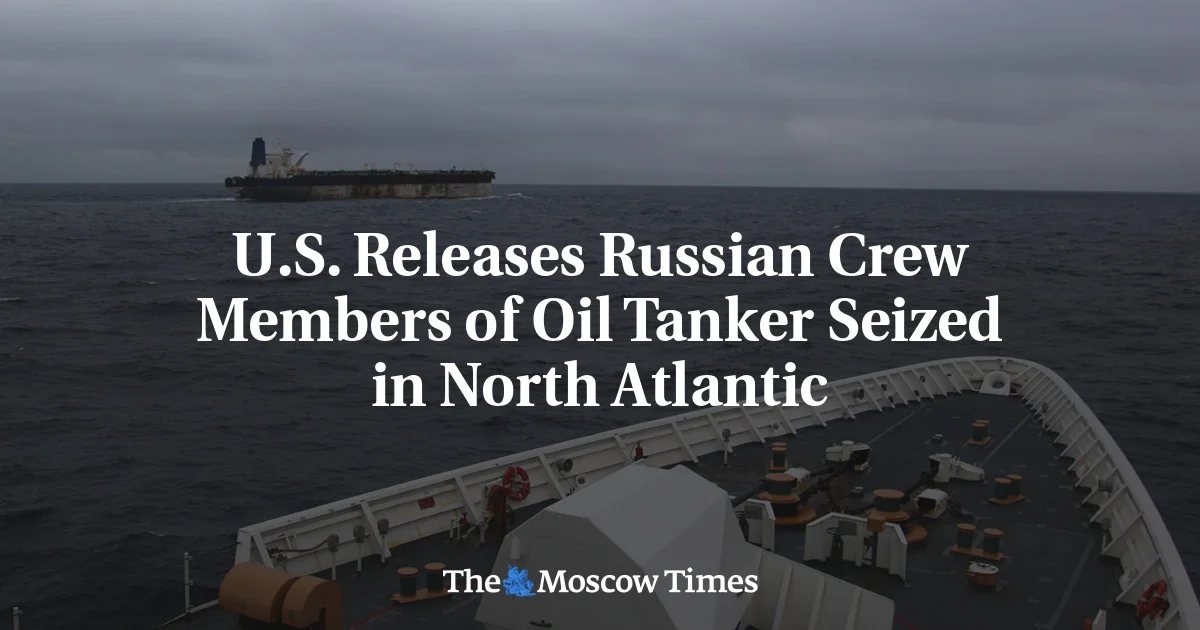
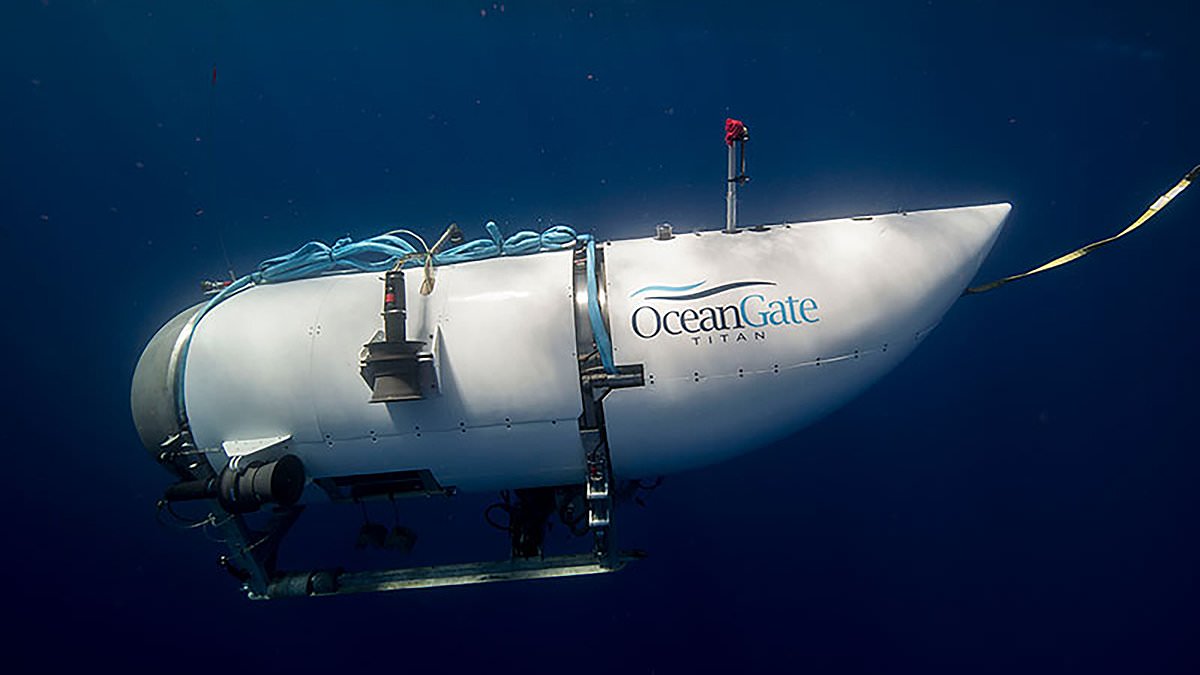
American authorities are reportedly considering filing criminal manslaughter charges in relation to the doomed Titan sub, which imploded in June during a dive to the wreck of the Titanic in the North Atlantic, resulting in the deaths of all five passengers on board. The investigation is said to be focusing on those aboard the support vessel, Polar Prince, as well as current and former OceanGate staff, and individuals in the underwater exploration community who repeatedly warned about the sub's safety.
Four brothers from Senegal embarked on a perilous journey from Senegal to the Canary Islands, a dangerous migrant route in the North Atlantic. After five weeks at sea, only one brother, Adama, survived. The pirogue they were on, carrying 101 people, drifted for weeks without being noticed. The brothers faced starvation, dehydration, and witnessed the deaths of 63 people. Poverty and lack of opportunities in Senegal drive many young people to risk their lives on these dangerous migration routes. Despite the tragedies, some fishermen in Senegal are still willing to take the risk.
The North Atlantic Ocean has reached its highest-ever recorded temperature of 24.9 degrees Celsius (76.8°F), surpassing the previous record set in September 2022, according to preliminary data from the US National Oceanic and Atmospheric Administration (NOAA). This record-breaking temperature comes earlier in the year than usual, with the North Atlantic typically reaching its peak temperature in early September. The Mediterranean Sea also recently reached its highest temperature on record. Scientists warn that these rising ocean temperatures are a result of global warming and climate change, with the North Atlantic expected to continue warming throughout August.
Copernicus, the European Union's Earth observation program, has reported that the North Atlantic experienced record warmth in June, contributing to the hottest June on record globally. This highlights the ongoing impact of climate change on ocean temperatures and emphasizes the need for urgent action to mitigate its effects.
The recovery of the Titan submersible, which imploded 12,500 feet underwater in the North Atlantic, was a dangerous and complex operation. After deploying their remotely operated vehicle, the Odysseus, experts quickly discovered debris from the lost sub, dashing hopes of rescuing the crew of five. The investigation into the incident, led by the Coast Guard, aims to determine why the Titan imploded and has retrieved likely human remains from the wreckage. The recovery process involved careful retrieval of the debris from the ocean floor, a challenging task in deep-sea conditions. The incident highlights the risks and difficulties associated with deep-sea exploration and the importance of improving submersible safety.
The cost of the search for the missing Titan submersible will be in the millions of dollars, with the US Coast Guard's bill alone hitting the millions. The search involved aircraft, surface ships, and deep-sea robots from multiple countries and private entities. The search area spanned thousands of miles in the North Atlantic, and the submersible was found to have suffered a catastrophic implosion, killing all five aboard. The Coast Guard is generally prohibited from collecting reimbursement for search and rescue services, and rescue agencies prioritize saving lives over cost.