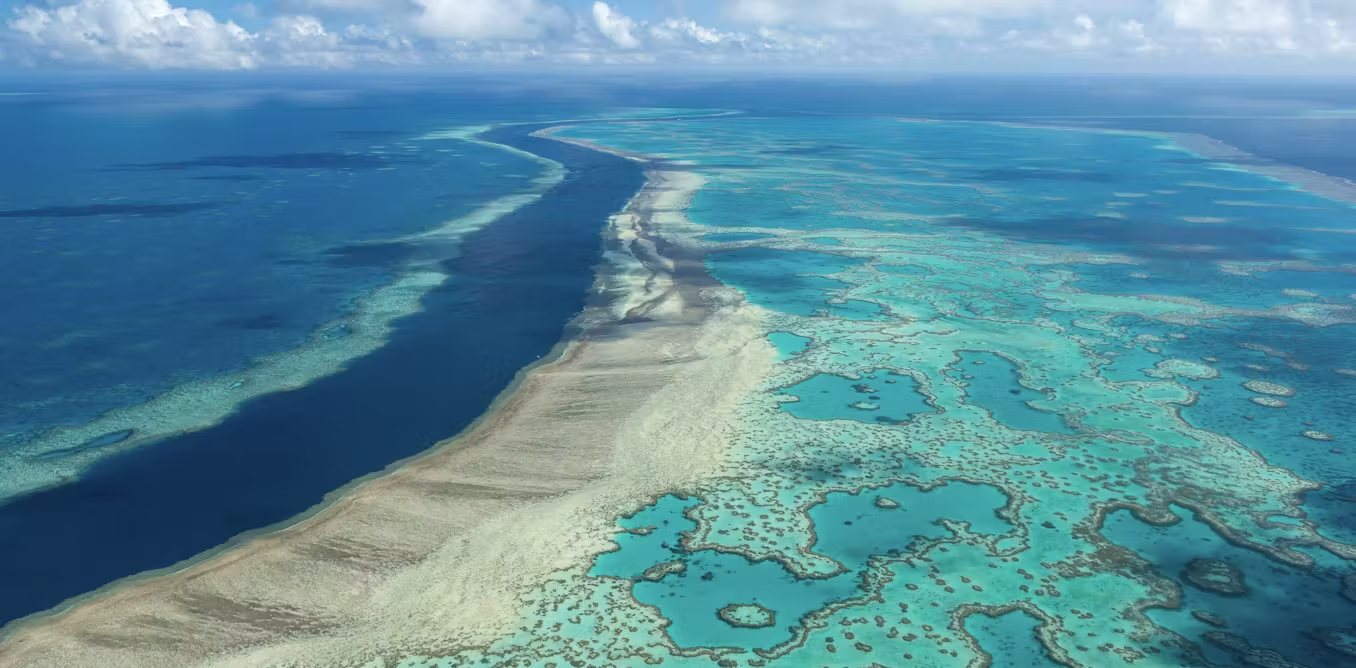
Coral reefs have played a crucial role in regulating Earth's climate for over 250 million years by influencing ocean alkalinity and carbon absorption, with their rise and fall affecting climate recovery times and marine evolution; current reef decline due to human activity may impact this natural climate regulation, but recovery would take thousands to hundreds of thousands of years.
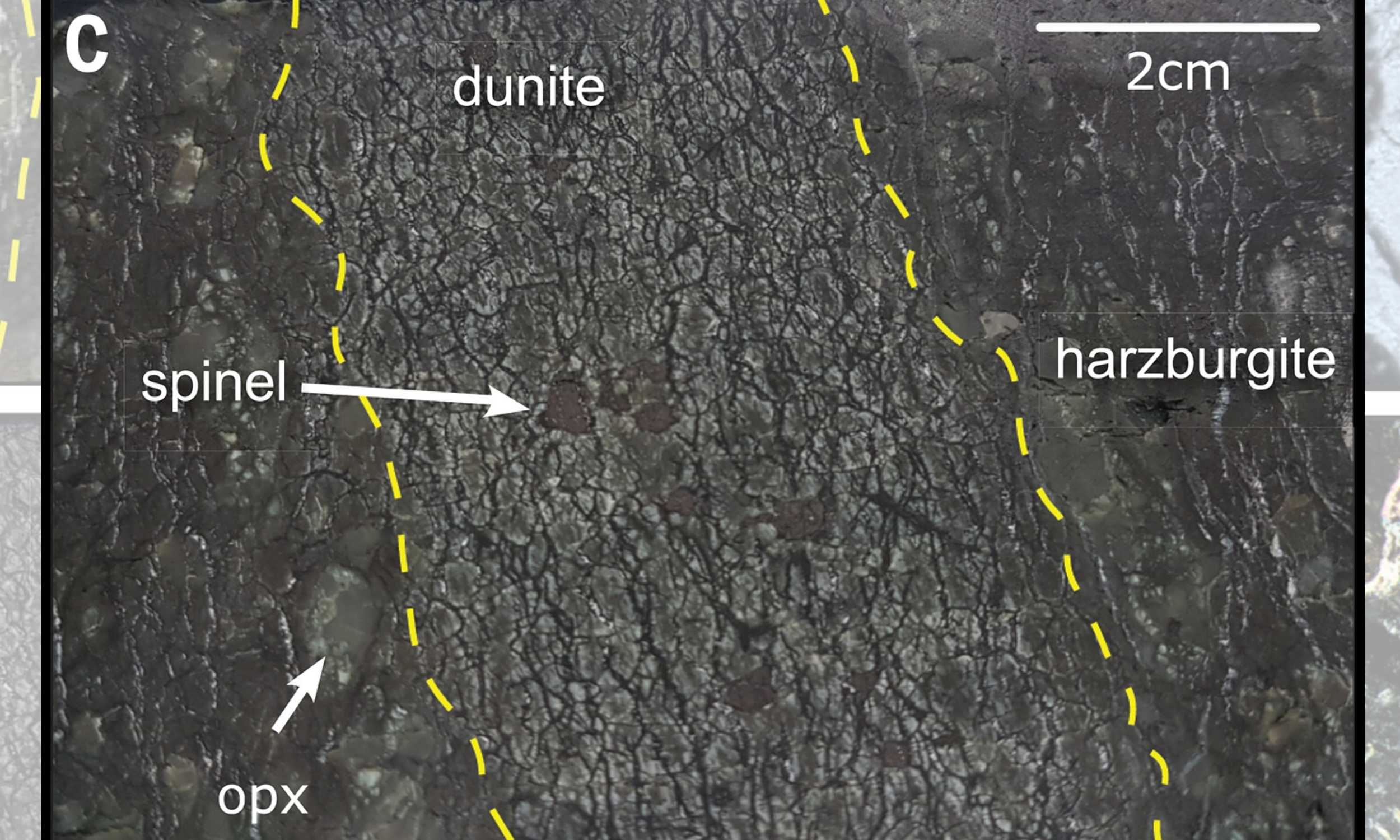
Scientists drilled into mantle rocks beneath the Atlantic at Atlantis Massif, discovering altered rocks that act as natural reactors by producing hydrogen through seawater reactions, providing insights into Earth's interior, deep-ocean chemistry, and potential origins of life, as well as guiding future hydrogen exploration.
A new study reveals that Earth's biodiversity is influenced by a 60-million-year tectonic cycle, which affects geological activity, ocean chemistry, and climate, leading to periodic mass extinctions and shaping the evolution of life on Earth.
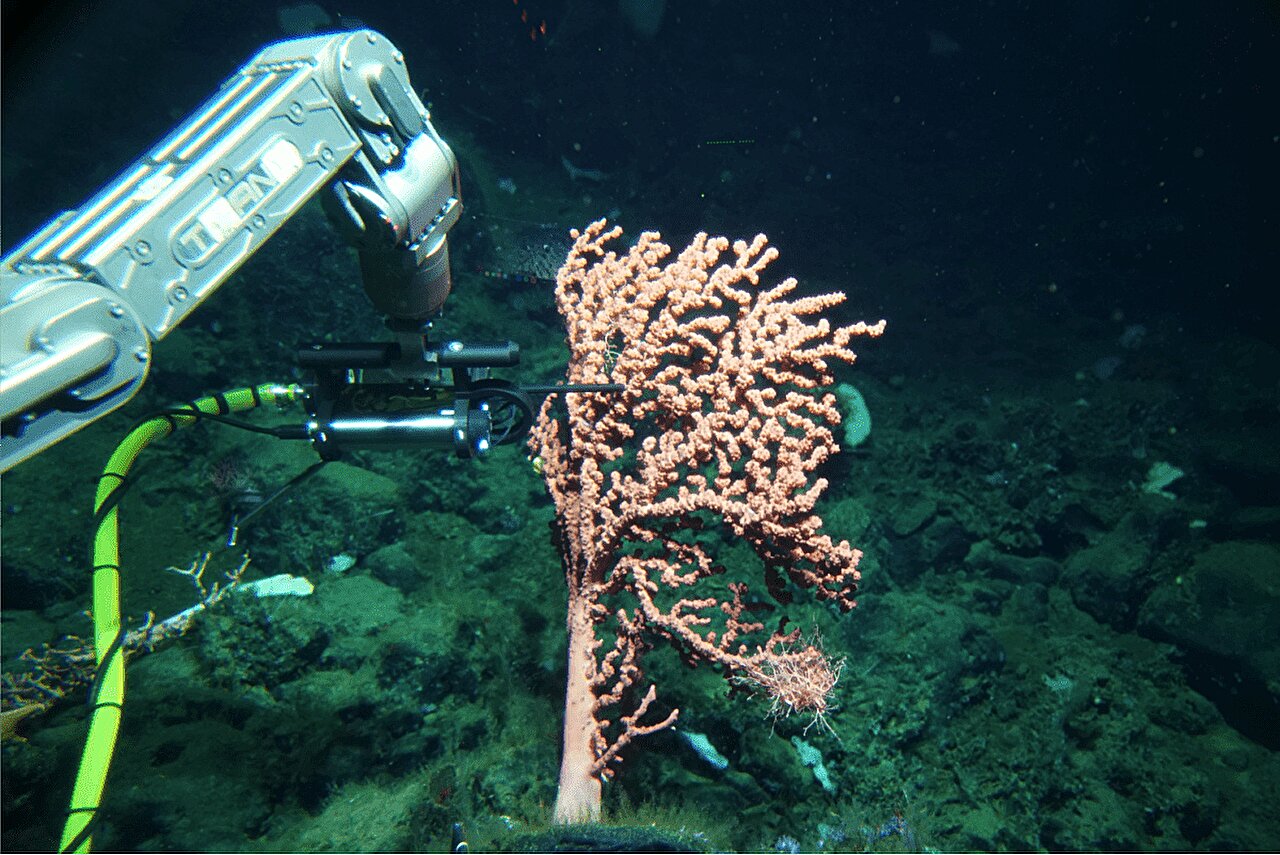
A recent study using a deep-sea chemiluminescent sensor called SOLARIS has revealed that deep-sea corals and sponges produce reactive oxygen species (ROS), specifically superoxide. This discovery suggests that these chemicals have previously unknown effects on ocean life and chemistry in the deep sea. The study also found that the production of superoxide is not solely a stress response but a fundamental part of the corals' regular life functions. The findings have implications for understanding coral health and activity, as well as how coral ecosystems may respond to climate change.