To safely watch the total solar eclipse, always wear eclipse glasses when any part of the sun is visible, except during the brief period of "totality." Do not make eclipse glasses at home or look at the partially eclipsed sun through a camera, binoculars, or telescope without a solar filter. Avoid glancing at the partial eclipse, and consider using a tripod when taking pictures. The full effect of a total eclipse can only be experienced during totality, so it's best not to settle for 99 percent totality. Lastly, do not attempt to watch the eclipse while driving and be cautious of pedestrians and animals on the road during totality.
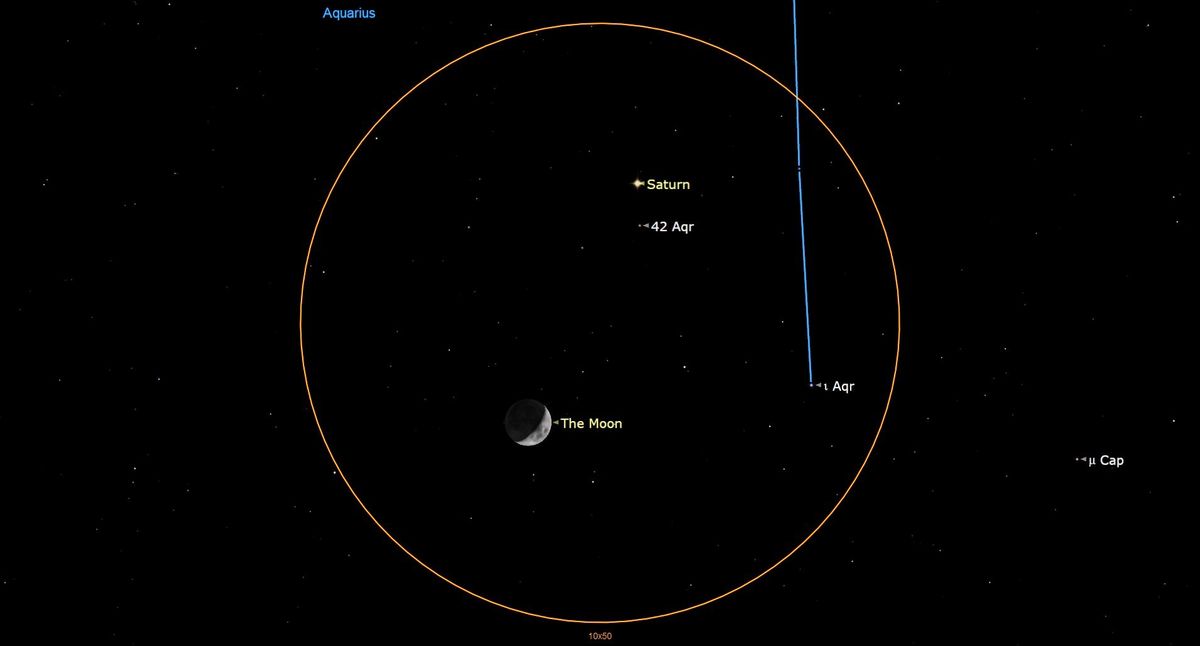
The moon and Saturn will have a close approach on December 17, visible from New York City and other locations. The moon will be half-illuminated, and both celestial bodies will share the same right ascension. The moon and Saturn will be located in the constellation of Aquarius during the meet-up. The conjunction will be more visible after sunset until they set to the southwest. The moon will appear much larger than Saturn due to its closer proximity to Earth.
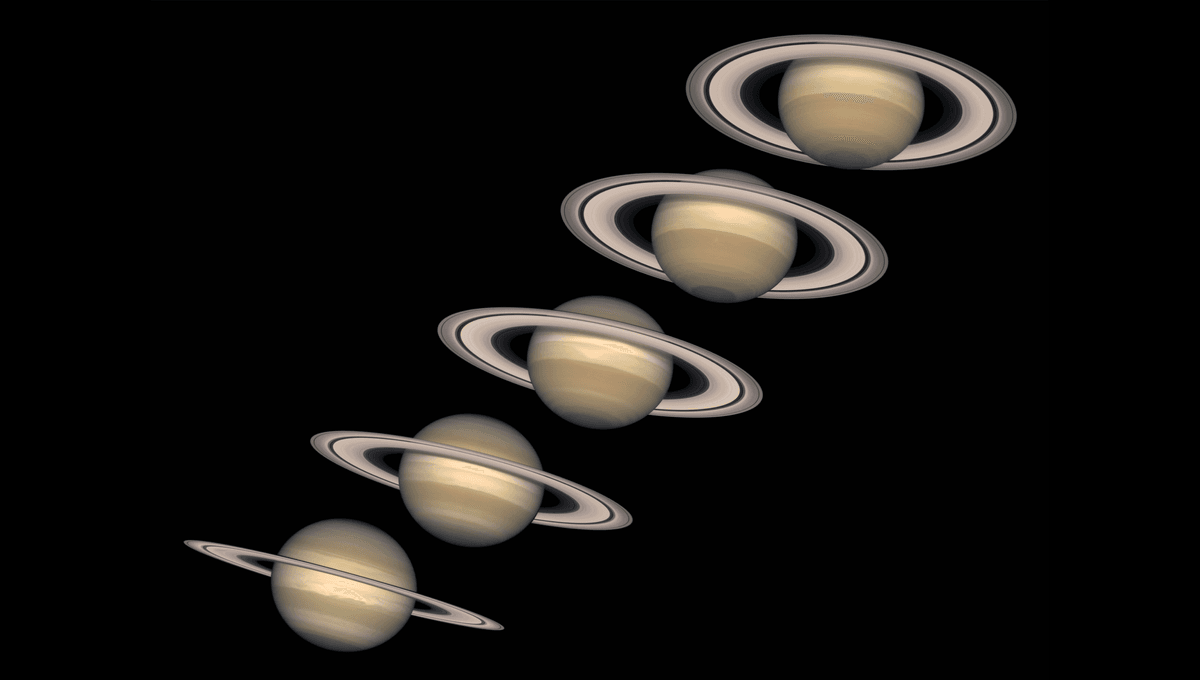
Saturn's iconic rings will disappear from view for astrophotographers and amateur astronomers in 2025 due to the tilt of the planet in its orbit around the Sun. The rings, although enormous in size, are extremely thin and will become perfectly edge-on with our line of sight. However, this is not a permanent disappearance, as the underside of the rings and the planet's Southern Pole will come into view, offering a unique opportunity to observe Saturn's system.
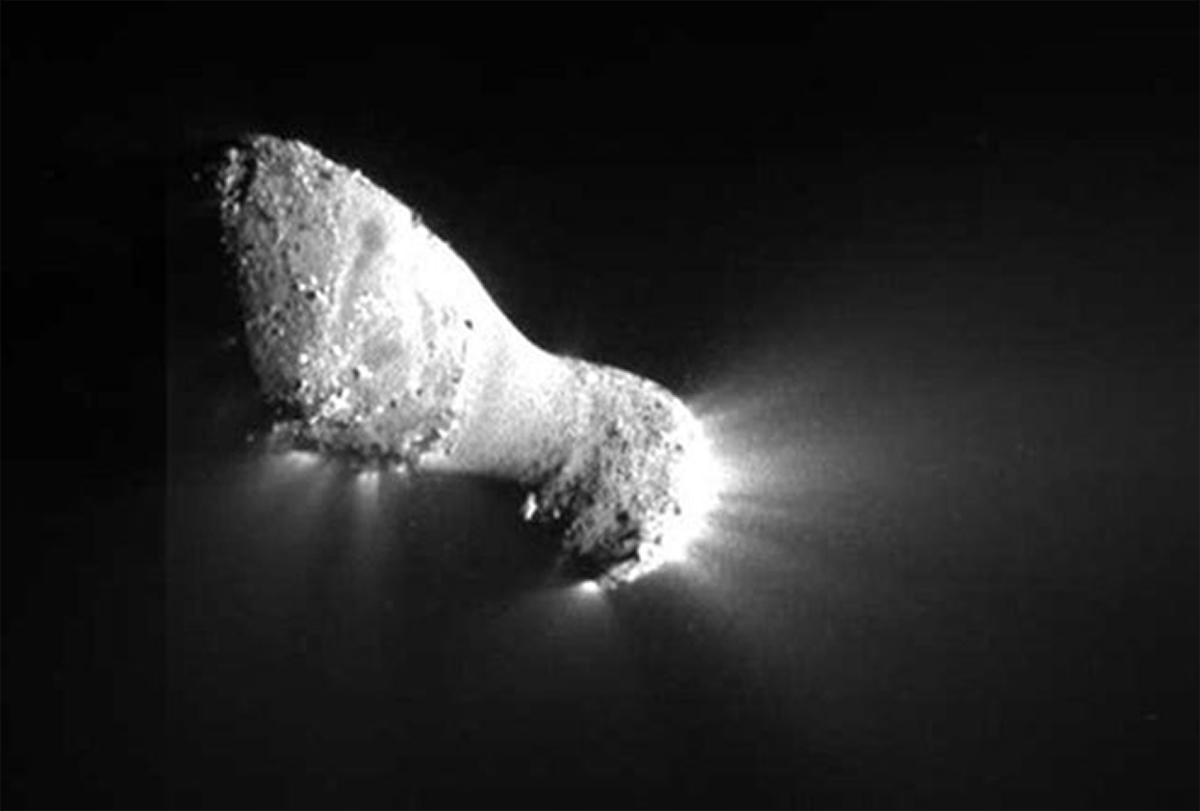
Comet 103P/Hartley, also known as Hartley 2, is approaching perihelion on October 12th and is expected to reach a peak brightness of mag. 8.5. It will appear large and diffuse as it comes relatively close to Earth in late September. Observers can track the comet's path throughout October, with key dates including October 5th-11th when it crosses the Gemini constellation, and October 27th when it passes close to Altarf in the morning. The period leading up to October 27th is optimal for observing the comet without the Moon interfering with the view.
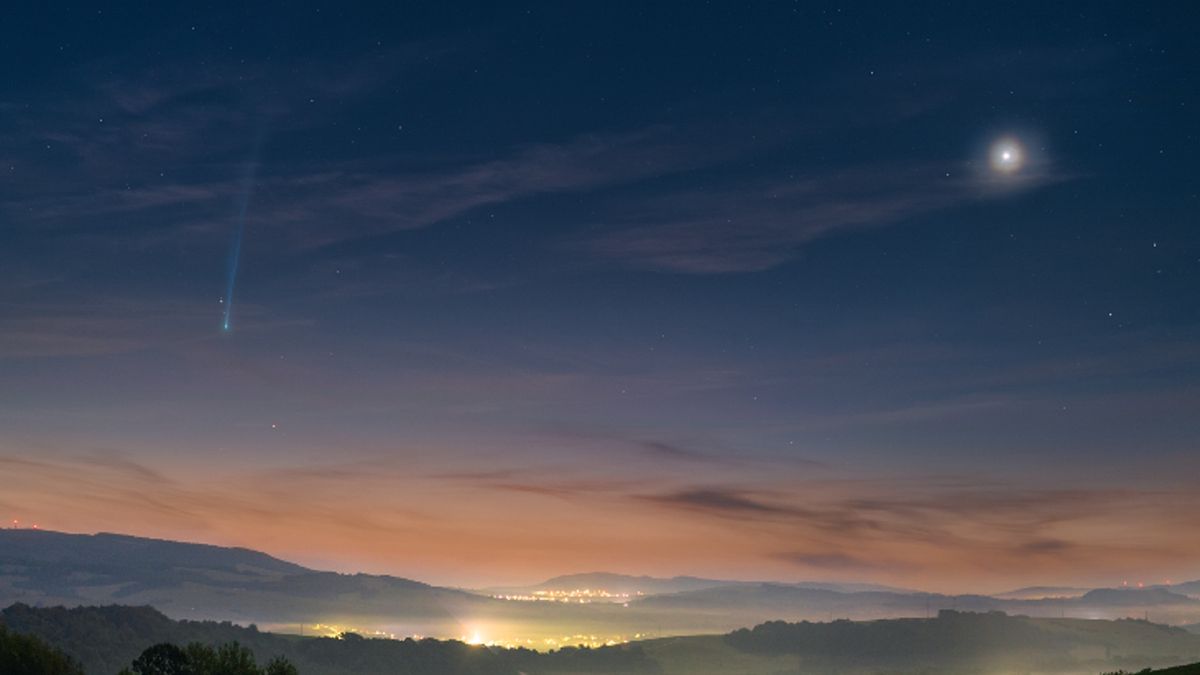
Green comet Nishimura, also known as C/2023 P1, has survived its close encounter with the sun and is now heading back into the outer reaches of the solar system. It won't return for around 430 years, but it may still be visible over the next few weeks, depending on your location. The comet's trajectory brings it into the inner solar system every 430 years before slingshotting around the sun and returning to the Oort Cloud. Although it has become dimmer and can only be seen near the horizon shortly before sunrise or after sunset, those in Australia have a slightly better chance of spotting it. Additionally, Nishimura could potentially be the source of the annual Sigma-Hydrids meteor shower in December, making this year's shower more active and visually stunning.
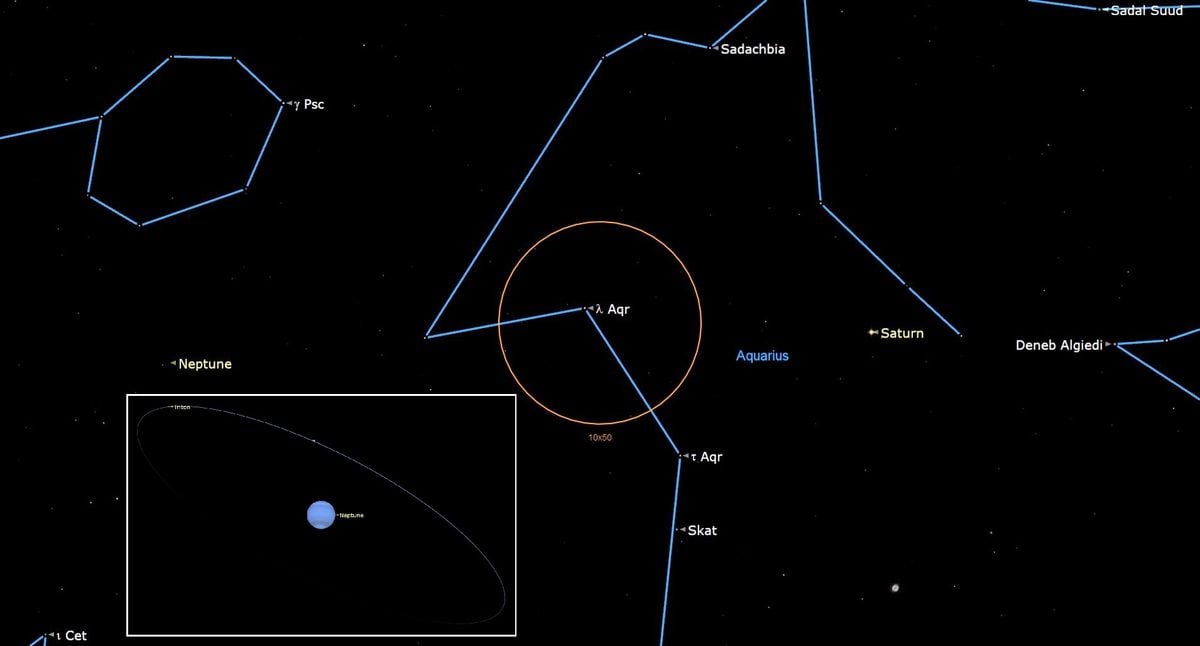
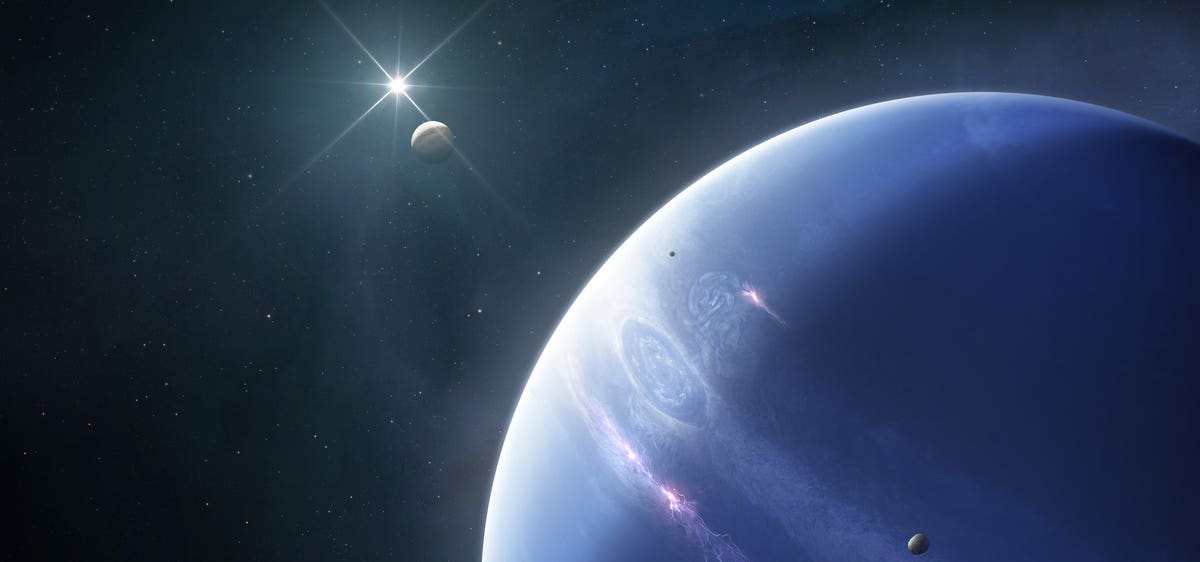
Neptune, the eighth and most distant planet from the sun, will be at opposition and its closest approach to Earth tonight, making it the brightest and largest in the night sky. Although still 2.7 billion miles away, Neptune can be observed with a telescope or binoculars in dark skies and favorable weather conditions. It will rise in the east at around 6:58 p.m. EDT and reach its highest point at 12:51 a.m. EDT on Wednesday. This is a great opportunity for stargazers to locate and observe the ice giant in the Pisces constellation.
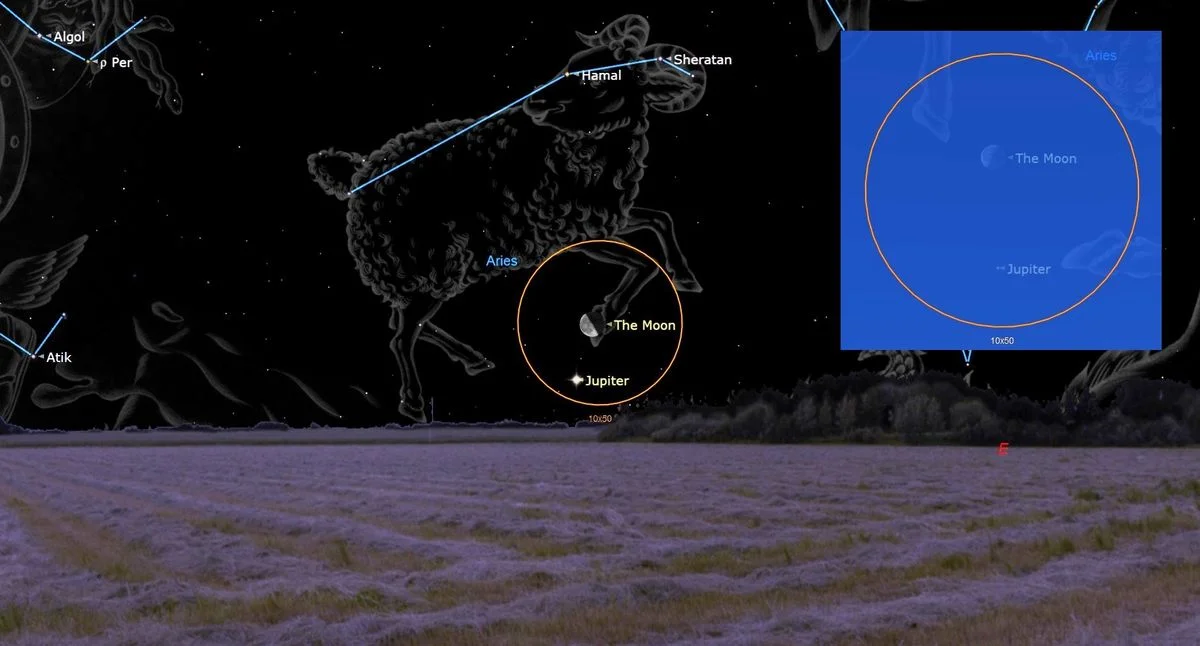
Jupiter, the largest planet in our solar system, is currently visible in the night sky, shining brightly and rising in the late evening. Tonight, it will be joined by the last quarter moon, appearing a little over 2 degrees above and to the left of Jupiter. Jupiter is currently the brightest "star" in the night sky and will continue to increase in brilliance in the coming weeks. Observers can use telescopes or binoculars to see Jupiter's four big moons, Io, Ganymede, Europa, and Callisto.
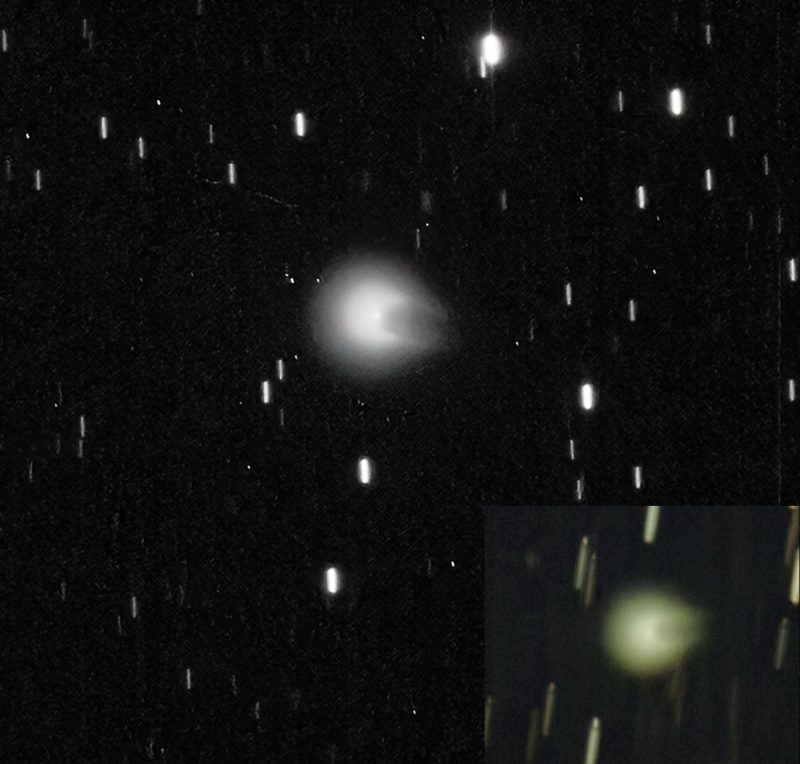
Comet Pons-Brooks, a periodic comet that orbits the sun every 71 years, recently had an outburst, rapidly brightening and taking on a peculiar shape. Although it is currently only visible with large telescopes, it could reach binocular range by March. The comet will share the sky with a total solar eclipse on April 8, 2024, but observing it during the eclipse requires caution and experience. As the comet gets closer to the sun, it will speed up and brighten, passing through various constellations. Its closest approach to the sun will be on April 21, 2024, and it will be closest to Earth on June 2, 2024.
This weekend, on the evening of Friday, August 4 and throughout the night, there is a rare opportunity to see Neptune, the eighth planet from the sun. Neptune will appear close to the moon, making it easier to locate. To observe Neptune, you will need a good pair of binoculars, such as 10x42 or 10x50, and knowledge of its position relative to the moon. While this weekend is a good time to see Neptune, the best time will be on September 19, 2023, during its annual opposition when it will be bigger and brighter in the night sky.
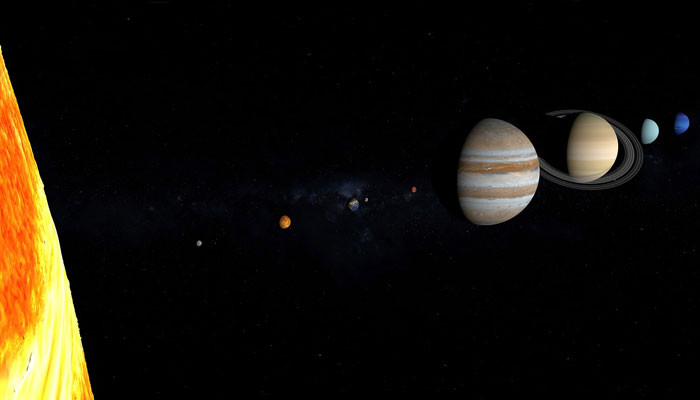
Five planets, including Saturn, Neptune, Jupiter, Uranus, and Mercury, will align in the night sky on June 17, forming a line due to their elliptical orbits. The alignment will be visible for a few days before and after June 16, with different planets visible at various times throughout the night. While Neptune and Uranus require binoculars, Jupiter, Mercury, and Saturn will be visible without them. Another alignment is predicted for July 22, featuring Mars, Venus, and Mercury.
Five planets, Saturn, Neptune, Jupiter, Uranus, and Mercury, will line up in the sky before sunrise on Saturday, June 17, 2023. Jupiter and Saturn will be the easiest to spot, while Mercury will be the last to come into view. To see Neptune and Uranus, binoculars or a telescope may be necessary. This celestial event is a result of the planets' orbits lining up on one side of the sun from Earth's perspective.