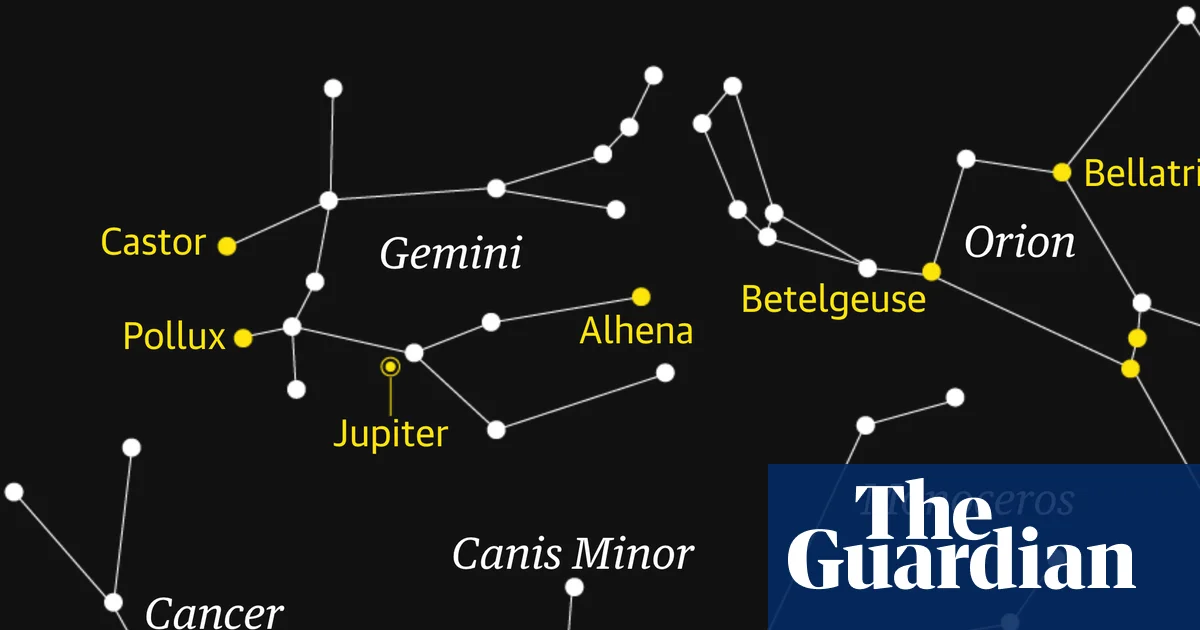
Jupiter, the largest planet in the solar system, will be at its closest approach to Earth in 2026, making it highly visible and bright in the night sky, especially in Gemini, and can be observed with binoculars or small telescopes.
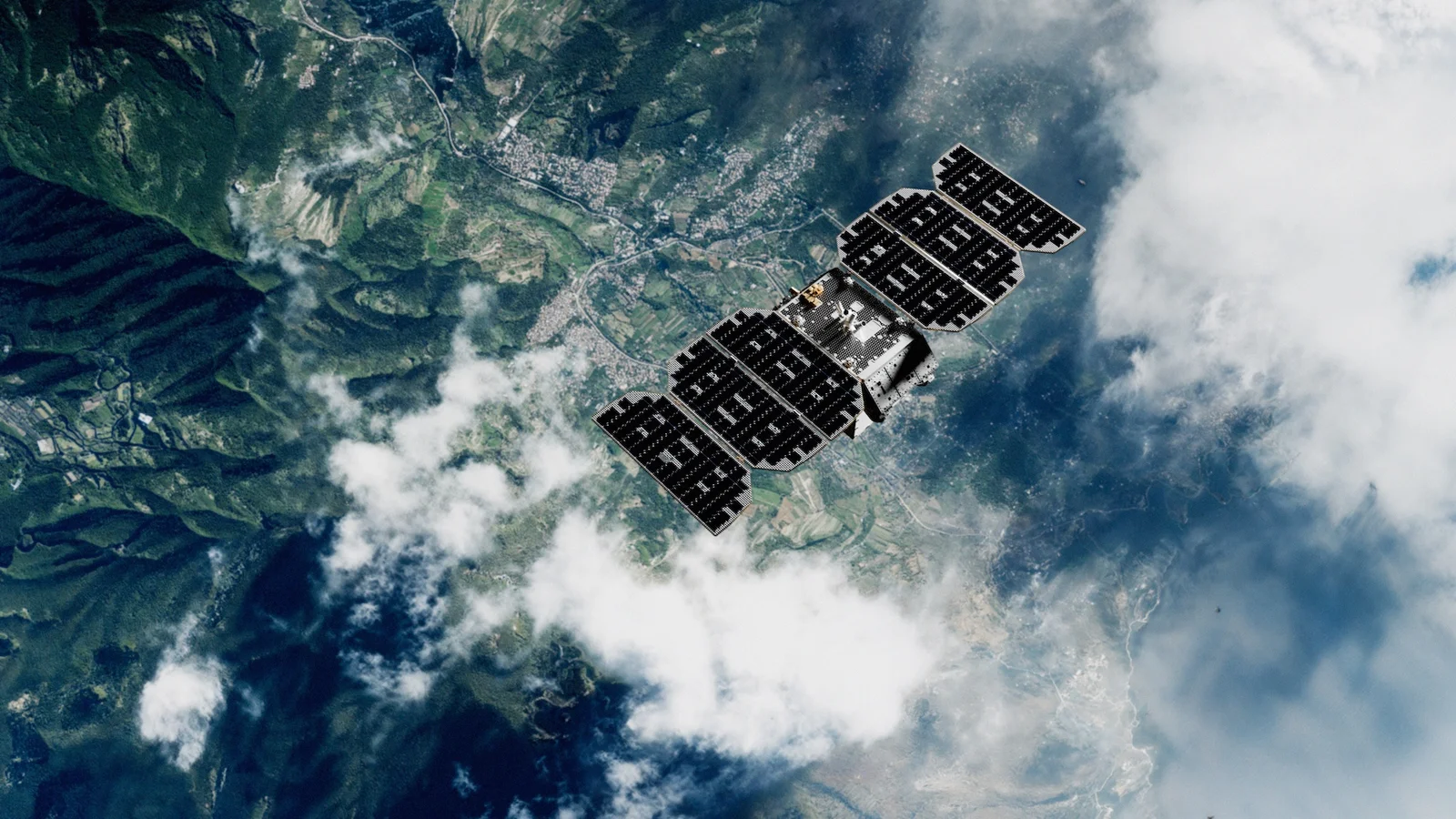
Planet and Google are collaborating on Project Suncatcher to develop orbital data centers for AI, launching two demonstration satellites by 2027 to test high-bandwidth intersatellite links and heat dissipation in space, with long-term plans for large satellite clusters to provide continuous solar-powered data processing in orbit, reflecting growing industry interest in space-based computing solutions.
The article suggests that King Charles plans to warn Donald Trump about the environmental challenges facing the planet, though it is unlikely Trump will heed the warning, amidst ongoing debates over fracking and energy policies in the UK.
Arizona has designated Pluto as its "official state planet," despite its reclassification as a dwarf planet by the International Astronomical Union in 2006. The decision has sparked controversy, as to be considered a planet, an object must meet specific criteria, including clearing its orbit of debris. Arizona's connection to Pluto dates back to the discovery of the celestial body by Clyde Tombaugh in 1930 at the Lowell Observatory in Flagstaff. State Rep. Justin Wilmeth introduced the bill, emphasizing Arizona's historical ties to Pluto and expressing continued affection for the celestial body.
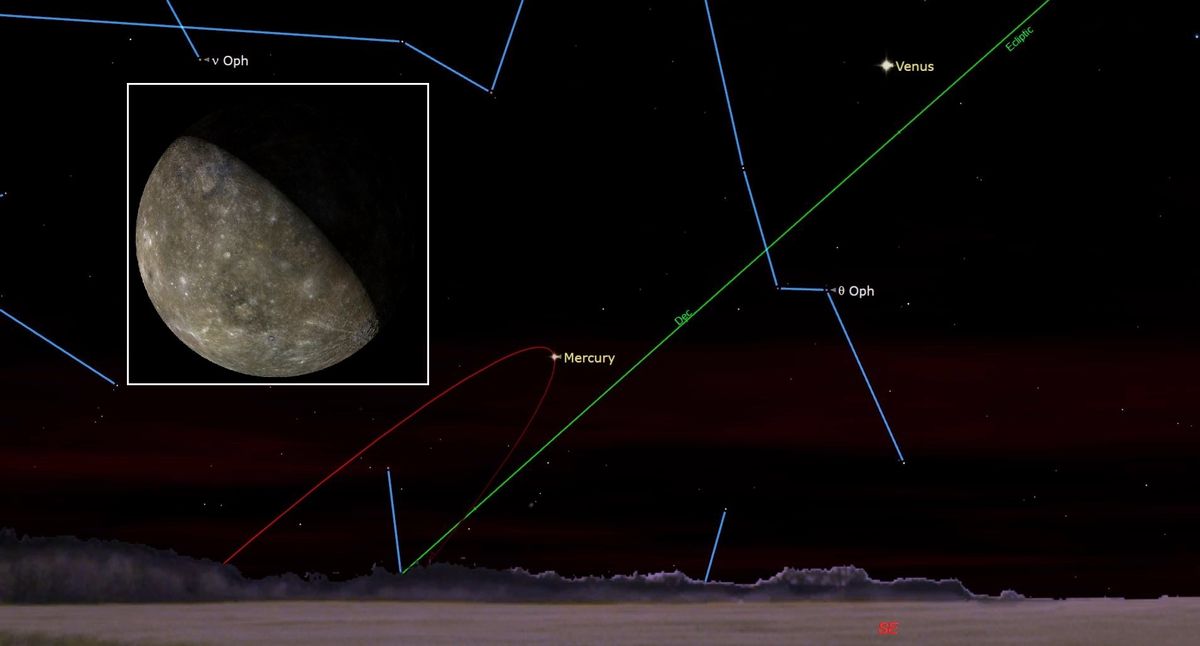
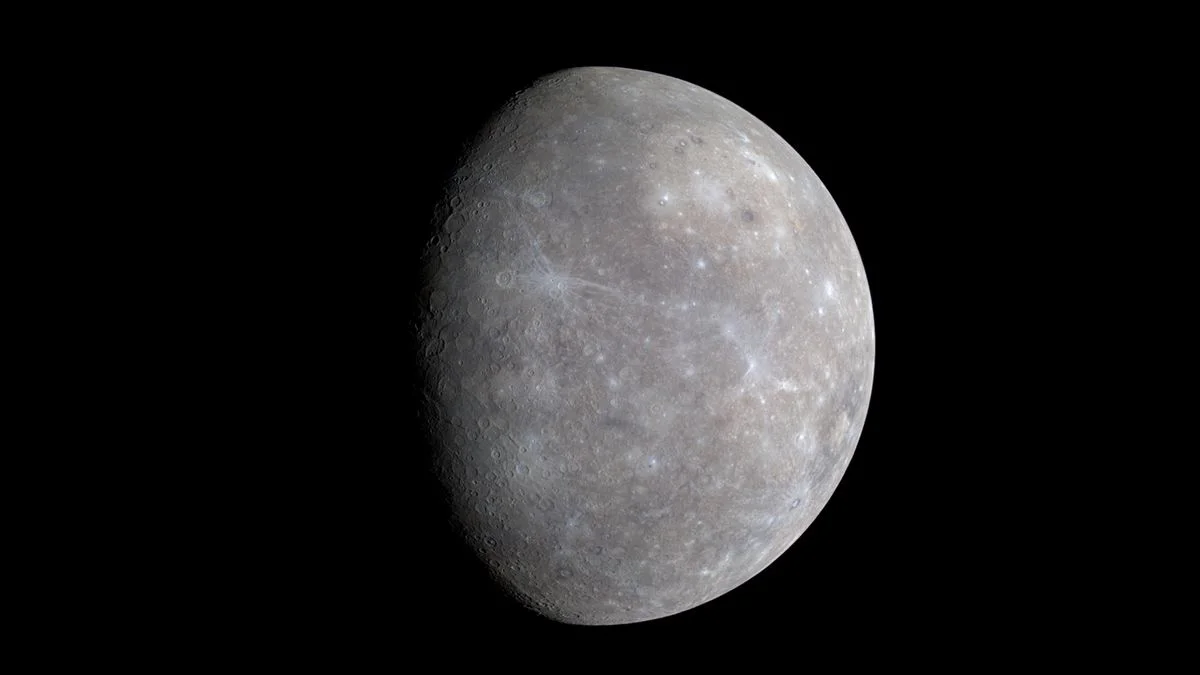
The planet Mercury will reach its greatest elongation from the sun on Friday, making it more easily visible from Earth. This event will occur at around 10 a.m. EST, with Mercury appearing in the constellation of Sagittarius. Following this, Mercury will continue to brighten until February before slipping back into the glare of the sun. Skywatchers interested in observing Mercury or other celestial objects can refer to guides on telescopes, binoculars, and astrophotography.
The makers of No Man's Sky are developing a simulation game called Light No Fire, where they aim to simulate an entire planet. This new project showcases the continued innovation in the gaming industry and highlights the potential for immersive gaming experiences.
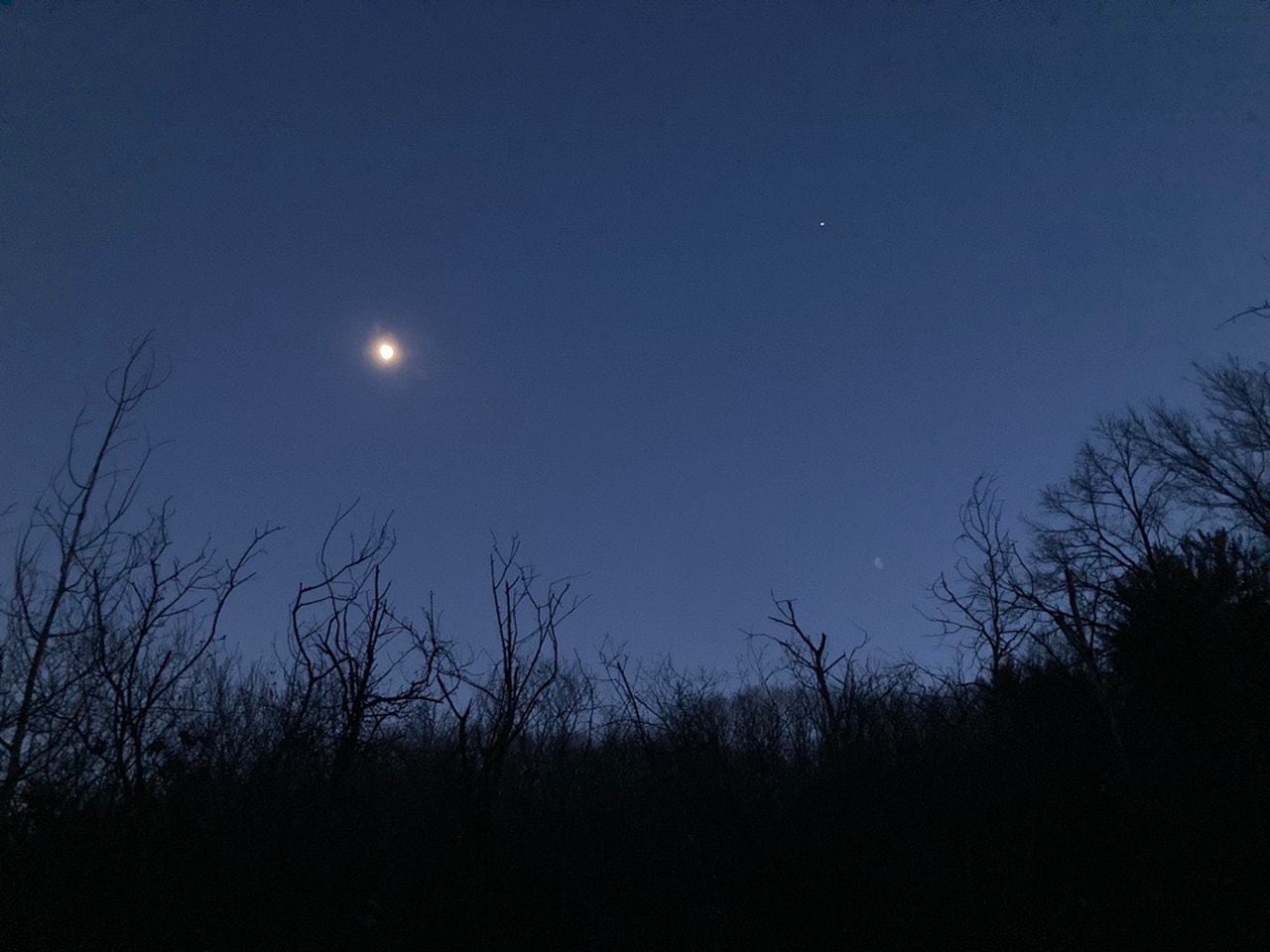
Jupiter, the largest planet in our solar system, will be the brightest object in the evening sky throughout December. Viewers in the Northern Hemisphere can see it shining high in the eastern skies after sunset, and it will make a lovely pairing with the moon on the night of the winter solstice. No special equipment is needed for viewing. Jupiter recently reached its closest point to Earth, making it appear larger and brighter than usual. As winter progresses, the planet will become more dim, so take advantage of clear December nights to observe its unmistakable light.
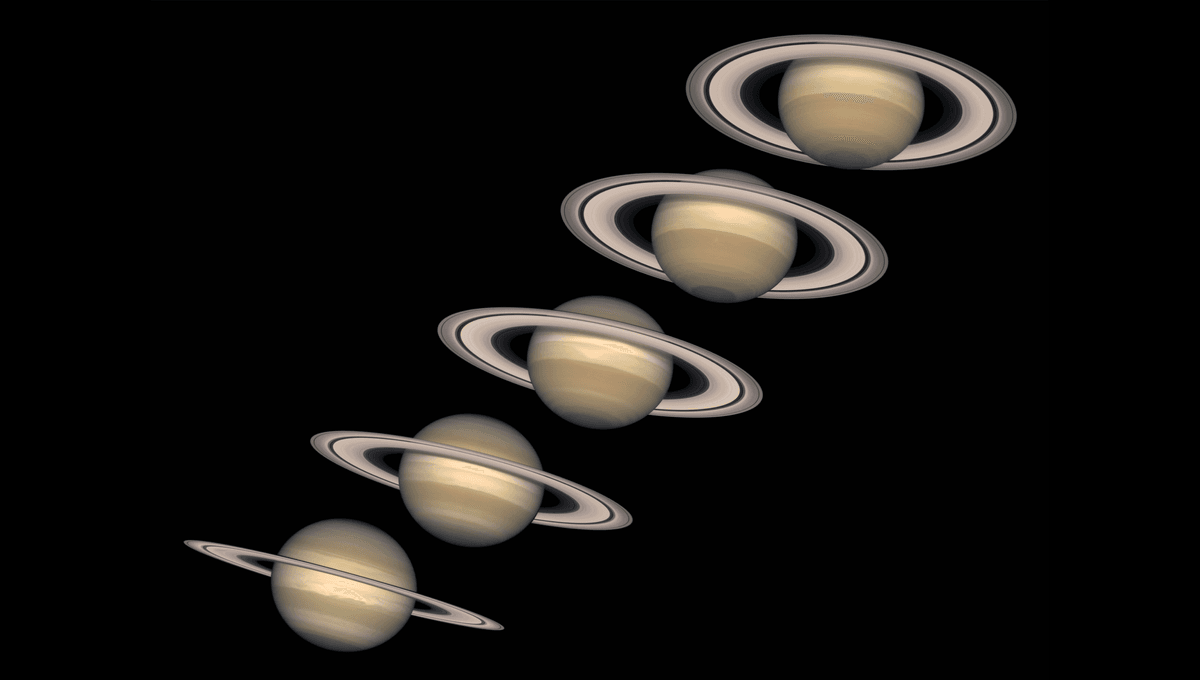
Saturn's iconic rings will disappear from view for astrophotographers and amateur astronomers in 2025 due to the tilt of the planet in its orbit around the Sun. The rings, although enormous in size, are extremely thin and will become perfectly edge-on with our line of sight. However, this is not a permanent disappearance, as the underside of the rings and the planet's Southern Pole will come into view, offering a unique opportunity to observe Saturn's system.
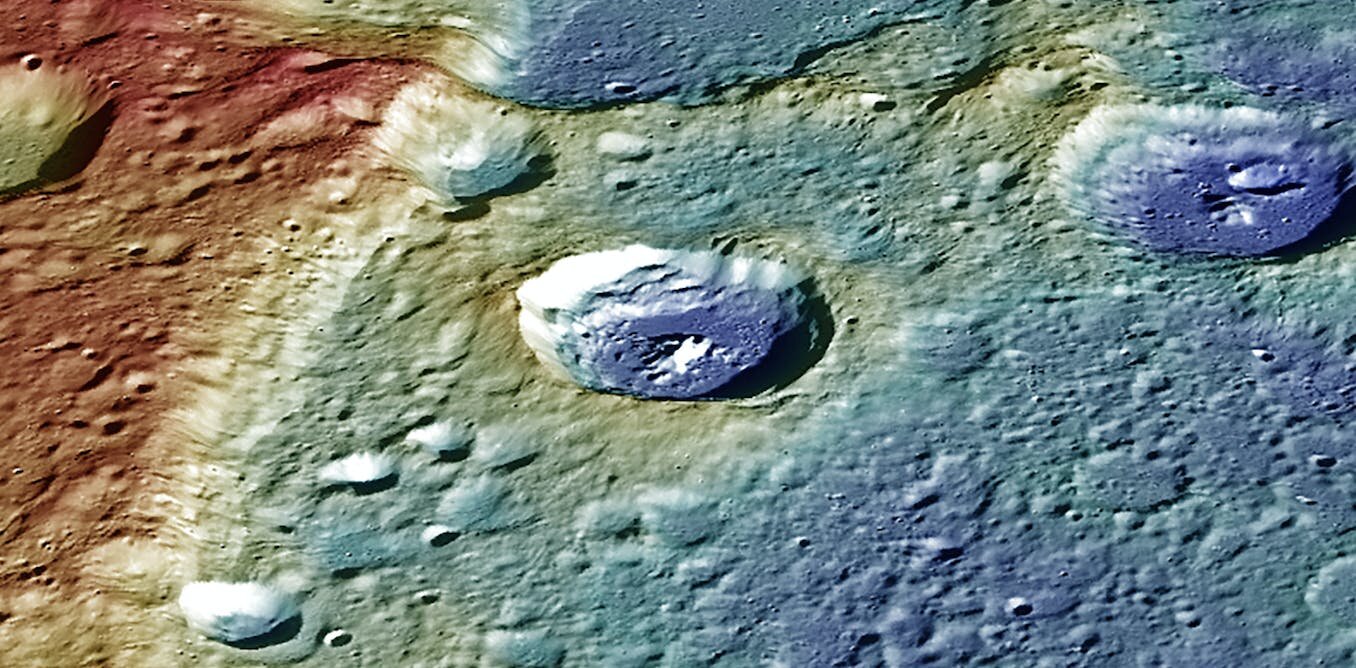
New research suggests that Mercury, the closest planet to the sun, is still shrinking. The planet's interior has been cooling down, causing its rock and metal composition to contract. The shrinking has resulted in the development of thrust faults on Mercury's surface, known as lobate scarps. These scarps are believed to be about 3 billion years old, but recent evidence indicates that some of them have continued to move in geologically recent times. The findings were based on observations of small fractures called grabens, which suggest that the latest movement on Mercury's surface occurred within the past 300 million years. The joint European/Japanese BepiColombo mission, set to orbit Mercury in 2026, will provide further confirmation of these findings.
Mercury, the smallest planet in our solar system, will reach its highest point in the sky on September 22, making it the best time to observe it. Known as the 'Swift Planet' due to its quick orbit around the sun, Mercury is usually difficult to spot due to the sun's glare. However, during its "greatest elongation," it becomes visible close to sunrise or sunset. This week, Mercury will be visible above the eastern horizon just before sunrise, appearing half-lit. The planet will be at its brightest and easiest to see from September 16 to September 30. Stargazers can use binoculars and a clear horizon to observe Mercury's yellowish glow.
Satellite imagery company Planet is laying off around 10% of its workforce, or 117 employees, in order to focus on driving revenue and achieving profitability. The decision comes after a deep assessment of the business and spending, with the aim of prioritizing the highest ROI opportunities. Planet went public in December 2021 through a SPAC merger, but like many space companies, it has struggled to meet revenue projections. While the company has reported growing revenues, operating costs remain high. CEO Will Marshall takes responsibility for the decision and acknowledges the impact on employees and their families. Planet's stock closed at $3.75 a share, significantly lower than its IPO price of $11.35.
Satellite-imagery and data-analysis company Planet is restructuring and laying off approximately 10% of its workforce, affecting 117 employees. The company aims to increase its focus on high priority growth opportunities and operational efficiency to support its long-term strategy and path to profitability. Planet's CEO takes responsibility for the decisions leading to the layoffs and acknowledges the impact on employees and their families. The company's stock remained relatively unchanged in premarket trading.
The planet Mercury will be visible in the post-sunset sky this week, appearing close to the bright star Regulus in the constellation Leo. On July 28, 2023, Mercury will be just a tenth of a degree away from Regulus, making it a great opportunity to observe with binoculars. Regulus, Leo's brightest star, is actually a quadruple star system and will soon be lost in the sun's glare. Mercury, which orbits the sun every 88 days, is usually lost in the sun's glare but occasionally becomes visible in the early evening or pre-dawn sky.
Scientists suggest that our solar system may be hiding an extra planet, based on the unusual orbits of distant objects. This hypothetical planet, often referred to as Planet Nine or Planet X, is believed to be several times the size of Earth and located far beyond Neptune. While its existence has not been confirmed, researchers continue to gather evidence and study the gravitational effects it may have on other celestial bodies in our solar system.
Planet's stock dropped after the company lowered its annual revenue guidance for fiscal year 2024 to a range of $225 million to $235 million, down from its previous forecast of between $248 million to $268 million. The company also expects wider losses on an adjusted EBITDA basis. Despite this, Planet's CEO stated that the company continues to see strong demand for its proprietary data solutions. Planet reported revenue of $52.7 million for the first quarter, up 31% from the same period a year ago, but effectively flat from the prior quarter.