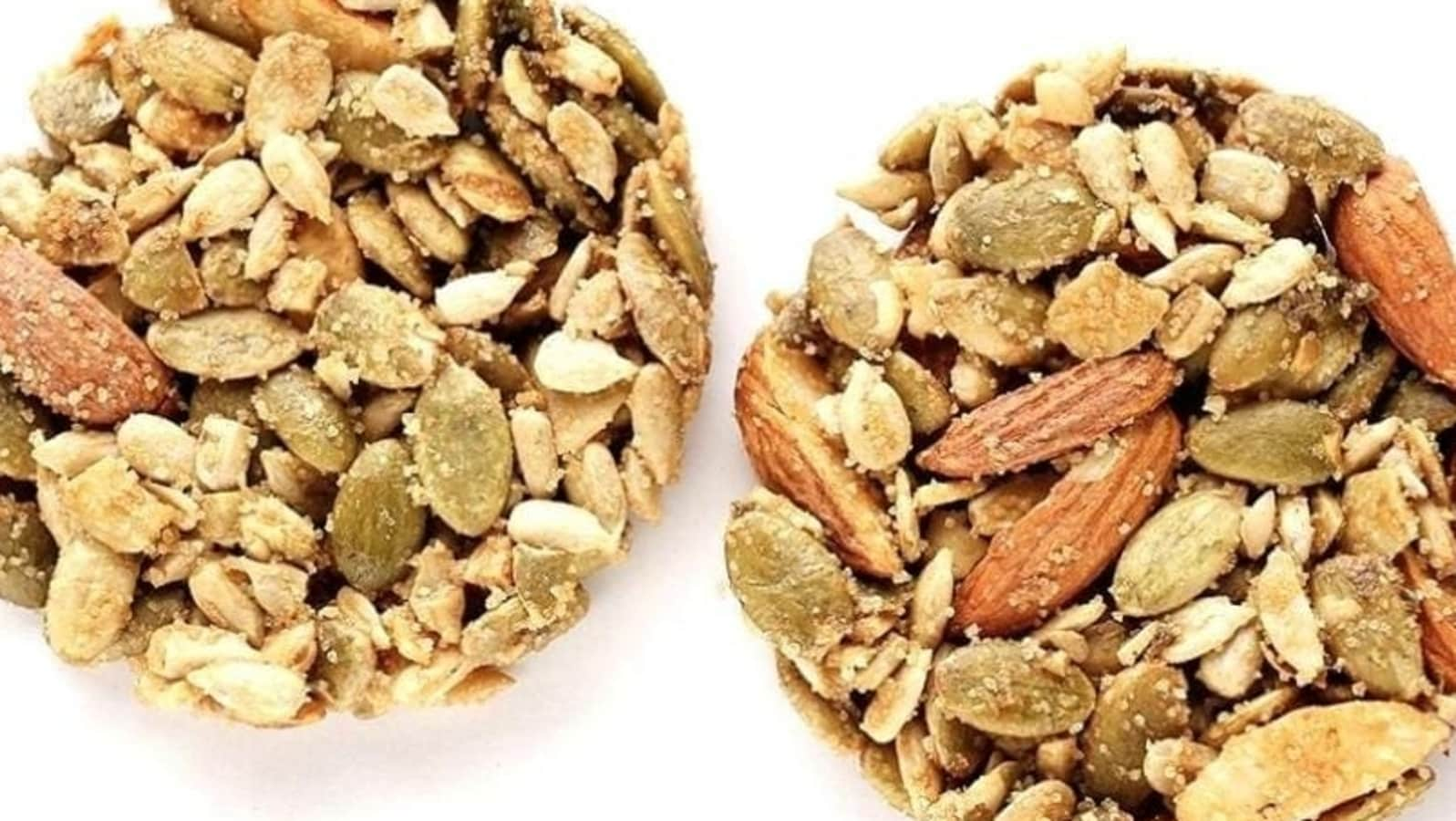
Expert interviews highlight key diet tips including eating a variety of plant-based foods, focusing on fiber and protein, making healthy food choices accessible, and maintaining a balanced, sustainable diet to improve overall health and gut health.
Selenium-rich foods are important for women and children as they support immunity, provide antioxidant protection, and maintain thyroid health. Cashews, mushrooms, brown rice, eggs, Brazil nuts, tofu, chia seeds, oatmeal, fish, and turkey are all excellent sources of selenium, offering various health benefits such as hormone balancing, heart health, and brain health.
Maintaining stable blood sugar levels is crucial for overall health, especially for those at risk of diabetes, and incorporating the right foods into the diet can play a pivotal role in achieving a balance. Dr. Lalitha Palle and Miloni Bhandari recommend a variety of nutrient-dense foods such as whole grains, lentils, leafy greens, berries, nuts, and healthy fats like avocados and olive oil, which do not cause significant blood sugar spikes. They also advise on the order of consuming different food groups during meals. These foods can contribute to stable blood sugar control and overall well-being, but it's important to consult with a healthcare professional for personalized dietary advice.
Combat the winter blues and elevate your mood by incorporating these top 5 nutrient-dense foods into your diet: fish for Omega-3 fatty acids, leafy green vegetables for magnesium and folate, nuts for mood-enhancing neurotransmitters, fresh fruits and berries for antioxidants, and dark chocolate for feel-good compounds like endorphins. These foods can help regulate stress, improve brain function, and boost energy levels during the winter months.
Around 25% of women experience sleep issues during menopause, impacting their well-being. Nutritionist Lovneet Batra suggests incorporating nutrient-rich foods into the diet to improve sleep quality and reduce symptoms. Foods such as almonds, cashew nuts, sesame seeds, pistachios, flaxseeds, fish, and soy products contain magnesium, vitamin E, and omega-3 fatty acids, which can promote muscle relaxation, reduce night sweats and hot flashes, and improve mood and sleep disturbances.
A new study suggests that American adults consume up to 500 calories per day in snacks, mostly consisting of processed foods and added sugars. While snacking itself isn't necessarily bad, it can disrupt healthy eating habits and contribute to health concerns. To make snacking healthier, experts recommend including protein and fiber in snacks to boost energy and promote fullness. Examples of high-protein, high-fiber snacks include Greek yogurt with berries, hummus with chopped veggies, smoothies with fruit and greens, crunchy chickpeas, and string cheese with whole-grain crackers. Additionally, shopping for healthy snacks and filling up on nutrient-dense options before indulging in treat-laden situations can help maintain a balanced diet.
Incorporating vegetables (especially dark greens), healthy oils (such as olive and avocado oil), legumes (like black beans and lentils), nuts and seeds (including walnuts and almonds), fermented foods (like yogurt and kimchi), and fruits (such as papaya and blueberries) into your diet can provide the necessary nutrients and antioxidants to achieve healthy skin, improve longevity, and enhance cognitive function. These foods contain components like chlorophyll, omega-3 fatty acids, and vitamins A, C, and E, which protect against free radicals, promote collagen production, hydrate the skin, prevent wrinkles, and combat inflammation and cell damage.