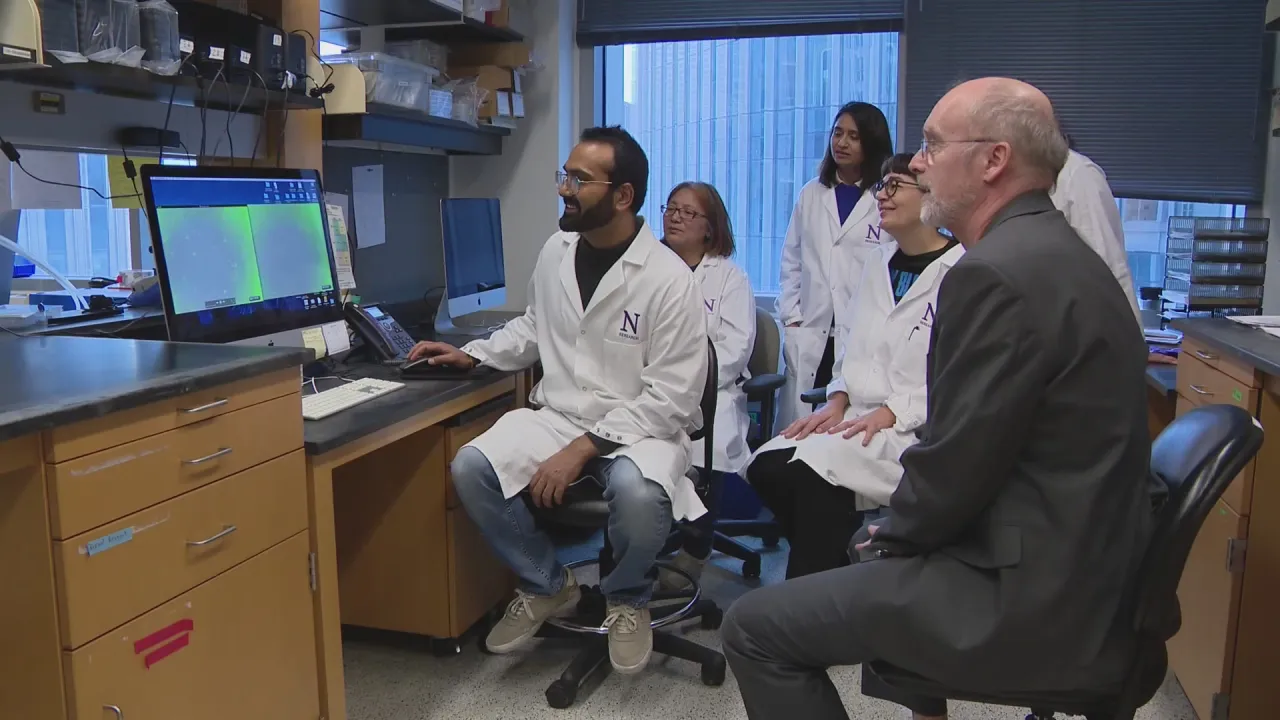
A Northwestern Medicine study found a virus, human pegivirus (HPgV), in the brains of Parkinson's patients, suggesting a potential viral link to the disease, though further research is needed to understand its role and implications.
Northwestern Medicine has developed a new double lung transplant technique that has successfully treated over 40 lung cancer patients, achieving a 100% success rate. This method, initially devised to prevent COVID-19 bacteria from spreading during transplants, also prevents cancer cells from entering the bloodstream. The technique involves cutting veins simultaneously and irrigating the chest cavity to remove cancerous cells and bacteria. This breakthrough offers new hope for patients with advanced lung conditions, including those affected by both COVID-19 and lung cancer.
A study suggests that ChatGPT, an AI language model, can provide reliable and understandable answers to common questions about radiation oncology, potentially reducing workload and burnout among physicians. The technology's responses were found to be on par with or better than those provided by experts on the internet, prompting the development of a generative AI app to assist patients with radiation oncology treatment inquiries. While AI's potential in oncology is promising, concerns about ethical and legal considerations, as well as biases in data sets used for training, remain.
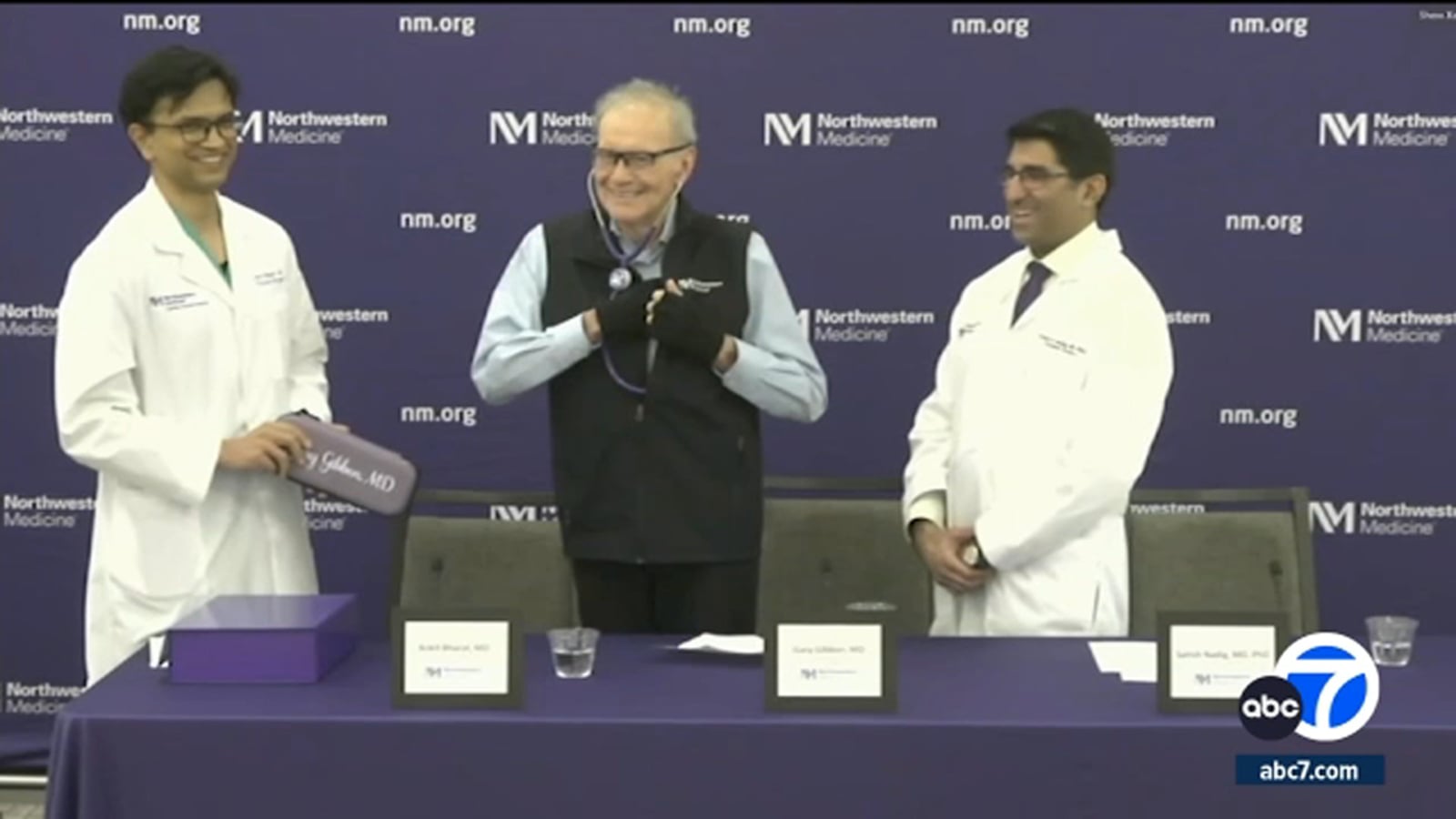
Dr. Gary Gibbon, a pulmonologist diagnosed with advanced stage lung cancer, received a groundbreaking double lung and liver transplant after seeing an NBC News report about the innovative procedure. Northwestern Medicine's DREAM Program successfully performed the complex surgery, which had never been done in the U.S. before. Six months after the surgery, Gibbon is cancer-free, demonstrating the potential for more transplant centers to perform similar complex surgeries. His wife credits the media for connecting them with the life-saving treatment, emphasizing the importance of exploring all options when facing dire medical situations.
Dr. Gary Gibbon, a pulmonologist diagnosed with advanced stage lung cancer, received a groundbreaking double lung and liver transplant after seeing an NBC News report about the procedure. Northwestern Medicine's DREAM Program pioneered the novel approach, successfully performing more than 30 lung transplants for advanced lung cancer patients. Despite initial complications, the complex surgery was a success, leaving Gibbon cancer-free and highlighting the potential for more transplant centers to perform similar complex surgeries.
Dr. Gary Gibbon, a pulmonologist diagnosed with stage 3 lung cancer and irreparable liver damage, received an unprecedented combined lung-liver transplant at Northwestern Medicine after being told there were no other options. Within 12 days of being on the transplant list, two lungs and a liver became available from one donor, and a historic surgery was performed to remove cancerous cells and complete the triple transplant. Six months later, Gibbon is cancer-free and celebrating his 69th birthday, thanks to the gift of life from an organ donor and their family.
Northwestern Medicine researchers have discovered a potential new approach to treating Alzheimer's disease by focusing on the balance of protective and toxic strands of short RNA in the brain. This fresh perspective could lead to the development of drugs that stabilize or delay the demise of protective RNA, potentially benefiting not only Alzheimer's patients but also those with other complex neurodegenerative diseases such as ALS or Parkinson's. The team is continuing their research in animal models and believes any new treatment would likely be given in combination with current therapies.
Chicago is experiencing its lowest COVID-19 hospital admission rates since the start of the pandemic, but Northwestern Medicine clinicians are warning about the lingering effects of long COVID. A study released by the hospital system's Comprehensive COVID-19 Center revealed that thousands of patients have suffered from a range of serious medical issues, including cognitive impairment, altered lung function, and decreased quality of life. The study highlights the importance of a multidisciplinary approach to treating long COVID. While hospital admissions are declining, the center is expanding its practice to address the ongoing impact of the disease.
A new study conducted by Northwestern Medicine reveals alarming impacts of long Covid on patients. The study, which looked at over 1,800 Covid-19 patients seen between May 2020 and February 2022, found that 85% reported decreased quality of life, 51% experienced cognitive impairment, 45% had altered lung function, 83% had abnormal CT chest scans, and 12% had elevated heart rate on rhythm monitoring. Long Covid affects about a third of Covid survivors and is now the third leading neurologic disorder in the United States.
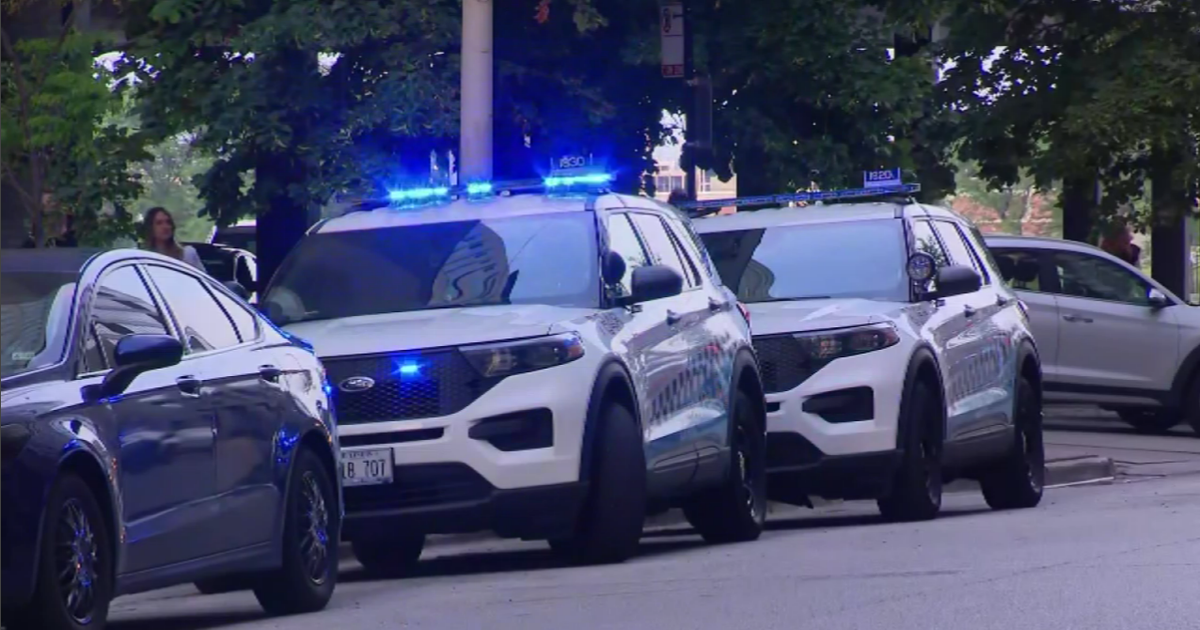
Two newborn girls were found dead in a bathroom at a child care center in Streeterville, Chicago. The babies were discovered in a trash bag by a janitor who was called to clean up blood. The cause of death is yet to be determined. The child care center, exclusively used by Northwestern Medicine employees, stated that a staff member experienced a medical emergency resulting in the unexpected delivery of the twins. The incident is being investigated by the police, and no one has been taken into custody. Emotional and mental health support is being provided to the center's employees and their families.
A study by Northwestern Medicine researchers found that long-haul COVID-19 patients who were initially hospitalized with pneumonia had more severe impacts on the brain compared to those who did not require hospitalization. The study evaluated 600 long COVID patients and found that the hospitalized patients performed far worse on neurological exams. The findings suggest that the pneumonia patients may have suffered brain damage, while the other patients may have been affected by an autoimmune condition. Long COVID is estimated to affect about one-third of all COVID survivors and is a pandemic within the pandemic.
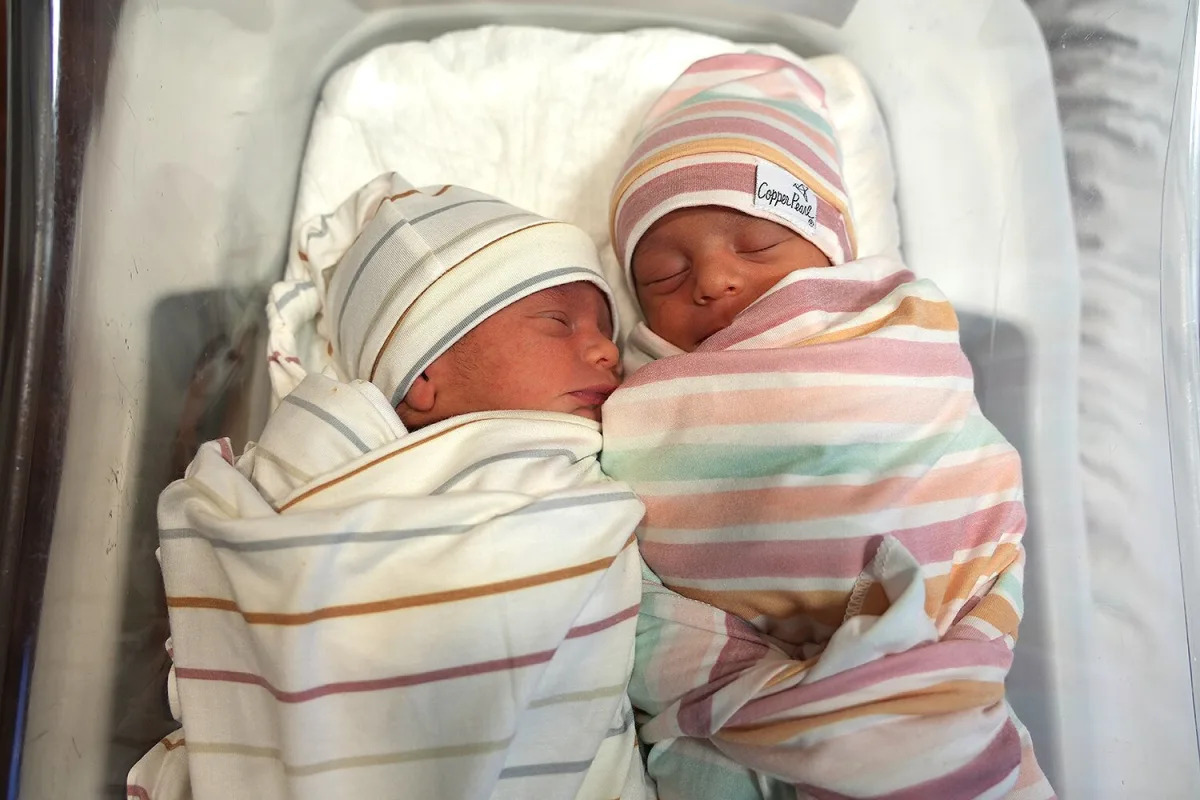
Shelly Battista, a cancer survivor from Illinois, gave birth to identical twins after having her ovaries removed due to ovarian insufficiency caused by chemotherapy. She had frozen eight embryos before the surgery and successfully became pregnant on her third attempt. The twins were born exactly two years after she was declared cancer-free. Shelly is grateful for the support she received from Northwestern Medicine's Center for Fertility and Reproductive Medicine throughout her journey.
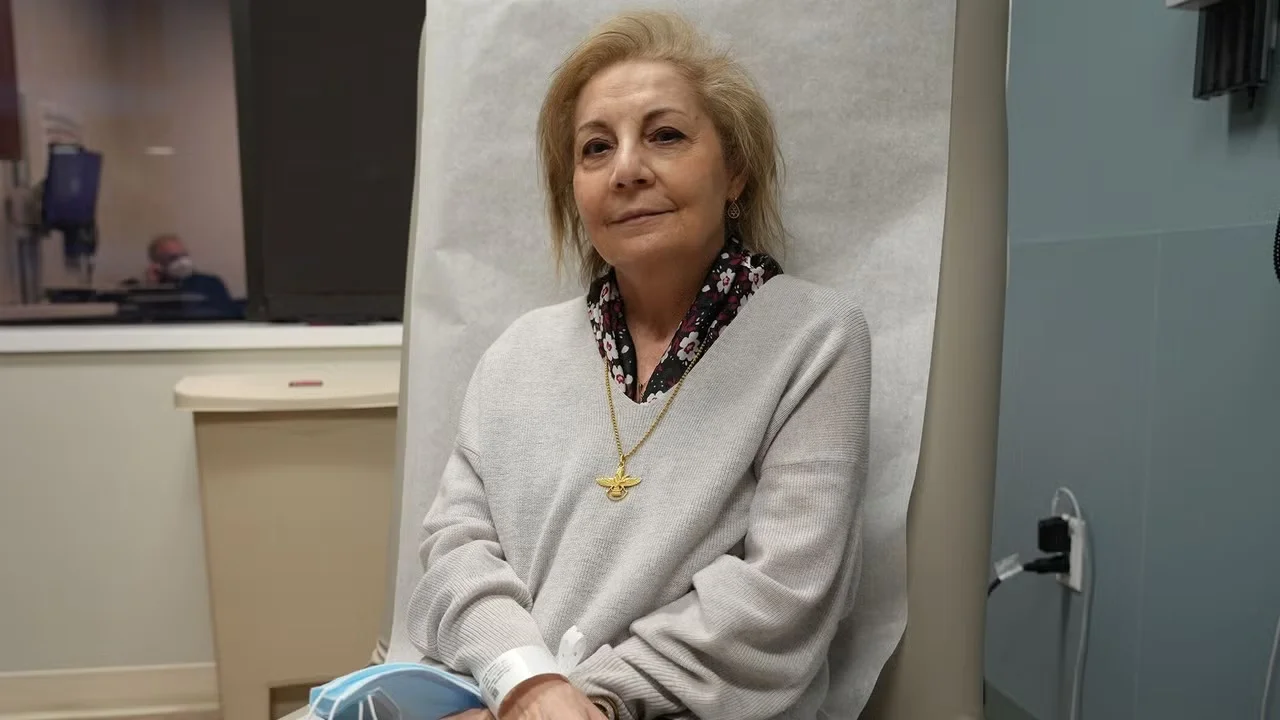
Tannaz Ameli, a retired Minneapolis nurse, became cancer-free within months thanks to a first-of-its-kind double lung transplant surgery at Northwestern Medicine, initially inspired to treat COVID-19 patients. The surgery involves removing both lungs together, carefully monitoring the chest cavity for cancer cells, before inserting the new lungs. Ameli became the second known lung cancer patient to undergo the procedure, which is a last stop for patients who have not seen success with other treatment options and can only be done in patients whose cancer is contained to their lungs. Northwestern Medicine announced a new clinical program last week, opening the door for continued study of the transplant's efficacy and an opportunity for other patients to receive it.
Northwestern Medicine has successfully performed double lung transplants on two patients with end-stage lung cancer using a new technique that minimizes the risk of cancer spreading during the procedure. The hospital is now launching a clinical program for people with end-stage lung disease, offering double lung transplants as a treatment option. The program will follow the outcomes of its first 75 patients who receive double lung transplants for lung cancer in a new research registry called DREAM.
Two patients with terminal stage 4 lung cancer have been cured after receiving a rare double lung transplant at Northwestern Medicine. The cancer did not spread beyond their lungs, making them perfect candidates for the operation. The new surgical technique involves putting the patient on full heart and lung bypass, delicately taking both cancer-ridden lungs out simultaneously along with the lymph nodes, washing the airways and the chest cavity to clear the cancer, and then putting new lungs in. The outcomes of the program's first 75 patients will be monitored in new research, called DREAM, to track the results of transplants.