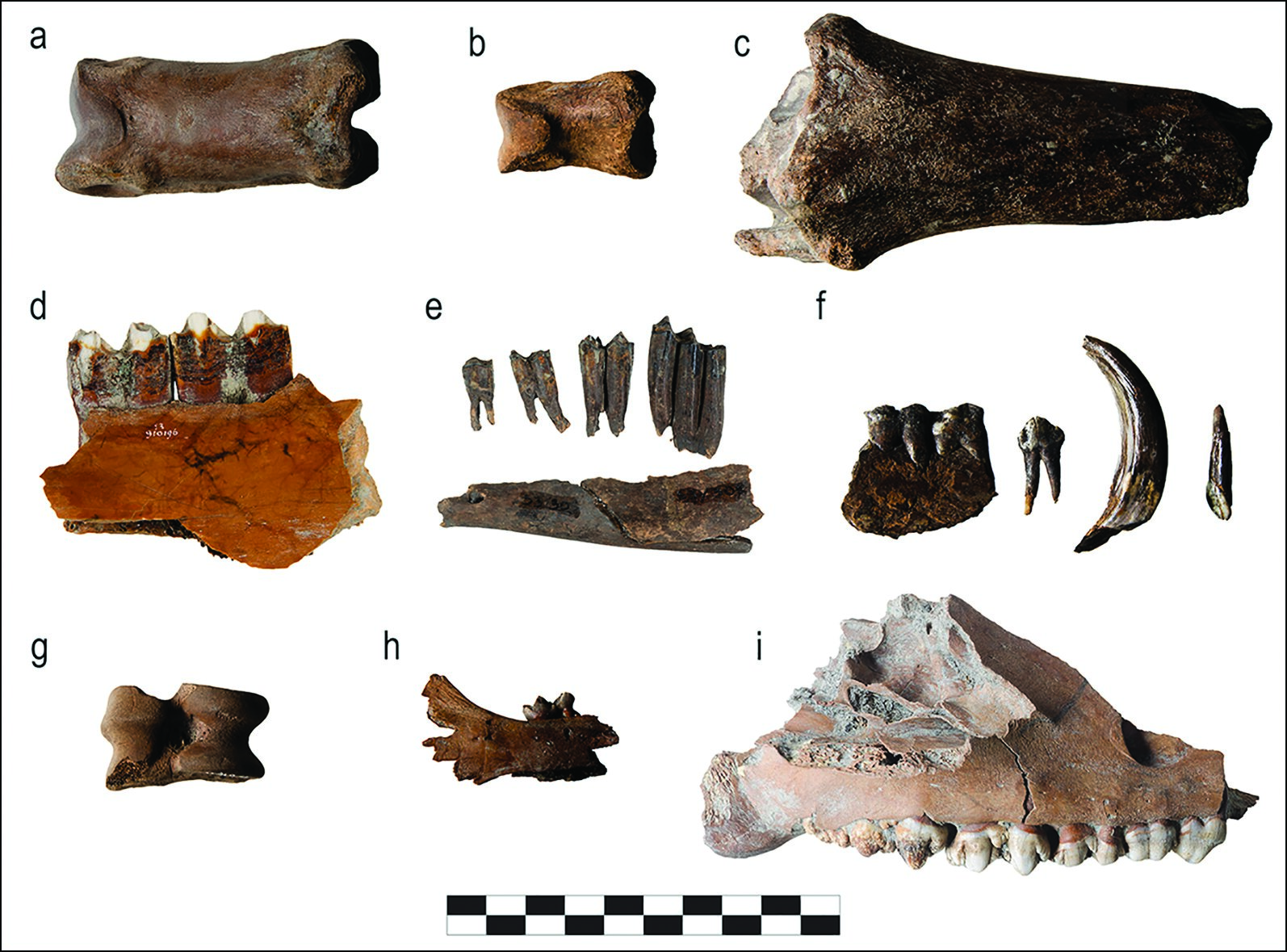
Archaeologists have discovered the earliest evidence of cattle herds in northern Europe at Swifterbant, Netherlands, dating back to 4240 BC. Using stable isotope analysis, they found that early farmers managed livestock in complex ways, with different herds grazing in forests or on manured fields and salt marshes, indicating advanced animal husbandry practices.

A 23-year-old passenger, Liam Jones, went missing from the MSC Euribia cruise ship in Northern Europe after reportedly sending a text to his wife about feeling seasick. MSC Cruises believes he intentionally went overboard, and the authorities have been informed and are investigating. The ship returned to Southampton, where police boarded to look into the incident for the coroner. Jones' wife, Sophia Mcphee, expressed devastation over the lack of information and fears she will never see him again.
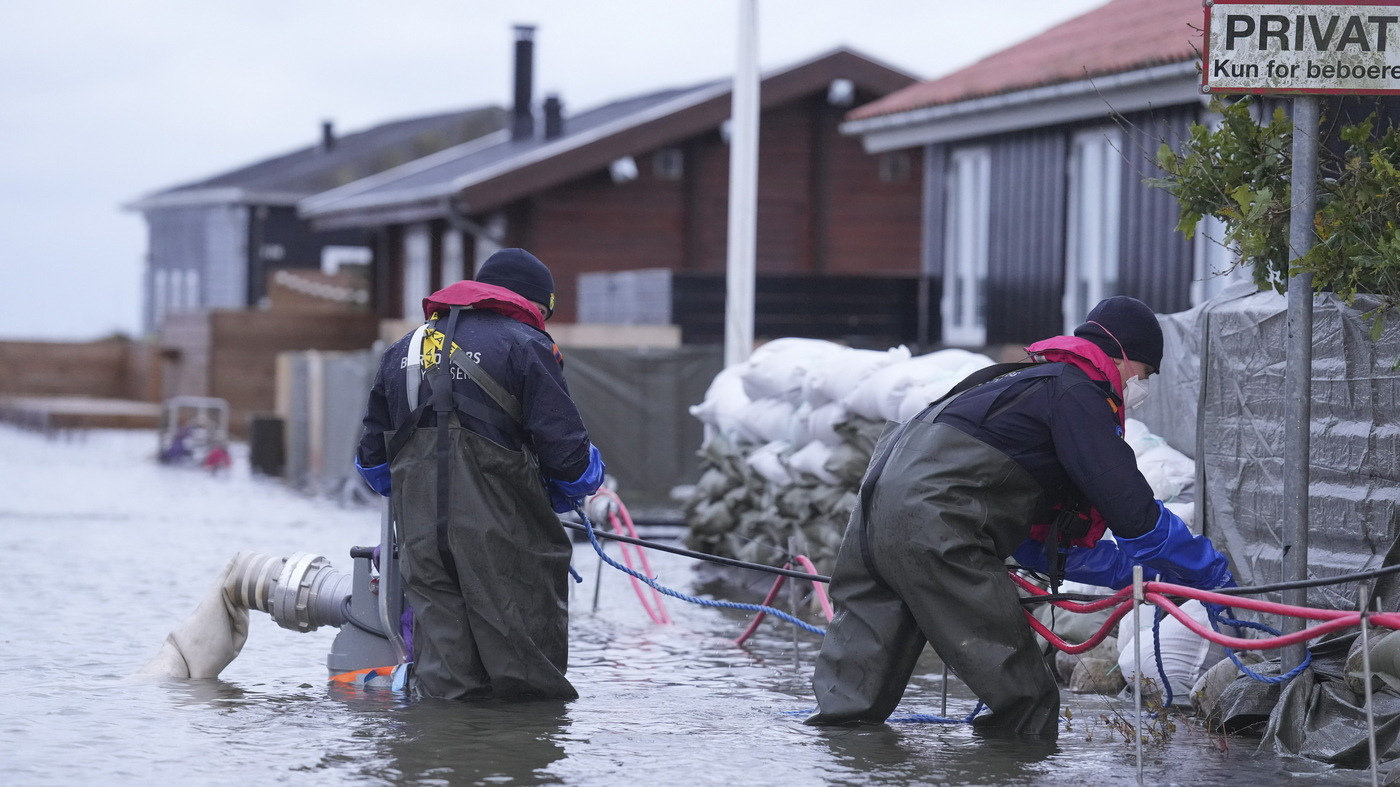
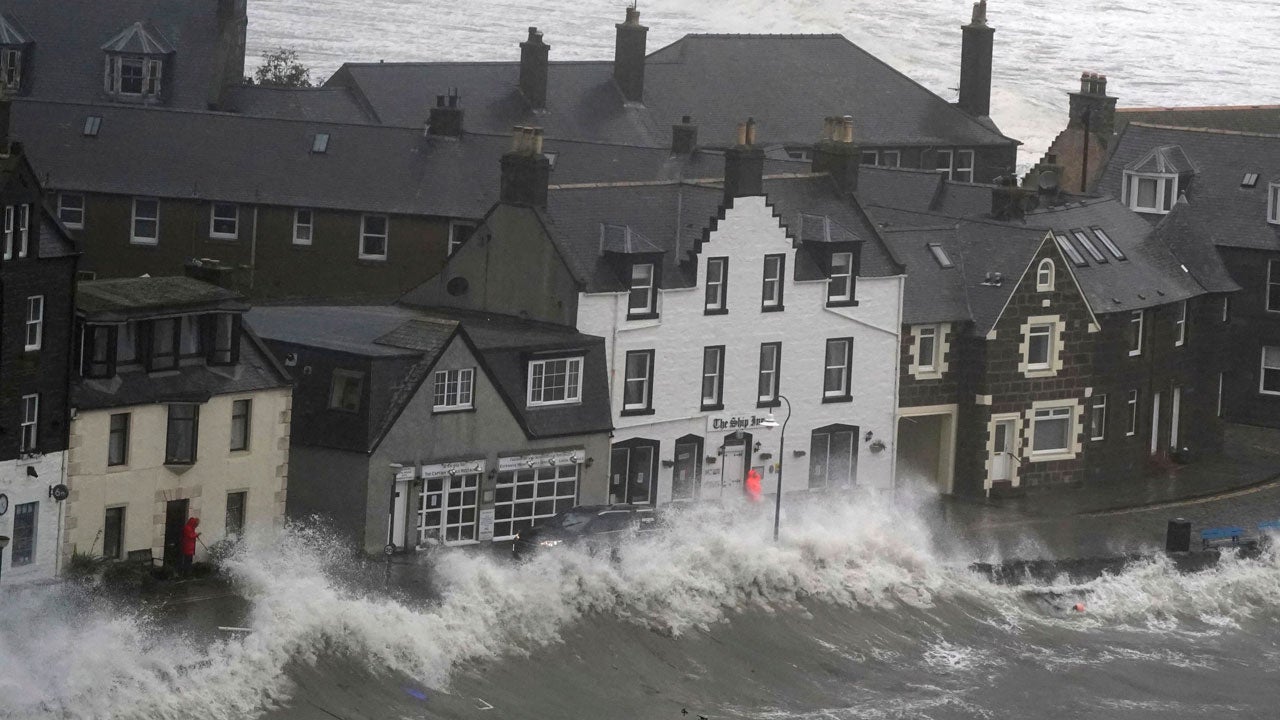
Gale-force winds and heavy rain have caused floods and disruptions across northern Europe, resulting in at least three deaths in the UK. The storm, named Babet, has affected regions in Denmark, Scotland, Sweden, Norway, and Germany. The worst-hit areas experienced strong winds, flooding, and breached flood defenses. Flight cancellations, road closures, and disruptions to rail and ferry services have been reported. Meteorologists have issued warnings for dangerous weather conditions and extensive flooding in several countries.
Gale-force winds and heavy rain continue to batter Northern Europe, causing floods and disruptions in several countries. Storm Babet, named by the UK's Met Office, is expected to hit Denmark, the British Isles, Sweden, Norway, and northern Germany. Eastern Scotland is particularly affected, with a "red" warning issued for the region. Three deaths have been reported in the UK due to the severe weather. River levels are rising, flood defenses have been breached, and transportation services have been disrupted. The storm has already brought a month's worth of rain to Scotland, and more rain is expected.
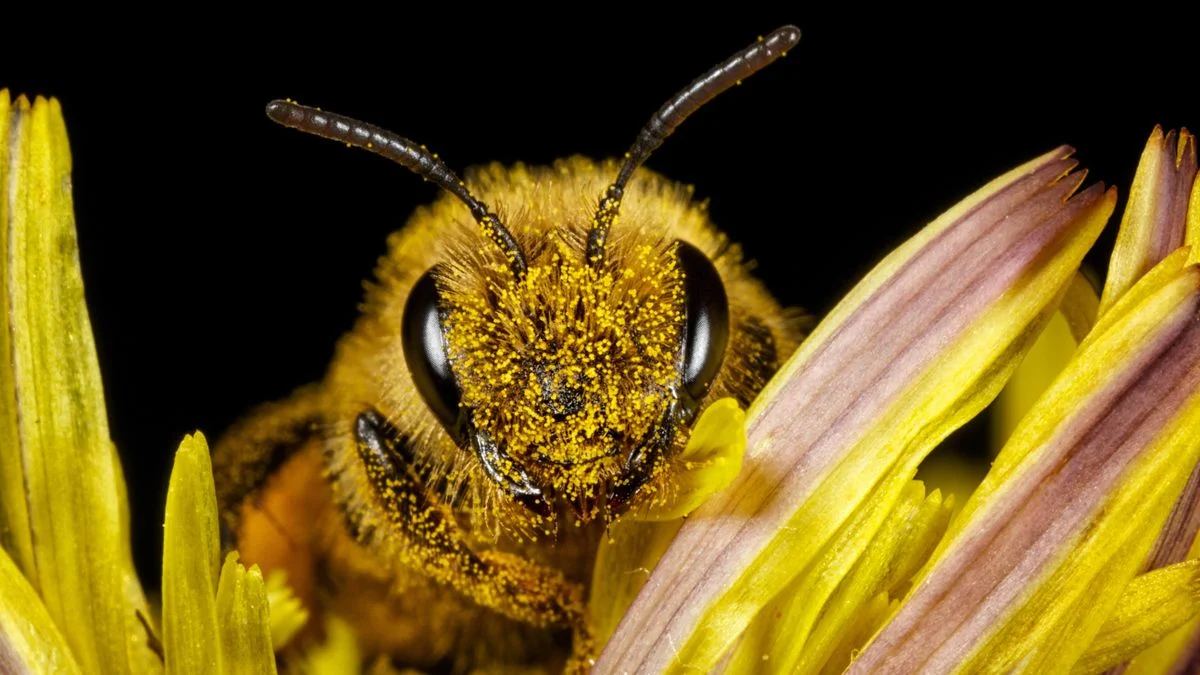
A new analysis of the DNA of 78 bees covering 22 subspecies of the western honey bee suggests that they originated in northern Europe around 780,000 years ago before spreading through southeast Europe into East Africa and Arabia roughly 660,000 years ago. The bees then headed south into sub-Saharan Africa around 192,000 years ago. The finding upends the traditional view of the bees' origins, which was that European honey bees evolved from Africa or Asia. However, some experts disagree with the conclusion, arguing that the bee originated in West Asia or North Africa.
Researchers have found that the genetic origins of "Viking disease," a condition that affects older Northern European men, can be traced back to Neanderthals. The disease, also known as Dupuytren's contracture, causes fingers to lock in a bent position and is significantly more common in men than women. The study identified 61 genetic risk factors for the disease, with three of the strongest risk factors inherited from Neanderthals. The findings provide further evidence of the consequences of intermingling between Neanderthals and modern humans.
Researchers have found a link between Neanderthal genetic material and Dupuytren’s disease, also known as Viking’s disease, a hand condition that can cause some of a person’s fingers to become permanently bent at an angle. Neanderthals living 40,000 to 50,000 years ago suffered from some form of this condition and passed this vulnerability on to humans living alongside them in Northern Europe. The name “Viking disease” comes from its predominance among descendants of the ancient Viking warriors who once ruled Scandinavia. Studies have shown that about two percent of the human genome is comprised of DNA sourced from distant Neanderthal ancestors, impacting human health and development.
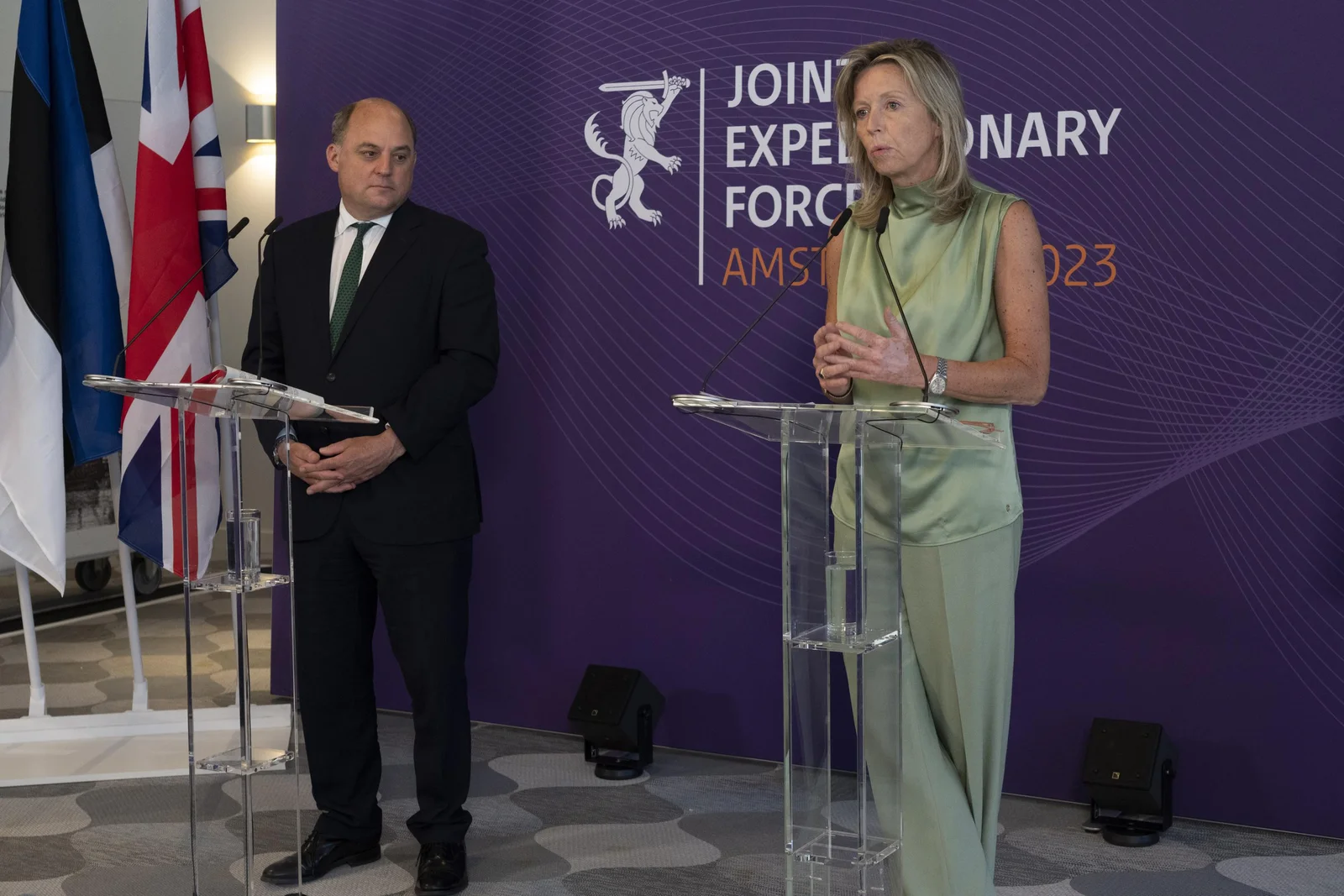
An alliance of northern European nations, including the British-led Joint Expeditionary Force, pledged to step up protection of critical undersea and offshore infrastructure in the face of shared challenges, including alleged Russian ships conducting mapping that indicated "preparations for possible disruption and, at worst, sabotage." The U.K. announced new air defense systems worth 92 million pounds ($116 million) would be bought for Ukraine in coming months "to bolster Ukraine's ability to protect its critical national infrastructure, civilian population, and front-line personnel." The Joint Expeditionary Force is made up of nine NATO nations and Sweden.