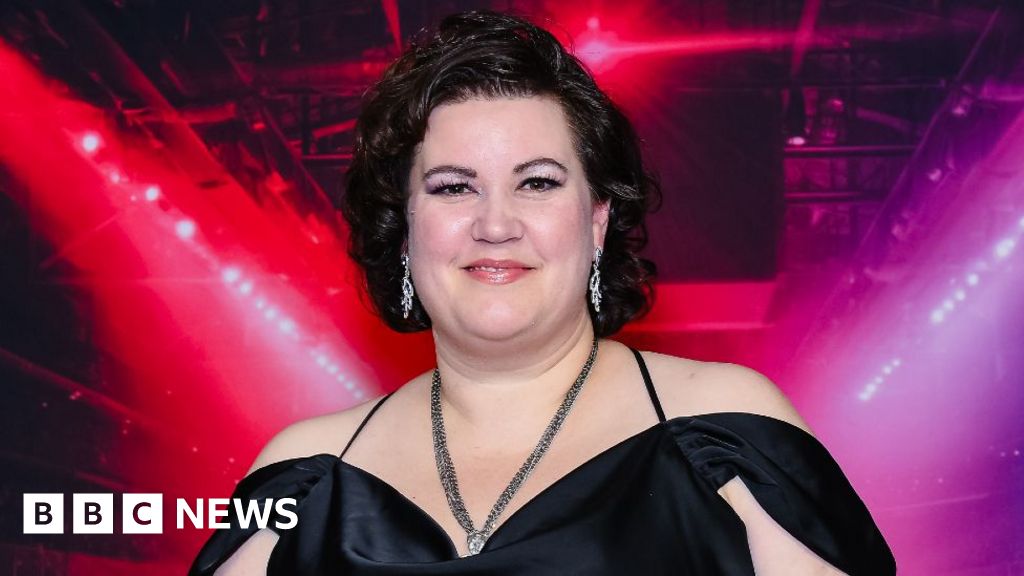
Rachel Reid, author of Heated Rivalry, revealed that the success of its TV adaptation has led to her receiving specialist help for her Parkinson's disease, including a crucial appointment with a neurologist that could improve her treatment and quality of life.

According to neurologist Dr. Elana Clar, a change in dietary preferences can be an early sign of Alzheimer's disease, with individuals forgetting their dietary habits or experiencing diminished taste buds. Alzheimer's can also impact mealtime by causing coordination difficulties, forgetfulness, or a loss of appetite. Dr. Clar recommends seeking help when basic activities of daily living become a challenge and suggests creating a system to optimize the quality of life for those with Alzheimer's.
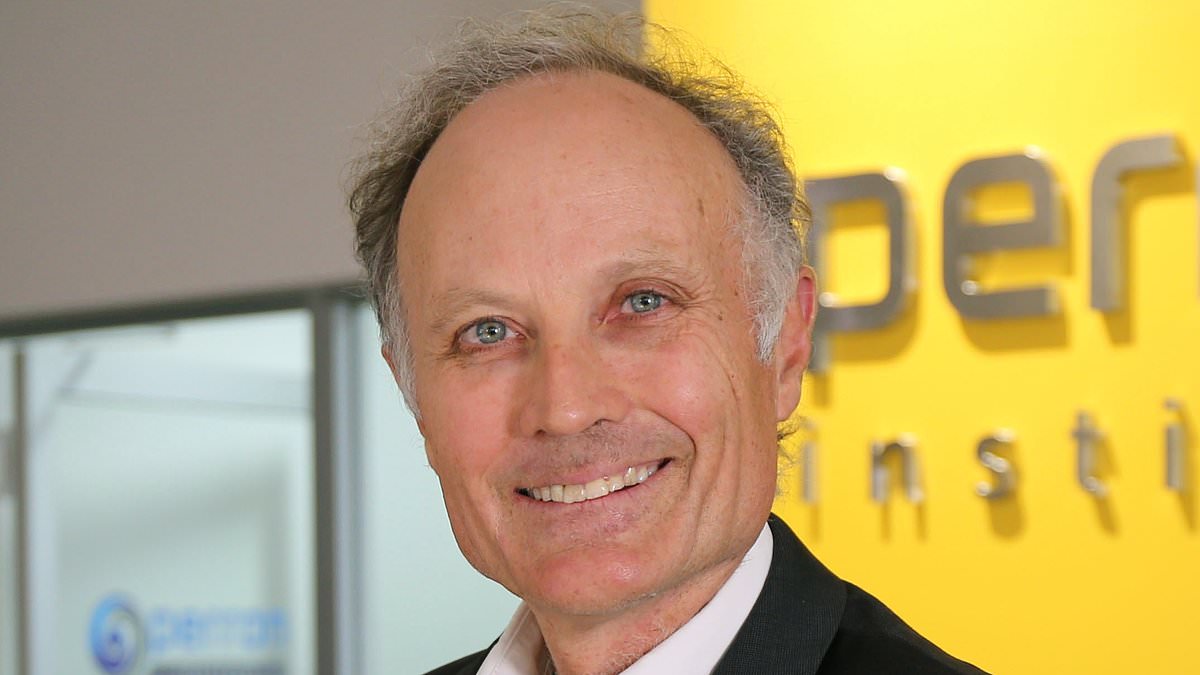
Dr. David Blacker, a neurologist from Perth, was diagnosed with Parkinson's disease in his forties despite leading a healthy and active lifestyle. He initially attributed his symptoms to exercise-induced issues but eventually noticed tremors and dexterity problems. Dr. Blacker emphasizes the importance of regular exercise and healthy lifestyle choices in managing Parkinson's symptoms. He advocates for dispelling the myth of a linear decline after diagnosis and encourages a positive outlook through exercise, medication, and a Mediterranean diet.
In honor of Brain Injury Awareness Month, a Jacksonville neurologist is debunking misconceptions about brain injuries, emphasizing that concussions are a form of brain injury and can occur in everyday activities like driving. With over five million Americans living with permanent brain injury-related disabilities, including veterans, the neurologist stresses the importance of preventive measures, such as avoiding combat sports, and living a healthy lifestyle to aid in recovery.
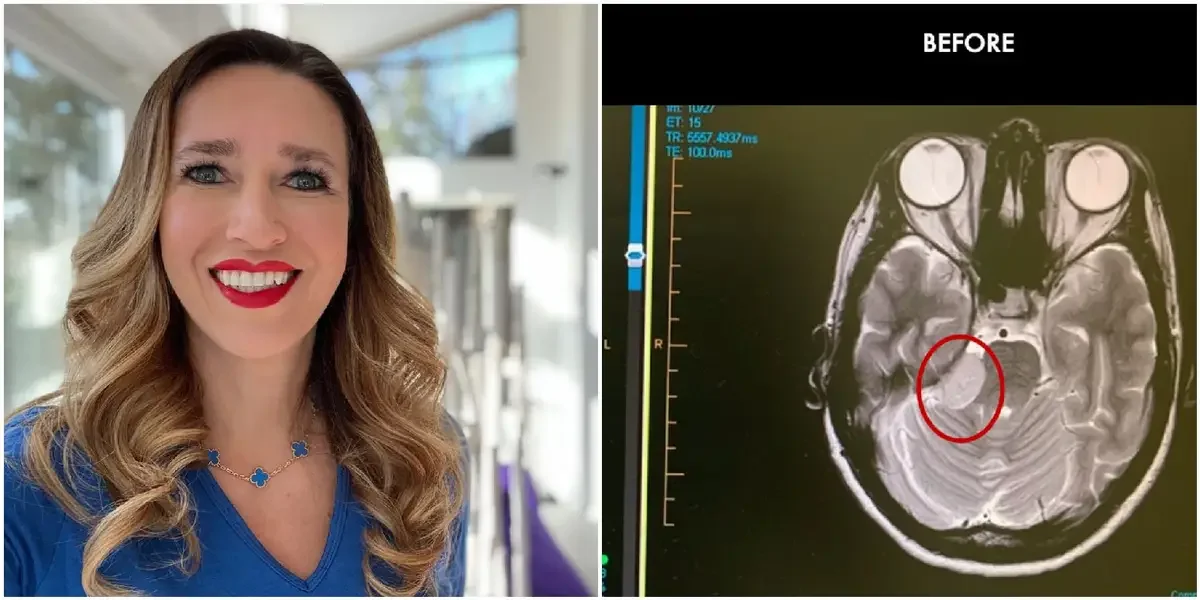
A woman's selfie taken near Times Square led to the diagnosis of a brain tumor after she noticed her drooping eye in the photo, prompting her to seek medical attention. Subsequent MRI scans revealed a benign meningioma and a more dangerous glioma, leading to 30 rounds of radiation and two surgeries. Despite cognitive issues and having to slow down her running, she now works at the cancer center where she was treated and remains healthy, though aware of the potential risks associated with her condition.
Dr. Gary Small, a neurologist and aging expert, suggests five key behaviors to adopt for a longer, healthier life: staying positive, engaging in regular physical activity, maintaining a healthy diet, managing stress, and taking care of chronic illnesses through medications and healthy lifestyle habits. These behaviors have been linked to lower risk for age-related illnesses, improved cognitive abilities, and increased life expectancy, regardless of genetic predispositions.
Neurologist Dr. Puja Aggarwal shared a viral TikTok video revealing the four activities she would never let her children do due to potential brain damage: playing American football, riding an ATV, jumping on a trampoline, and shooting a gun. She explained that these activities can lead to concussions, head injuries, and even chronic traumatic encephalopathy. Dr. Aggarwal emphasized the importance of protecting the brain and avoiding activities that could harm it.
A Missouri woman has filed a lawsuit against St. Luke's Health System and two neurologists, claiming they missed her multiple sclerosis (MS) diagnosis. The woman had been seeing a neurologist since 2007 for migraine headaches, but in 2012, she began experiencing new symptoms such as cognitive issues, vision changes, speech difficulties, and fatigue. Despite questioning her doctor and requesting further testing, she alleges that her concerns were dismissed. It wasn't until she sought a second opinion that she received a proper diagnosis of MS. The woman believes that the delay in diagnosis has caused her to lose valuable time for treatment and has significantly impacted her life. She hopes her experience will serve as a lesson for others and emphasizes the importance of seeking second opinions and sharing medical records.
Dr. Howard Tucker, a 101-year-old neurologist who still works full-time, shared his daily diet consisting mainly of fruits, vegetables, and fish. He starts his day with seasonal fruit, skips lunch to stay efficient at work, and has fish and vegetables for dinner, occasionally indulging in something sweet. Tucker attributes his longevity to genetics, maintaining an interest in the world, loving relationships, a youthful mindset, staying active, and having an "everything-in-moderation" attitude. His diet aligns with the Mediterranean diet, known for its health benefits.
Dr. Howard Tucker, a 101-year-old neurologist who still works full-time, shared his daily diet on a podcast. He mainly consumes fruits, vegetables, and fish, following an "everything-in-moderation" approach. Tucker stays active by running on a treadmill and attributes his longevity to maintaining an interest in the world, having loving relationships, and a youthful mindset. His typical dinner aligns with the Mediterranean diet, known for its health benefits.
A woman woke up with intense facial pain and was diagnosed with trigeminal neuralgia, but an MRI revealed a benign brain tumor that had been growing for 10 years. After consulting with several neurosurgeons, she underwent a successful nine-hour brain surgery to remove the tumor, but recovery was long and painful. The experience made her cherish time with her family and appreciate the importance of artificial-intelligence tools in analyzing complex scans.