Tag

Brain Monitoring

All articles tagged with #brain monitoring

health2 months ago

Cambridge 'swimming cap' offers hope for brain-injured infants

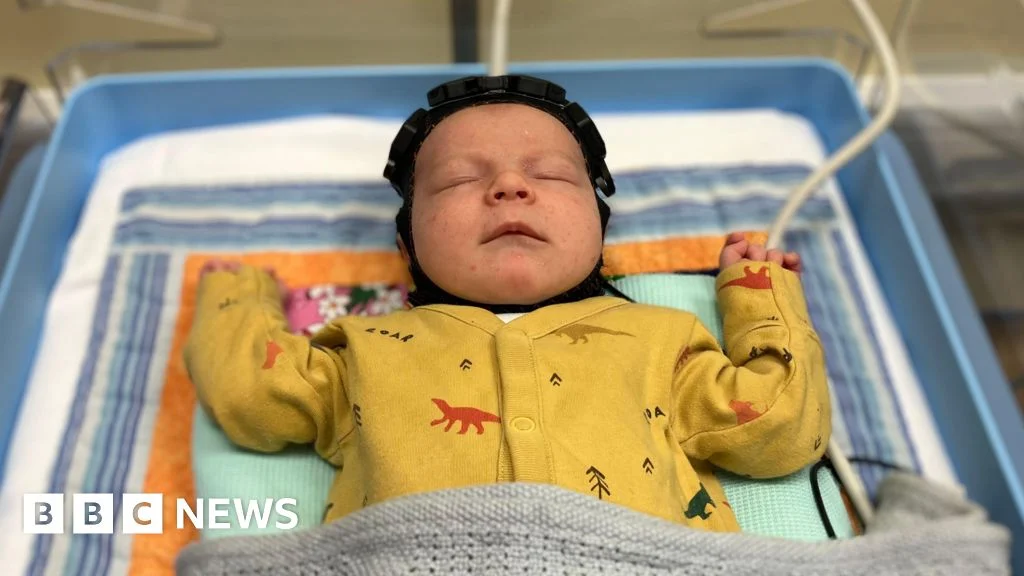
Researchers in Cambridge have developed a groundbreaking 'swimming cap' that uses light and ultrasound to monitor brain activity in newborns, potentially enabling earlier diagnosis and treatment of conditions like cerebral palsy and epilepsy. The portable device offers a less invasive, more frequent alternative to traditional scans, and could be available in UK hospitals within a decade, improving outcomes for at-risk infants.


technology5 months ago

Mind-Reading e-Tattoo Monitors Stress, Privacy Concerns Rise

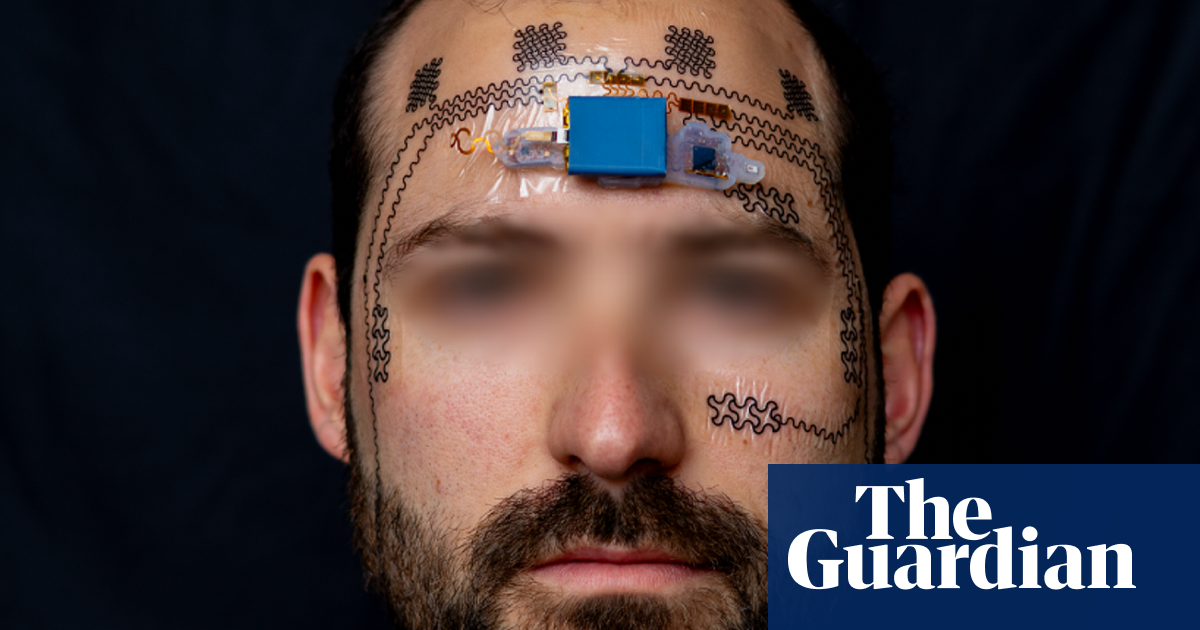
Researchers at the University of Texas at Austin have developed a noninvasive, ultra-thin e-tattoo that monitors brain activity in real time to predict mental fatigue, with potential applications in high-stakes professions. The device uses machine learning to analyze EEG signals and aims to provide timely interventions, though privacy and ethical considerations remain important. Its affordability and ease of use could democratize advanced brain monitoring technology.

science-and-technology1 year ago

Revolutionary Scalp Tattoos Transform Brain Monitoring Technology

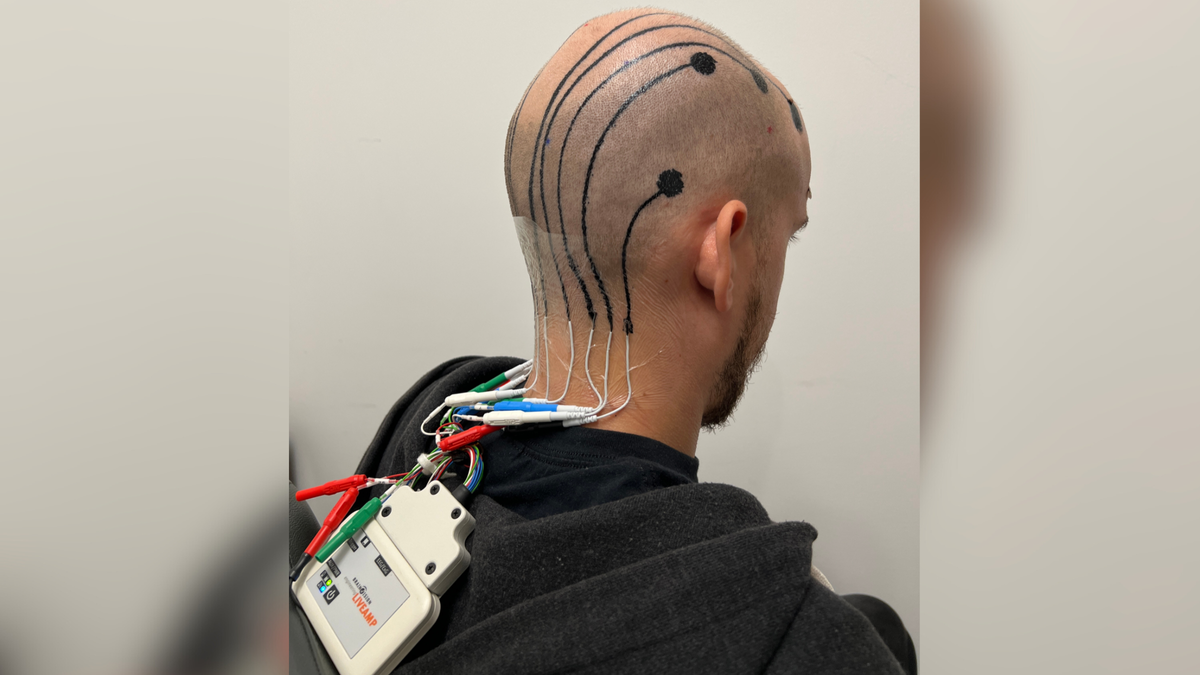
Researchers have developed electronic tattoos that can measure brain waves, offering a quicker and more convenient alternative to traditional EEG tests. These e-tattoos, made from conductive ink, are applied to the scalp and can detect brain activity as effectively as conventional electrodes. The technology, which is still being refined for automation and wireless data transmission, could simplify the process of diagnosing neurological conditions and potentially allow for overnight brain monitoring.

science-and-technology2 years ago

"Unlocking Cognitive Potential: The Power of Everyday Pleasures and Memory-Boosting Exercises"

A study conducted by NYU Tandon School of Engineering using MINDWATCH technology has found that everyday pleasures such as listening to music and drinking coffee can positively impact cognitive performance by altering brain arousal levels. The study utilized skin-monitoring wristbands and brain-monitoring headbands to measure brain activity while subjects completed cognitive tests. The algorithm revealed that music and coffee increased brain arousal, leading to improved performance in working memory tasks. The research aims to develop personal cognitive arousal monitoring tools that can help individuals manage stress and enhance cognitive function.