A comprehensive systematic analysis for the Global Burden of Disease Study 2023 examines 292 causes of death across 204 countries and territories from 1990 to 2023, highlighting the global health challenges and disease burden worldwide.
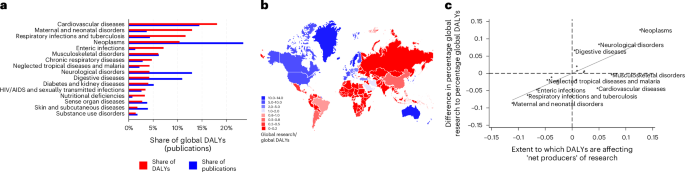
This study analyzes the global mismatch between health research efforts and disease burden over two decades, revealing persistent disparities, especially in low- and middle-income countries, and warns that potential US funding cuts could significantly worsen this divergence, undermining progress in addressing global health challenges.
A CDC-led study estimates that US valley fever cases in 2019 were 10 to 18 times higher than reported, with 273,000 symptomatic cases, highlighting the need for improved awareness, testing, and reporting to better understand and manage the disease.
A new study published in The Lancet predicts a significant increase in global life expectancy by 2050, driven by effective public health strategies and a shift from communicable to non-communicable diseases. The study forecasts a rise of 4.9 years for males and 4.2 years for females, with the largest gains in countries with currently lower life expectancies. Despite longer lives, more years will be spent in poor health due to non-communicable diseases and associated risk factors like obesity and high blood pressure. The study emphasizes the need for policy interventions to mitigate these risks and reduce health disparities.
A World Health Organization report reveals that viral hepatitis is the second-leading cause of death among non-COVID communicable diseases worldwide, with deaths on the rise and progress in fighting the disease stalling. The report highlights the burden of viral hepatitis in 187 countries and emphasizes the need to address disparities in primary care, medication availability, testing, and vaccination. Despite global progress in preventing hepatitis infections, deaths are increasing due to insufficient diagnosis and treatment, but the WHO suggests that expanding equitable access to hepatitis interventions could help eliminate the disease by 2030.
A major analysis led by the US-based Institute for Health Metrics and Evaluation revealed that conditions affecting the nervous system, including strokes, migraines, and dementia, have surpassed heart disease as the leading cause of ill health worldwide. More than 3.4 billion people, or 43% of the global population, experienced a neurological condition in 2021, with cases soaring by 59% in the last three decades. The study emphasized the need for prevention, treatment, and rehabilitation of these disorders, which disproportionately affect poorer countries.
A major analysis led by the Institute for Health Metrics and Evaluation revealed that nervous system disorders, including strokes, migraines, and dementia, have surpassed heart disease as the leading cause of ill health worldwide, affecting over 3.4 billion people in 2021. The surge in these conditions, attributed to an aging and growing population, resulted in over 443 million years of healthy life lost globally. While cardiovascular disease remains the leading cause of death, the study emphasizes the urgent need for prevention, treatment, and rehabilitation efforts to address the growing burden of neurological disorders, particularly in poorer countries.
Chronic pain affects more US adults than other common long-term conditions like diabetes, depression, and high blood pressure, according to a new study. The research emphasizes the high disease burden of chronic pain in the US adult population and the need for early management of pain. The study looked at data on more than 10,000 participants in the National Health Interview Survey and found that almost two-thirds of participants who reported chronic pain in 2019 still had it a year later. However, more than 10% of people with chronic pain in 2019 were pain-free in 2020.