A study suggests that the Alzheimer's drug ALZ-801, a pill taken at home, may slow cognitive decline and brain atrophy in high-risk individuals, especially those with mild memory problems and the APOE4 gene, offering a potentially safer alternative to existing treatments.

A small clinical trial suggests that the diabetes drug empagliflozin and an insulin nasal spray may help improve brain health and cognitive function in early Alzheimer's disease, with further research needed to confirm their effectiveness.
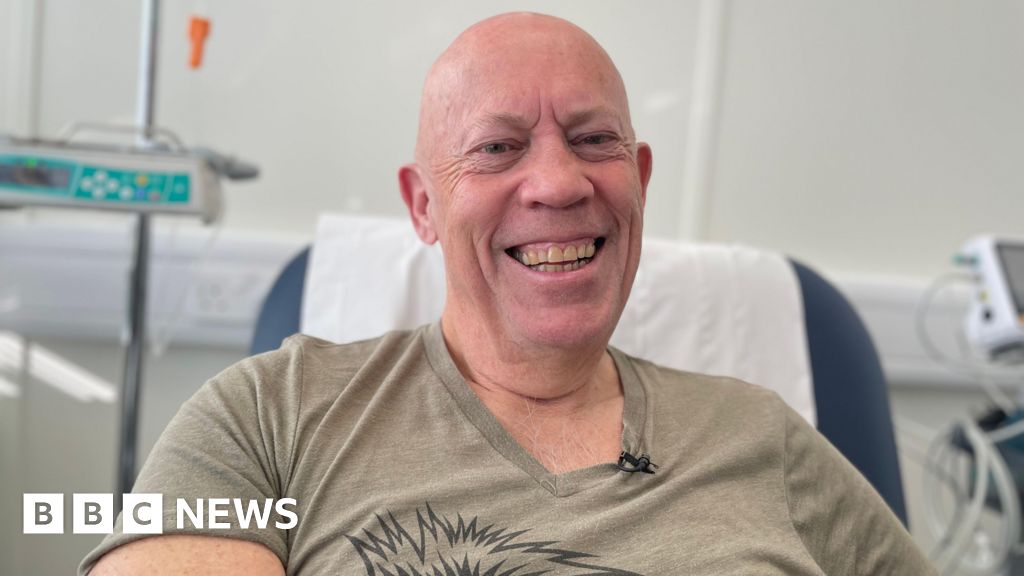
A new early-stage Alzheimer's drug trial has begun in Scotland, offering hope to patients and highlighting the need for improved research infrastructure and funding to advance dementia treatments.
A man with a family history of ALS undergoes testing at a Columbia University clinic, raising hope that a new drug might prevent or treat the disease, which has historically had limited treatment options.
A UK-wide trial has demonstrated a chemotherapy-free, targeted drug approach for treating chronic lymphocytic leukaemia (CLL), showing improved survival rates and fewer side effects, marking a significant milestone in personalized cancer therapy.
Metsera's experimental drug targeting the amylin hormone showed promising results in early clinical trials, indicating potential for longer-lasting weight loss effects compared to existing weekly injections, highlighting a significant development in obesity treatment.
Regeneron Pharmaceuticals' stock dropped 17% after its late-stage trials for the COPD drug itepekimab only partially met goals, with one study showing some benefit and the other failing to meet primary endpoints, leading to concerns about the drug's future and impacting investor sentiment.
An early-stage trial of an experimental drug, VERVE 102, shows it can reduce bad cholesterol (LDL) by up to 69% with a single injection, potentially offering a lifelong treatment for cardiovascular risk factors. The drug, developed by Verve Therapeutics, uses gene editing to permanently turn off the PCSK9 gene, and has shown promising safety and efficacy results in a small group, prompting larger trials. Experts see this as a significant advancement in cholesterol management, especially for patients who are statin intolerant or have genetic dyslipidemias.
A clinical trial for a controversial Alzheimer's drug has been halted due to disappointing results, raising concerns about its efficacy and future in the pharmaceutical market.
Amylyx, the maker of the ALS drug Relyvrio, is pulling the drug from the market and laying off 70% of its workforce after a large clinical trial showed the drug did not help patients. The drug, approved by the FDA in September 2022, failed to meet its goals in a 48-week trial involving 664 patients, leading to its withdrawal from the market. Patients already taking the medication can continue through a free drug program, but it is no longer available to new patients. Amylyx is now focusing on other drug candidates for neurodegenerative diseases and will lay off most of its employees.
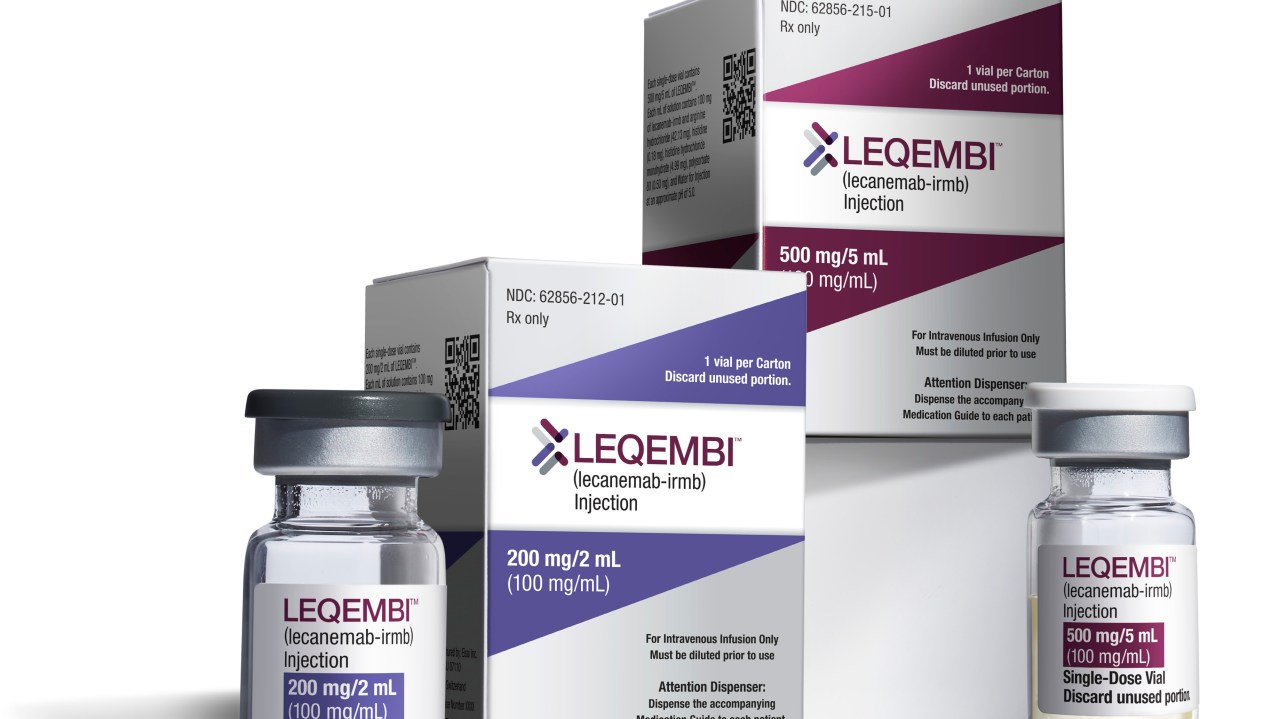
Ohio State University researchers are conducting a drug trial for Lecanemab, a drug that slows the progression of Alzheimer's symptoms, to see if it can prevent the disease from developing in high-risk individuals. NBC4 Anchor Colleen Marshall, at high risk due to her family history, volunteered for the study but did not qualify due to low amyloid levels. The drug is currently approved for those with mild Alzheimer's, and researchers are exploring its potential for high-risk individuals before symptoms appear.
A woman shares her personal experience with breast cancer in her family and her decision to participate in a drug trial for anastrozole, a drug now used for the prevention of breast cancer in women with a family history of the disease. She describes the side effects she experienced during the trial, including menopausal symptoms, and the relief she felt upon completing the trial. Despite potential consequences, she is glad she took part in the trial as it provided her with peace of mind and contributed to research that will help other women in need of the drug.
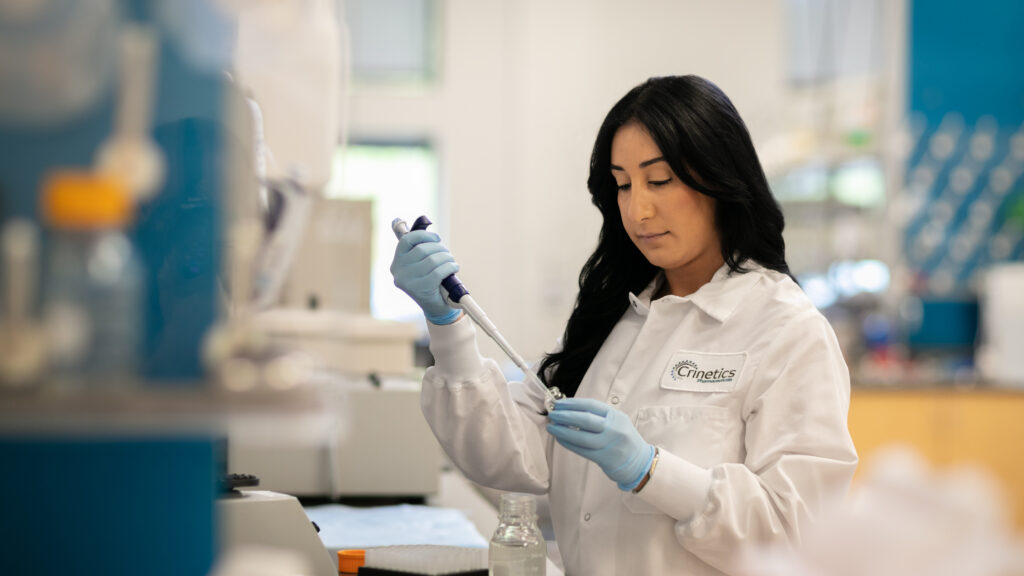
Crinetics Pharmaceuticals' experimental drug for acromegaly, a rare hormonal disorder, has shown success in a late-stage trial, with 25 out of 30 patients given the drug achieving normal growth-factor levels compared to just 1 out of 28 participants who took the placebo. The company plans to file for FDA approval pending positive results from a second Phase 3 trial. However, if approved, Crinetics would face tough competition from existing blockbuster therapies sold by pharmaceutical giants in the crowded market.
Swiss pharmaceutical company Roche inadvertently published positive interim trial data on its lung cancer drug, tiragolumab, which showed a 19% lower mortality rate for patients on the drug compared to those without it. While the data is not yet statistically significant, researchers will continue to gather trial data, with more solid survival results expected to be published in early 2024. The disclosure boosted Roche's shares by 5% and also led to an increase in the shares of other companies testing anti-TIGIT drugs.
An experimental drug called AEF-0117 has shown positive results in reducing the addictive impact of THC on the brain in a small trial of 29 adult men and women diagnosed with cannabis-use disorder. The drug was said to reduce the "good effects" weed had on some participants in the trial by 38%. Currently, there is no FDA-approved medication on the market to treat cannabis-use disorder. A larger study of 300 patients will be conducted to back up the small trial's success. Cannabis addiction is prevalent particularly among younger consumers.