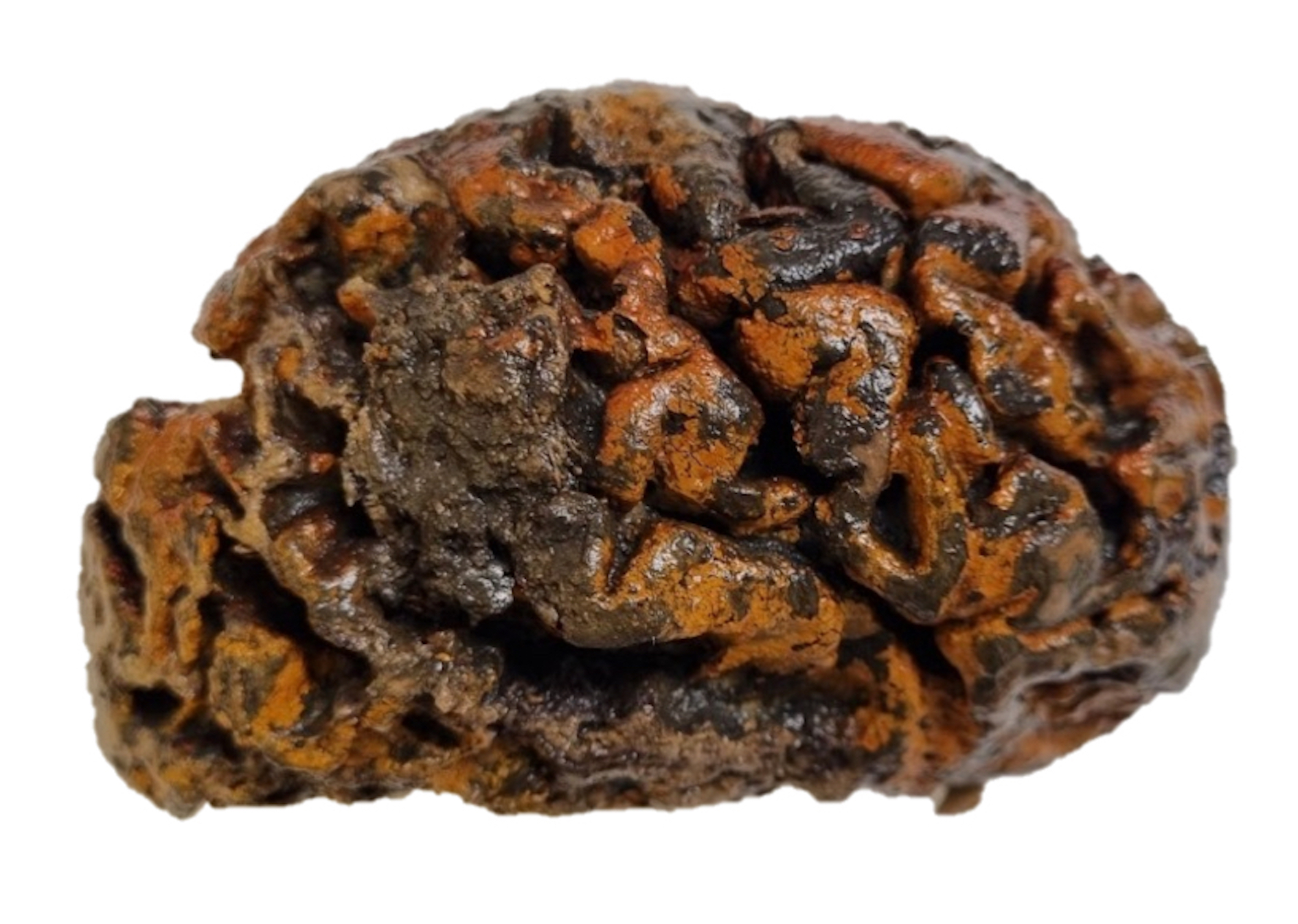
A global archive of over 4,400 preserved human brains, some dating back 12,000 years, has provided groundbreaking insight into soft tissue preservation, challenging the perception that naturally preserved brains are extremely rare. The brains, originating from various environments worldwide, were found to have been preserved through mechanisms such as dehydration, freezing, saponification, and tanning. This research could offer valuable information on human evolution, ancient health, and diseases, including neurodegenerative conditions like Alzheimer's. The study highlights the need for excavating archaeologists to remain open to unexpected discoveries and emphasizes the scientific value of studying these preserved human remains.
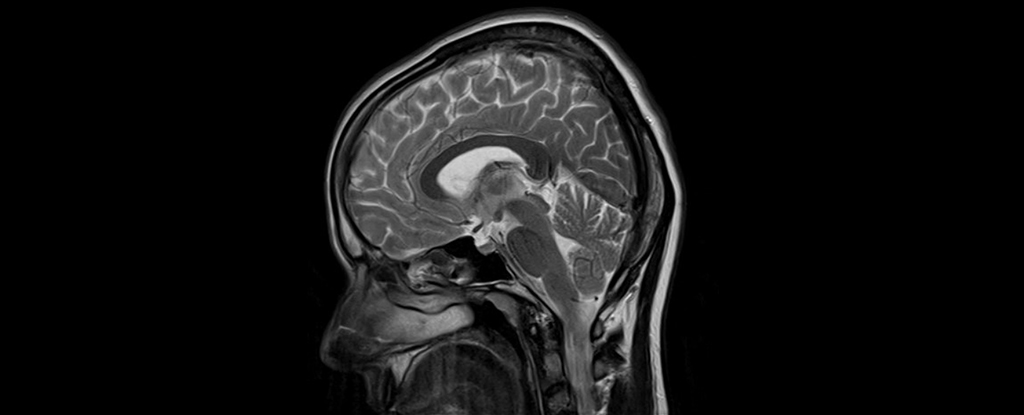
A recent study published in Neurology has found that shrinkage in the hippocampus, a small area of the brain responsible for learning and memory, is associated with cognitive decline regardless of the presence of amyloid beta and tau proteins, which are typically linked to Alzheimer's disease. The study suggests that measuring hippocampal volume could be a useful biomarker for diagnosing other conditions that affect cognitive decline and determining the effectiveness of drugs targeting Alzheimer's disease. Lifestyle habits, such as diet and physical activity, can also impact hippocampal volume and brain health. Further research is needed to understand the various triggers of cognitive decline and develop tests and treatments targeting different factors.
A 62-year-old man in the US has died from a deadly brain disease linked to Covid-19, according to a case report. The man exhibited rapidly progressive dementia, difficulty walking, and myoclonus. He tested positive for Covid-19 upon admission to the hospital. The doctors diagnosed him with probable Prion disease based on protein detection in his cerebral spinal fluid and his clinical symptoms. The patient's condition rapidly deteriorated, leading to his death. While there is no definitive evidence of a correlation between Covid-19 and neurodegenerative conditions like Prion disease, future studies may be needed to establish this connection.
Researchers at the University of Copenhagen have identified a group of cells in the brainstem called the pedunculopontine nucleus (PPN) that are responsible for a "freeze frame" effect, where the body enters a state of suspended animation. This discovery could help understand the progression of symptoms in neurodegenerative conditions like Parkinson's disease and potentially lead to better therapies. The PPN's malfunctioning may be linked to the slowed or arrested movements seen in individuals with Parkinson's.
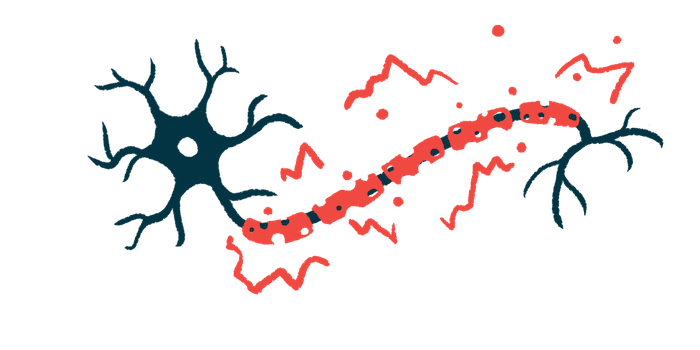
Increased activation of microglia, the resident immune cells in the brain that contribute to chronic inflammation in multiple sclerosis (MS), is significantly associated with higher levels of neurofilament light chain (NfL) protein, indicating more nerve damage, a study found. The study provides evidence that activated microglia in MS can “contribute to neuroaxonal [nerve fiber] damage resulting in release of neurofilament light (NfL),” and highlights the role of active brain lesions in promoting nerve damage.
Herantis Pharma has dosed the first healthy volunteer in a Phase 1a clinical trial of HER-096, a treatment candidate for Parkinson's disease. The trial will evaluate the safety and efficacy of HER-096, which is designed to retain the biological activity of cerebral dopamine neurotrophic factor (CDNF), a protein with neuroprotective properties. The company expects to obtain topline data by the end of the year.