Yoshua Bengio, a pioneer in AI and machine learning, has become the first researcher to be cited over one million times on Google Scholar, highlighting his influential work on neural networks and the rapid growth of AI technology.
The UK High Court warns lawyers about the risks of using AI-generated citations, emphasizing the need for verification and caution, as misuse could lead to severe penalties, including sanctions or referral to authorities.
A study by the Tow Center for Digital Journalism reveals that ChatGPT often inaccurately cites sources, posing challenges for publishers who have licensing deals with OpenAI. The research found that ChatGPT frequently misrepresents or invents information, regardless of whether publishers allow OpenAI to crawl their content. This inconsistency in citations raises concerns about the reliability of ChatGPT's sourcing and the potential reputational risks for publishers. The study suggests that OpenAI's technology treats journalism as decontextualized content, leading to unreliable and varied responses.
A new study using machine learning reveals that foundational scientific papers often receive "hidden citations," where their concepts are widely used but not explicitly cited. This skews the perceived impact of these papers, suggesting that traditional citation counts may not fully capture their true influence. The study found that accounting for hidden citations can significantly alter the ranking of influential papers and authors, highlighting the need for more accurate bibliometric measures.
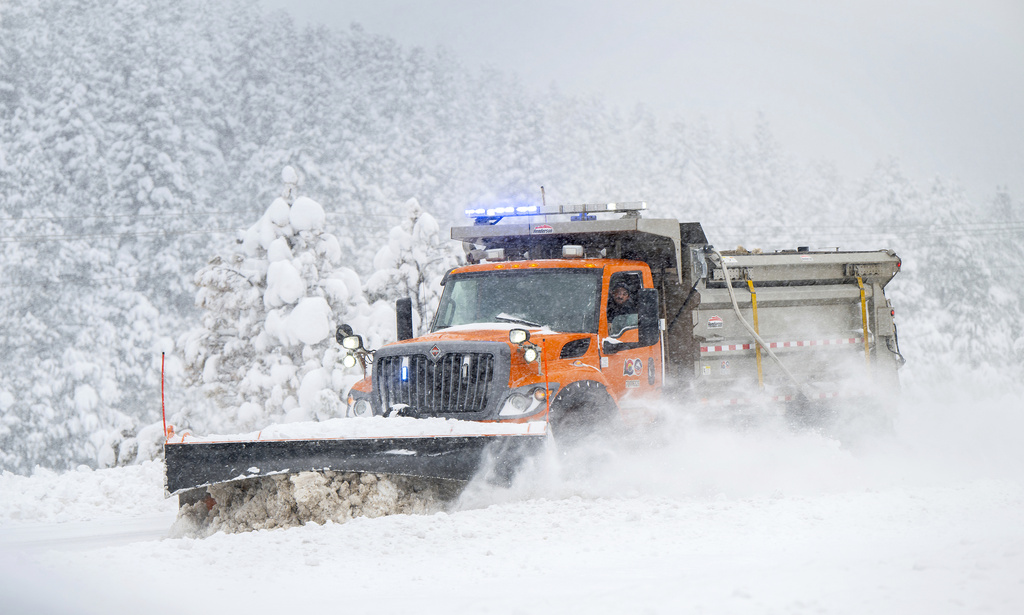
Colorado State Patrol issued 12 citations to truck drivers who did not use chains on Interstate 70 during a massive winter storm, leading to gridlock and road closures. The storm caused significant disruptions, with a 90-mile stretch of I-70 reopening to commercial vehicles at 9 a.m. Friday. Additionally, several mountain roads and ski areas remained closed due to unsafe driving conditions and avalanche danger, with one ski resort reporting the biggest snow event it’s seen in decades.
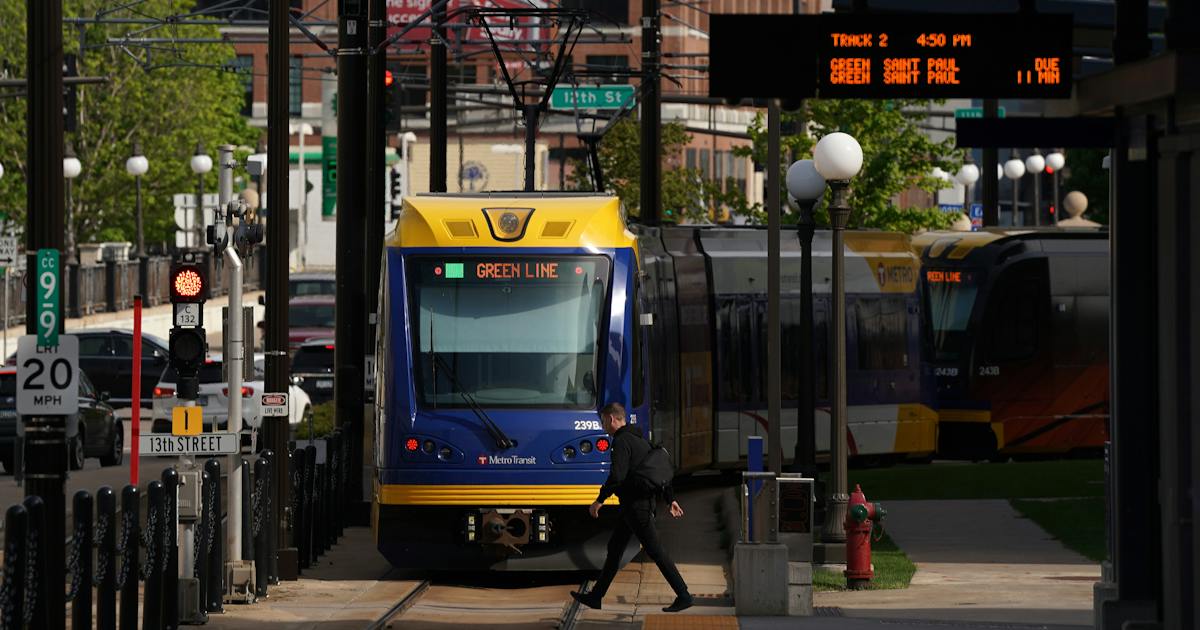
Metro Transit in the Twin Cities is launching a new fare enforcement program called the Transit Rider Investment Program (TRIP), which will involve nonpolice community service officers checking for proof of payment on light-rail lines. Fare evaders will be issued noncriminal citations. Previously, police could only issue misdemeanor citations, but those have been rare in recent years. The new program aims to address frustration over fare evasion and improve fare collection for Metro Transit.
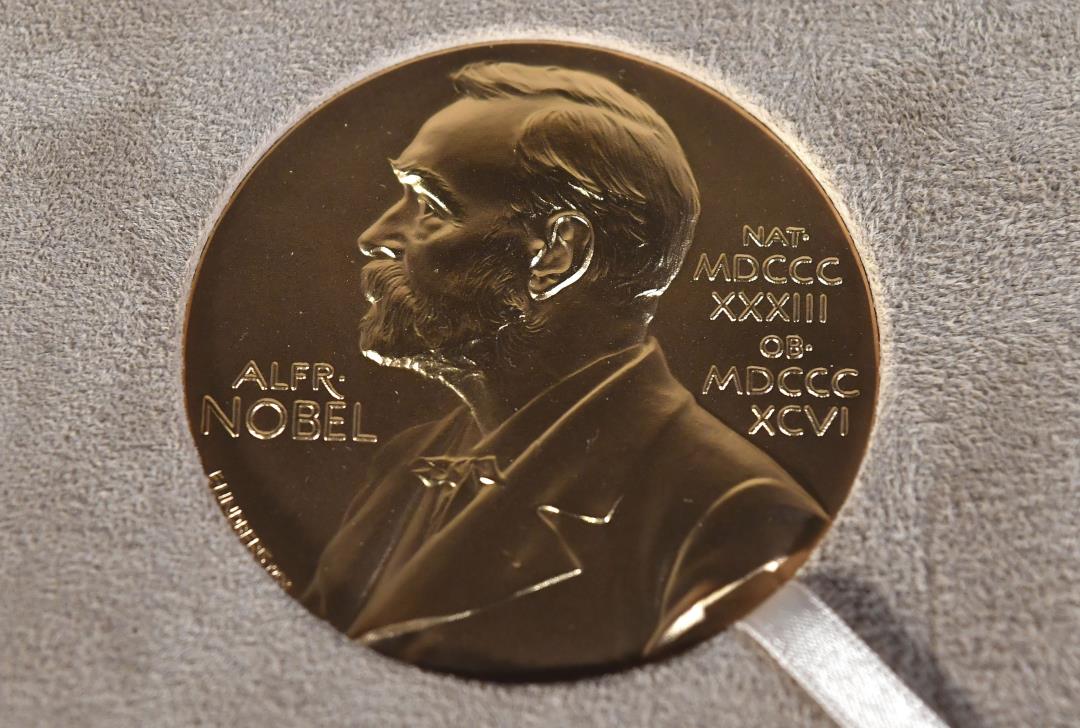
A new study suggests that winning a Nobel Prize or a MacArthur Fellowship does not necessarily enhance the productivity or impact of scientists in their field. The study found that Nobel laureates published about the same number of papers after receiving the award, but those papers had fewer citations compared to their pre-award work. MacArthur fellows published slightly more, but their citations remained the same. Age also seemed to have an effect, with winners aged 42 or older experiencing a drop in both publications and citations. The study suggests a need to reassess the purposes, criteria, and impacts of research awards to improve the scientific enterprise.
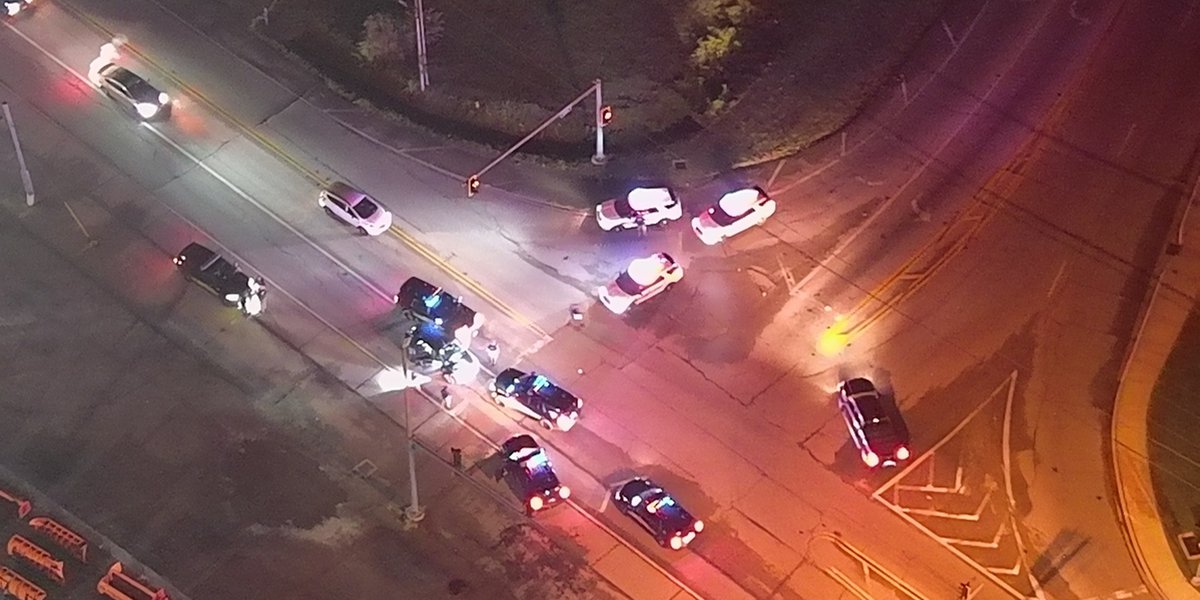
The Peoria County Sheriff's Office conducted a detail in West Peoria to combat vehicle burglaries and car thefts, resulting in 6 arrests, 10 citations, and 55 vehicles stopped. The sheriff's office also used drones to monitor high-risk traffic stops after several vehicles fled from deputies.
Despite the Edwards Aquifer reaching its lowest level in nearly a decade, San Antonio Water System (SAWS) customers will not face stricter watering rules but can expect citations for violations. SAWS officials stated that customers can still follow the current Stage 2 rules, which limit watering to once a week based on assigned days. Increased patrol and ticket citations will be implemented in areas where water levels drop beyond normal demand. First-time offenders may receive citations with fines of up to $150. SAWS is able to meet the cutback requirement through conservation and non-Edwards water sources without passing them on to customers.
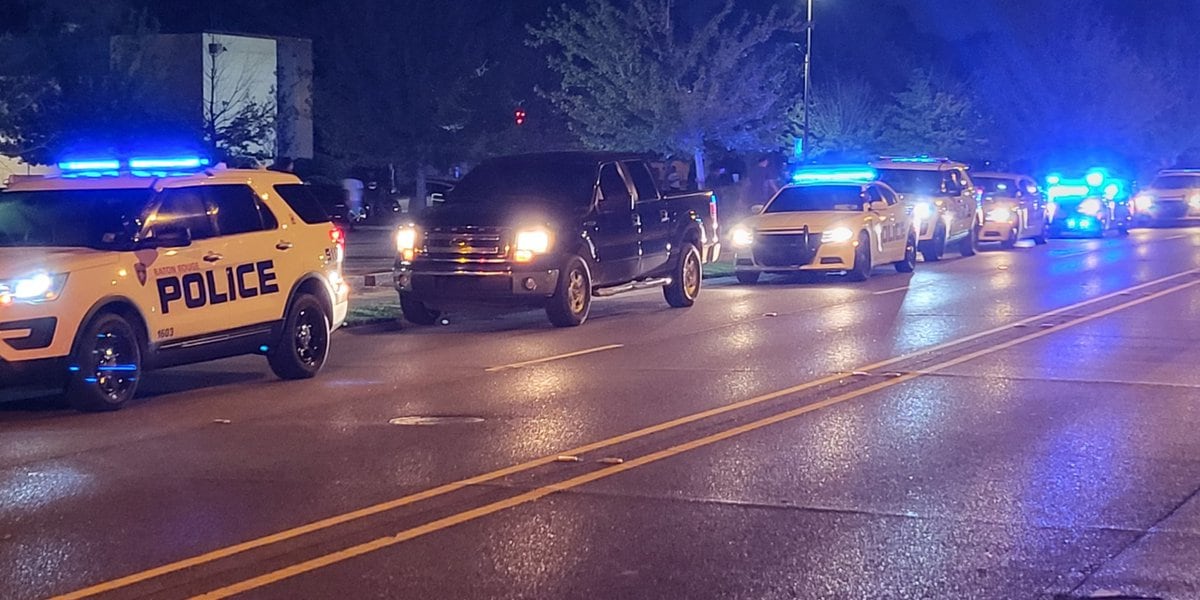
A street racing operation in Baton Rouge led to the towing of 26 vehicles, dozens of citations issued, and one arrest. Law enforcement agencies responded to reports of people blocking streets to perform car stunts and disrupt traffic. The operation lasted from 7 p.m. to 3 a.m., with the Baton Rouge Police Department towing vehicles, issuing citations for various offenses, and seizing a gun. This is part of ongoing efforts by the police to deter car stunts in the area.
Complaints to local police departments increased over the holiday weekend due to fireworks being set off in city limits, with Cedar Rapids receiving the most citations. Only certain types of fireworks are legal in Cedar Rapids, and the maximum fine for a violation is $625. Additionally, Cedar Rapids parks are dealing with litter issues caused by fireworks, with multiple noise complaints and trash problems reported.
For the second year in a row, Oakland police did not issue any citations for illegal fireworks on the Fourth of July, despite numerous complaints from residents. The police department cited resource allocation towards addressing other crimes as the reason for the lack of enforcement. However, the Oakland Interim Fire Chief reported a lighter night than expected, with only two small grass fires caused by fireworks. The police department acknowledged the challenge of enforcing all laws in a city of over 400,000 people and emphasized the need for better public safety measures.
A county-wide "Wolf Pack" operation in Pinellas County, Florida resulted in 30 DUI arrests, 190 citations, and various other charges including felony drug arrests and driving with a suspended license. The operation, conducted by multiple law enforcement agencies, lasted from Saturday evening to Sunday morning ahead of the July 4 holiday weekend. The Pinellas County Sheriff's Office will also be conducting saturation patrols on highly traveled roads in the county.
Google Bard now shows citations with a number by the line of text that links to the source when clicked, similar to Bing Chat. Google also improved Bard's summarization capabilities by incorporating advances in their large language models. However, some users have noted that citations are still weak and not appearing for many queries.
Google Bard has added genuine citations to its responses, with numbers next to the answers that can be clicked to see the source. The search engine has also improved its large language models to provide better summarizations for answers. These updates aim to address concerns around citations and links to sources, and improve the overall web ecosystem.