Tag

Face Recognition

All articles tagged with #face recognition

technology9 days ago

SwitchBot and Global Firms Advance Home Automation and Robotics

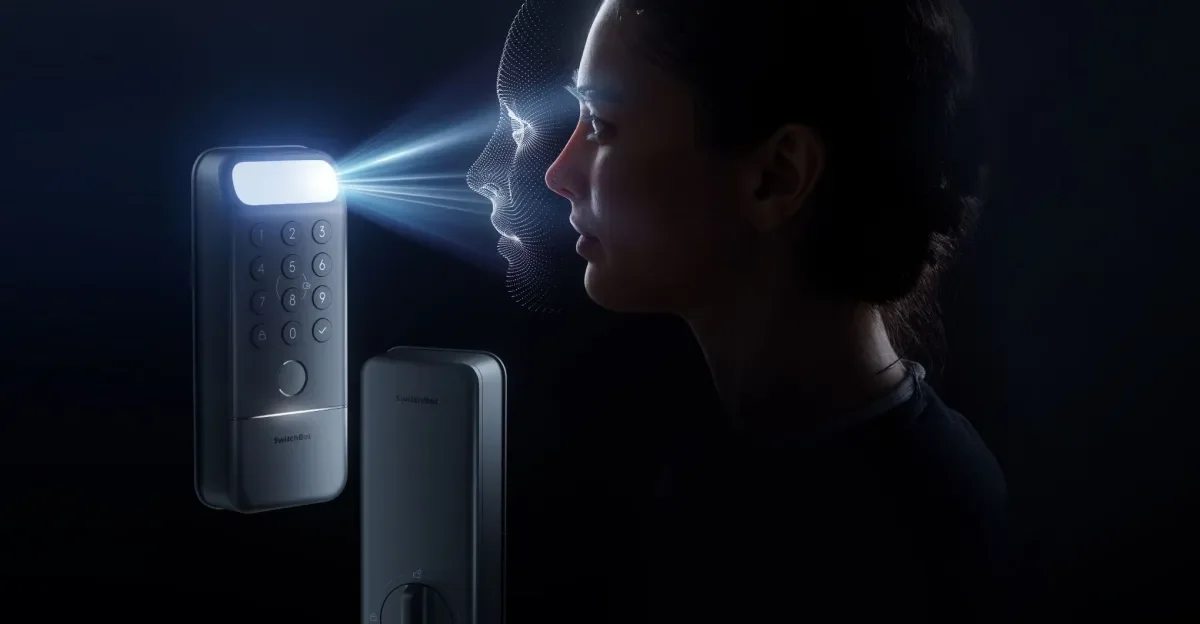
SwitchBot has announced the Lock Vision series, a smart deadbolt lock that uses 3D facial recognition for near-instant unlocking, supports Matter-over-Wi-Fi, and replaces traditional locks with a direct installation. It offers multiple unlocking options including face, passcodes, app, NFC, and physical key, with a battery life of up to six months per charge and a backup battery lasting five years. Pricing and availability are yet to be announced.
health-and-medicine1 year ago

"Mayo Clinic Study Reveals Insights into Prosopagnosia"

Mayo Clinic researchers conducted a study on prosopagnosia, or face blindness, uncovering insights into its neurological causes, potential for improvement, and specific brain regions involved. The study included 336 patients with developmental or acquired prosopagnosia, revealing genetic links in developmental cases and associations with neurodegenerative diseases in acquired cases. Neuroimaging showed bilateral involvement in degenerative cases and right-sided lesions in non-degenerative cases. Some non-degenerative cases showed signs of transient or improving prosopagnosia, offering hope for potential improvement. The study highlights the complexity of prosopagnosia and the need for standardized testing and further research into treatment strategies and genetic underpinnings.

biology2 years ago

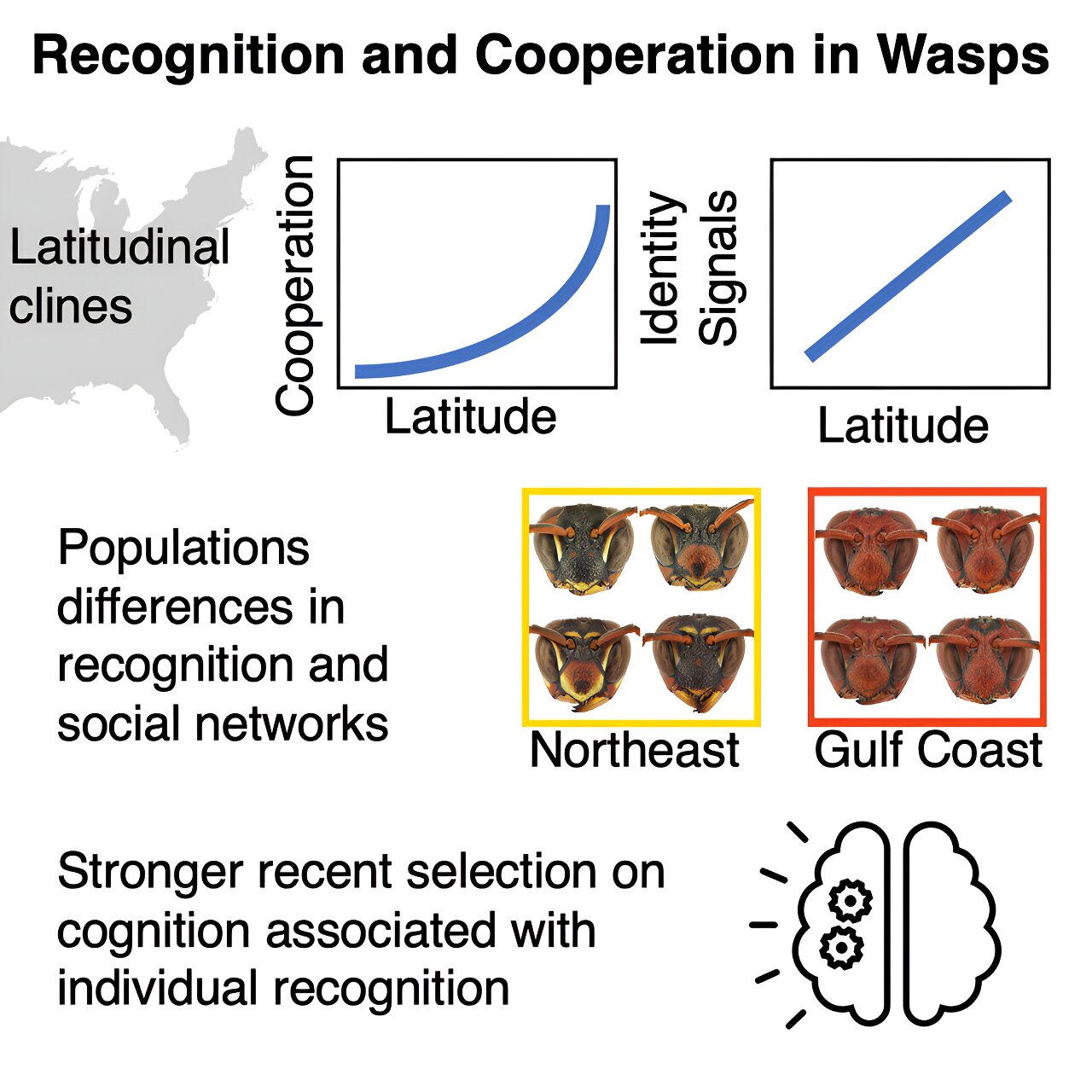
"Face-Recognizing Wasps Show Higher Cooperation and Intelligence"

A study on paper wasps suggests that social interactions and the ability to recognize individuals may be linked to increased cognitive abilities and social cooperation. The research found that populations of wasps that recognized each other and cooperated more showed recent adaptations in brain areas associated with learning, memory, and vision. The study focused on two populations of paper wasps, with the northern population showing greater recognition of individuals and social cooperation compared to the southern population. The findings suggest that recognizing individuals may make wasps more selective and better able to manage their social interactions.

neuroscience2 years ago

Sonic Recognition: How the Blind Identify Faces

A study conducted by Georgetown University Medical Center reveals that blind individuals can recognize faces using auditory patterns processed by the fusiform face area in the brain, challenging the belief that facial recognition is solely dependent on visual experience. The researchers used a sensory substitution device to translate images into sound, allowing blind participants to recognize basic facial configurations. Functional MRI scans showed that the fusiform face area is active in both blind and sighted individuals during face recognition tasks, suggesting that this brain region encodes the concept of a face regardless of sensory input. The findings provide insights into the development and functioning of facial recognition in the brain.

technology2 years ago

"Beware of the iPhone-crashing Cheap Hacking Device!"

The Flipper Zero, a pocket-size hacking tool, has gained attention for its ability to disrupt iPhones by sending them into denial of service (DoS) loops. By sending a constant stream of messages via Bluetooth devices, the Flipper Zero overwhelms iPhones with pop-up notifications, making them virtually unusable. Security researchers have replicated the attack, which currently only works on devices running iOS 17, and the only way to prevent it is by turning off Bluetooth. In other news, the US Securities and Exchange Commission has charged SolarWinds and its CISO with fraud and internal control failures, face recognition technology in New Orleans was found to disproportionately target Black people and have a high failure rate, and identity management company Okta disclosed an intrusion into its systems, with files belonging to 134 customers being accessed.

neuroscience2 years ago

Unveiling the Intricacies of Neuronal Face Recognition and Representation in the Brain

A recent study published in Nature Communications used direct neuronal recordings to gain insights into face recognition in the midfusiform gyrus of the brain. The study found that neurons in this region exhibit diverse responses, with some responding to faces, others to places, and some to both. Surprisingly, there were no significant differences in the responses to familiar and unknown stimuli, challenging previous assumptions. However, a deeper analysis revealed that the collective activity of midfusiform neurons enabled the reliable discrimination of familiar and unknown faces at the population level. The study provides valuable information about how individual neurons encode faces and highlights the need for further research in this area.

neuroscience2 years ago

"The Upside Down Perspective: Unveiling Face Recognition Insights"

Researchers have studied Claudio, a man with a unique head orientation, to explore the evolutionary and experiential factors in face recognition. Claudio's ability to accurately detect inverted faces challenges the typical difficulties faced by most people. The findings suggest that our proficiency in recognizing upright faces is influenced by a combination of evolutionary mechanisms and experience. The study also revealed differences in Claudio's perception of Thatcherized faces, indicating that different visual mechanisms may be involved in facial detection and identity matching. Further research aims to investigate other aspects of face perception and the underlying mechanisms.