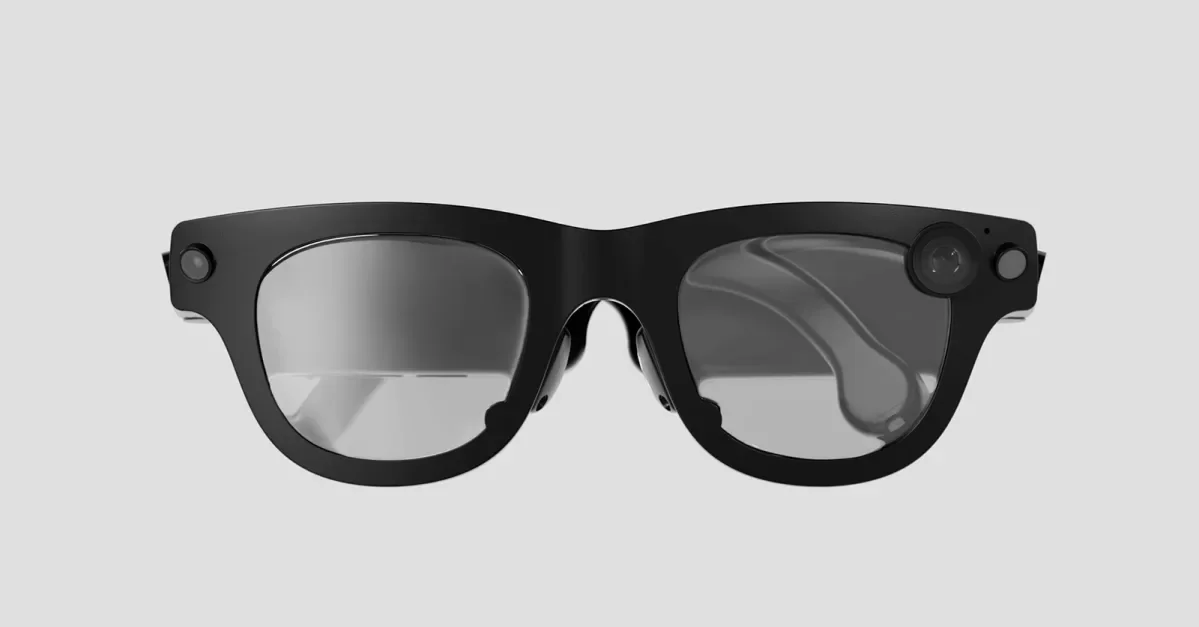
IXI is developing lightweight, autofocusing glasses that use eye tracking and liquid crystal lenses to automatically switch focus, potentially replacing multifocal glasses and offering new health insights, with a planned launch next year.
Finnish company IXI is developing smart glasses with real-time autofocus capabilities using eye-tracking sensors and liquid crystal lenses, aiming to improve upon traditional bifocal and varifocal lenses by providing seamless, adjustable vision for both near and far distances, with plans for launch in Europe within a year.
A study published in the Journal of Autism and Developmental Disorders found that autistic individuals and their siblings use fewer causal explanations and describe less of protagonists' thoughts and feelings in storytelling, with some similarities in gaze patterns suggesting shared attentional mechanisms, highlighting differences in narrative skills associated with autism and potential genetic influences.
The article reviews the return of the team behind the acclaimed game Before Your Eyes with Goodnight Universe, a longer narrative adventure that uses webcam blinking mechanics to explore themes of childhood, family, and supernatural elements, though it struggles with focus and mechanical implementation.
Research using AI and eye-tracking data reveals that super-recognisers excel at face identification not just by looking more broadly, but by sampling more valuable facial features, which enhances their recognition ability beyond mere quantity of visual information.
A study shows that eye movements can reveal hidden memories even when people deny remembering, outperforming verbal reports, and offering a new method to assess memory in infants, non-verbal patients, and those with neurological conditions by tracking gaze during video viewing.
A study suggests that changes in eye movement patterns could serve as a non-invasive, inexpensive way to detect early signs of memory loss and cognitive decline, potentially aiding in early dementia diagnosis.
IXI is developing smart glasses with liquid crystal lenses that can automatically adjust focus in real-time, aiming to improve vision correction for conditions like presbyopia and myopia, while emphasizing the importance of aesthetic appeal and user acceptability. The technology is still in trials, with potential to revolutionize eyewear, though safety and performance concerns remain.
A 30-day mindfulness meditation study using eye-tracking found significant improvements in attention control across all ages, highlighting its potential to support brain health and cognitive function regardless of age.
A Chinese eye-tracking study found that individuals with depression focus more on threatening and neutral images than healthy controls, indicating an abnormal attentional bias towards negative and ambiguous content, which may reinforce depressive symptoms.
Meta has unveiled Aria Gen 2, an experimental smart glasses platform designed for research in augmented reality, AI, and robotics, featuring advanced eye-tracking, 3D hand and object tracking, health sensors, and improved design, paving the way for future consumer AR products.
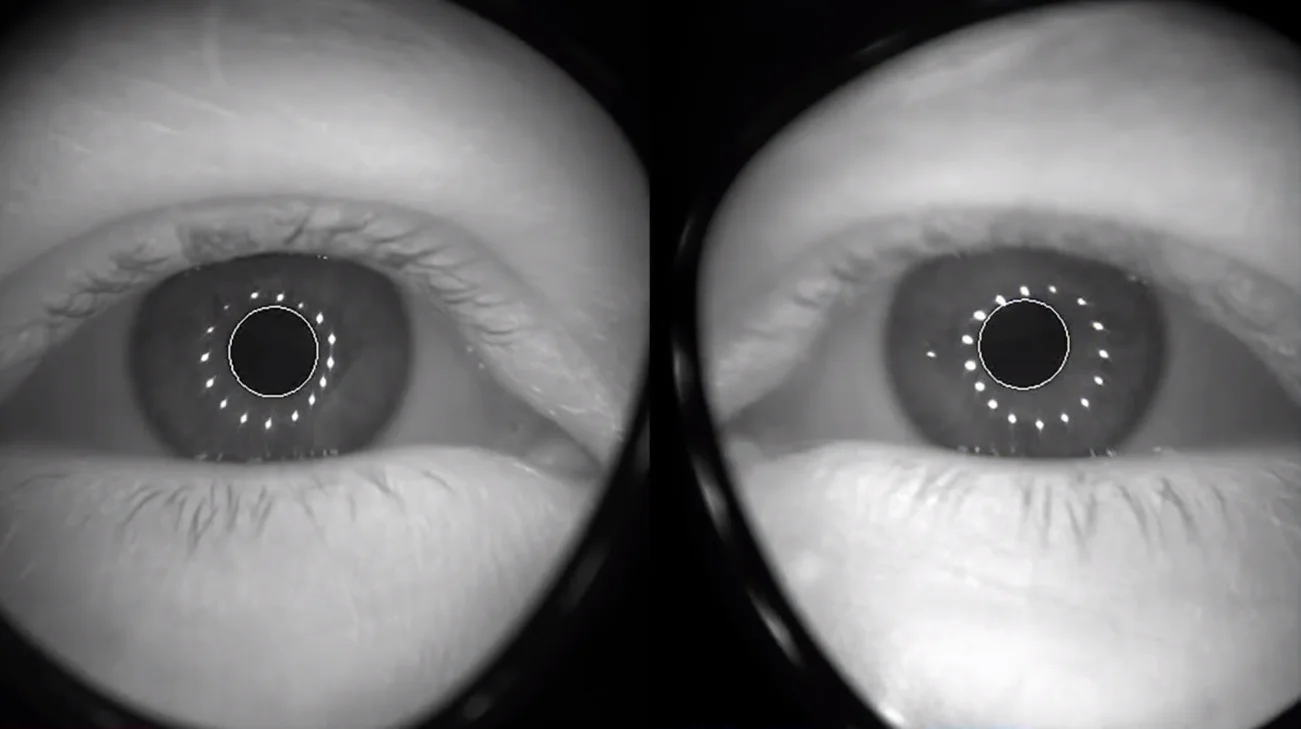
A study links pupil dilation to working memory performance, suggesting that eye measurements could serve as a non-invasive way to assess and improve focus and cognitive function, with potential applications in education and clinical settings.
Eye-tracking biomarkers combined with primary care evaluations significantly improve the accuracy of autism diagnosis, achieving 91% sensitivity and 87% specificity. This method addresses long wait times for evaluations, enabling timely interventions and better access to accurate diagnoses in local communities.
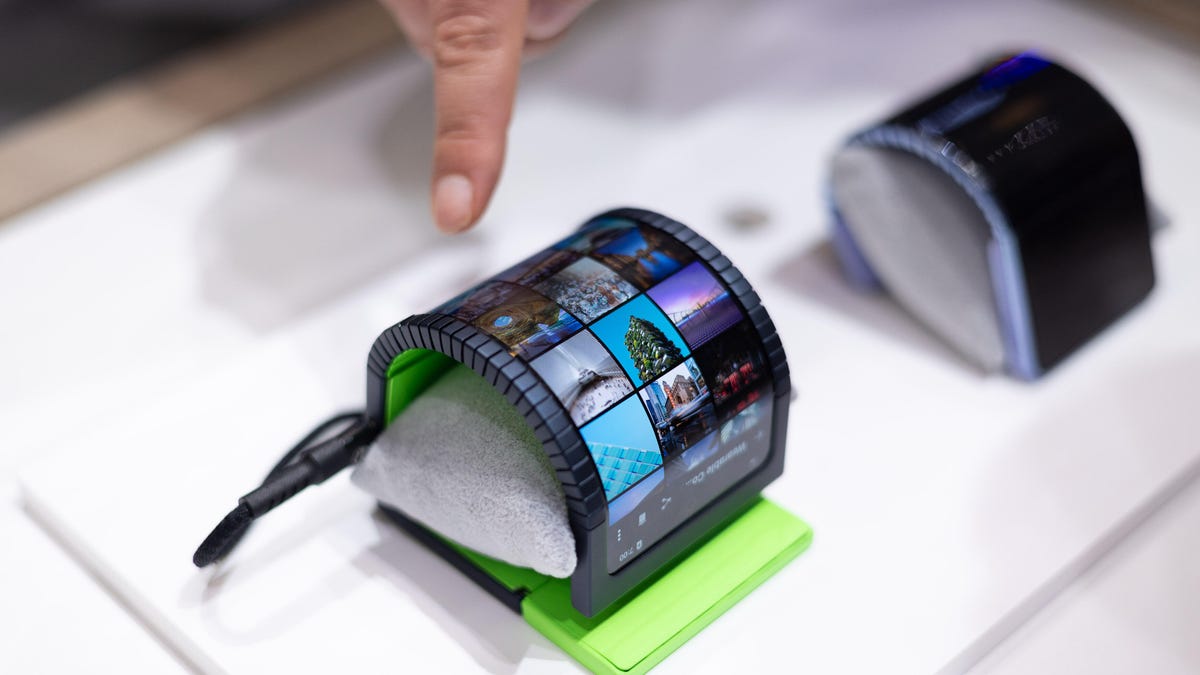
The Mobile World Congress 2024 showcased a variety of unique phones and tech concepts, including an AI-powered T Phone that streamlines tasks, a chocolate replica of the Motorola Razr, a phone with a massive 28,000mAh battery, wearable phones from Motorola and Samsung, the Honor Magic 6 Pro featuring eye tracking technology, and the announcement of a Barbie-branded minimalistic flip phone set to debut in 2024.
At Mobile World Congress, Honor unveiled its Magic 6 Pro phone with eye-tracking capabilities, allowing users to perform tasks such as opening notifications and controlling devices with just their gaze. The author experienced the quick and responsive eye-tracking technology, envisioning its practical applications in daily life and recognizing its potential for improved accessibility. While currently available only in China, the technology holds promise for a future where interacting with personal tech using one's eyes becomes as natural as using hands or voice.