Scientists have developed a working computer memory using shiitake mushroom mycelium, demonstrating a low-cost, scalable, and eco-friendly alternative to silicon-based memristors with performance comparable to traditional chips, opening new avenues for biological and neural-inspired computing.
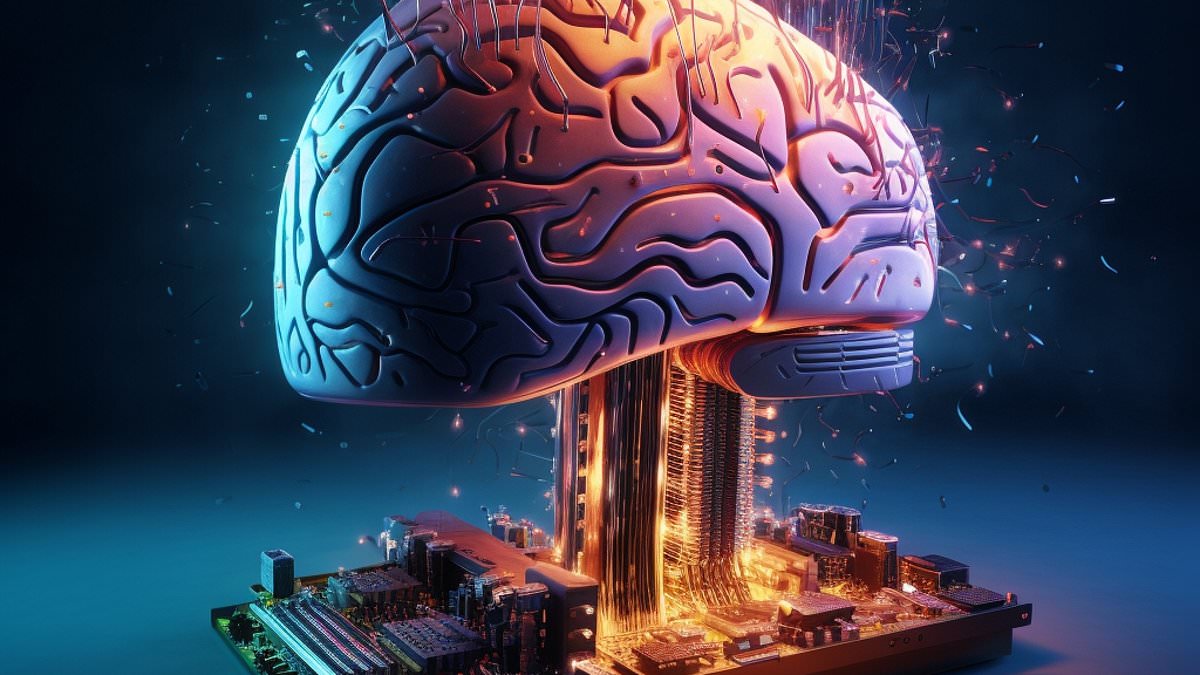
Scientists have developed a hybrid computer called 'Brainoware' that combines human brain-like tissues with electronic hardware. The computer features a brain organoid made of human stem cells, which sits on a circuit board and can perform tasks such as voice recognition and complex math problem-solving. This biological-electronic hybrid represents a significant step towards merging man and machine to perform complex computing problems with lower power requirements than conventional computers. The organoid's ability to form new connections and reorganize contributes to the computer's learning capabilities. Further research is needed to explore the potential of brain-hybrid computer systems in areas such as long-term memory and lifelong learning.