Researchers at UBC Okanagan have decoded how plants produce mitraphylline, a rare compound with potential anti-cancer properties, by identifying key enzymes involved in its biosynthesis, paving the way for sustainable drug production.
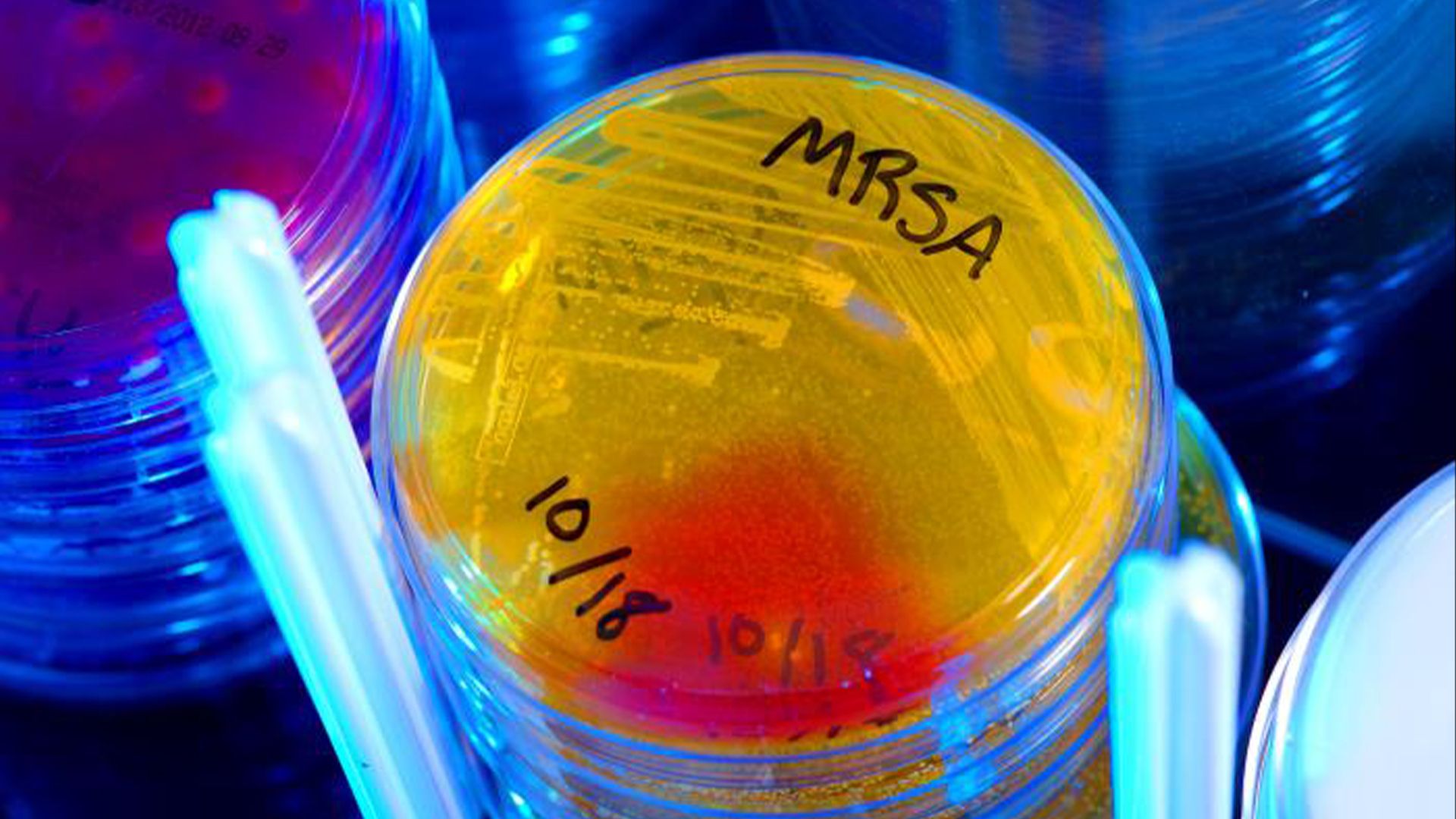
Scientists discovered a new antibiotic compound, pre-methylenomycin C lactone, from soil bacteria that shows strong activity against drug-resistant bacteria like MRSA and E. faecium, without inducing resistance, offering promising potential for future antibiotic development.
A new catalytic method enables highly selective oxidation of methylene groups in α,β-unsaturated carbonyl natural products, avoiding epoxidation and allowing late-stage functionalization of complex molecules, which could lead to novel drug analogues.
Researchers from the University of Pennsylvania have discovered that a fungus called Aspergillus flavus, historically linked to the 'pharaoh's curse' rumors, produces compounds that show promise in killing leukemia cells, potentially leading to new cancer treatments, although further testing is needed.
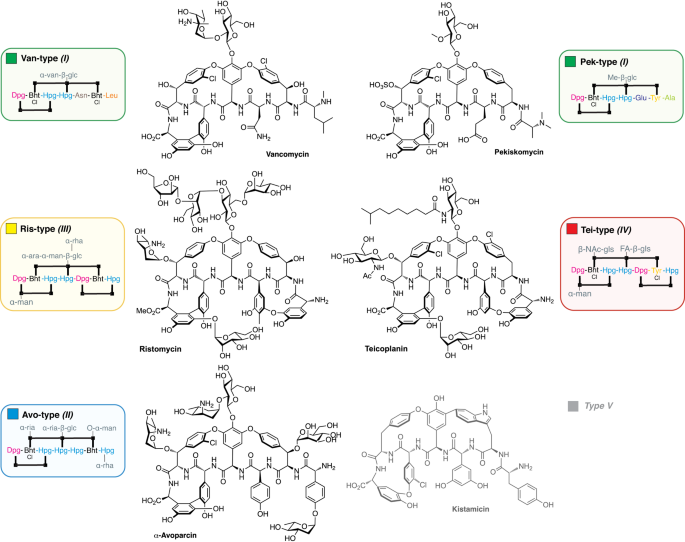
Researchers have used ancient DNA to investigate the evolutionary history of lipid II targeting glycopeptide antibiotics (GPAs), a class of antibiotics used to treat resistant bacterial infections. They discovered that modern GPAs have evolved from an ancestral GPA called paleomycin, which resembles the more complex structure of teicoplanin. By reconstituting the biosynthesis of paleomycin, the researchers confirmed its antibiotic activity. They also identified the genetic changes that led to the evolution of modern GPAs, including alterations in the peptide core and changes in the biosynthesis of key components. This study provides insights into the evolution of GPAs and could aid in the development of new antibiotics.
Scientists at The Herbert Wertheim UF Scripps Institute for Biomedical Innovation & Technology have discovered two new enzymes, called "cofactorless oxygenases," which have unique properties that could aid in the development of cancer treatments and other medicines. These enzymes allow bacteria to produce compounds that target and break up DNA, potentially offering new ways to fight infections, viruses, and cancer. The discovery of these enzymes solves a mystery surrounding the potency of a potential antibiotic and anticancer compound called tiancimycin A, and it opens up possibilities for studying and manufacturing complex natural chemicals for medicinal purposes.
Researchers are utilizing artificial intelligence (AI) and machine learning (ML) techniques to accelerate the discovery of new drugs from natural products. By integrating genomics, metabolomics, and structural analysis, AI algorithms can predict and classify unknown metabolites, identify biosynthetic gene clusters, and improve the annotation of molecular structures. These advancements in AI-driven drug discovery have the potential to revolutionize the field and expedite the development of novel pharmaceuticals.
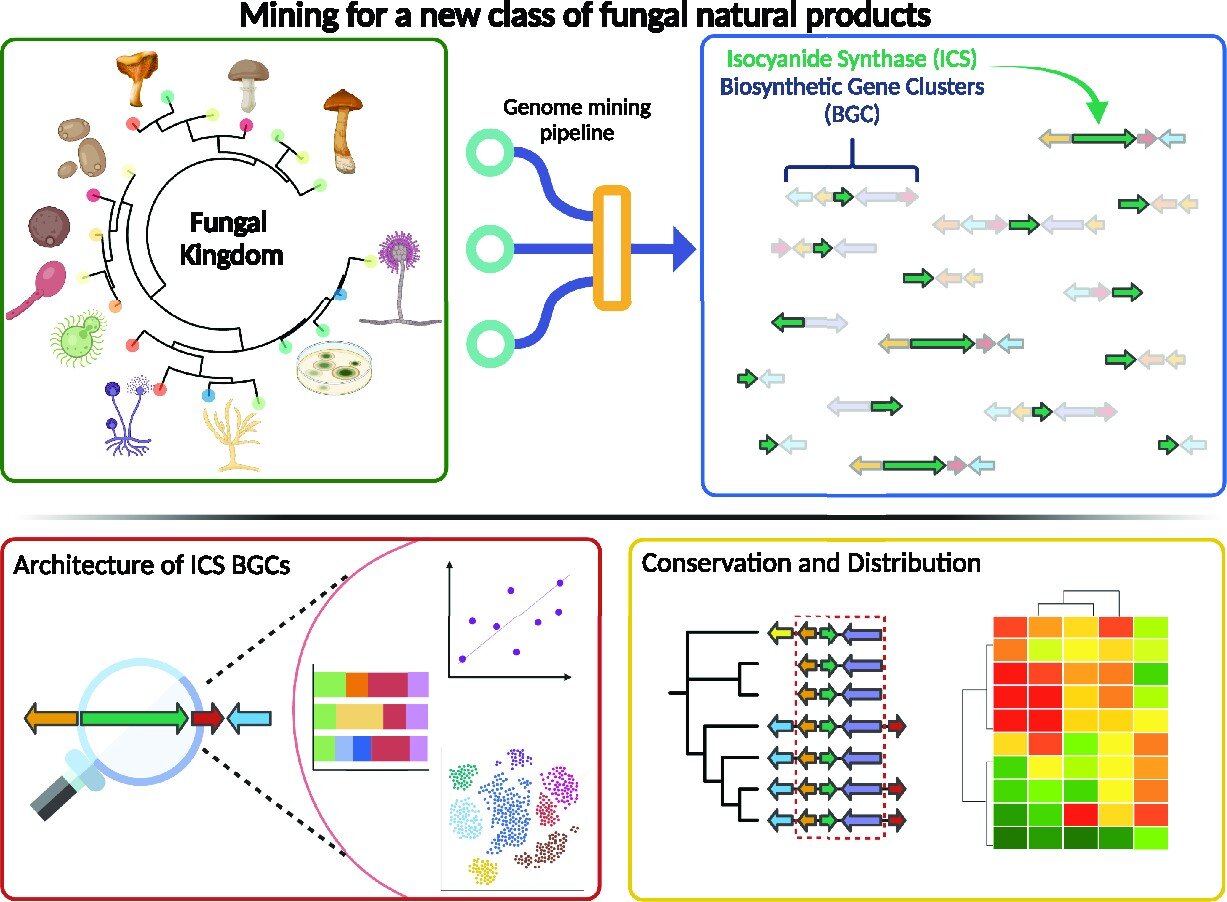
Scientists have developed a new algorithm to search fungal genomes for biosynthetic gene clusters that synthesize isocyanide, a type of chemistry in fungi that was previously overlooked. This discovery opens up the potential for finding valuable biological compounds with medical and chemical applications. The algorithm identified isocyanide chemistry as the fifth-largest class of natural products produced by fungi, with over 1,300 fungal species containing gene clusters related to this chemistry. Researchers believe that these gene clusters are likely producing useful compounds for the fungi, and the findings provide an atlas of these clusters for further exploration.
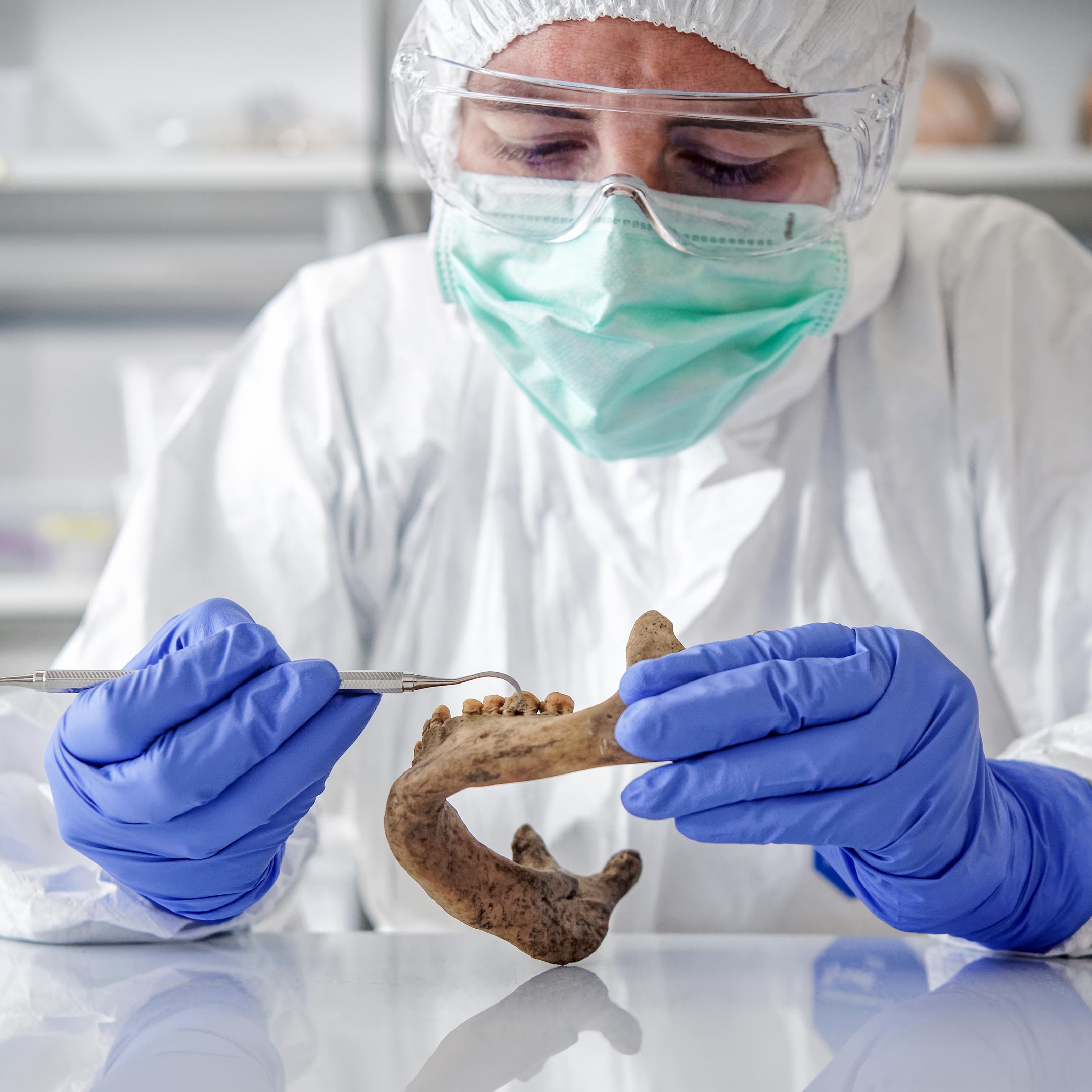
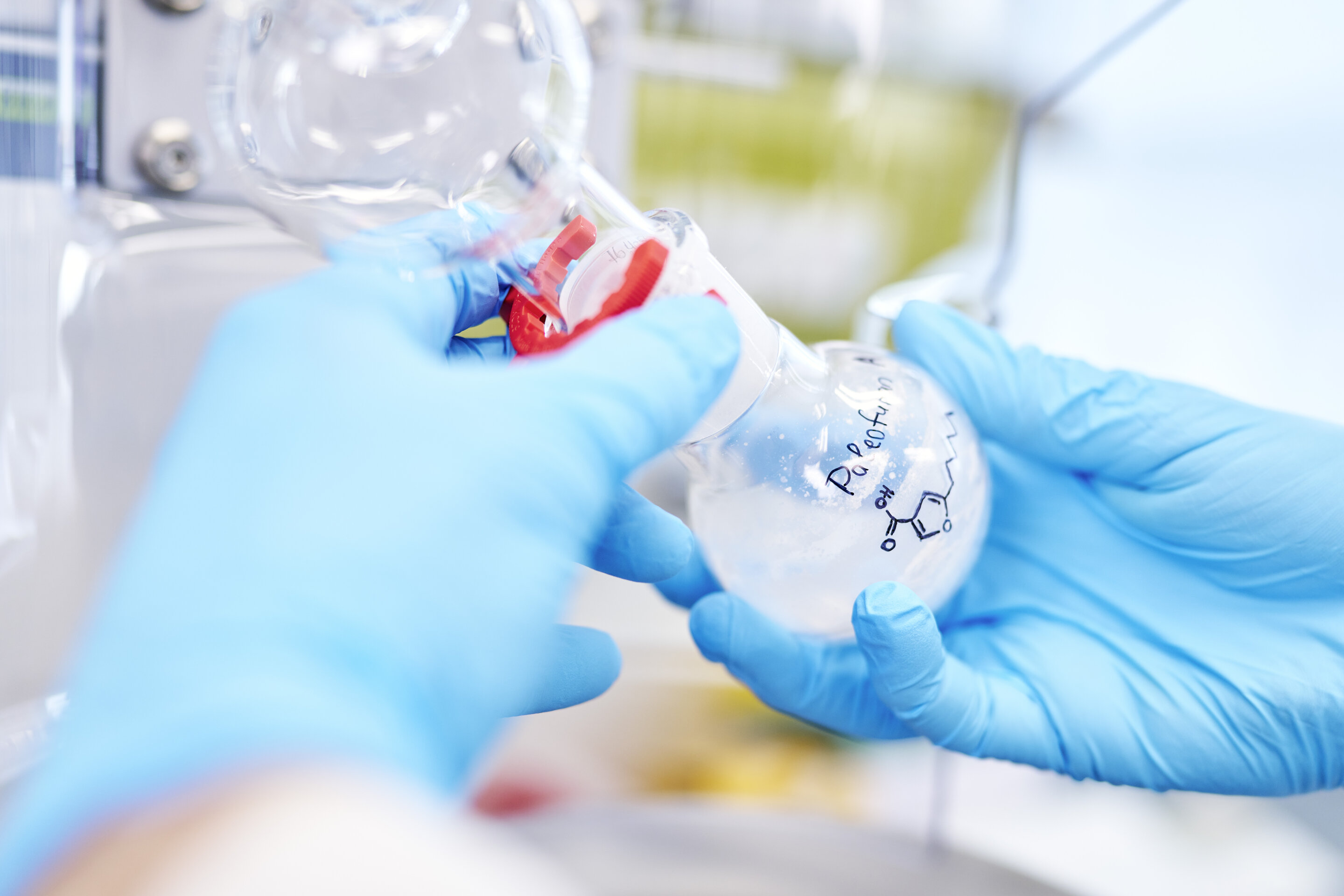
Scientists have reconstructed bacterial genomes of previously unknown bacteria dating to the Pleistocene using dental calculus of humans and Neanderthals. Using their genetic blueprints, they built a biotechnology platform to revive the ancient bacteria’s natural products. The team used the tools of synthetic molecular biotechnology to allow living bacteria to produce the chemicals encoded by the ancient genes. This resulted in the discovery of a new family of microbial natural products that the researchers named “paleofurans.”
Scientists have reconstructed bacterial genomes of previously unknown bacteria dating to the Pleistocene using ancient DNA and built a biotechnology platform to revive the ancient bacteria's natural products. The team focused on reconstructing bacterial genomes encased within dental calculus from 12 Neanderthals dating to about 102,000–40,000 years ago, 34 archaeological humans dating to about 30,000–150 years ago, and 18 present-day humans. The team used the tools of synthetic molecular biotechnology to allow living bacteria to produce the chemicals encoded by the ancient genes, resulting in the discovery of a new family of microbial natural products that the researchers named "paleofurans."