The US's $38 trillion debt is creating economic challenges for future generations, especially Millennials and Gen Z, by increasing interest burdens, slowing growth, and limiting public spending, while a significant wealth transfer from older to younger generations may influence how governments manage debt and investment.
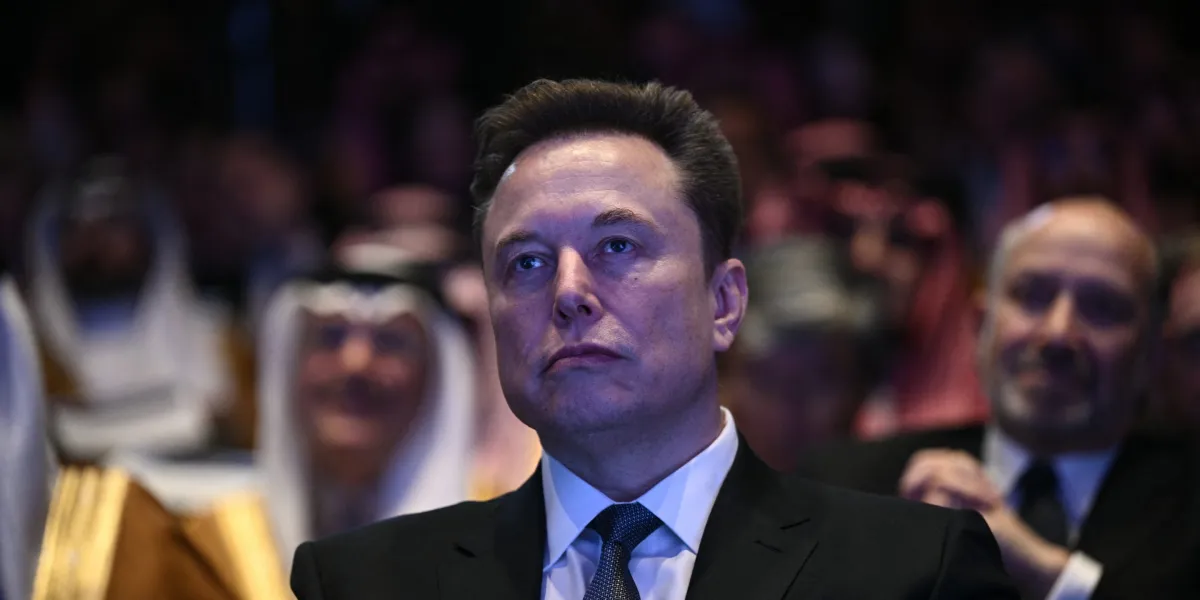
Elon Musk suggests that AI and robotics could be the key to solving the US's $38 trillion debt crisis by boosting productivity and economic growth, potentially leading to significant deflation, which could reduce the burden of debt payments. He warns that current interest payments on the debt are extremely high and that technological advancements might help offset inflation and interest costs within a few years.
The US national debt has exceeded $38 trillion amid ongoing government shutdown and concerns over Congress's ability to manage spending and fiscal discipline, with interest costs and shutdown-related expenses exacerbating the situation.
The US national debt has exceeded $38 trillion for the first time, worsened by a government shutdown that disrupts economic activity and increases costs, raising concerns about fiscal responsibility and economic stability.
The US gross national debt has surpassed $38 trillion, marking the fastest increase outside of the COVID-19 pandemic, raising concerns about higher inflation, borrowing costs, and future economic stability amid ongoing government spending debates.
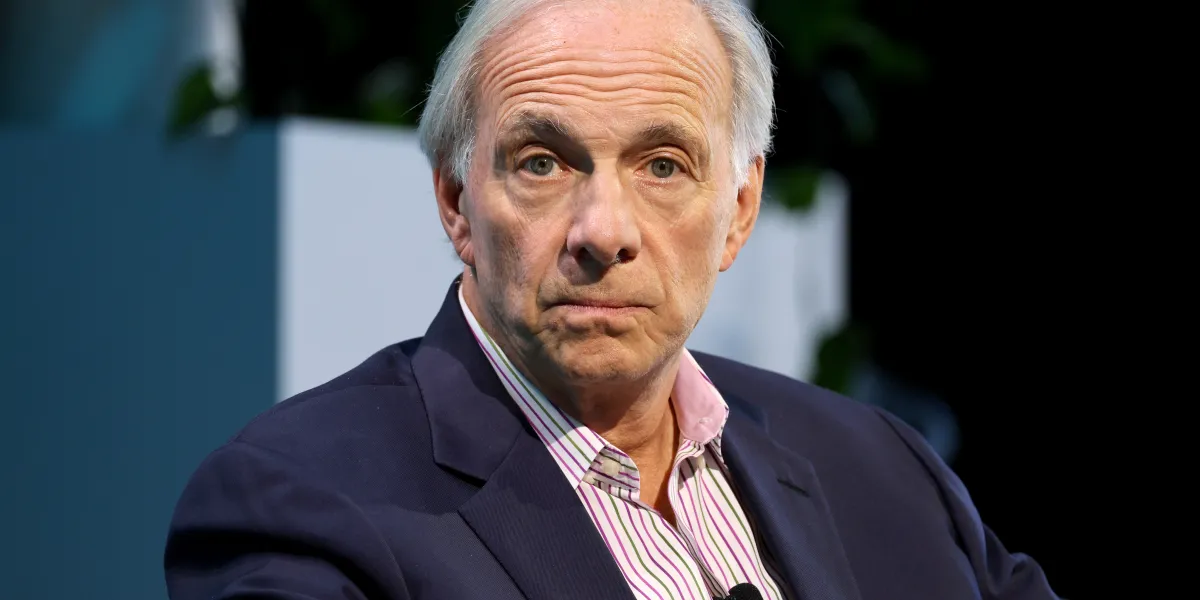
Ray Dalio warns that US divisions, rising national debt, and ongoing geopolitical conflicts threaten America's stability, with history showing that global orders eventually reset, and highlights the risk of a 'debt bomb' leading to economic crisis.
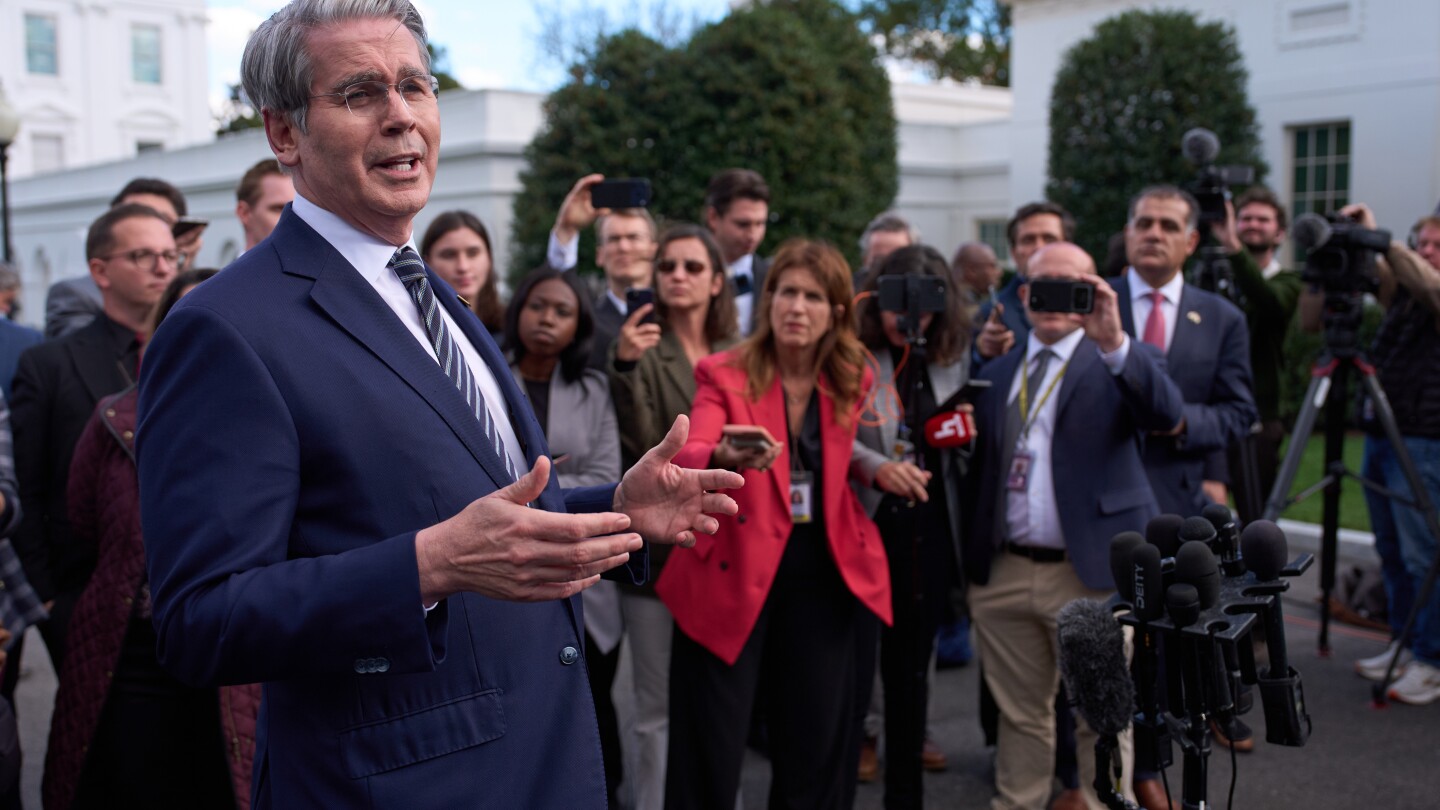
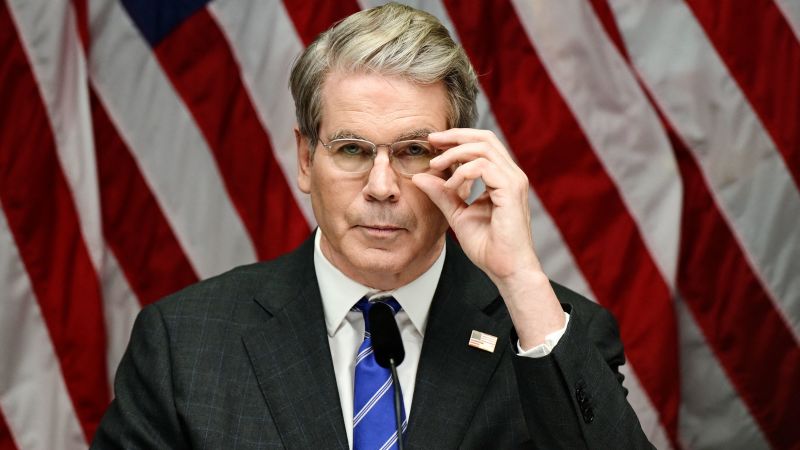
Treasury Secretary Scott Bessent stated that the billions collected from tariffs will be used to pay down the US national debt, dismissing the idea of rebate checks for Americans, and highlighted that tariff revenue is expected to significantly exceed initial estimates, potentially leading to lower interest rates and increased home building.
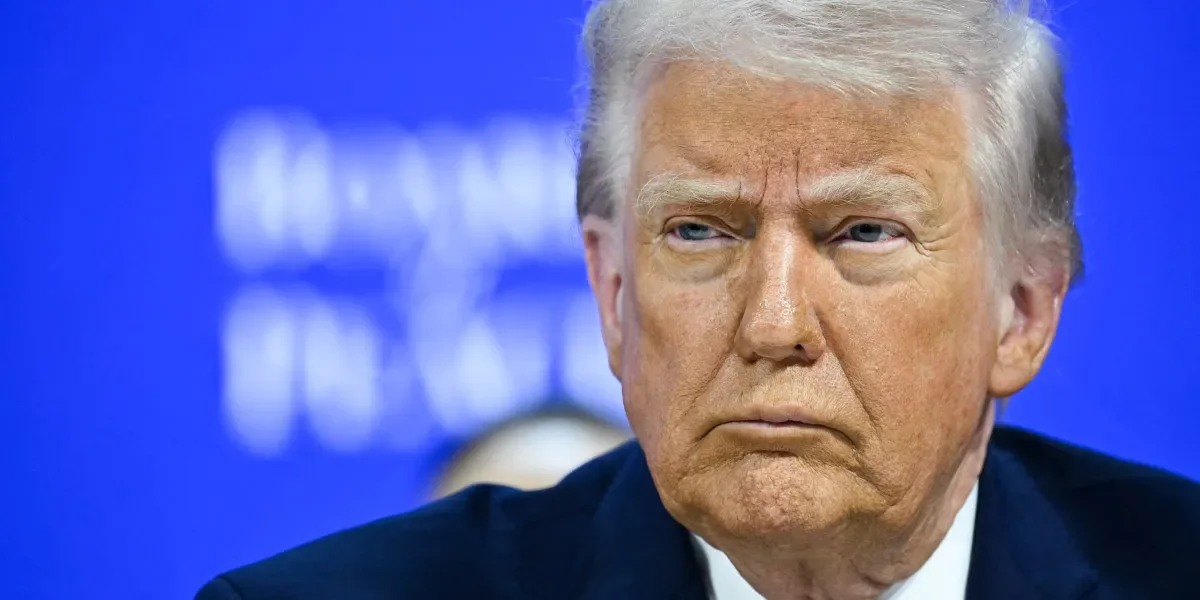
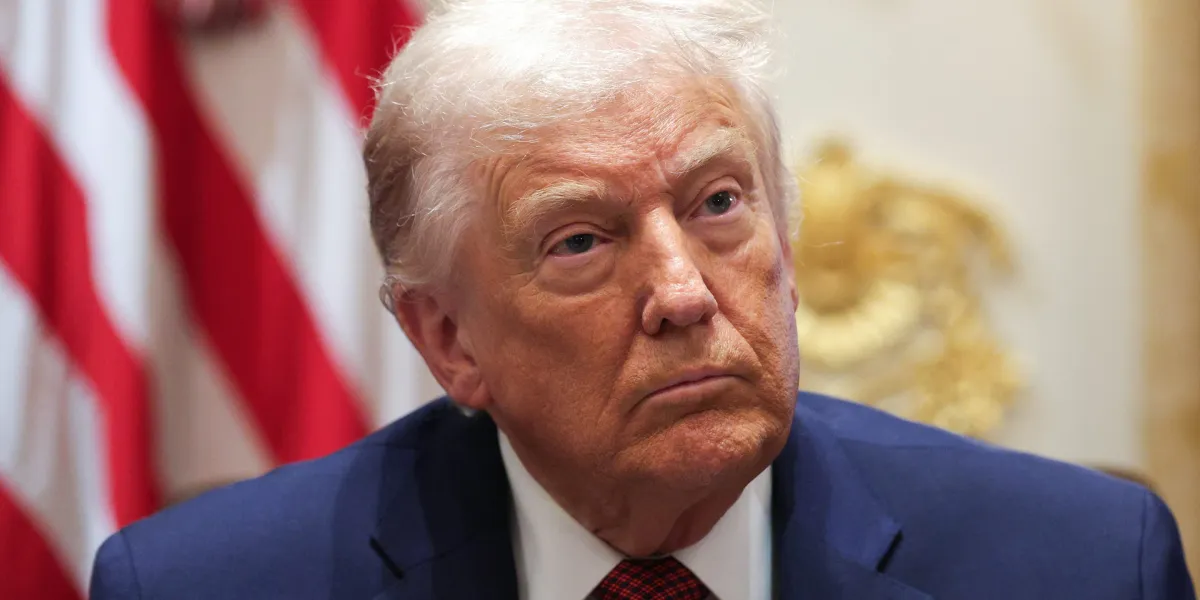
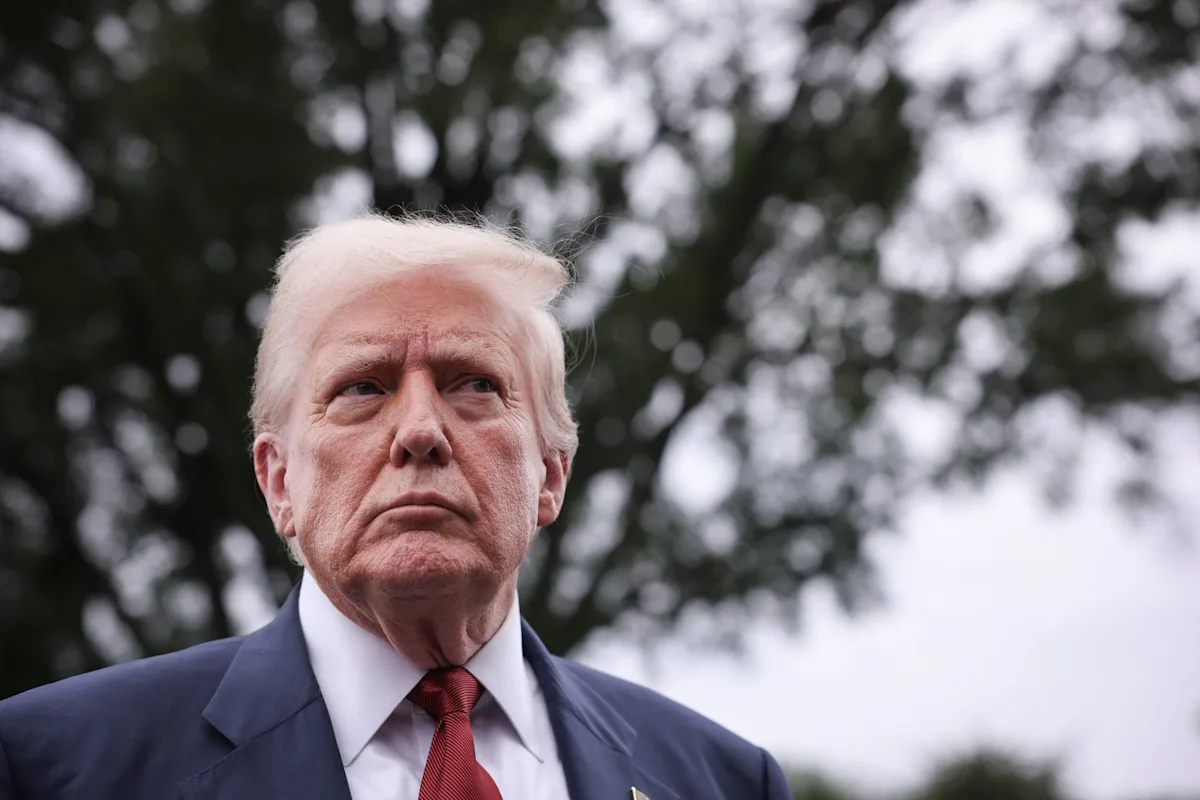
President Trump claims tariffs will pay down the US's $37 trillion debt, but in reality, tariff revenues are insufficient to cover interest payments alone, let alone reduce the debt. Experts argue that tariffs will only marginally slow debt accumulation rather than pay it off, and market confidence remains uncertain about the government's ability to manage its debt effectively.
President Trump claims that tariff revenues will significantly reduce the US's $37 trillion debt and possibly fund a dividend for Americans, but Treasury data shows tariffs only cover a fraction of interest payments, making meaningful debt reduction unlikely in the near term.
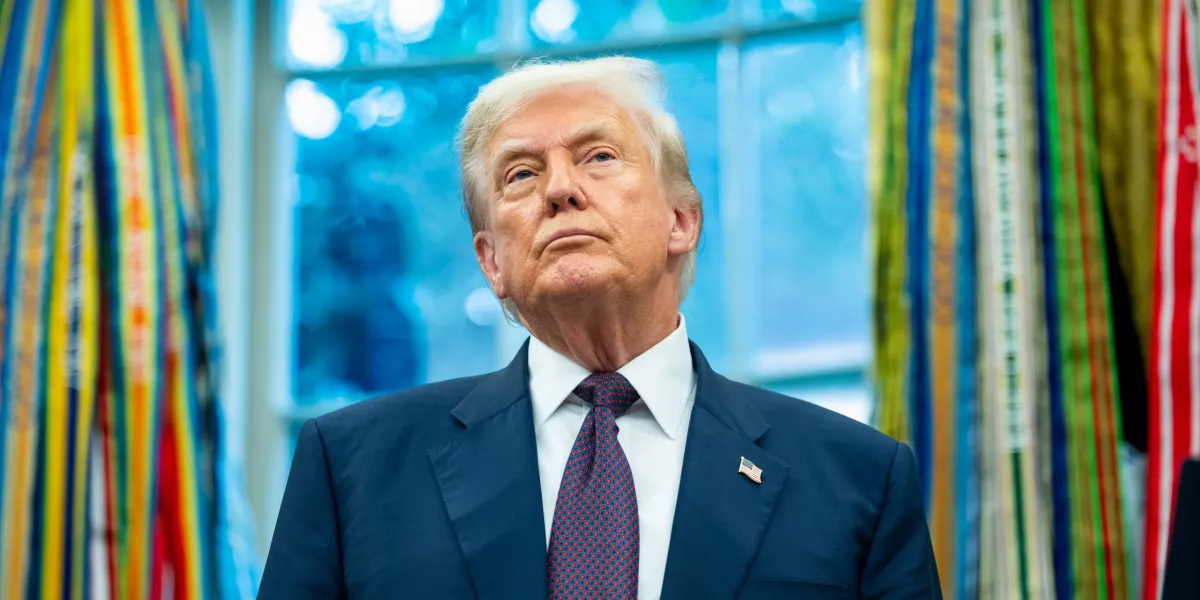
Under President Trump, the US national debt has surpassed $37 trillion amid ongoing debates over fiscal policies, with efforts like tariffs and government efficiency initiatives contributing to revenue, but concerns remain about the sustainability of the debt given the rapid increase and economic challenges.
The US national debt has surpassed $37 trillion, reaching this milestone years earlier than expected due to rapid growth driven by pandemic-related borrowing and recent legislative spending, raising concerns about increased costs for taxpayers and economic stability.
The US national debt has surpassed $37 trillion, a record high driven by pandemic-related borrowing and recent legislative spending, raising concerns about increased costs for taxpayers and economic stability.
President Trump's tariffs are generating significant revenue for the U.S. government, potentially reducing the national deficit by up to $2.8 trillion over a decade, but they are unlikely to reverse the overall $37 trillion debt due to their limited scale compared to total government spending. The tariffs mainly impact consumers through higher prices, especially affecting lower- and middle-income households, and may increase costs for national security hardware.
The U.S. holds $11 billion worth of gold at Fort Knox, but at current market prices, its value could be over $750 billion. A recent Federal Reserve report suggests revaluing gold reserves as a potential way to raise funds, which could be used to pay down debt or fund new initiatives like a bitcoin reserve. While politically sensitive and historically controversial, this idea is gaining renewed attention as a possible financial strategy.
The Senate is rapidly advancing President Trump's comprehensive tax and immigration legislation, which aims to extend tax cuts, increase spending on immigration and defense, and reduce social programs, with the total cost exceeding $3 trillion amid concerns over its impact on the national debt.