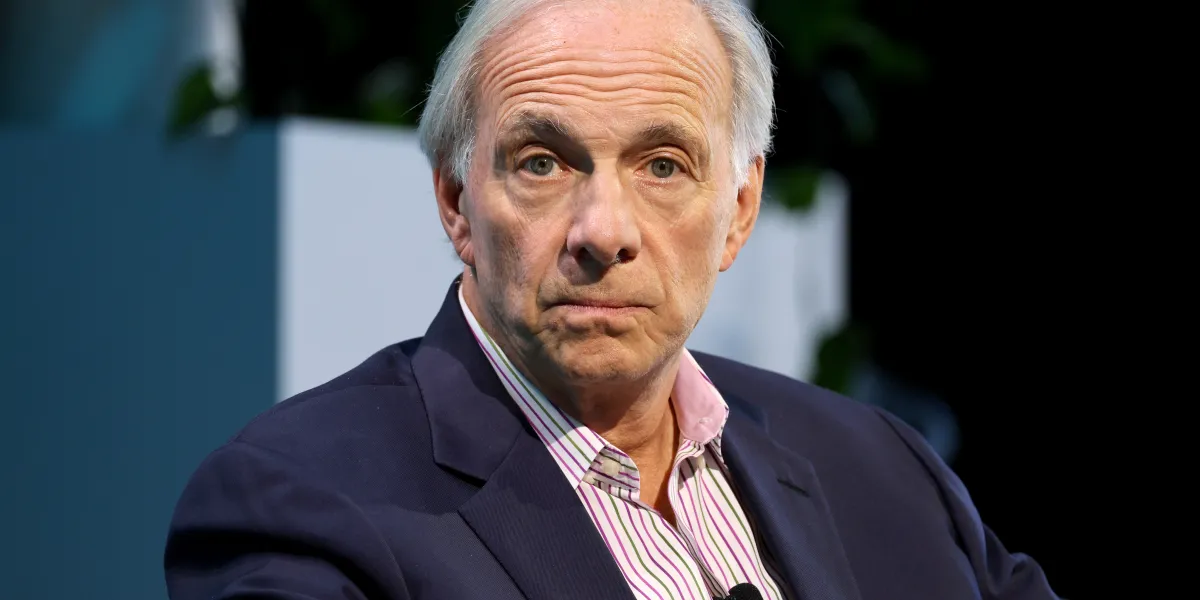
Ray Dalio warns that US divisions, rising national debt, and ongoing geopolitical conflicts threaten America's stability, with history showing that global orders eventually reset, and highlights the risk of a 'debt bomb' leading to economic crisis.
The US has imposed high tariffs and sanctions on Brazil, targeting Supreme Court Justice Alexandre de Moraes, citing human rights abuses and political reasons, which has sparked strong reactions in Brazil and highlighted the geopolitical tensions between the US, China, and Brazil.
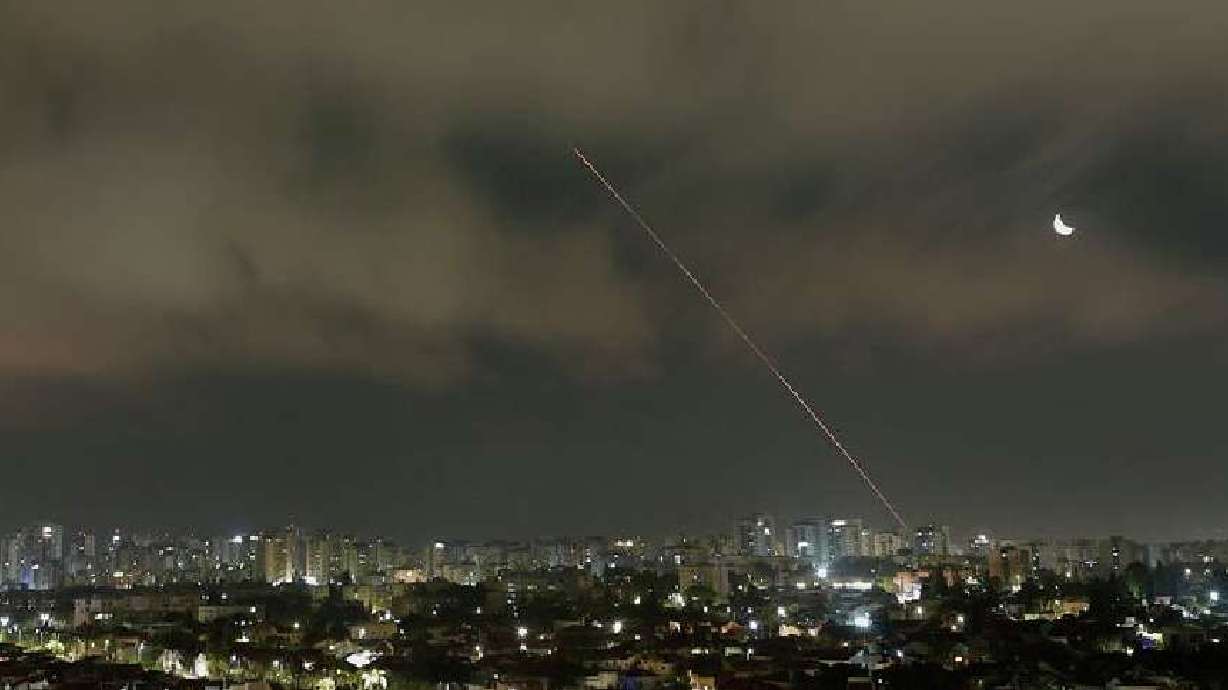
Iran and Israel exchanged missile attacks amid Iran's refusal to negotiate over its nuclear program, escalating tensions with no immediate resolution in sight, while international efforts to mediate continue amidst regional instability.
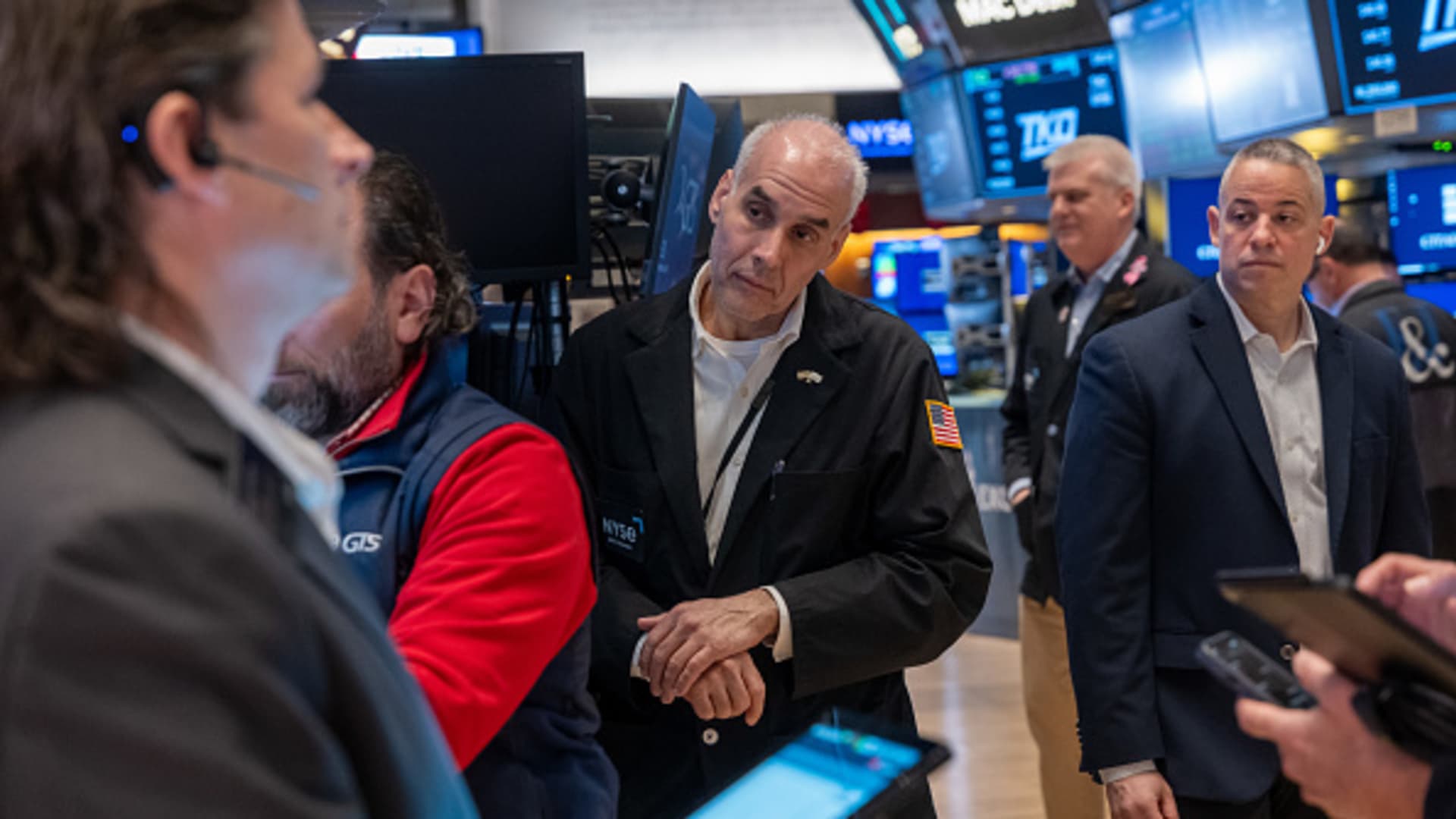
Stock futures declined as investors monitored the escalating Israel-Iran conflict, with oil prices falling and major indices ending positively amid geopolitical tensions and upcoming economic data and Federal Reserve decisions.
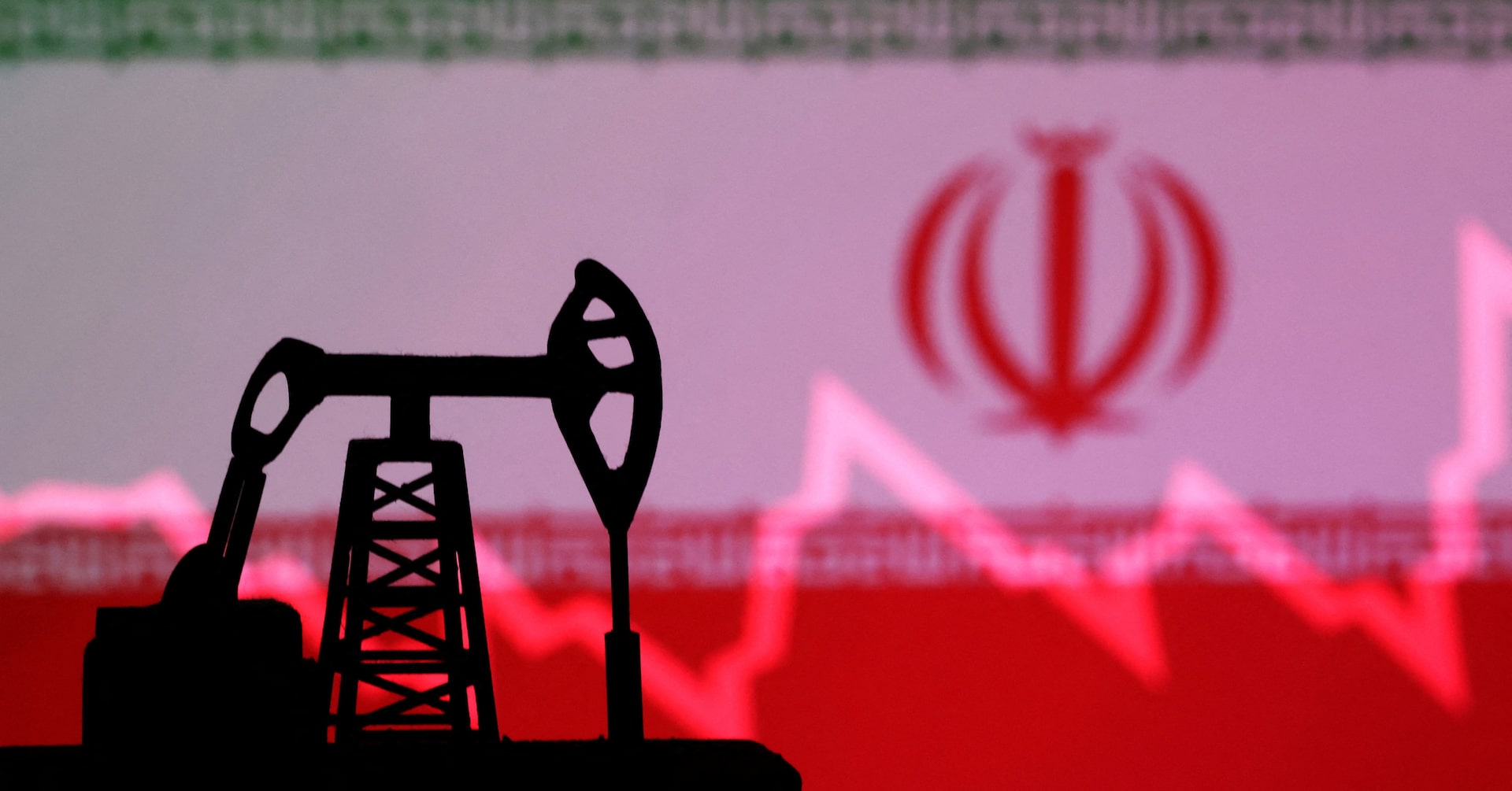
Oil prices surged over 10% following Israel's attack on Iran's facilities, triggering market fears of escalation and regional conflict, which could disrupt global energy supplies, increase shipping costs, and threaten economic stability worldwide.
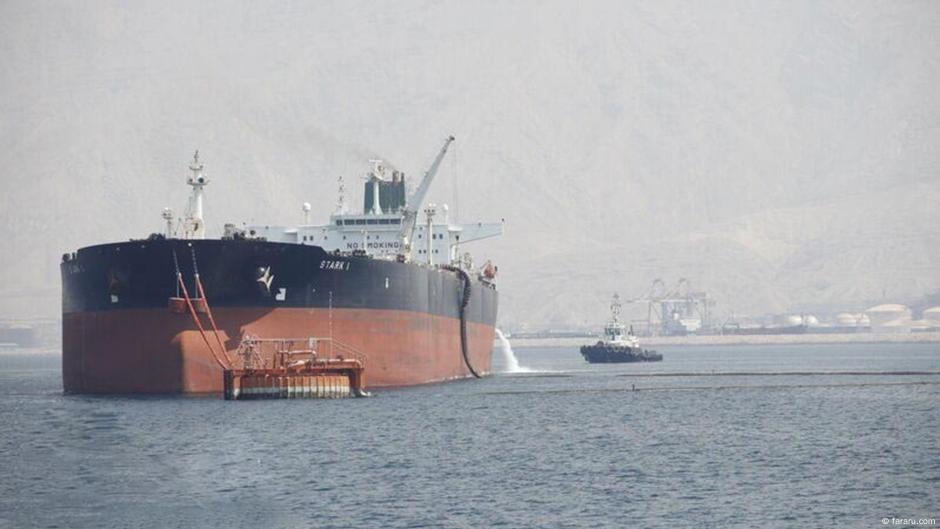
Oil prices briefly jumped over 3% after Israel conducted a limited strike on Iran, leading to fears of an expanding war in the Middle East. Safe haven assets like spot gold and the Japanese yen also rose. Israel's attack on Iran comes after Iran's retaliation for an Israeli strike on its embassy compound in Damascus, Syria. The escalating tensions pose risks to oil markets, with potential disruptions to oil exports from the Arabian Gulf and the key chokepoint of the Strait of Hormuz. Despite the direct strike, Iran's response suggests that the escalatory pressure will likely be contained for now.
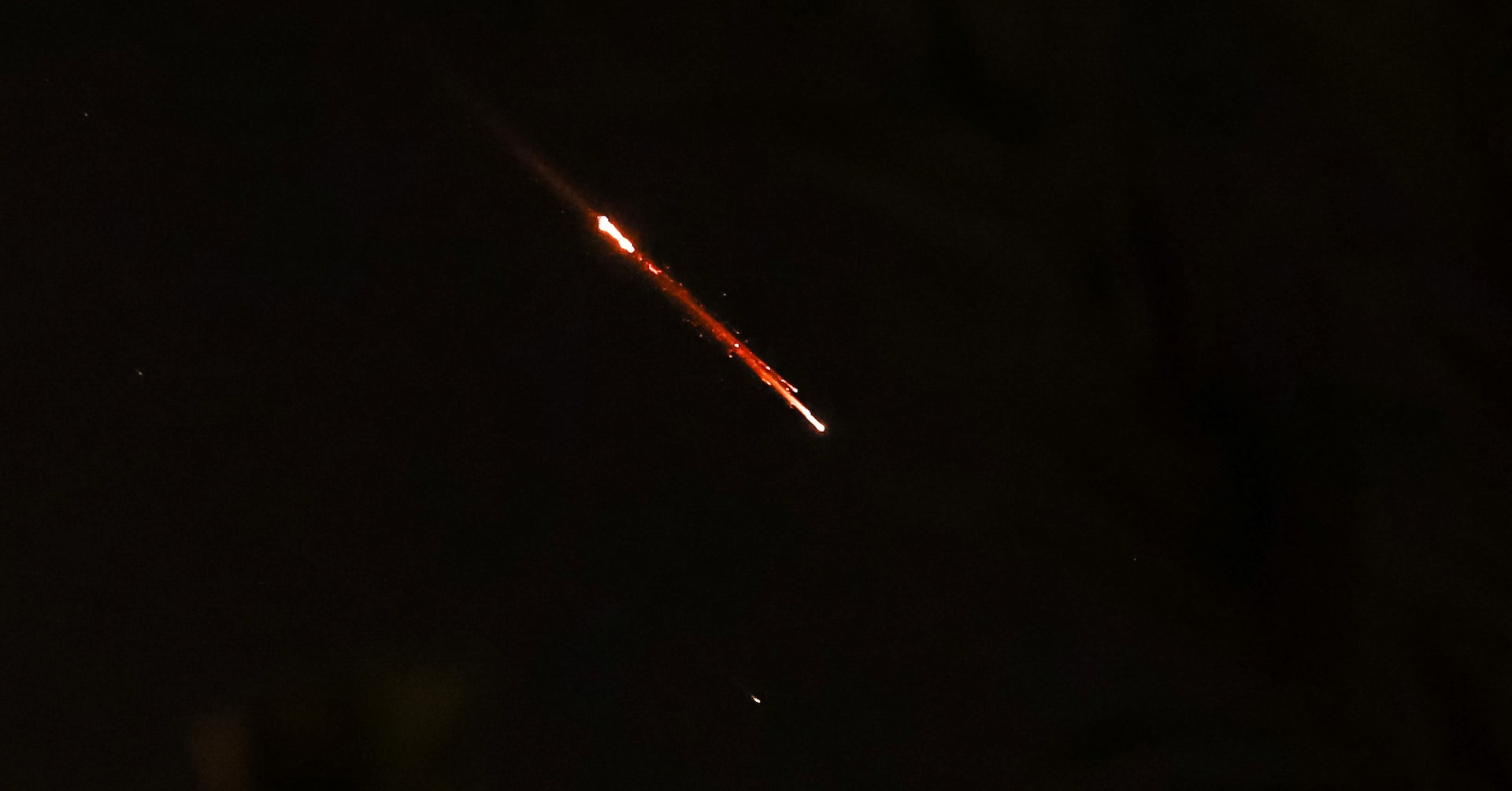
Oil prices are expected to rise following Iran's attack on Israel, with concerns about potential escalation pushing prices to a six-month high. The attack, which saw over 300 drones and missiles launched from Iran, was repelled by Israel with assistance from the U.S., France, Jordan, and the United Kingdom. The Group of Seven condemned the attack and discussed potential sanctions against Iran. The extent of the price increase will depend on potential disruptions to oil supply from the region and the situation in the Strait of Hormuz, a critical chokepoint for global oil consumption.
Iran warned of a "much larger response" to any retaliation after launching a mass drone and missile attack on Israeli territory, stoking fears of a wider regional conflict. Analysts predict that the market reaction will likely see higher oil prices, increased nervousness, and potential supply chain disruptions, with uncertainty surrounding the impact on U.S. bond fundamentals and the Fed's rate-cutting prospects. The scale of the attack and the potential for Israel to broaden the conflict have heightened concerns, with the risk of a regional war increasing ahead of the U.S. elections.
Oil prices are expected to rise following Iran's attack on Israel, with global benchmark Brent crude reaching its highest level since October. The extent of further gains will depend on potential responses from Israel and the West, as well as any impact on oil supply and shipping through the Strait of Hormuz. U.S. President Joe Biden plans to convene a meeting of G7 leaders to coordinate a diplomatic response, while analysts anticipate a spike in oil prices at the opening of trading. The situation also raises concerns about the potential impact on Iranian oil exports and the global economy.
The price of bitcoin plummeted by 7% in less than an hour following Iran's attack on Israel, with other cryptocurrencies also experiencing sharp declines. Concerns over increased geopolitical conflict in the Middle East have impacted markets, with the Dow Jones Industrial Average dropping and JPMorgan Chase CEO Jamie Dimon expressing concern over the potential impact on the global economy.
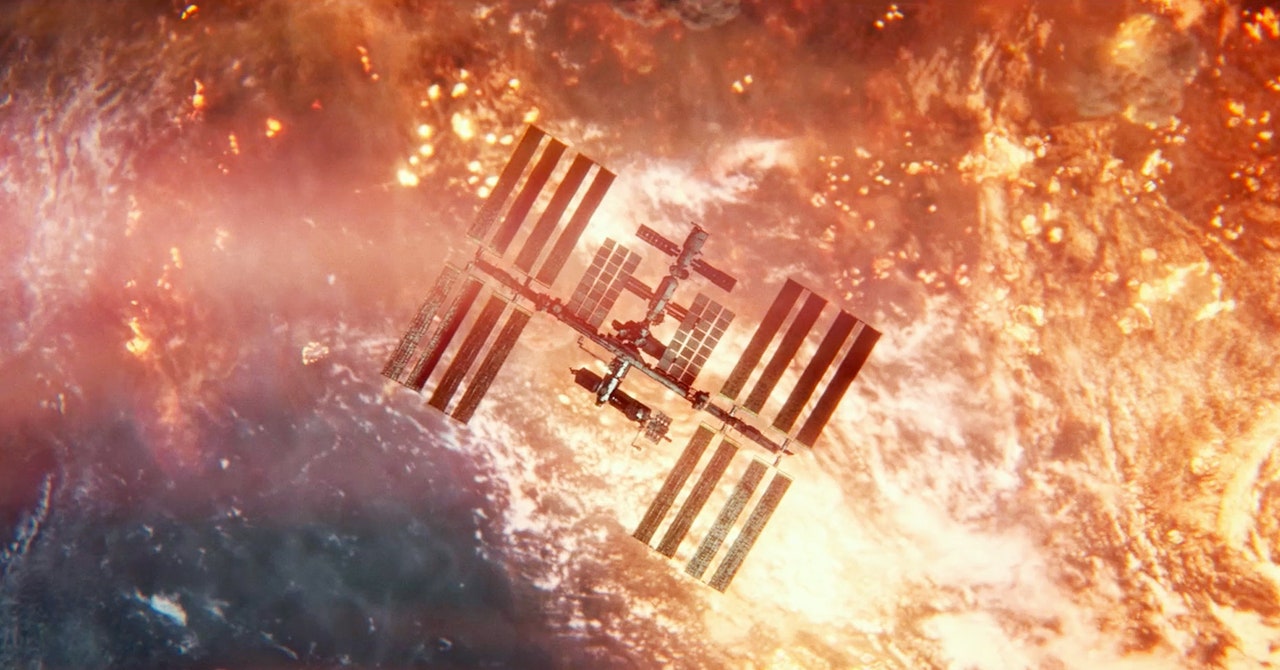
The new space thriller I.S.S. imagines a nuclear war breaking out between the US and Russia, leading to a struggle for control of the International Space Station (ISS) by astronauts and cosmonauts. While the film's premise is deemed implausible by space policy experts, it arrives at a time when real-life geopolitical tensions between the US and Russia have affected the ISS, turning it into a political bargaining chip. Despite the film's unrealistic portrayal, it highlights the remarkable international collaboration of the actual ISS and raises questions about the station's role in the event of a global catastrophe.
ScaleAI, an artificial intelligence company, is positioning itself as a key player in the next major age of geopolitical conflict by aggressively pitching its services to the U.S. military. The company aims to help the Pentagon extract insights from vast amounts of data, develop better autonomous vehicles, and create chatbots for military commanders. ScaleAI has already secured a $249 million contract with the Department of Defense and counts the Army, Air Force, Marine Corps University, and Oshkosh among its customers. The CEO, Alexandr Wang, believes that without AI developed by private tech companies, the U.S. will struggle to maintain its technological edge over China. However, competition for military contracts is fierce, with tech giants like Google, Microsoft, and Amazon vying for Pentagon partnerships.