Tag

Interest Payments

All articles tagged with #interest payments

economy5 months ago

Tariffs Alone Won't Solve the National Debt Crisis

President Trump claims tariffs will pay down the US's $37 trillion debt, but in reality, tariff revenues are insufficient to cover interest payments alone, let alone reduce the debt. Experts argue that tariffs will only marginally slow debt accumulation rather than pay it off, and market confidence remains uncertain about the government's ability to manage its debt effectively.

economics7 months ago

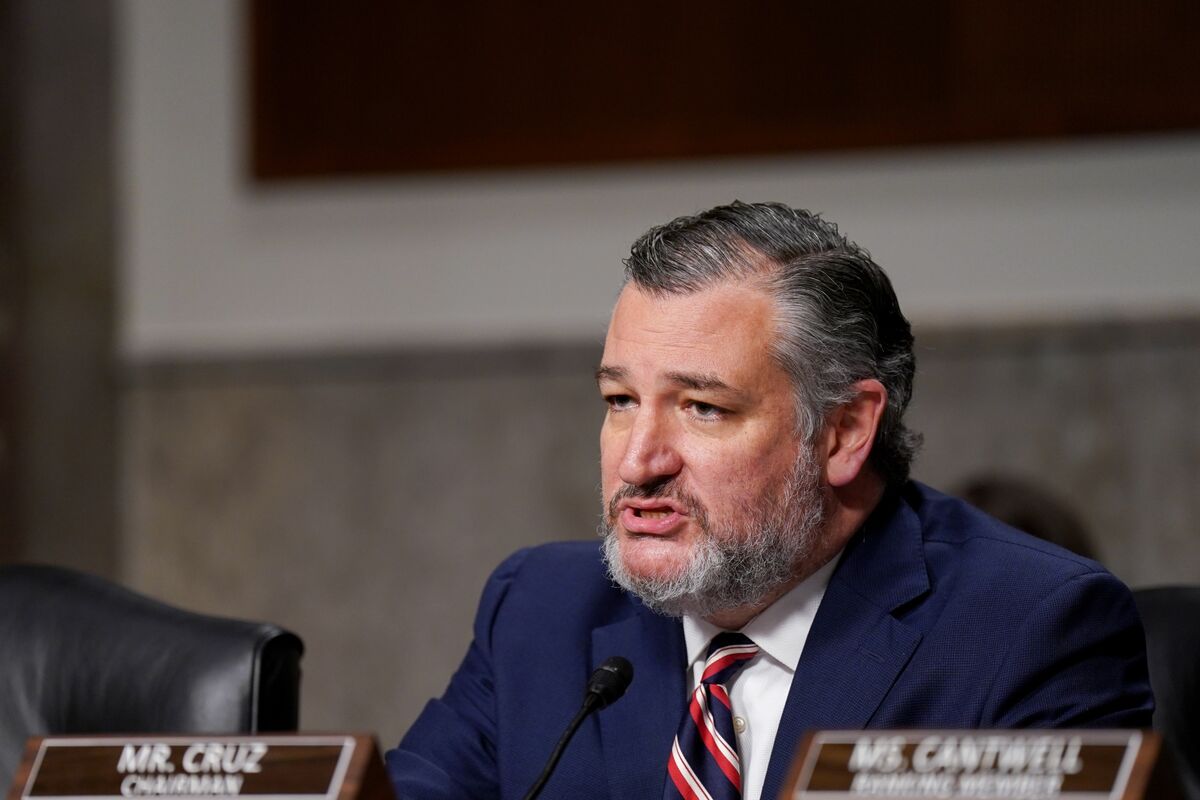
Ted Cruz Proposes Major Fed Interest Payment Cuts Amid Market Concerns

Senator Ted Cruz proposed ending the Federal Reserve's interest payments to banks, claiming it could save $1.1 trillion over ten years, a move supported by some conservatives but warned against by financial strategists due to potential market disruptions. The proposal aims to offset the costs of a large tax and spending package, with debates centering on the impact on liquidity and the federal deficit.

economy1 year ago

"Warning: US Debt's Unsustainable Path Could Trigger Fiscal Ruin"

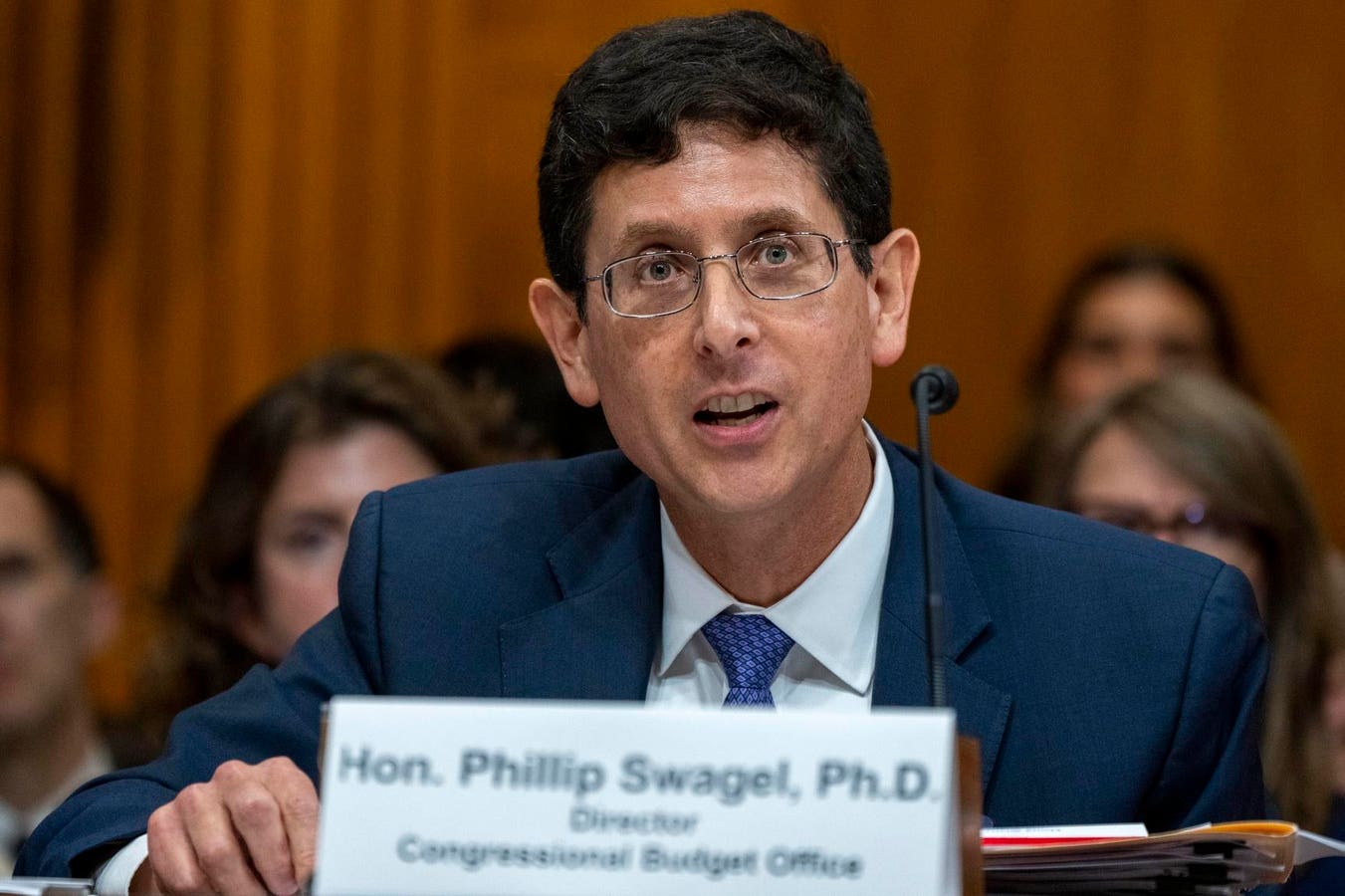
Bloomberg's million simulations indicate that the US national debt is on an unsustainable path, with 88% of them showing borrowing is unsustainable. The Congressional Budget Office forecasts the national debt to reach $54 trillion in the next decade due to an aging population, rising federal health care costs, and higher interest rates. Interest payments are expected to triple by 2032, potentially surpassing spending on Social Security, Medicare, and Medicaid. The debt-to-GDP ratio could rise to 123% in 2034, and even higher in a "higher simulation" scenario, risking America's economic standing in the world. President Biden's administration has approved roughly $4.8 trillion in borrowing, with the national debt reaching $34.5 trillion, leading to concerns about the impact on the economy.

financeeconomy1 year ago

"Wharton Professor Warns of $34 Trillion Debt Crisis and 2025 Financial Meltdown"

Wharton Business School Professor Joao Gomes predicts that America's $34 trillion debt could lead to a financial crisis as early as 2025 if the next administration pursues expensive policies, with the debt-to-GDP ratio projected to reach 190 percent by 2050. Interest payments on the national debt are set to surpass defense spending this year, and experts warn that the ballooning deficit threatens America's economic future, impacting inflation, interest rates, and major programs like Social Security and Medicare.

economics1 year ago

"CBO Projections: U.S. Interest Payments Surpass Defense Spending, Deficit to Soar Over Next Decade"

The Congressional Budget Office's latest projections reveal that federal interest payments will surpass defense spending in 2024, a year earlier than previously estimated. This is due to higher-than-expected interest rates and lower defense spending resulting from the bipartisan Fiscal Responsibility Act of 2023. While spending caps may reduce the deficit over time, the federal debt is projected to reach $54 trillion by 2034, with interest payments becoming the largest budget item in the 2040s. The report highlights the urgent need for fiscal discipline and addressing federal health care spending and Social Security insolvency to avoid a potential economic crisis.

economy2 years ago

"Skyrocketing US Debt Interest Hits Record $1 Trillion Annually"

The annualized interest payments on the US government debt have surpassed $1 trillion, doubling in the past 19 months and equivalent to 15.9% of the entire Federal budget for fiscal year 2022. This increase in debt repayment may lead to renewed selling pressure on US Treasuries and has already driven up bond yields. The worsening metrics highlight concerns about the US fiscal path and the need for increased Treasury coupon auctions and refinancing of climbing maturities.

economy2 years ago

"U.S. Debt Payments Soar, Budget Deficit Widens to $1.7 Trillion"

The U.S. government's payments on its debt have nearly doubled in the past two years, reaching $659 billion this year, as the nation's fiscal imbalance and the Federal Reserve's rate hikes have increased the cost of borrowing. Economists argue that these interest payments are economically wasteful and could be better spent on more productive areas. If interest rates remain elevated, debt payments could become the second-largest federal program within three years. The Congressional Budget Office projects that payments on the debt could reach $10.6 trillion over the next decade. However, some economists believe that the risks posed by higher interest payments are overstated, as the U.S. government continues to attract purchasers of its debt and inflation eases.

politics2 years ago

Biden's Student Loan Forgiveness Plan Criticized by AOC and Supreme Court

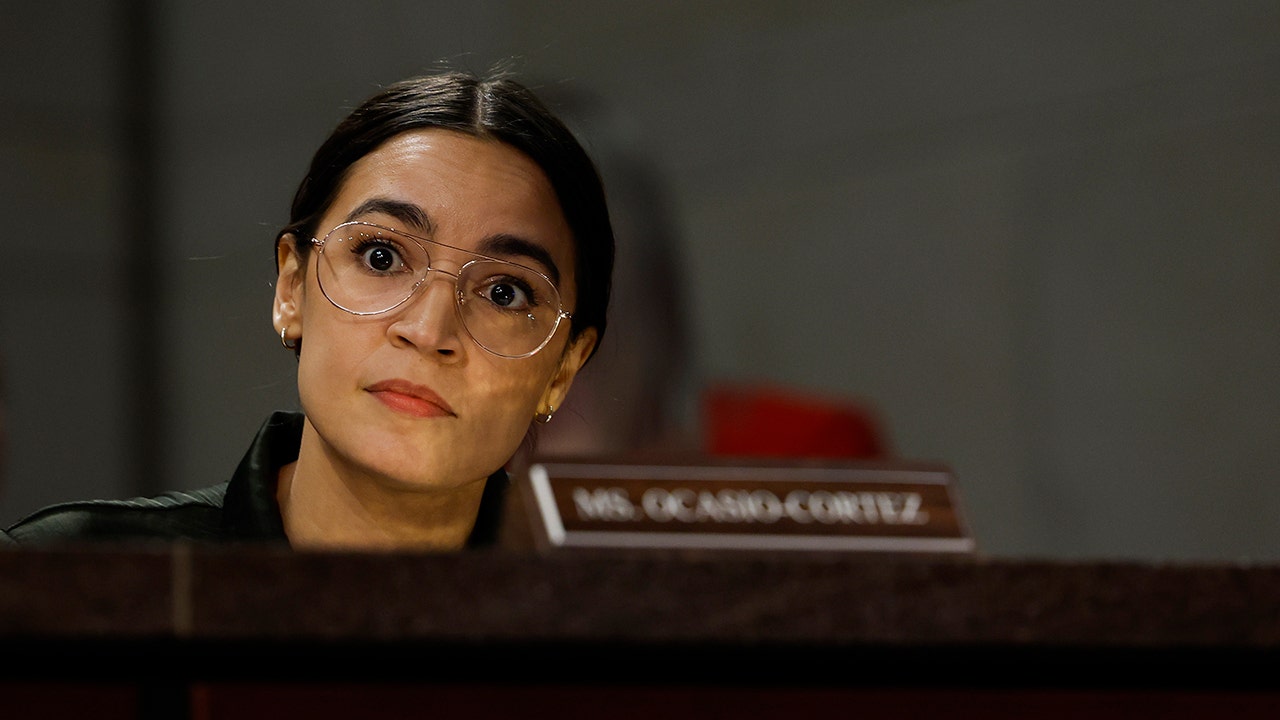
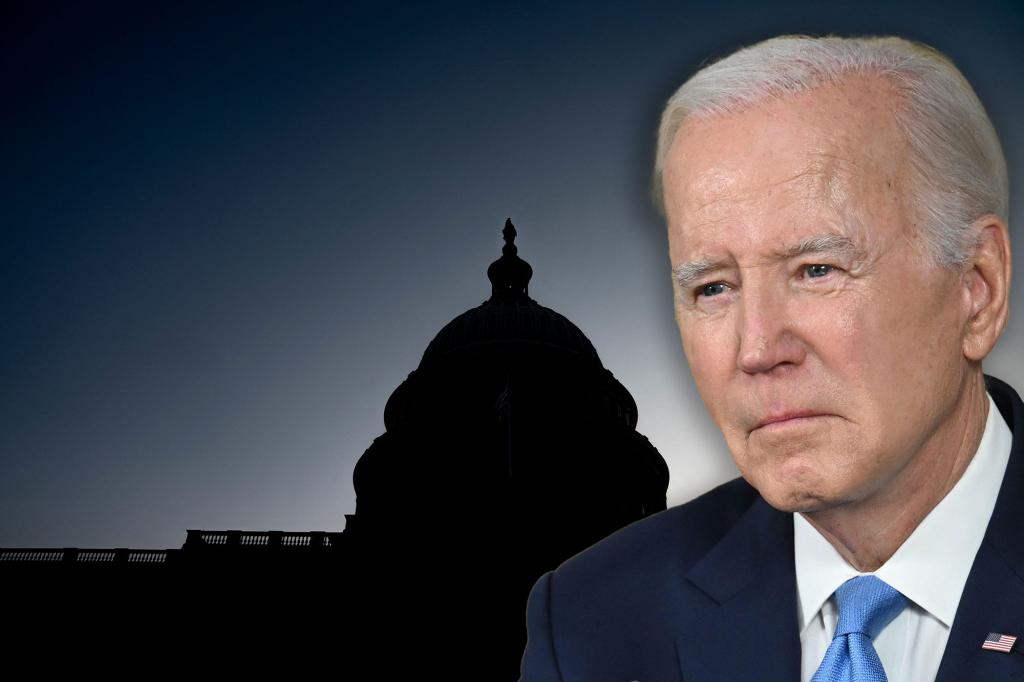
Rep. Alexandria Ocasio-Cortez criticized President Biden's new plan to cancel federal student loan debt, stating that it doesn't go far enough. Ocasio-Cortez called for the suspension of interest payments during the 12-month "on-ramp" period outlined in the plan. Biden's proposal, which invokes the Higher Education Act, aims to provide relief to borrowers but may take longer to implement. Ocasio-Cortez argued that Congress has given the president the authority to forgive student loan debt and expressed concerns about the Supreme Court's overreach. The previous student loan forgiveness plan proposed by Biden would have canceled up to $20,000 for Pell Grant recipients and $10,000 for other borrowers with incomes below $125,000.

economy2 years ago

US National Debt Surpasses $32 Trillion Mark.

The US national debt has exceeded $32 trillion for the first time ever, two weeks after President Biden signed legislation to suspend the nation’s borrowing limit through the end of 2024. Despite $1.5 trillion in spending cuts over the next decade, America’s gross national debt is still projected to exceed $50 trillion by 2033. The Peterson Foundation recommends establishing a bipartisan fiscal commission to look at all parts of the budget for cuts.

finance2 years ago

US Debt Default Fears Keep Investors Anxious Amid Wall Street Preparations.

The US may default on its debt in early June due to the debt ceiling deadline, which is a challenge to tackle in a divided Congress and ultra-slim vote margins in both bodies. The Treasury Department forecast months ago that the US could rendezvous with the debt ceiling deadline sometime over the summer. The Mattress Futures Index is not a real thing, but it could be a good place to invest if Congress doesn't react quickly.