Tag

Eye Strain

All articles tagged with #eye strain

technology1 year ago

Unlock This Essential Hidden iPhone Display Feature

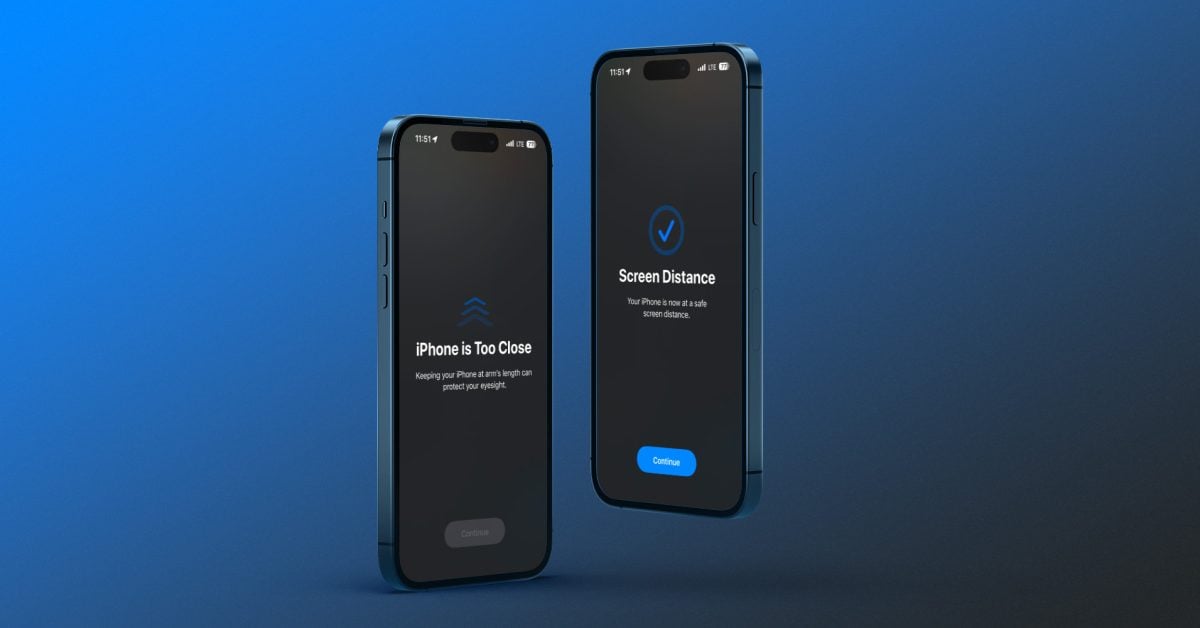
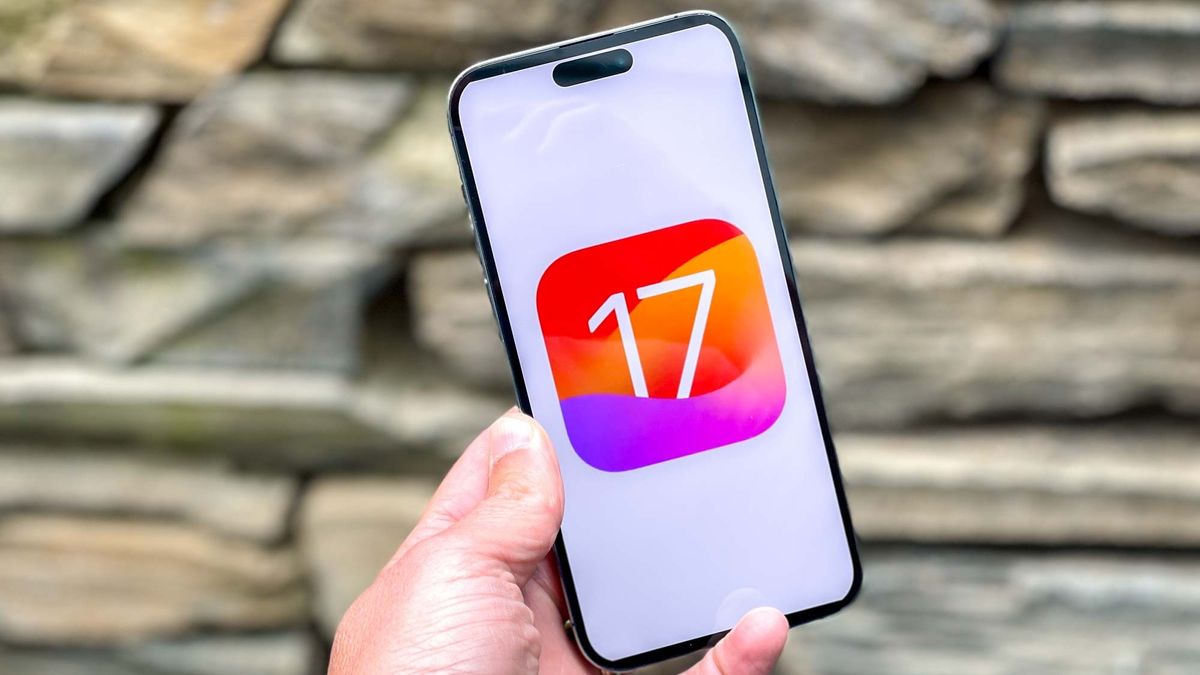
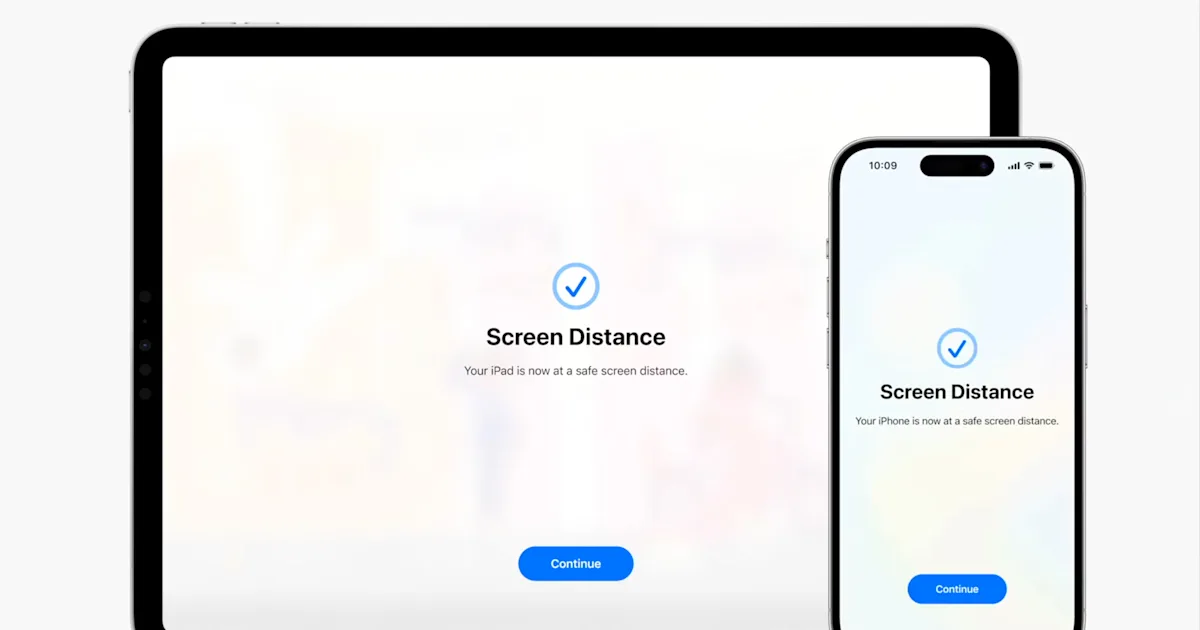
The iPhone's iOS 17 includes a hidden feature called Screen Distance, designed to reduce eye strain by warning users when they hold their phone too close to their face. To activate it, go to Settings, navigate to Screen Time, and turn on Screen Distance. While useful for maintaining a safe distance, it may be annoying for those who prefer to hold their phone close, especially in certain situations.

health1 year ago

"Understanding the Risks: Solar Eclipse Eye Damage vs. Eye Strain"

Solar retinopathy, or permanent eye damage from viewing a solar eclipse without proper protection, is incredibly rare, but there are signs to look for, such as a blind spot in central vision, increased sensitivity to light, distorted vision, changes in color perception, blurry vision, and vision-induced headaches. Symptoms can develop hours or days after viewing the eclipse, and urgent medical attention is advised if they persist. While there is no treatment for solar retinopathy, most cases reported to doctors are likely to be eye strain, which can occur even with proper eye protection. Permanent eye damage from the eclipse is very rare, with only a few documented cases, but it's important to seek medical attention if symptoms persist.

technology1 year ago

"2024's Ultimate Monitor Guide: Curved, Ultrawide, and Vertical Options Compared"

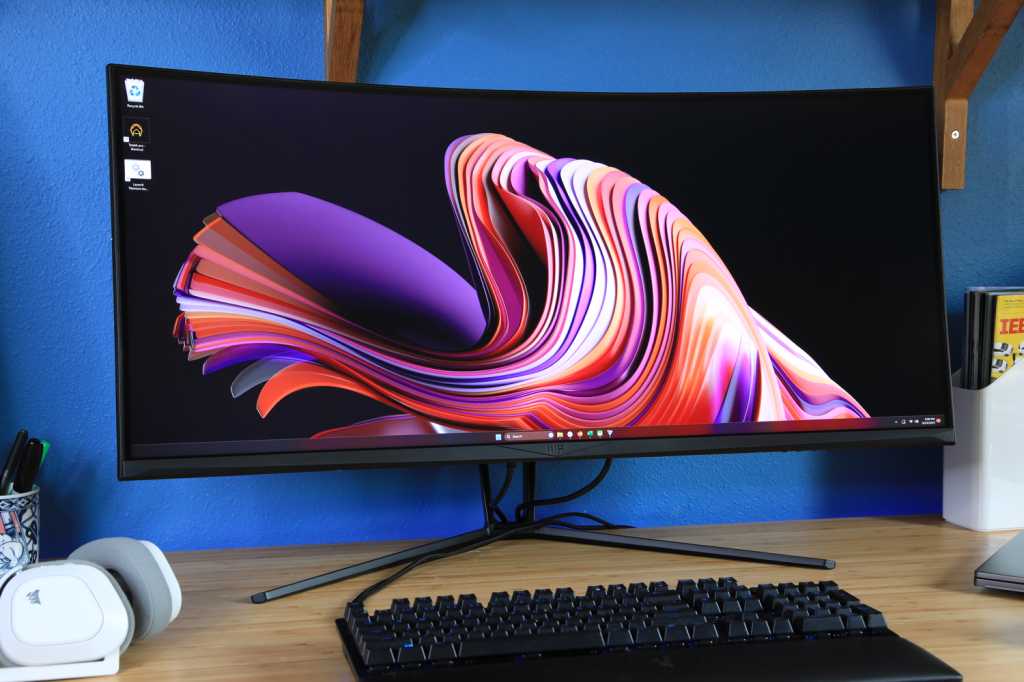
Curved gaming monitors offer an immersive experience, easier multitasking, reduced distortion, and decreased eye strain, but they require more desk space and can be more expensive than flat monitors. The Alienware AW3423DW is a top pick for ultrawide monitors, while the Dell G2724D is a budget-friendly flat monitor option. The decision between curved and flat monitors depends on individual preferences, budget, and available desk space.

technology1 year ago

"Risks of Daily Apple Vision Pro Use: Stanford Study's Warning"

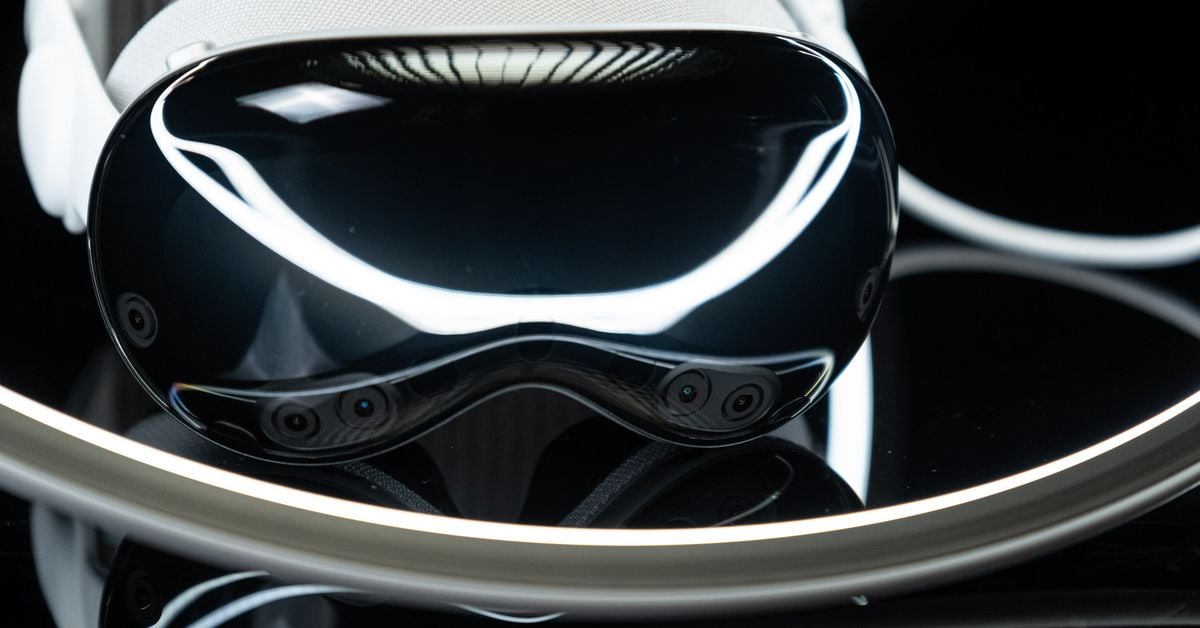
Experts say that VR and screen usage, including the Apple Vision Pro, do not cause permanent damage to the eyes, but can lead to temporary symptoms like eye strain, dizziness, and nausea. These symptoms are often caused by factors such as not blinking enough, depth simulation mismatch, and excessive rubbing of the eyes. While there isn't conclusive evidence on the impact of VR on children's vision, VR headset makers advise caution and recommend taking breaks, ensuring a proper fit, and using eye drops to mitigate discomfort.

technology1 year ago

"Boosting Productivity with Apple Vision Pro: A $3,499 Headset Review"

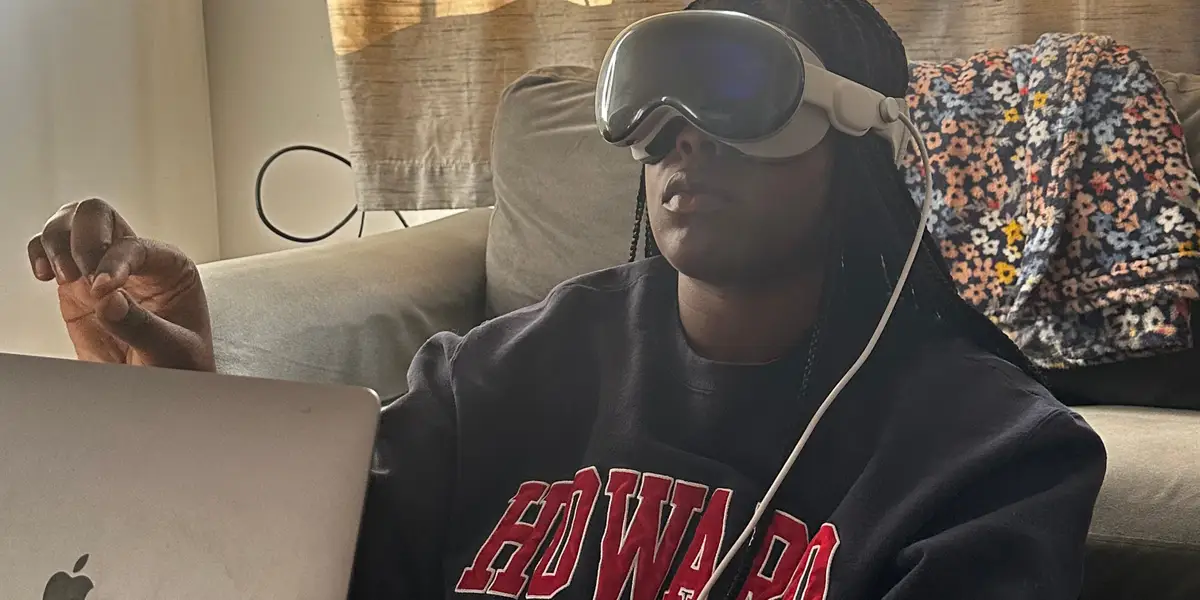
The Apple Vision Pro headset proved to be a useful tool for multitasking and productivity during a day of remote work, allowing the user to have work tabs, entertainment, and communication all in one device. However, the experience also led to significant eye strain and discomfort, limiting its practicality for extended use. Despite this, the device has the potential to be a game changer for remote workers, although concerns about eye fatigue and weight remain.

technology2 years ago

"iPhone Screen Distance: Protecting Eyes and Reducing Eye Strain"

Apple's new health feature, Screen Distance, available on iOS 17 and iPadOS 17, helps prevent eye strain and reduce the risk of myopia by encouraging users to keep their devices at least 12 inches away from their eyes. The feature measures the distance between the screen and the user's eyes, and the data collected remains on the device and is not shared with Apple. Users can enable Screen Distance in the Settings app under Screen Time.

technology2 years ago

The Harsh Reality of Working in VR: A Week of Frustration and Disappointment

The author spent a week working in virtual reality (VR) using the Meta Quest 3 headset and found the experience to be mostly terrible, with eye strain, headaches, and decreased productivity. However, there were some impressive aspects, such as the ability to interact with people from around the world and conduct meetings in VR. Despite the potential, the author concludes that VR work is not yet ready for primetime due to the bulky and cumbersome nature of the technology.

health2 years ago

Decoding the Hidden Messages of Headache Locations

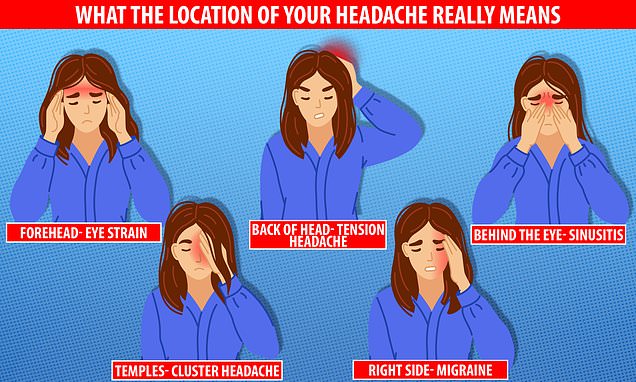
The location of your headache can provide clues about its cause. Forehead pain may be due to eye strain from screen use, while sore temples can be caused by toothache, tension headaches, or migraines. Pain at the back of the head can be attributed to tension headaches, neck strain, or, in rare cases, a blood vessel leak. A headache concentrated on one side could indicate a migraine, while pain behind the eyes may be a sign of sinusitis. It's important to seek medical attention if headaches are accompanied by fever, changes in vision, or intense pain. Most headaches are benign and can be relieved with rest, painkillers, and appropriate self-care measures.

health2 years ago

The Truth About Blue Light Glasses: Do They Really Help with Eye Strain and Sleep Quality?


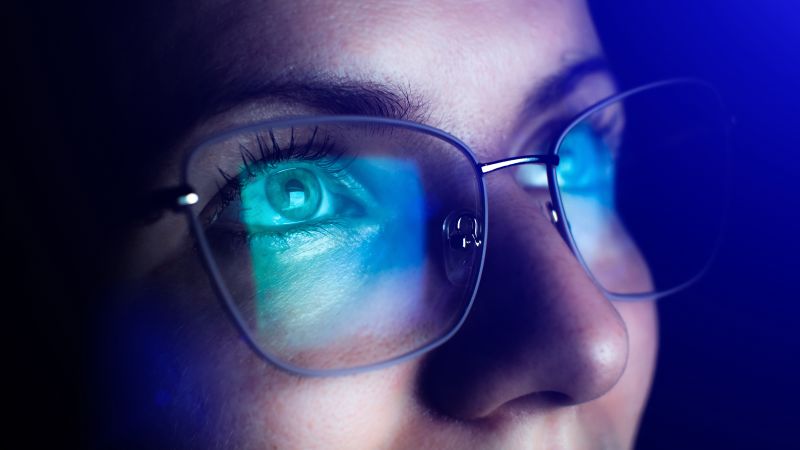
A new analysis of 17 randomized controlled trials suggests that blue light blocking glasses may not provide significant benefits for eye strain or sleep quality. The study found no short-term advantages in using blue-light filtering spectacle lenses compared to non-blue-light filtering lenses. It remains unclear whether these glasses affect vision quality or sleep-related outcomes, and more research is needed to assess any potential long-term effects. Experts recommend taking regular screen breaks and following the "20-20-20 rule" of looking away from screens every 20 minutes for 20 seconds to relax the eyes.

health2 years ago

The Effectiveness of Blue Light Glasses on Eye Strain and Sleep: New Study Findings

A new study published in the Cochrane Database of Systematic Reviews suggests that blue light-blocking glasses may not provide relief from computer-induced eye strain or improve sleep quality. The study found no substantial evidence to support the effectiveness of these glasses in reducing visual fatigue or protecting the retina from light-induced damage. While no serious side effects were reported, the study does not support the prescription of blue light glasses to the general population. Further research is needed to determine the long-term effects and efficacy of these glasses.

health2 years ago

Debunking the Effectiveness of Blue-Light Glasses: New Study Raises Doubts

Adding a blue-light filter to eyeglasses may not alleviate eye strain from computer use, protect the retina, or improve sleep quality, according to a review of existing research. The study found no short-term advantages in using blue-light filtering lenses, and it remains unclear whether these lenses affect vision quality or long-term retinal health. Ophthalmologists suggest that most eye strain is caused by computer vision syndrome, which is related to prolonged screen time, and recommend other measures such as regular eye check-ups, maintaining an appropriate distance from the screen, taking breaks, and using larger external displays to reduce strain.

technology2 years ago

"iOS 17 introduces eye strain prevention feature"

Apple's new opt-in feature, Screen Distance, uses the TrueDepth Camera in iOS 17 and iPadOS 17 to detect the distance between the screen and the user's eyes and reduce eye strain. Once enabled, the feature sends a notification warning if the phone is held too close to the eyes for several minutes. Screen Distance is compatible with iPhone XS and newer models, as well as with 11-inch and 12.9-inch iPad Pro models released in 2018 or later.

health2 years ago

"The Future Look of Remote Workers: A Hunchbacked Model Prediction"

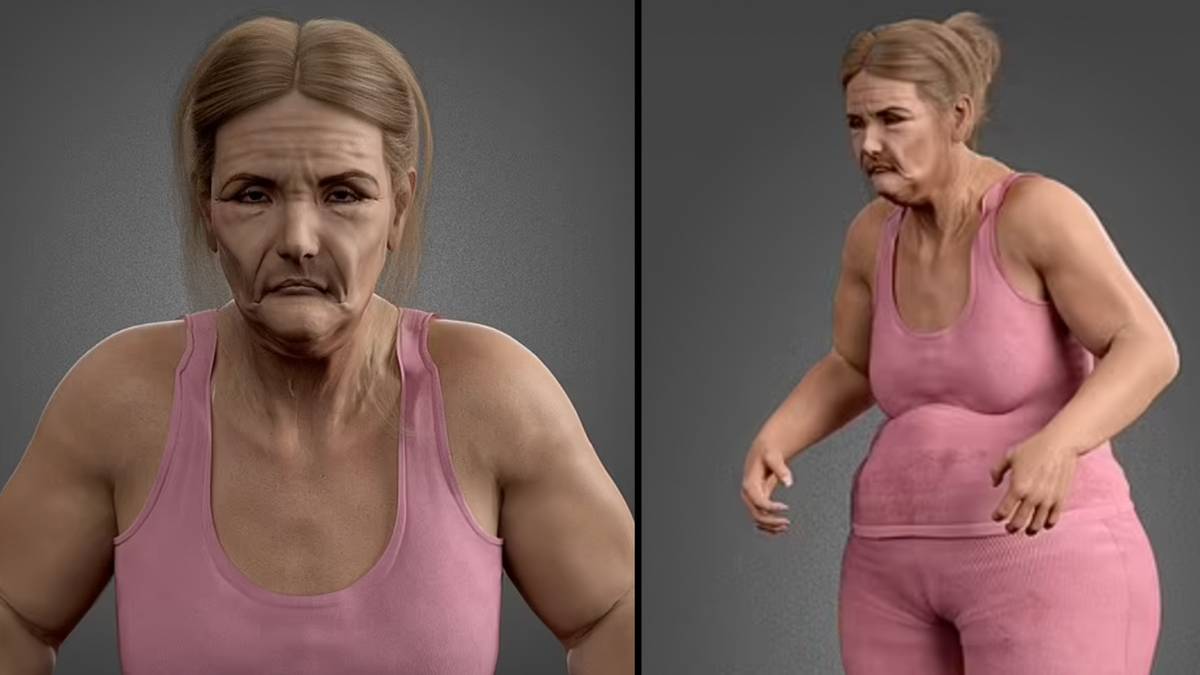
Researchers have created a model named Anna to show what remote workers could look like by 2100 due to poor posture, screen exposure, and lack of exercise. Anna has a hunchback, swollen eyes, and claw-like hands. Experts advise remote workers to take regular breaks, set up a designated workspace with ergonomic furniture, and follow the 20-20-20 rule to avoid health issues.

technology2 years ago

Apple introduces kid-friendly eye strain reduction features.

Apple announced new features during its annual WWDC aimed at reducing eye strain for kids, including a daylight sensor and alerts to move the screen farther away from their eyes. The features are targeted at kids because myopia usually develops in childhood and affects about 30% of the US population. Apple also introduced a new Apple Watch feature that uses the ambient light sensor to measure how much time the wearer spends outside, which can help reduce the risk of developing nearsightedness. All Health app data, including the vision updates for kids, is encrypted.