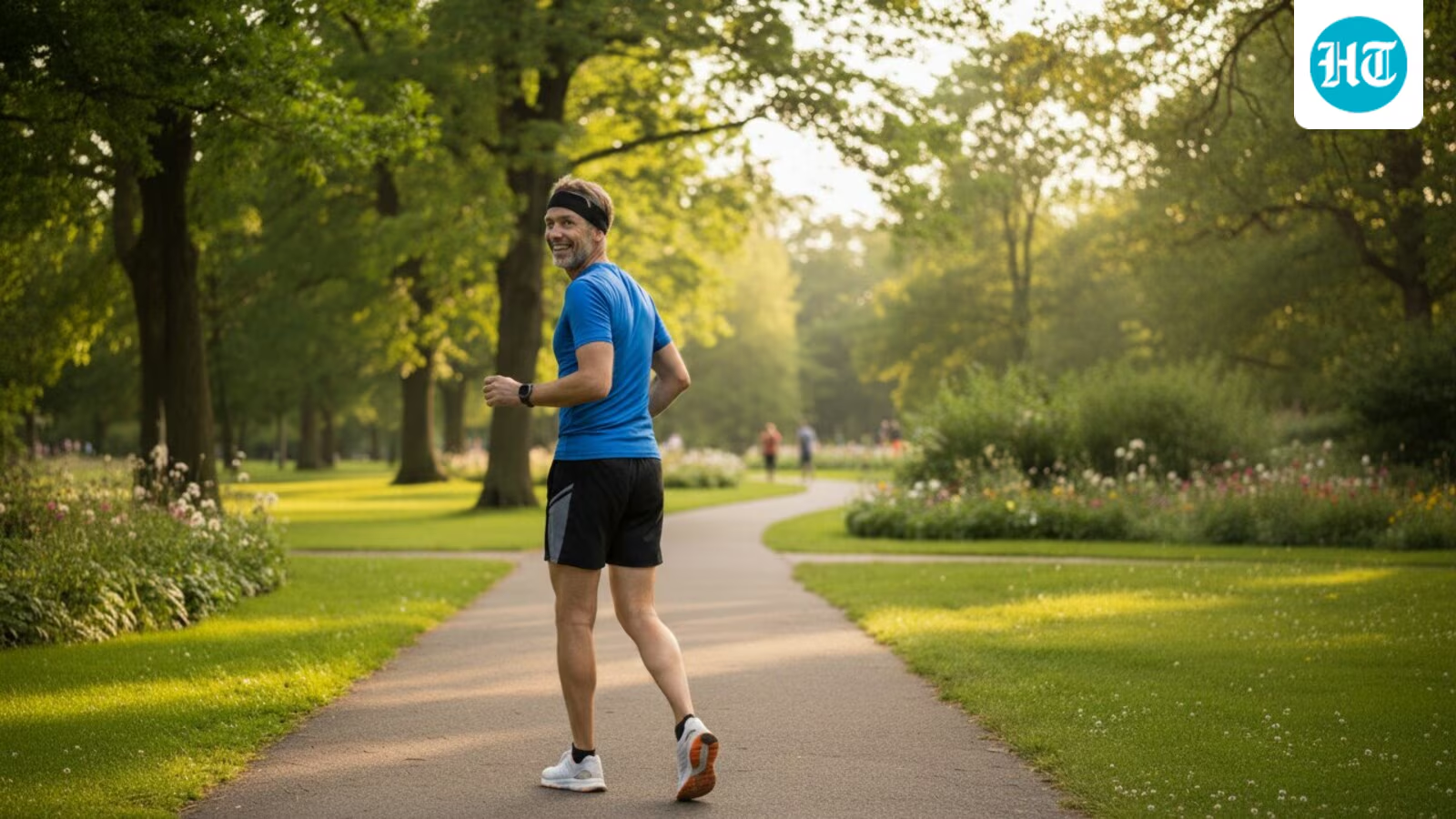
Orthopaedic surgeon Dr. Mayank Daral highlights the benefits of backward walking, which can strengthen hamstrings, glutes, and calves, support knee health, and reduce pain, supported by scientific studies suggesting its potential as a non-surgical intervention for knee issues.
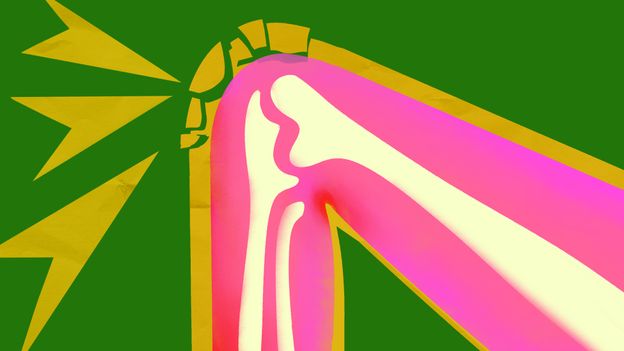
The article emphasizes the importance of knee health, especially as we age, and recommends simple, daily exercises like step-ups, squats, leg raises, calf raises, and sit-to-stand to strengthen the muscles supporting the knees, potentially delaying degeneration and reducing pain.
A physical therapist recommends isometric holds as a safe and effective way to reduce knee pain and strengthen the muscles around the knee, particularly the quadriceps, which help stabilize the kneecap. These exercises involve holding positions without joint movement and can be performed with minimal equipment, providing immediate pain relief and aiding in long-term recovery when done regularly and with professional guidance.
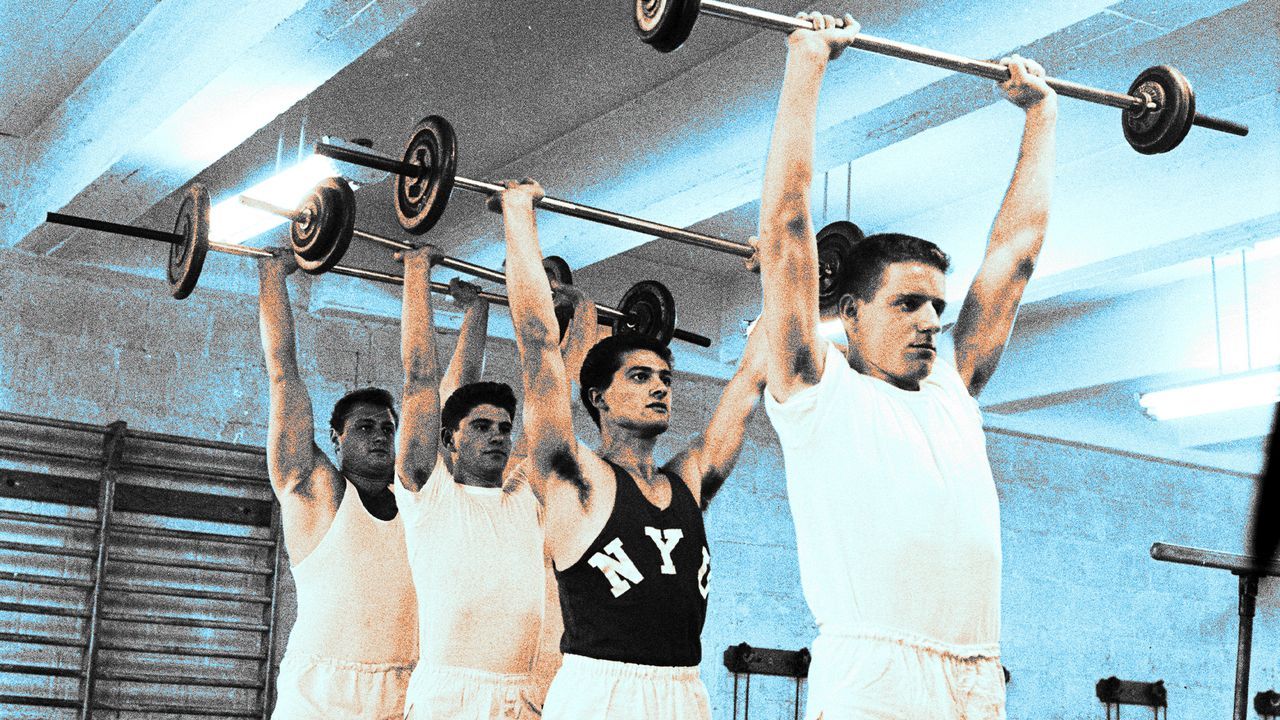
A study in the British Journal of Sports Medicine suggests that strength training can lead to longer, healthier lives, and a supervised exercise trial found that combining cardio with strength training may be as effective in preventing cardiovascular disease as cardio alone. However, only 24.2% of adults meet the recommended physical activity guidelines for both aerobic and muscle-strengthening activities. Strength training is not just for bodybuilders and can be started with bodyweight exercises and everyday movements. It's important to focus on balanced, full-body strength training and incorporate prehab exercises and mobility work to prevent injury and ensure functional strength.
Staying fit and maintaining a healthy weight becomes increasingly important as we age. For individuals over 40, fat accumulation, especially around the midsection, can be a common concern. Certified personal trainer Andrew White recommends three beginner-friendly, at-home exercises to tackle fat loss: squats, push-ups, and standing leg lifts. Squats engage multiple muscle groups and boost metabolism, push-ups target the upper body and core muscles, and standing leg lifts strengthen the lower body while engaging the core. These exercises can be easily incorporated into a home workout routine without any special equipment.
A new study published in JAMA Internal Medicine examined the associations between different combinations of aerobic and muscle-strengthening activities and all-cause mortality. The study found that any level of physical activity was better than none, with higher levels of vigorous physical activity (VPA) showing greater benefits. Additionally, engaging in muscle-strengthening activities for at least two days a week was associated with reduced mortality. While the study does not establish causation, it suggests that a combination of aerobic and muscle-strengthening exercises may have positive health effects.
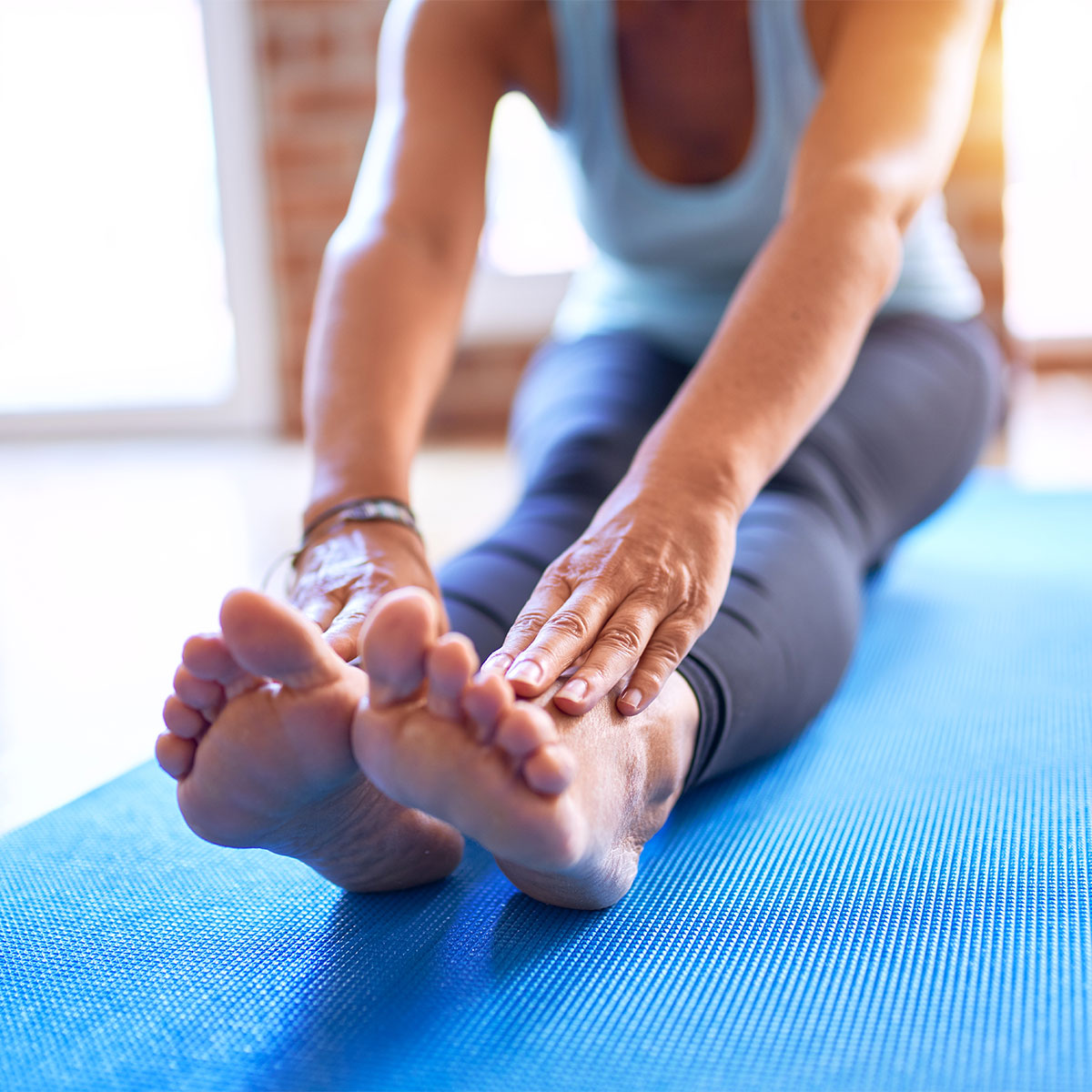
Hip abduction exercises strengthen the gluteus medius muscle, which is responsible for stabilizing the pelvis and controlling leg movements. These exercises can be performed in various positions, including using a machine in the gym designed specifically for hip abduction. Strong hip abductors can help prevent symptoms or conditions such as low back pain, hip pain, and patellofemoral syndrome.
Walking for 30 minutes every day can have numerous health benefits, including weight management, improved cardiovascular health, better mental well-being, enhanced bone and joint health, improved digestion, increased energy levels, improved cognitive function, and longevity. Walking can also help with weight loss by burning calories, regulating appetite, reducing stress, and preserving muscle mass. It can also strengthen various muscle groups, including the legs, core, and arms. Additionally, walking can have positive effects on mental health by improving mood, reducing stress, enhancing cognitive function, and promoting mindfulness and relaxation.
Walking for 30 minutes every day can offer numerous health benefits, including weight management, improved cardiovascular health, mental well-being, bone and joint health, enhanced immune function, diabetes management, increased energy levels, improved cognitive function, and longevity. Walking can also be an effective tool for weight loss and weight management by burning calories, regulating appetite, reducing stress, and maintaining muscle mass. Additionally, walking offers several benefits for mental health, including mood enhancement, stress reduction, mindfulness and relaxation, cognitive function and creativity, self-esteem and confidence, social interaction, improved sleep, anxiety and depression management, mind-body connection, and coping with emotional challenges. Walking is a whole-body exercise that engages various muscle groups, including the legs, core, and arms, contributing to overall muscular endurance and toning.
Regular aerobic exercise, even less than the recommended 150 minutes per week, may significantly reduce the risk of death from flu or pneumonia, according to a new study. However, the benefits seem to plateau or even become harmful beyond a certain level of activity, particularly in muscle strengthening exercises. The study evaluated the responses of over 577,000 adults who participated in the US National Health Interview Survey (NHIS) from 1998 to 2018. Those meeting both the aerobic activity and muscle strengthening targets had almost half the risk of dying from flu or pneumonia compared to those meeting neither target.