In 2025, science unraveled numerous historical mysteries, including the identification of a well-preserved Austrian monk, insights into ancient Polynesian statues, the origins of a Danish warship, the true cause of Shackleton's ship sinking, and the genetic analysis of ancient wolf pups, shedding new light on our understanding of the past.
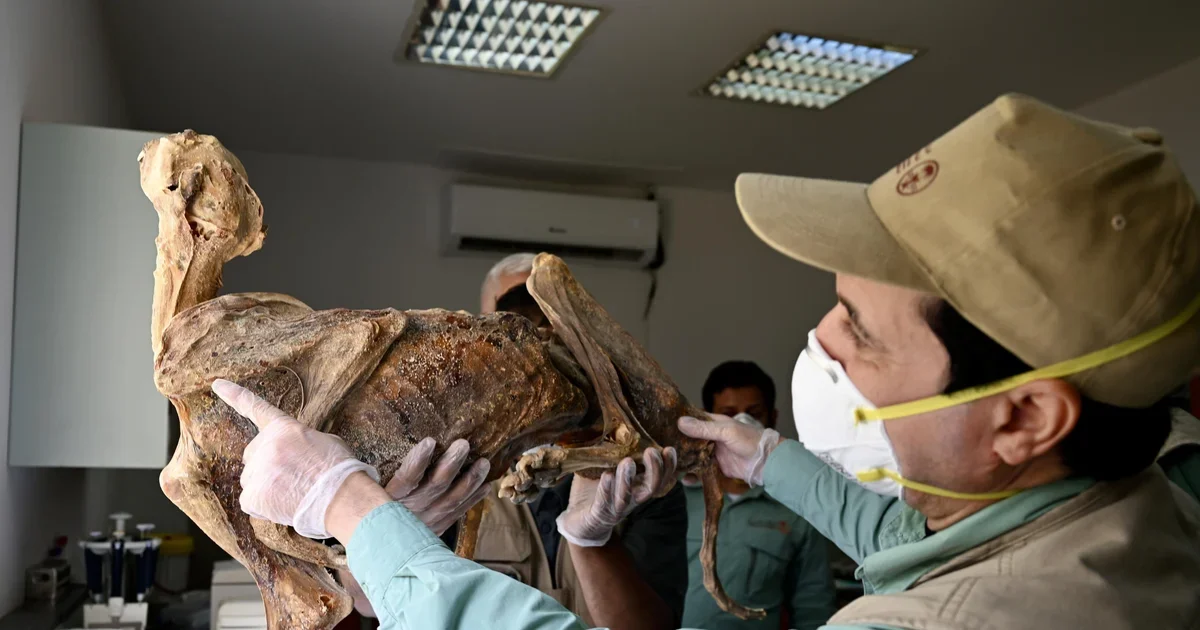
Scientists analyzed 7,000-year-old mummified women from Libya, revealing a unique North African lineage with minimal Neanderthal DNA, suggesting isolated evolution and cultural diffusion of herding practices during the Sahara's Green period, reshaping understanding of early human migration and adaptation.
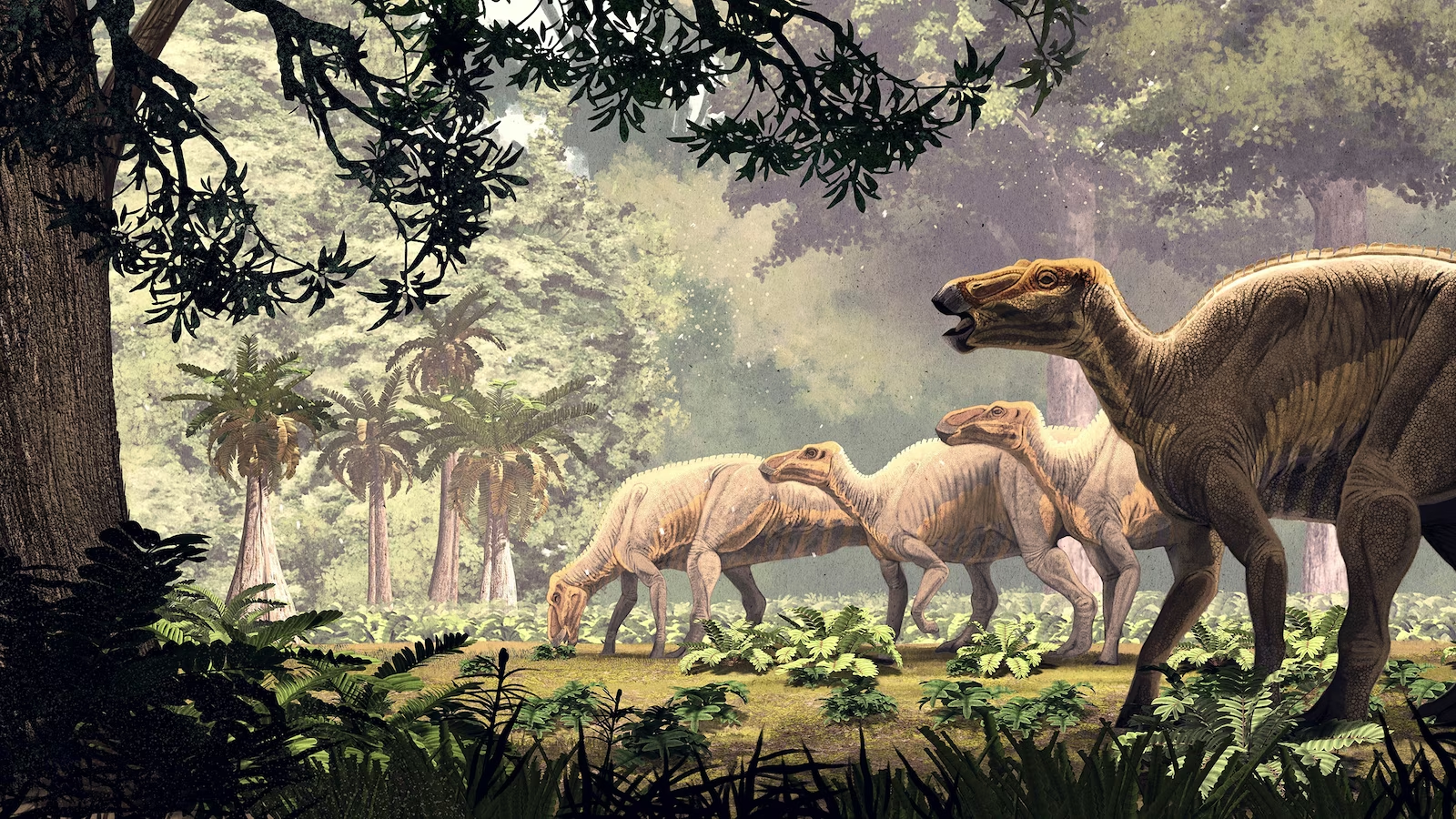
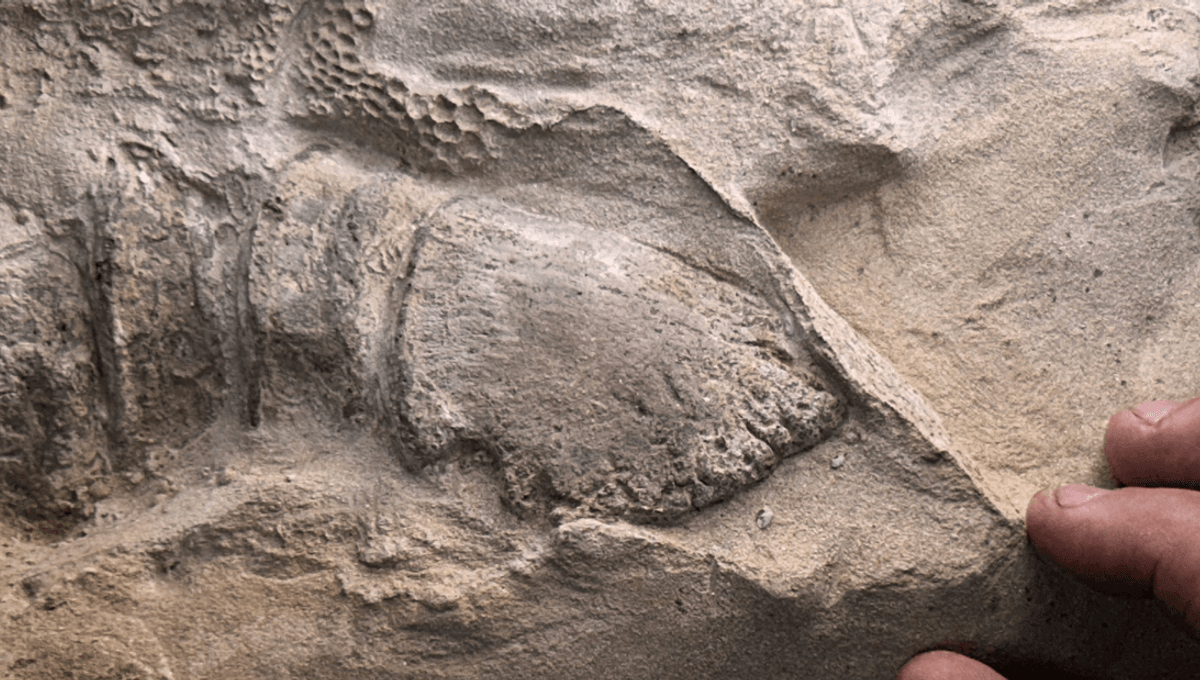
Researchers reexamined 100-year-old dinosaur fossils from Wyoming and discovered they are exceptionally well-preserved, retaining skin, spikes, and hooves, providing the most complete view of a large dinosaur to date and offering new insights into their appearance and soft tissue preservation.
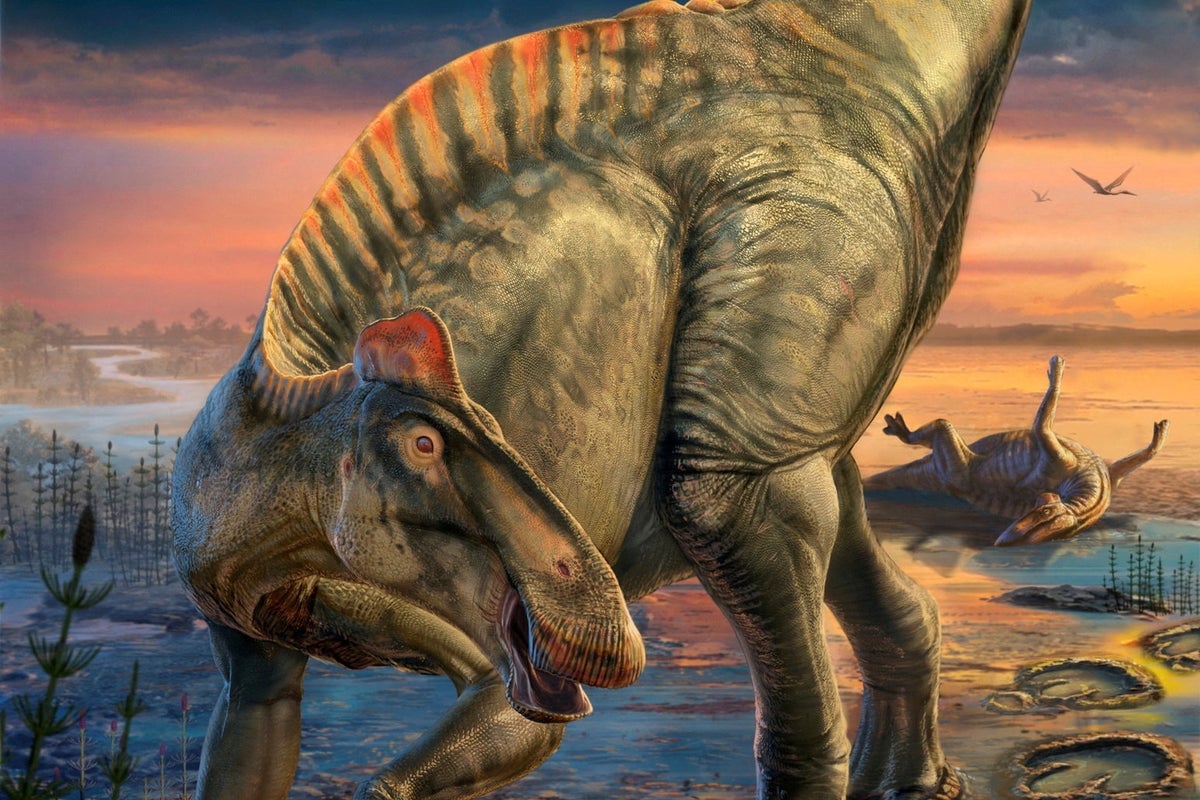
Scientists reexamined 100-year-old fossils of Edmontosaurus annectens from Wyoming and discovered exceptionally preserved mummified body parts, including skin, hooves, and spikes, providing new insights into the dinosaur's appearance and biology, such as the first evidence of hooved feet in a reptile and detailed skin features.
Scientists have discovered well-preserved dinosaur mummies from Wyoming that reveal some had hooves, a first in paleontology, providing new insights into dinosaur anatomy and appearance.
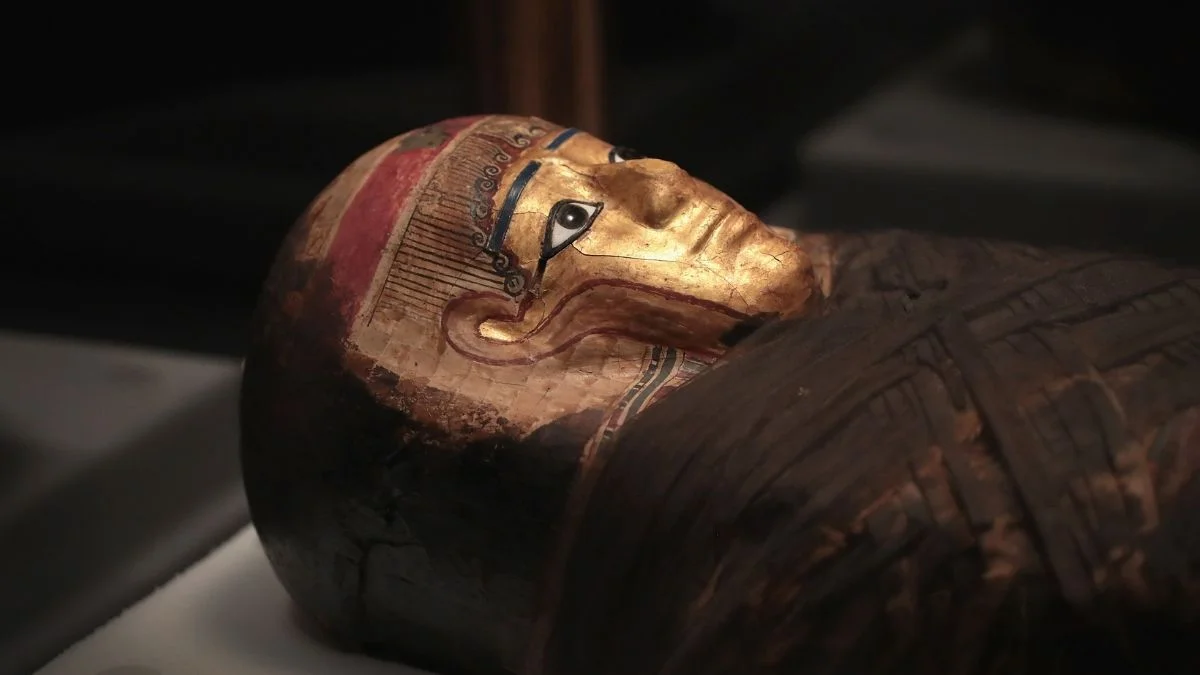
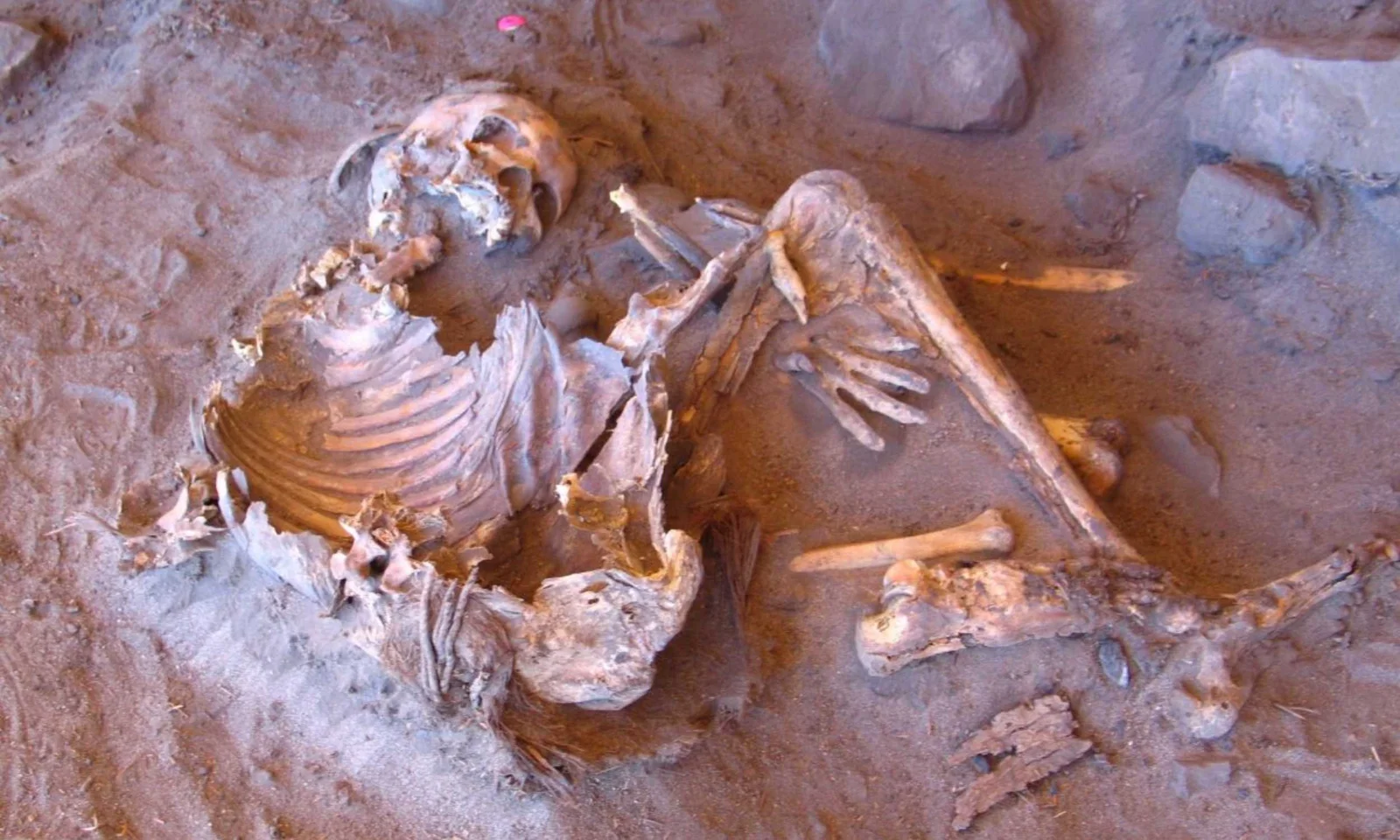
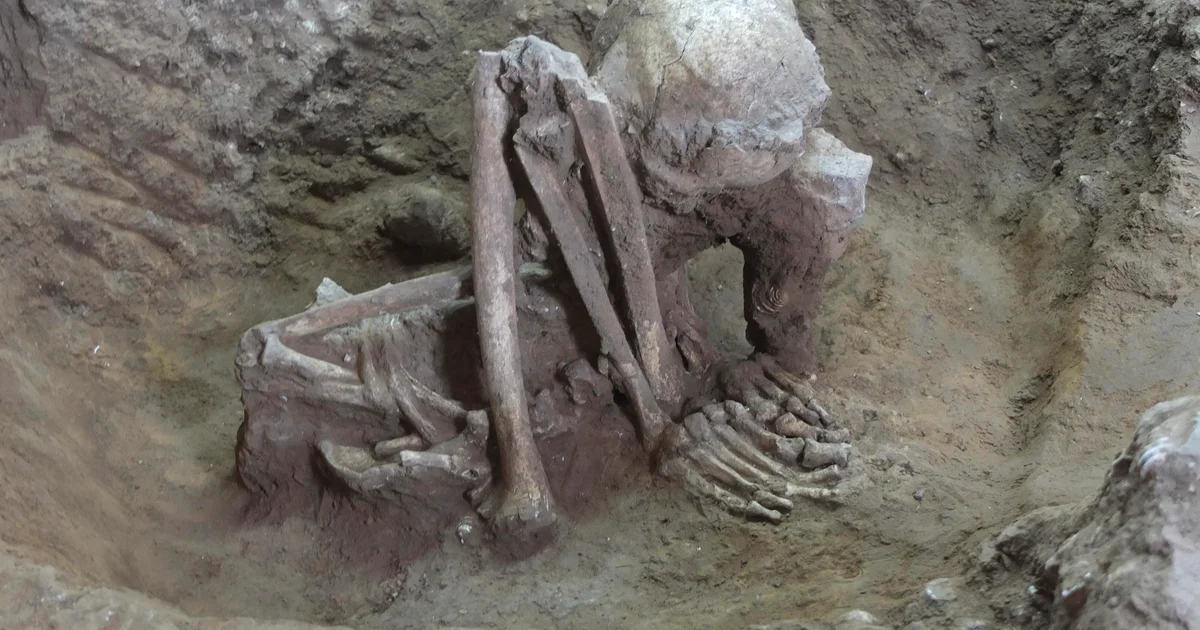
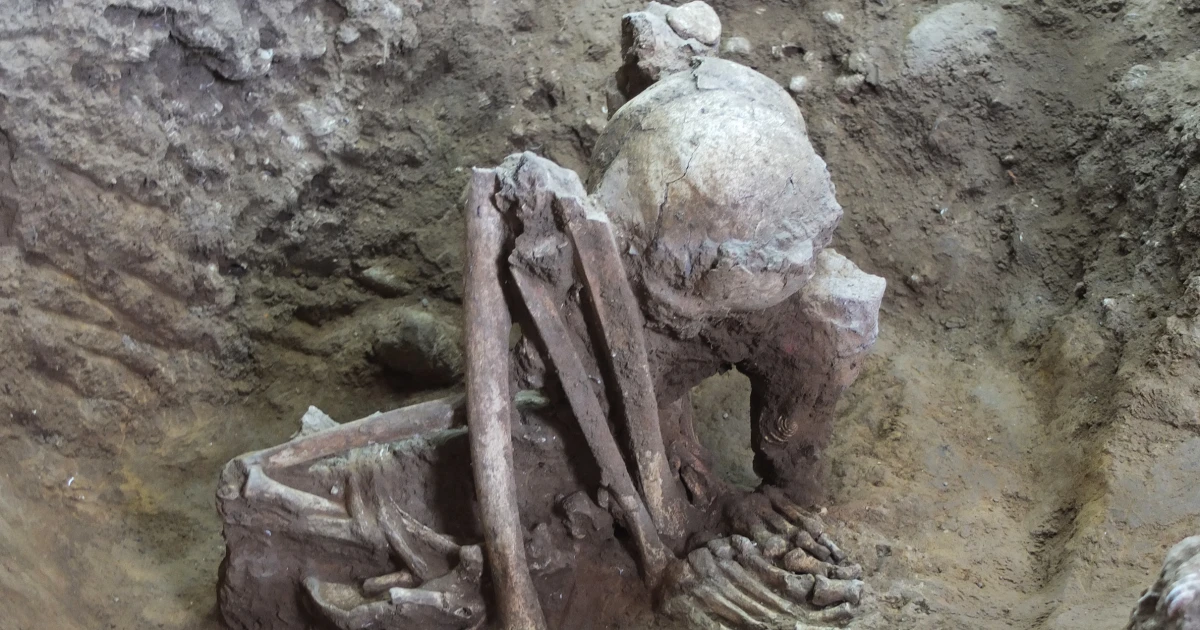
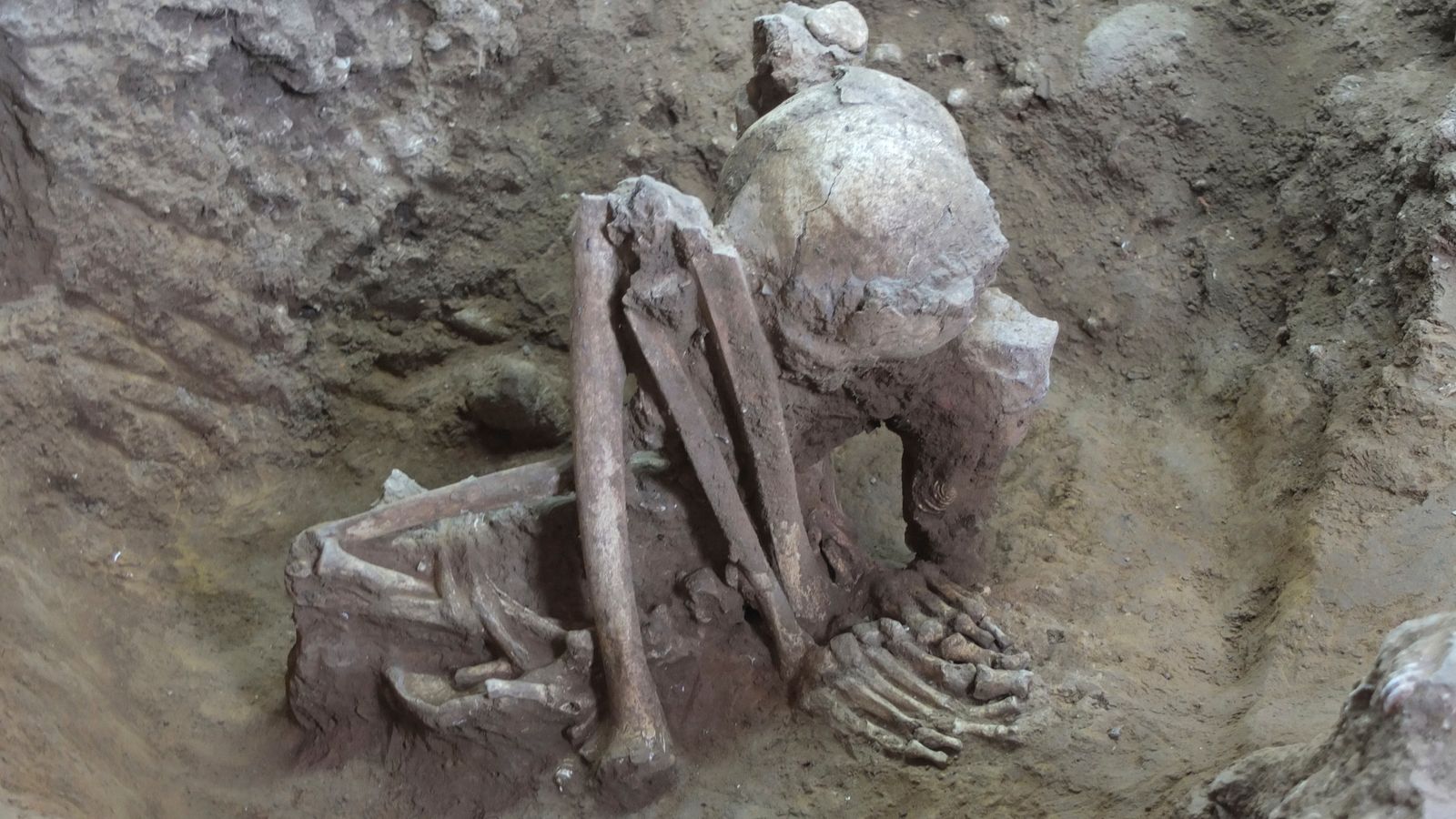
Scientists have discovered what are believed to be the world's oldest mummies in southeastern Asia, dating back up to 12,000 years, created through a smoke-drying process by ancient hunter-gatherer communities, revealing a long-standing tradition of preserving and honoring ancestors.
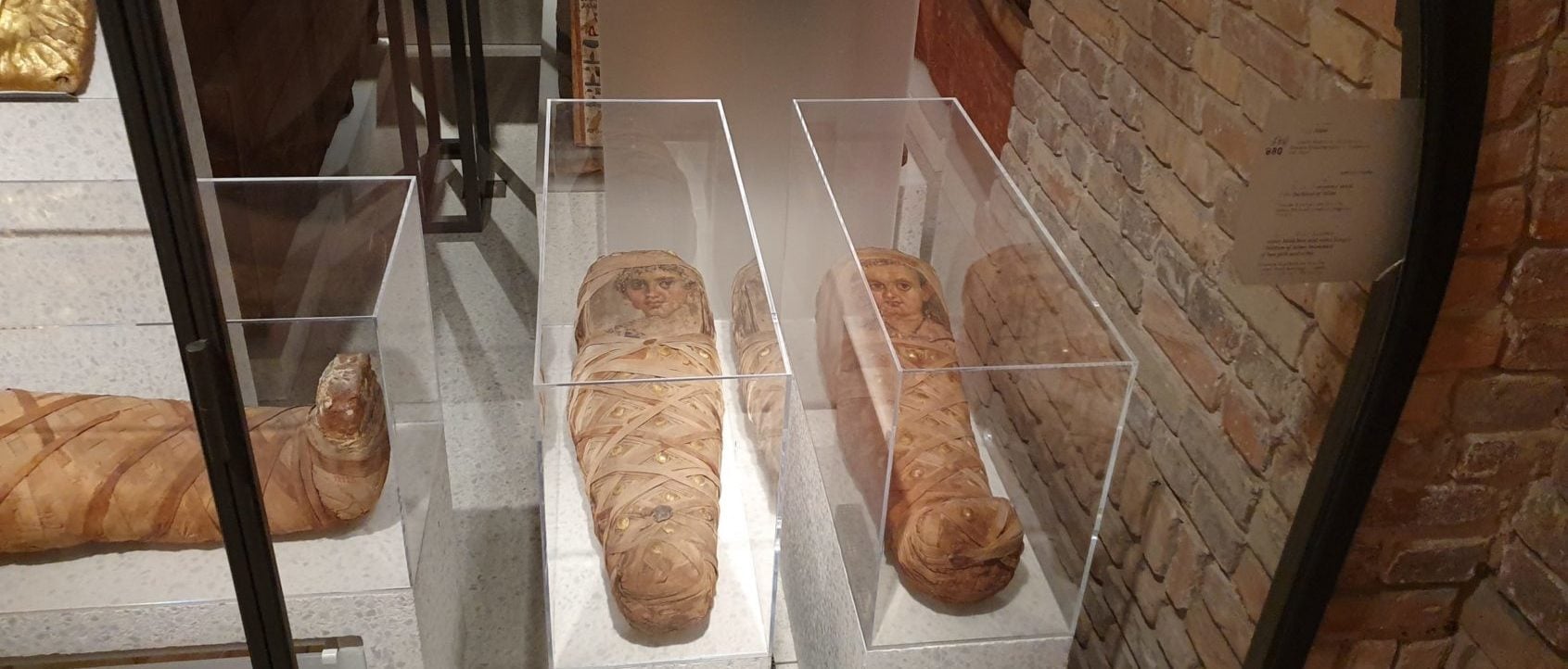
Researchers have discovered the world's oldest mummies in southern China and Southeast Asia, dating back between 4,000 and 14,000 years, challenging the traditional association of mummies with Egypt and revealing advanced preservation techniques among early hunter-gatherer populations.
Scientists have potentially discovered the world's oldest mummies in Southeast Asia, dating back 12,000 years, with evidence suggesting they were smoke-dried over fires, providing insights into ancient funerary practices across the region.
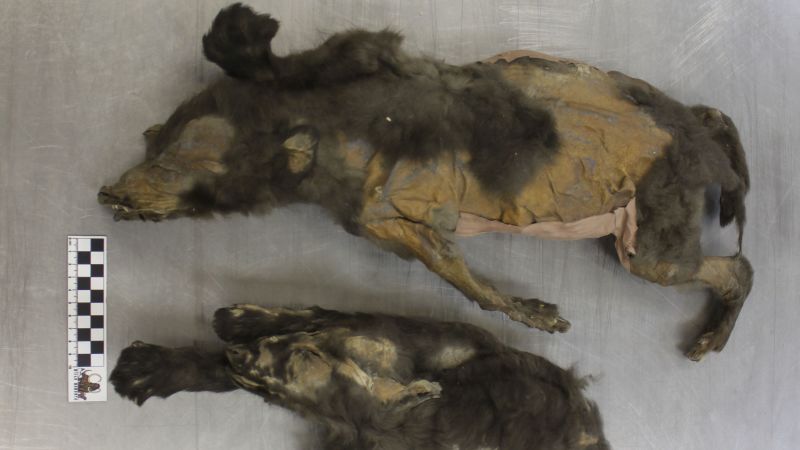
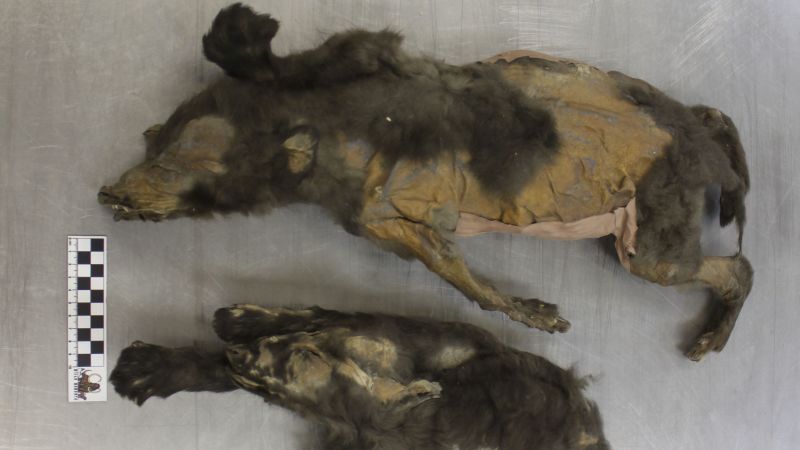
New research suggests that the 14,000-year-old well-preserved 'Tumat Puppies' found in Siberia were likely wolf pups, not early domesticated dogs, based on genetic and dietary analysis, shedding light on the life of ice age wolves and the complexities of dog domestication.
New research on 14,000-year-old ice age 'puppies' found in Siberia suggests they were not early domesticated dogs but rather wolf pups that lived independently, shedding light on the challenges of tracing dog domestication and the behavior of ancient wolves.
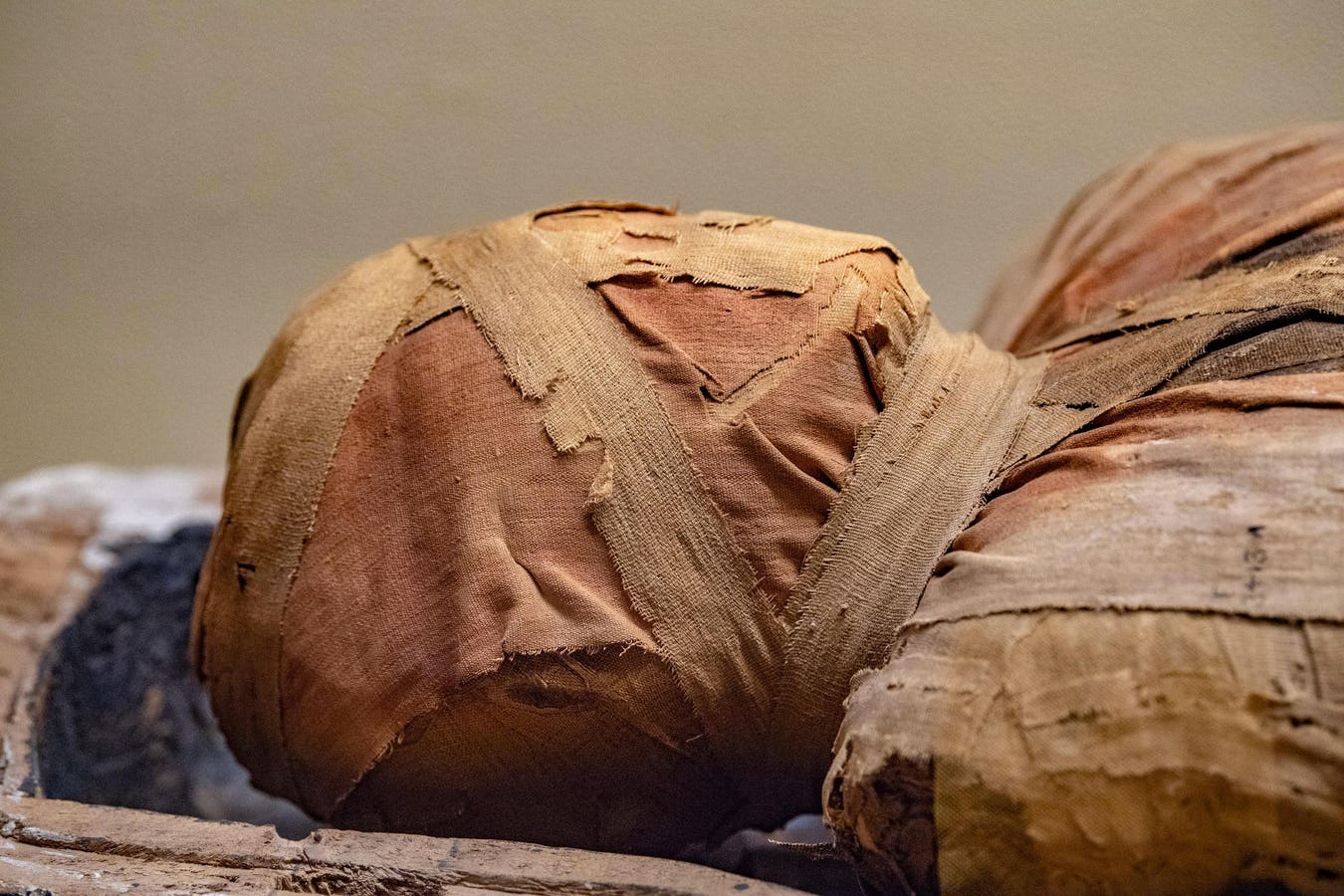
A study published in the European Heart Journal found that 37.6% of 237 mummies from various ancient cultures, spanning over 4,000 years, showed evidence of atherosclerosis, indicating that heart disease and stroke are not just modern phenomena but have long been present in human history.
A study led by Dr. Randall C. Thompson and published in the European Heart Journal reveals that heart disease, specifically atherosclerosis, has been present in humans for over 4,000 years, challenging the notion that it is a modern condition. The research examined 237 mummies from various cultures and time periods, finding that over 37% had signs of the disease. Despite these findings, modern lifestyle choices still significantly impact heart disease risk.
Cardiologists, including Dr. Randall Thompson from Saint Luke’s Mid America Heart Institute, have discovered evidence of heart disease in mummies dating back over 4,000 years, suggesting that atherosclerosis is an inherent human condition. The Global HORUS Study, published in the European Heart Journal, analyzed CT scans of 237 mummies from various ancient cultures, finding significant instances of arterial plaque. This research highlights the long-standing nature of heart disease and underscores the importance of modern preventive health measures.
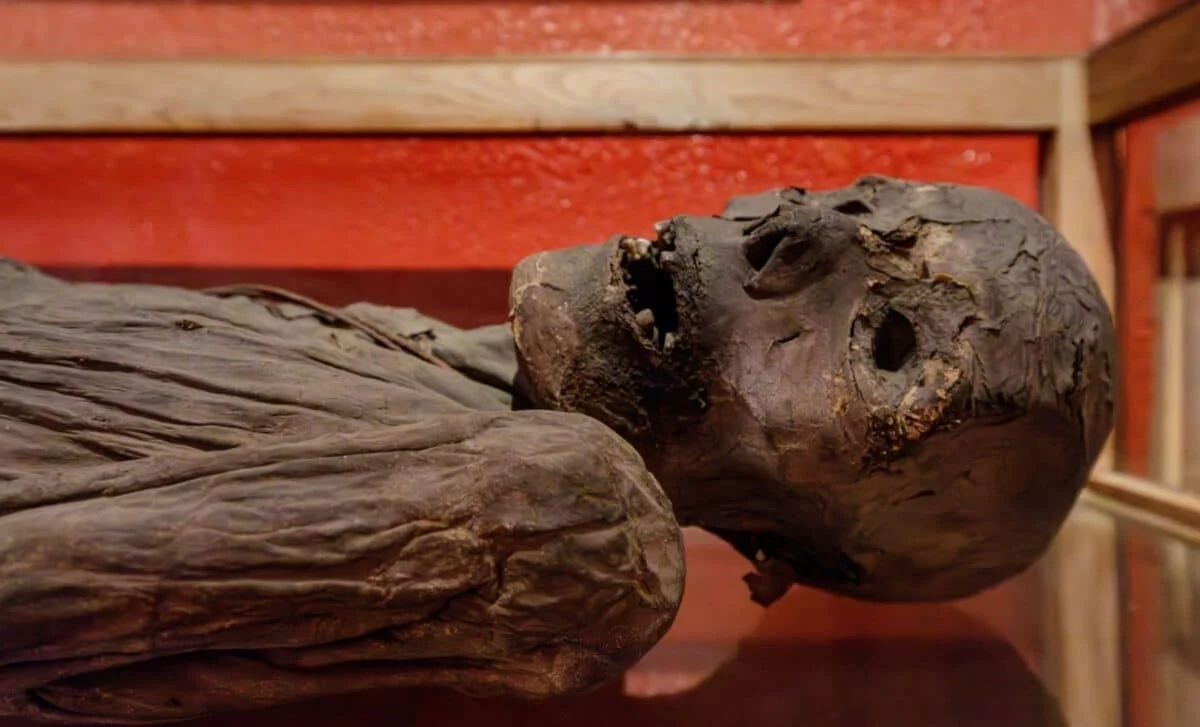
Mexico's federal archaeology agency, INAH, has accused the city of Guanajuato of mishandling a 19th-century mummy, resulting in the detachment of its arm during museum renovations. The incident highlights a jurisdictional dispute between INAH, which considers the mummies national patrimony, and Guanajuato, which views them as tourist attractions. The INAH criticized the lack of proper protocols and training among local personnel and demanded an accounting of the procedures followed during the renovations.
True Detective: Night Country showrunner Issa López drew inspiration from rat kings, frozen shrimp, and mummies to create the horrifying "corpsicle" in the series, which she describes as the MacGuffin of the season. The entangled bodies of the missing Tsalal researchers were influenced by grotesque mental images, Dante's Inferno illustrations, and Mexican mummified bodies. López worked closely with the production team and prosthetic makers to bring the corpsicle to life, even adding lines about it in postproduction, and the entity is now a central element of the show.