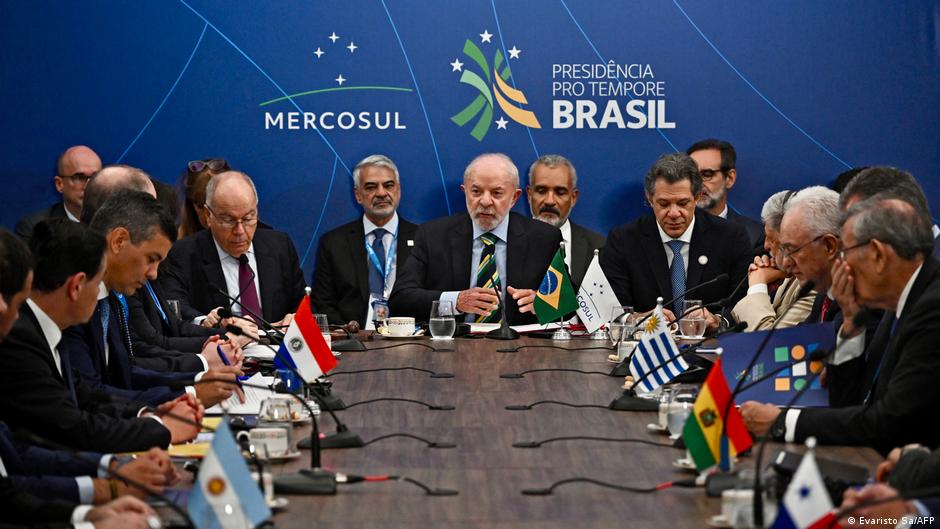
Brazil's President Lula warned that US intervention in Venezuela could lead to a humanitarian catastrophe and warned against military escalation, emphasizing regional stability and peaceful resolution during a Mercosur summit.
Brazilian President Lula warned against US military action in Venezuela, calling it a potential humanitarian catastrophe, while Argentine President Milei supported US pressure on Caracas; the summit also saw calls for the EU to sign a long-delayed trade deal with Mercosur.
Brazil's President Lula warned that US intervention in Venezuela could lead to a humanitarian catastrophe and warned against military escalation, emphasizing regional stability concerns during a Mercosur summit.
Brazilian President Lula has threatened to withdraw from the EU-Mercosur trade agreement, signaling potential disruptions in the trade negotiations between Brazil and the European Union.
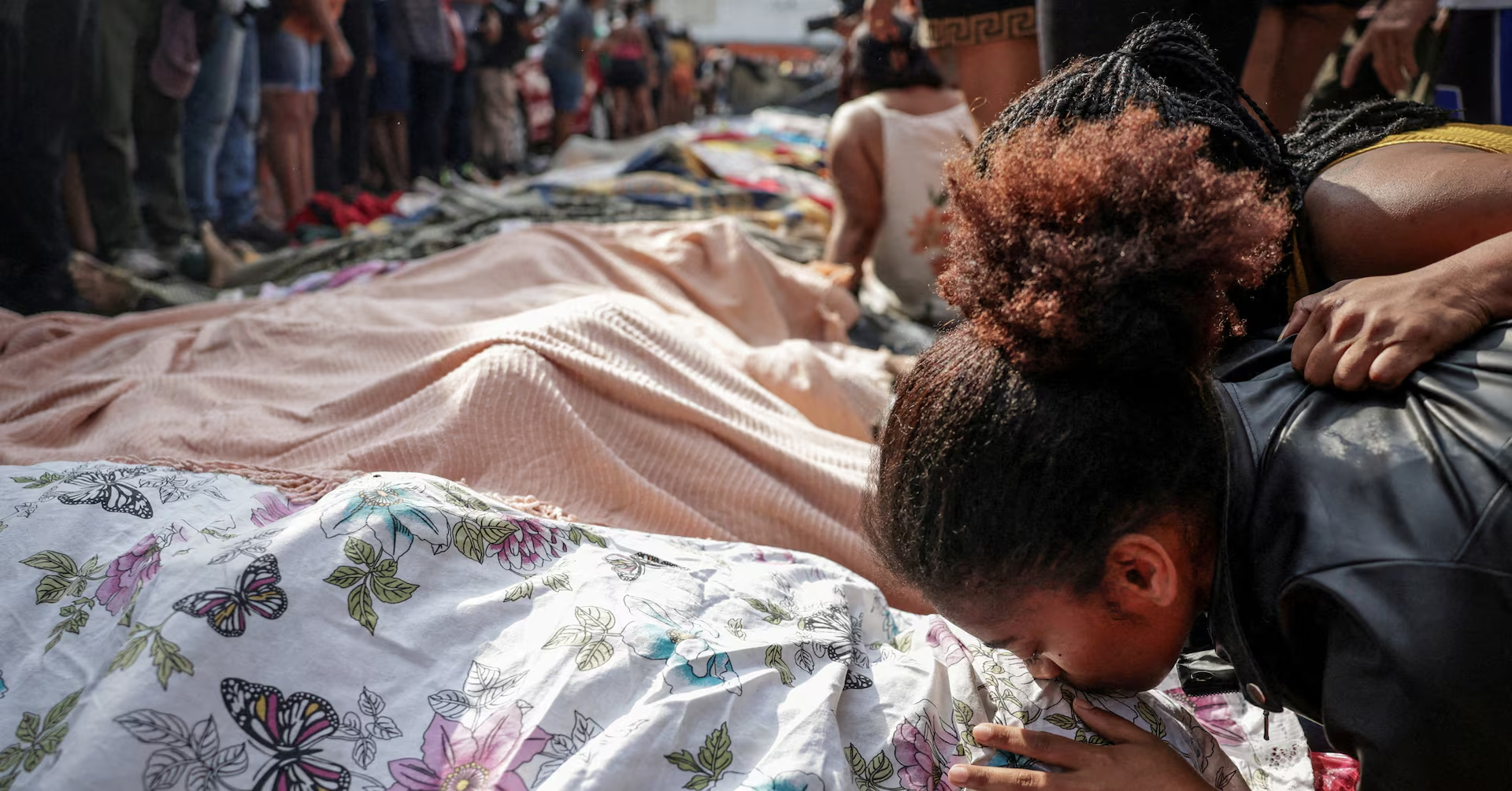
Brazil's deadliest police raid in Rio de Janeiro resulted in at least 121 deaths, sparking national and international criticism, while polls show widespread public support for tough security measures, creating a political dilemma for President Lula as he balances human rights concerns with public safety demands.
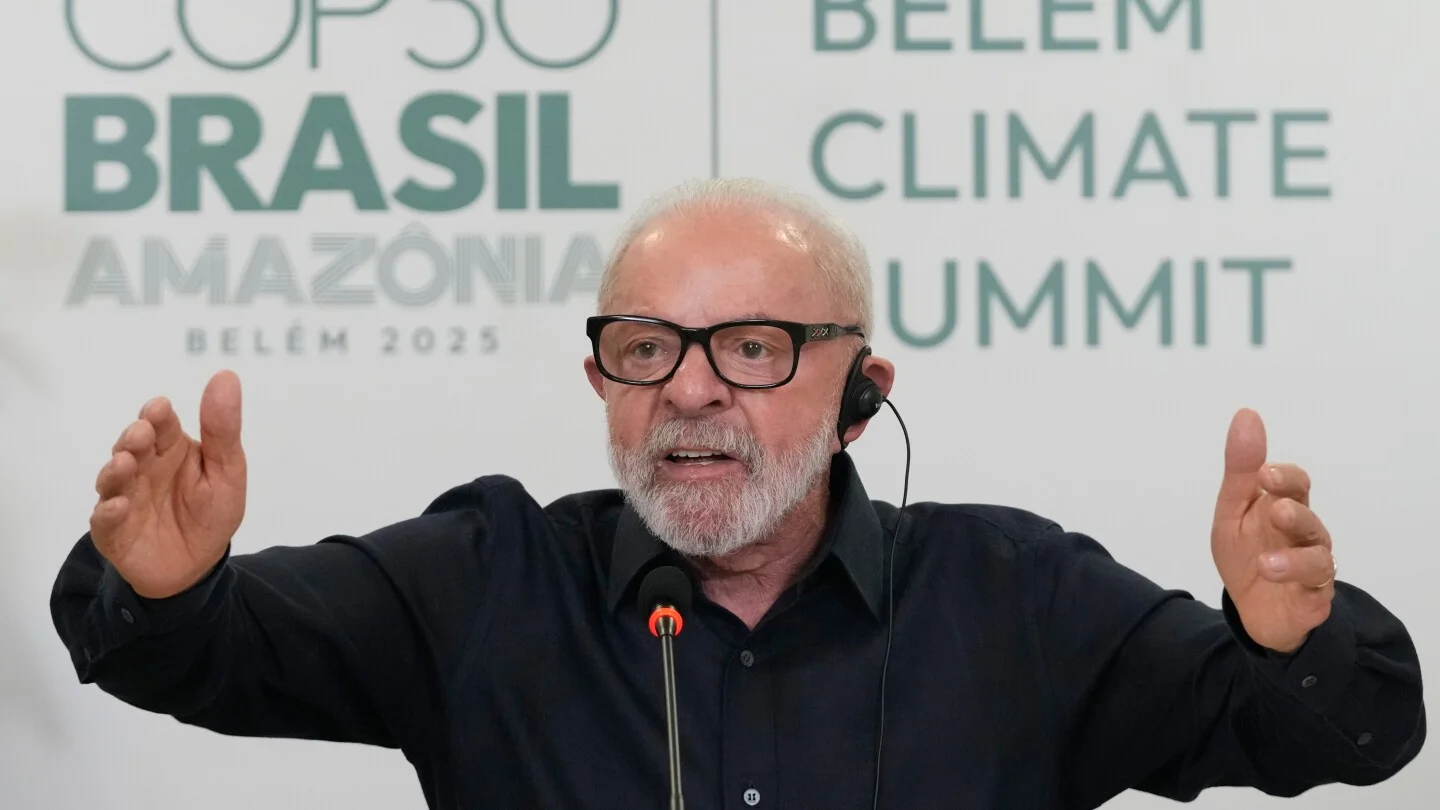
Brazil's President Lula proposed a new initiative, the Tropical Forests Forever Fund, to support rainforest preservation in over 70 developing countries through a permanent trust fund, aiming to generate significant private sector investment, and defended Brazil's recent oil exploration activities near the Amazon, emphasizing pragmatic environmental and economic strategies.
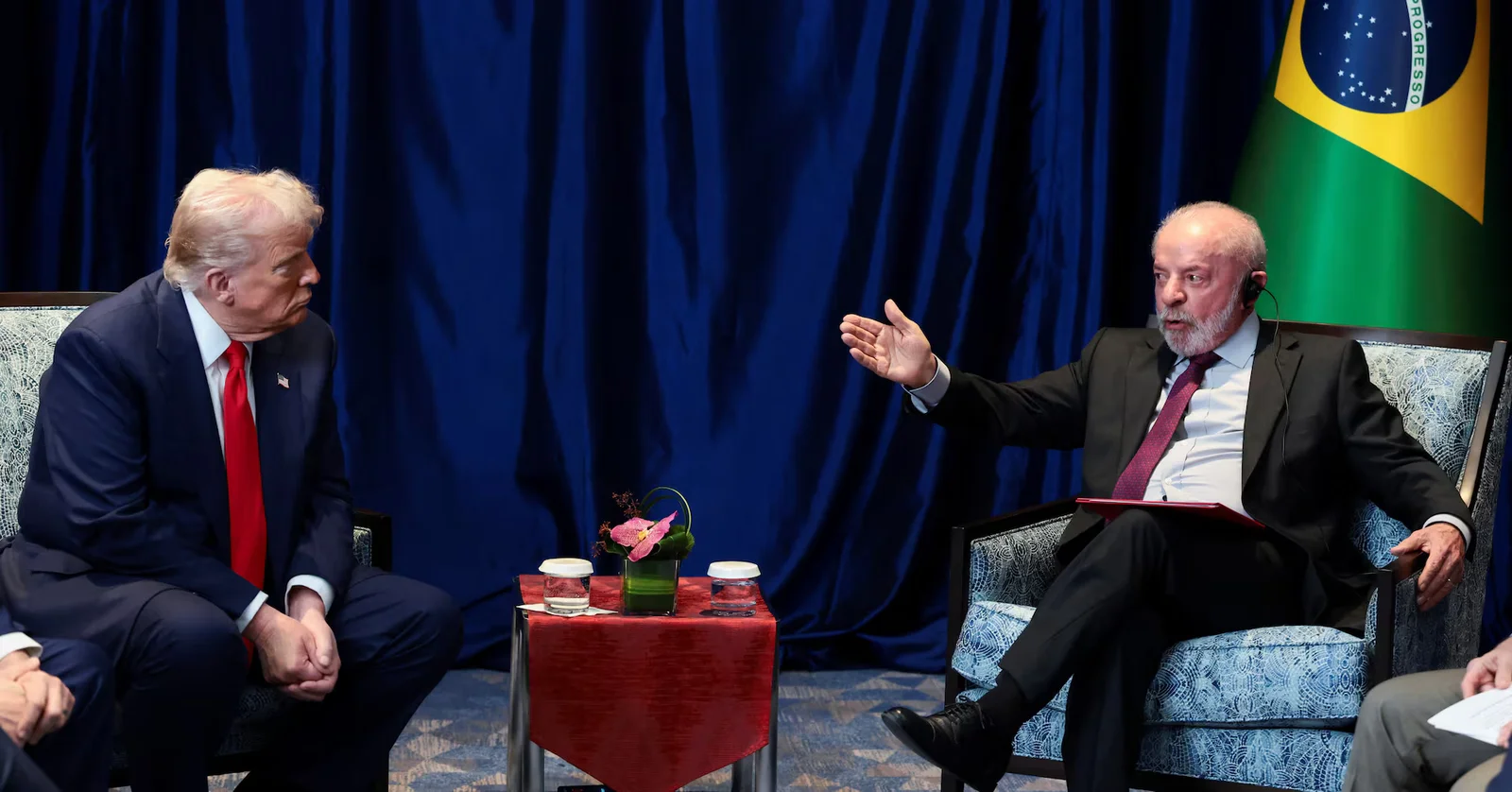
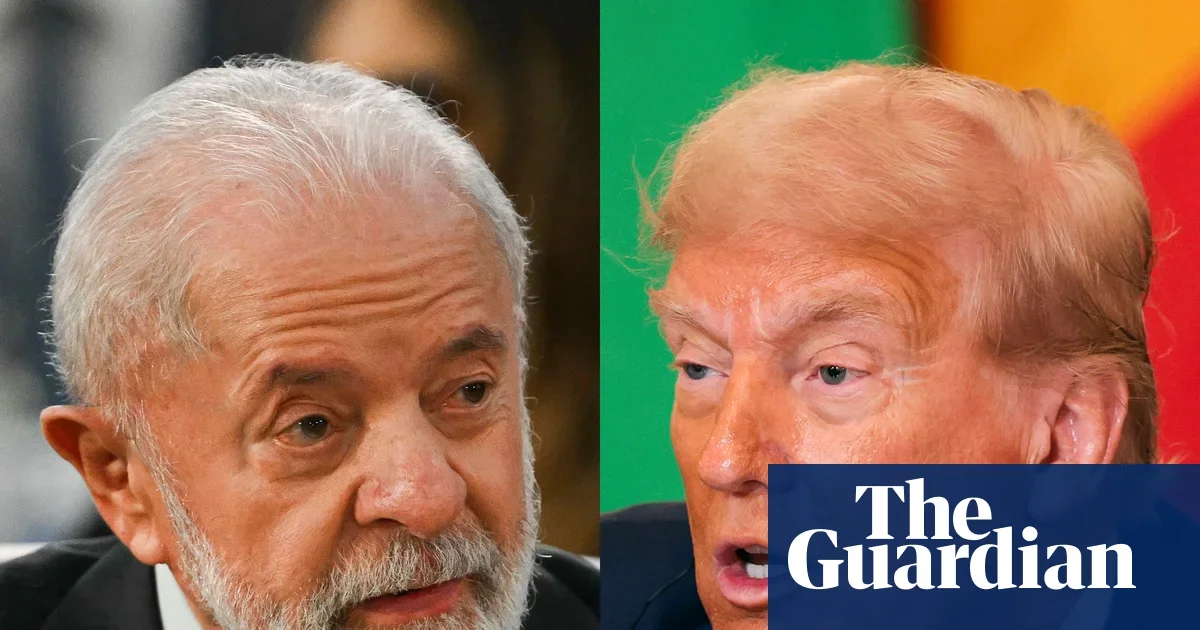
Brazil's President Lula and US President Trump held a friendly video call, during which Lula urged Trump to remove tariffs and sanctions on Brazil, aiming to restore better relations and discuss future cooperation, including potential aid in Haiti and a possible in-person meeting.
President Trump and Brazilian President Lula had a 30-minute videoconference, signaling efforts to improve US-Brazil relations after tensions related to Bolsonaro's trial and previous tariffs. The call was described as positive, with discussions about future meetings and cooperation, amid a backdrop of complex diplomatic interactions and political differences.
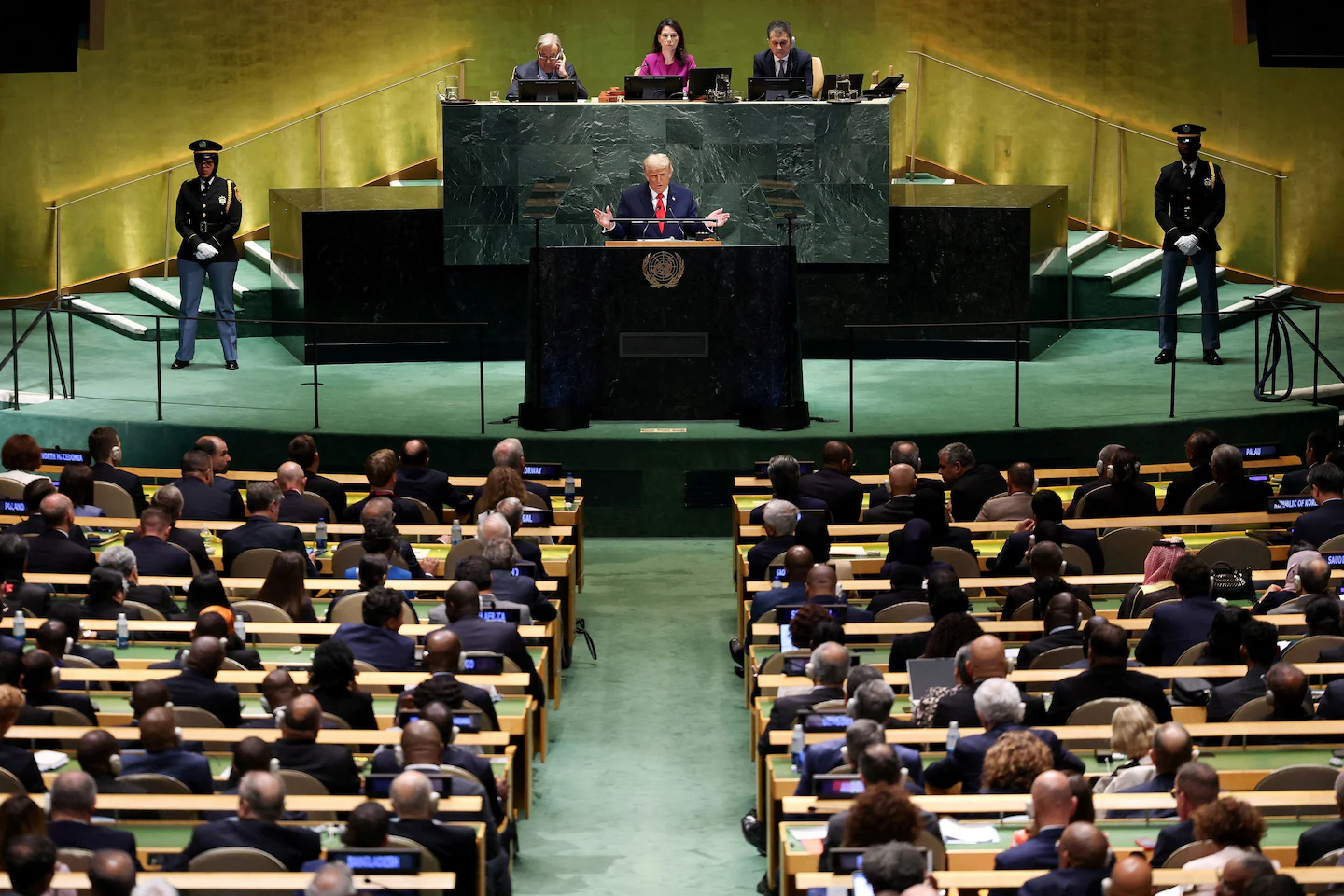
The article contrasts Donald Trump's confrontational and nationalist speech at the UN General Assembly with Lula's defense of democracy and multilateralism, highlighting the strained US-Brazil relations and the global debate over international cooperation and sovereignty.
Brazil's President Lula defends the trial and sentencing of Bolsonaro, criticizes US tariffs and sanctions, and calls for respectful dialogue, emphasizing Brazil's sovereignty and democratic institutions.
Brazil's President Lula announced a $5.5 billion support package for exporters affected by US tariffs of up to 50%, criticizing the tariffs and calling for negotiation while emphasizing Brazil's sovereignty and democratic independence.
The article discusses how U.S. tariffs, particularly on coffee imports from Brazil, have not led to Brazil caving in negotiations, partly due to limited communication between Lula and Trump. Lula is benefiting politically from the situation, with potential implications for Brazil's 2026 elections and the future of the Workers' Party, while the economic and diplomatic tensions remain unresolved.
Brazilian President Lula and Chinese leader Xi Jinping discussed international affairs, emphasizing opposition to US protectionism and promoting multilateralism through BRICS, amid ongoing US-China trade tensions and Brazil's efforts to diversify trade partnerships.
Brazil's President Lula da Silva refuses direct tariff talks with Trump, citing a lack of mutual interest and concerns over national dignity, while focusing on domestic measures and potential joint actions with BRICS nations against US tariffs.
Brazil's President Lula expressed strong frustration with U.S. President Trump over threats of 50% tariffs and interference in Brazil's judicial matters, emphasizing Brazil's sovereignty and readiness to retaliate if necessary, amidst broader tensions involving political and legal disputes between the two nations.