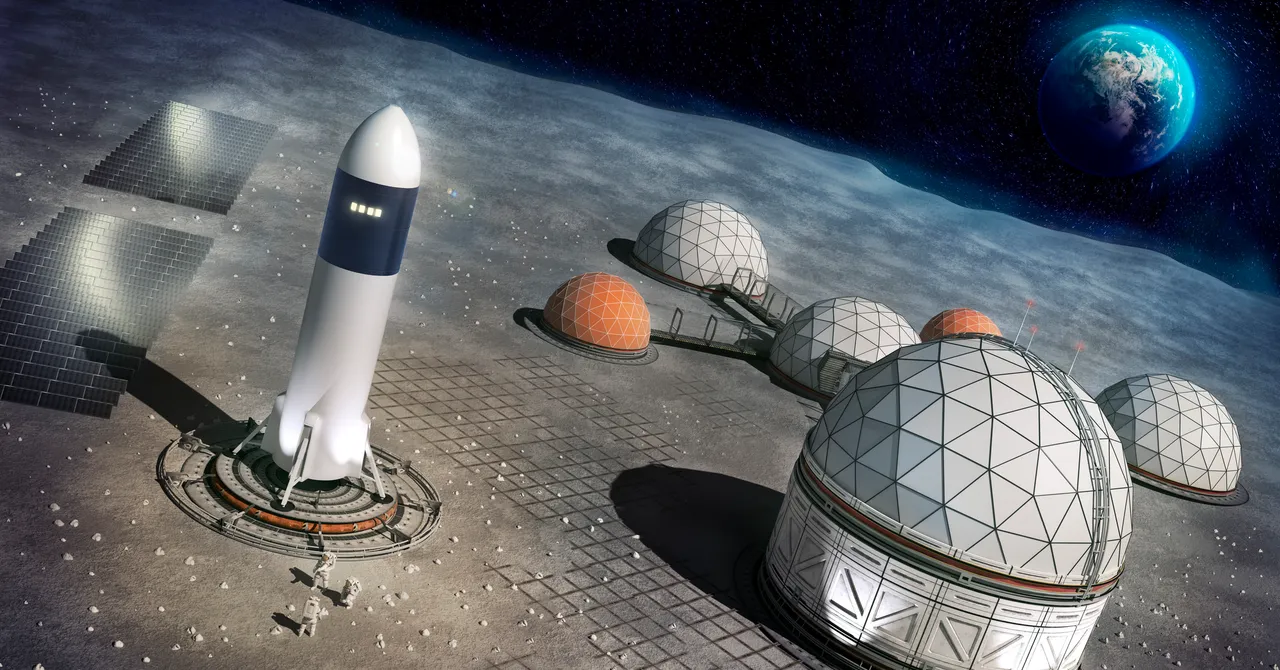
South Korea Aims to Establish Lunar Base by 2045
South Korea's newly formed space agency aims to establish a lunar base by 2045, joining other Asian countries in the space race and expanding its presence beyond Earth.

All articles tagged with #2045
South Korea's newly formed space agency aims to establish a lunar base by 2045, joining other Asian countries in the space race and expanding its presence beyond Earth.
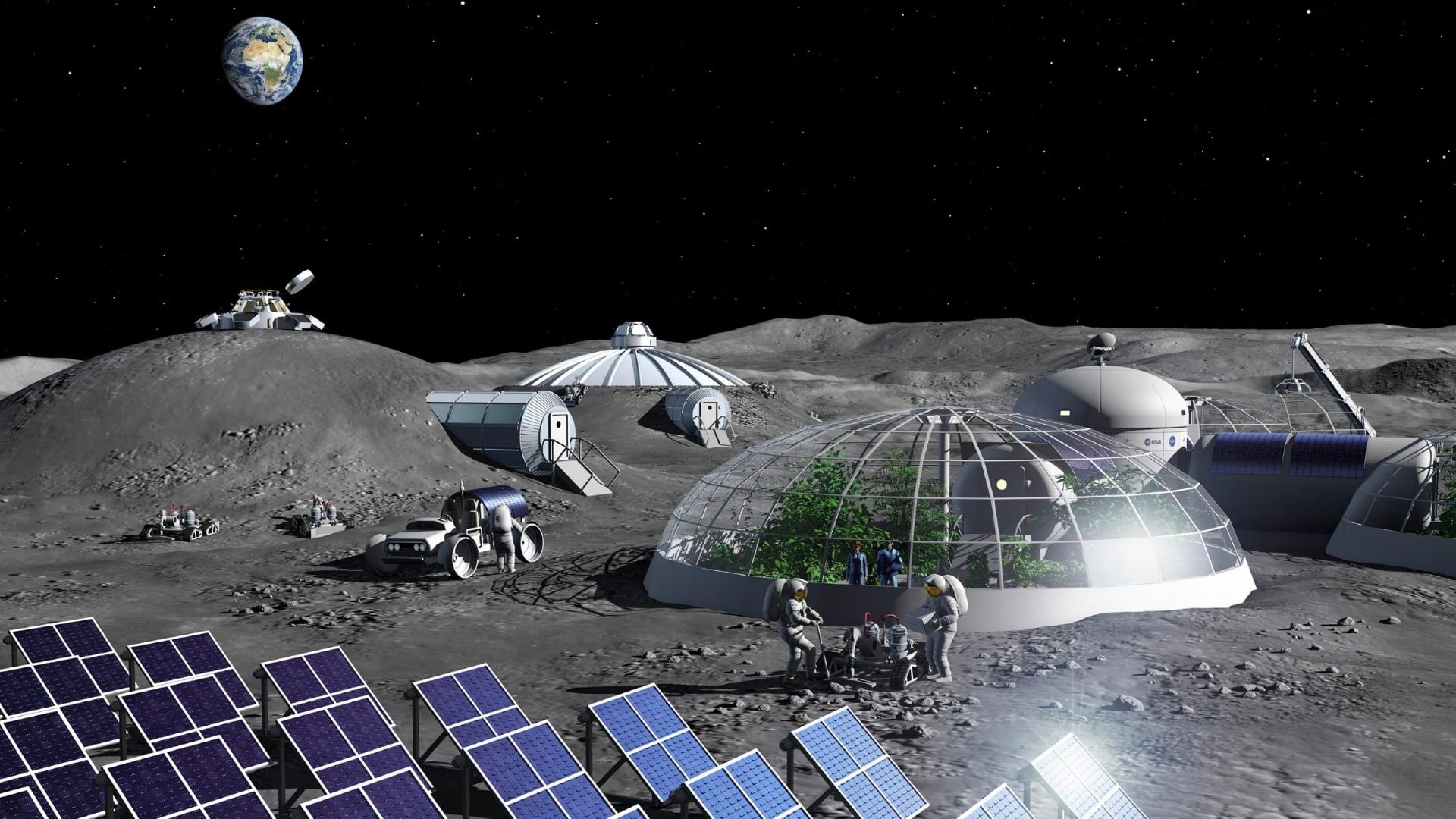
South Korea aims to establish a lunar base by 2045, building on its current lunar exploration efforts including the successful deployment of the Danuri orbiter and plans for future lunar landers and resource extraction technologies, with broader ambitions of Mars exploration.

The next total solar eclipse will occur on Aug. 12, 2026, passing mostly over the Arctic Ocean, with subsequent eclipses in 2027, 2033, 2044, and 2045. The 2045 eclipse will trace a path from coast to coast across the continental U.S., similar to the one in 2017, and will continue over the Caribbean and parts of South America. During a total solar eclipse, the moon covers the face of the sun, temporarily masking its light and casting the moon’s shadow on Earth’s surface.

Monday's total solar eclipse will be the last chance for a long while for people in the United States to experience the celestial event, with Florida not in the path of totality this year. The next opportunity for a total solar eclipse in the U.S. will be in 2044, and in 2045, a broader opportunity will arise, with the path of totality passing over California, Nevada, Utah, Colorado, Kansas, Oklahoma, Arkansas, Mississippi, Alabama, and Florida, and a partial eclipse visible across other states.