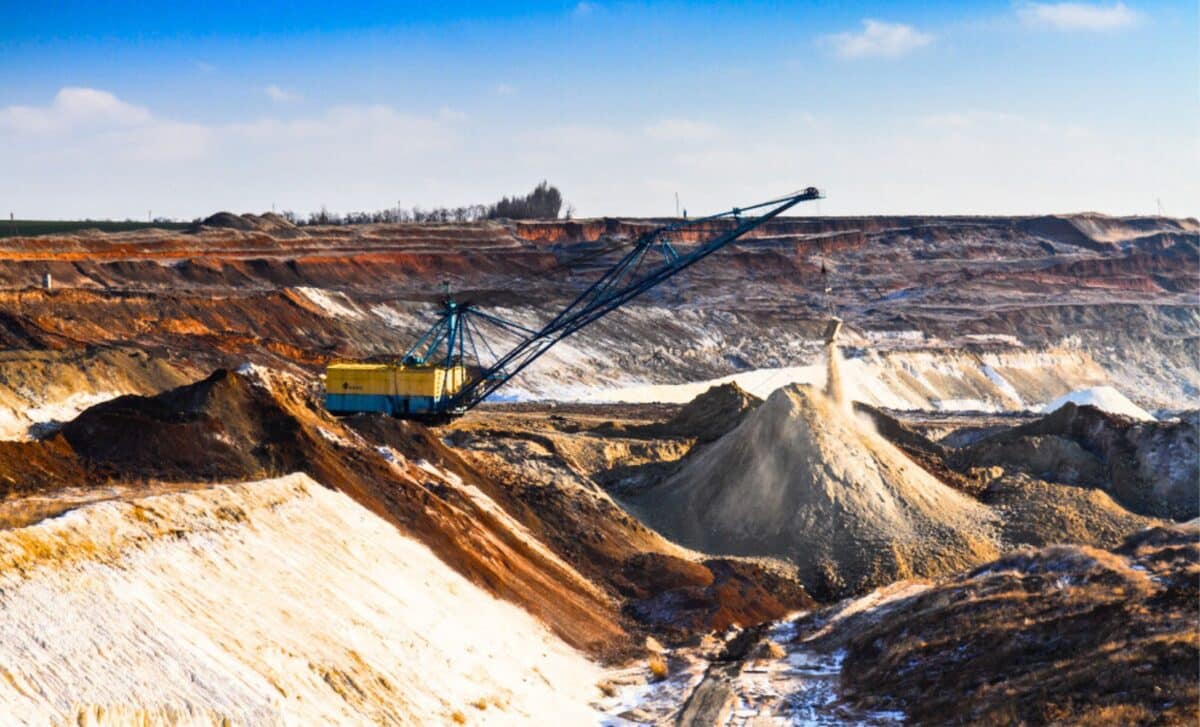
A groundbreaking geological study in northwestern Australia has revealed that the world's largest iron ore deposit formed between 1.4 and 1.1 billion years ago, much later than previously thought, and is linked to tectonic activity related to supercontinent cycles, challenging existing models of ore formation and opening new avenues for mineral exploration.
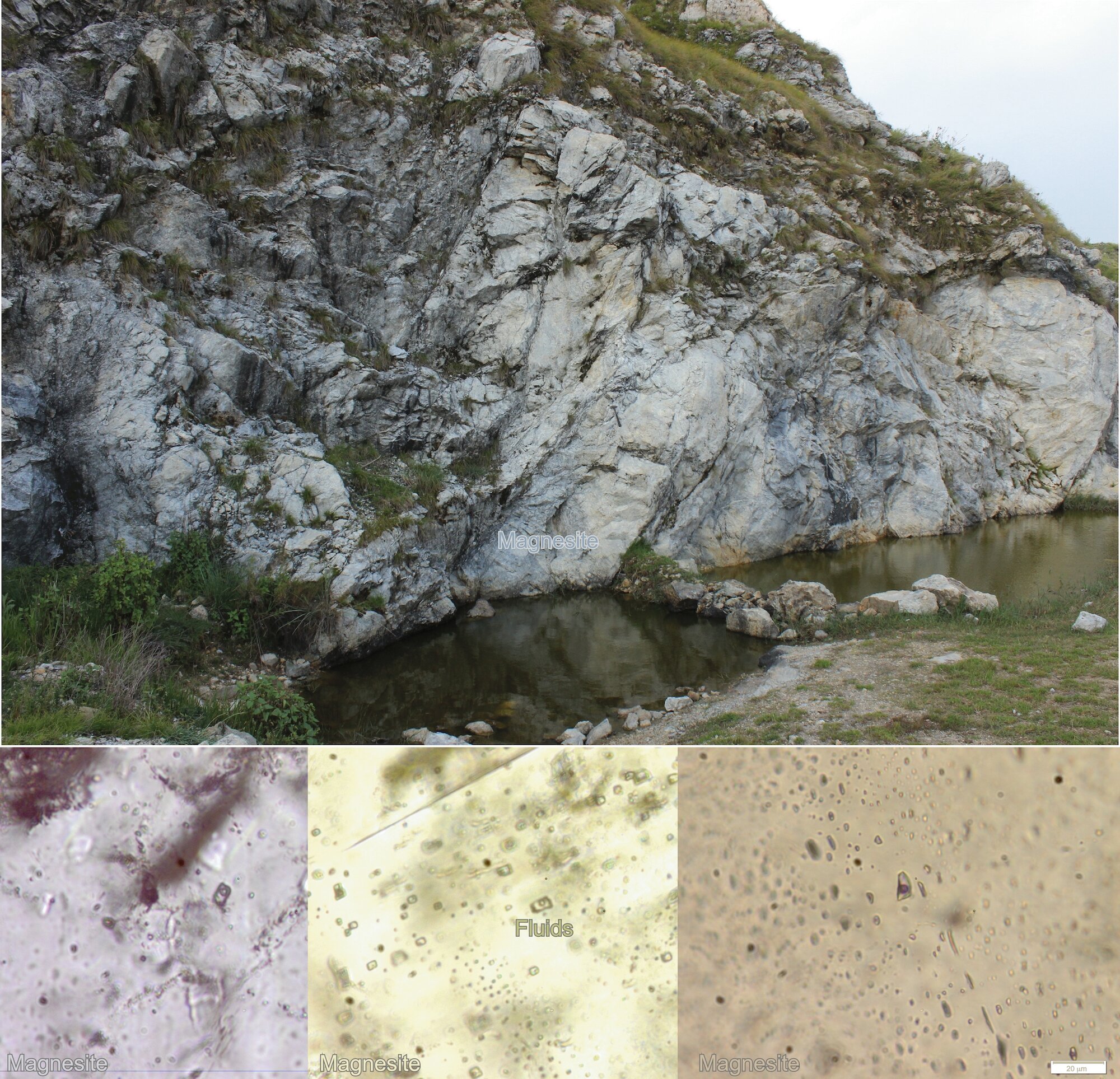
Scientists have discovered droplets of water trapped in mineral deposits in the Himalayas that provide insights into an ancient ocean that existed around 600 million years ago. The deposits, dating back to the time of the Snowball Earth glaciation, suggest that the sedimentary basins were deprived of calcium, leading to nutrient deficiency and slow-growing cyanobacteria that released more oxygen into the atmosphere. The findings offer a time capsule for studying paleo oceans and understanding the connection between major glacial events and the evolution of complex life forms.
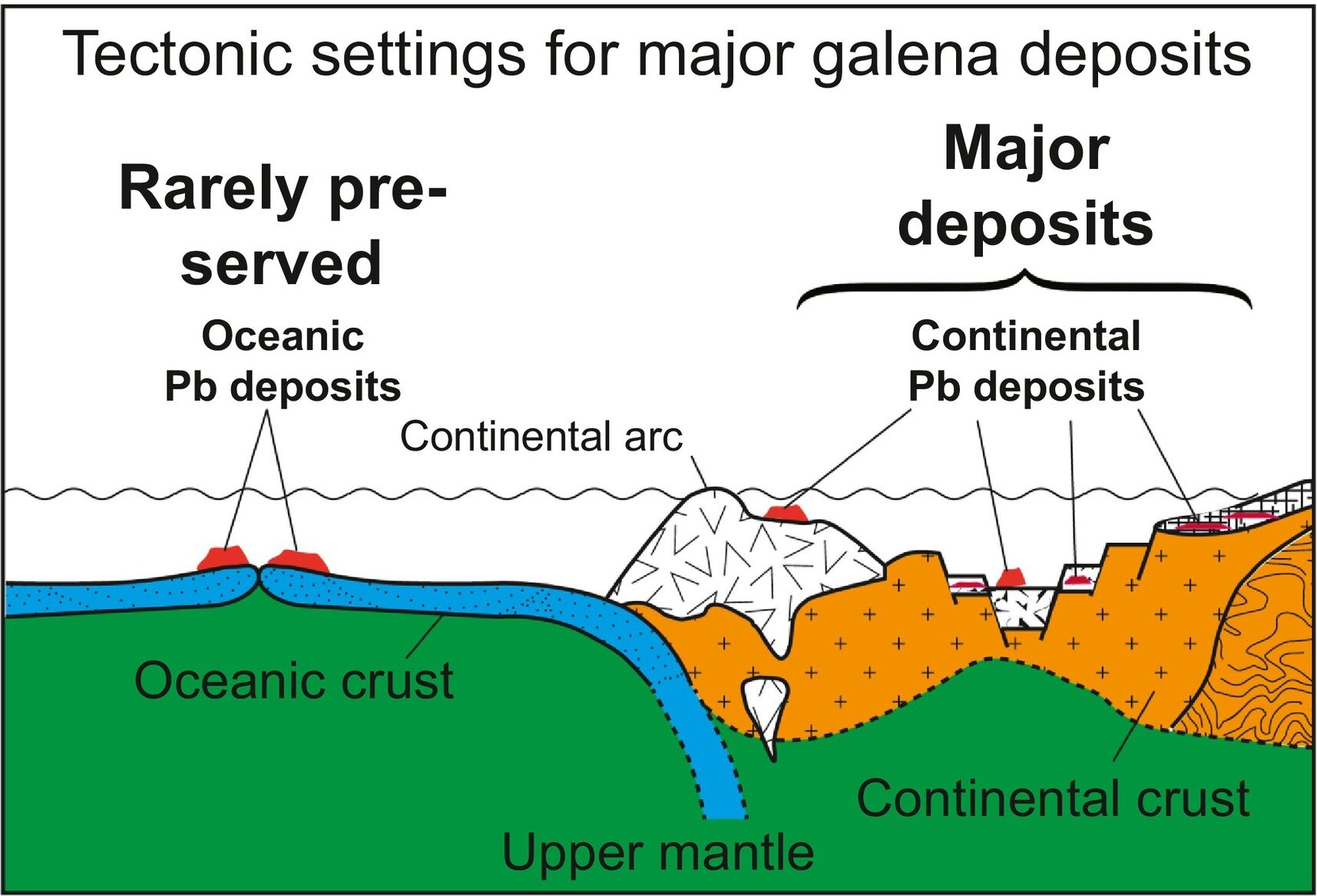
Researchers at Curtin University have developed a new framework for dating the Earth's evolution, including the formation of continents and mineral deposits. By studying lead-zinc ore deposits in Australia and analyzing a global database, they determined that 3.2 billion years ago marked a critical point in Earth's history when the planet transitioned from a layered structure to one driven by global-scale plate tectonics. This research provides insights into the composition of the Earth's mantle and the formation of continents, shedding light on the unique characteristics of our planet.
Eucalyptus trees in Australia are able to transport microscopic particles of gold from deep deposits to their leaves, making it possible to use vegetation sampling as a means of searching for minerals. A 2019 discovery of a 6-meter vein of gold in South Australia was made thanks to a tip-off from trees. While finding trees with gold leaves is a less invasive way to go prospecting, it still requires digging to extract the gold.