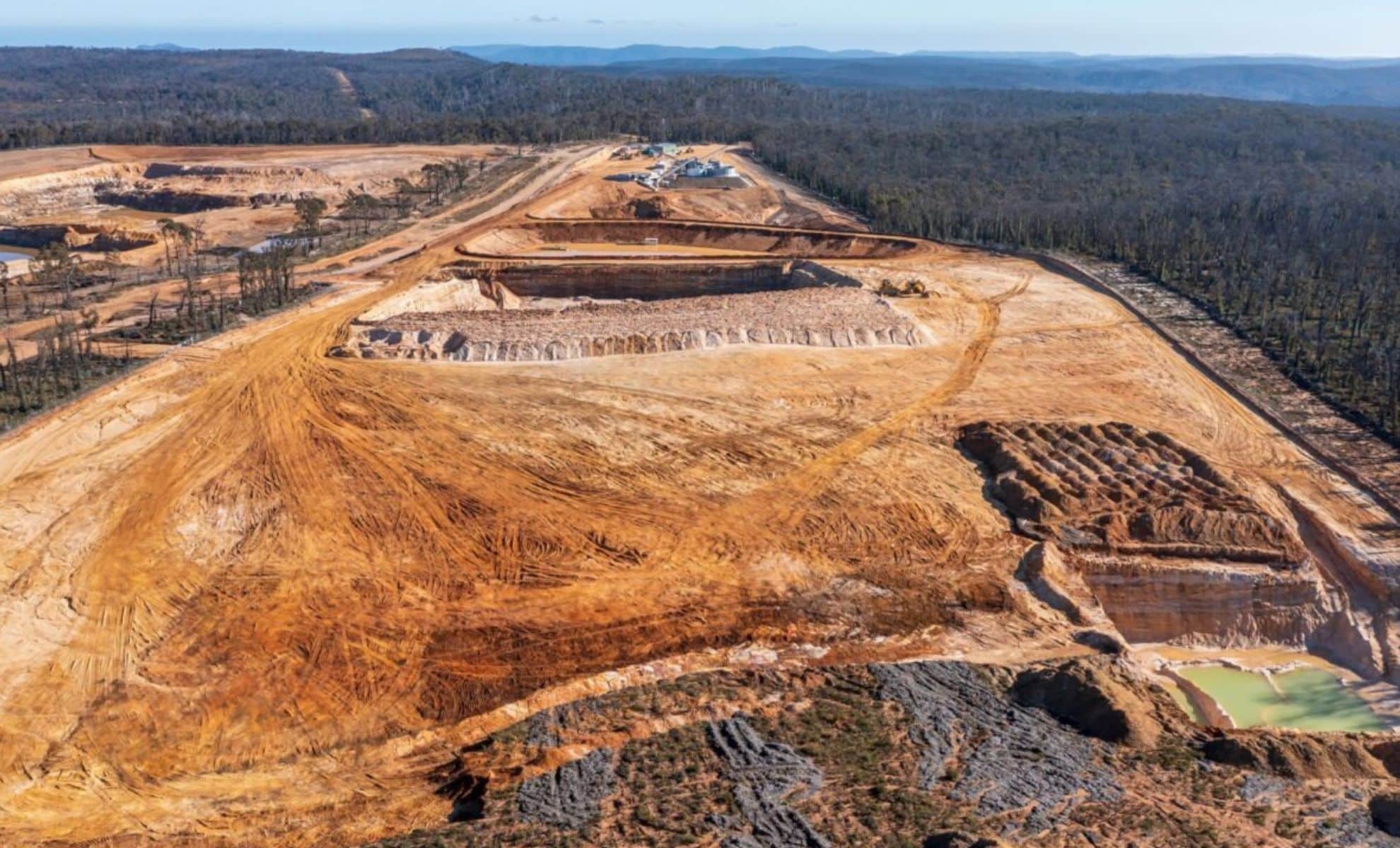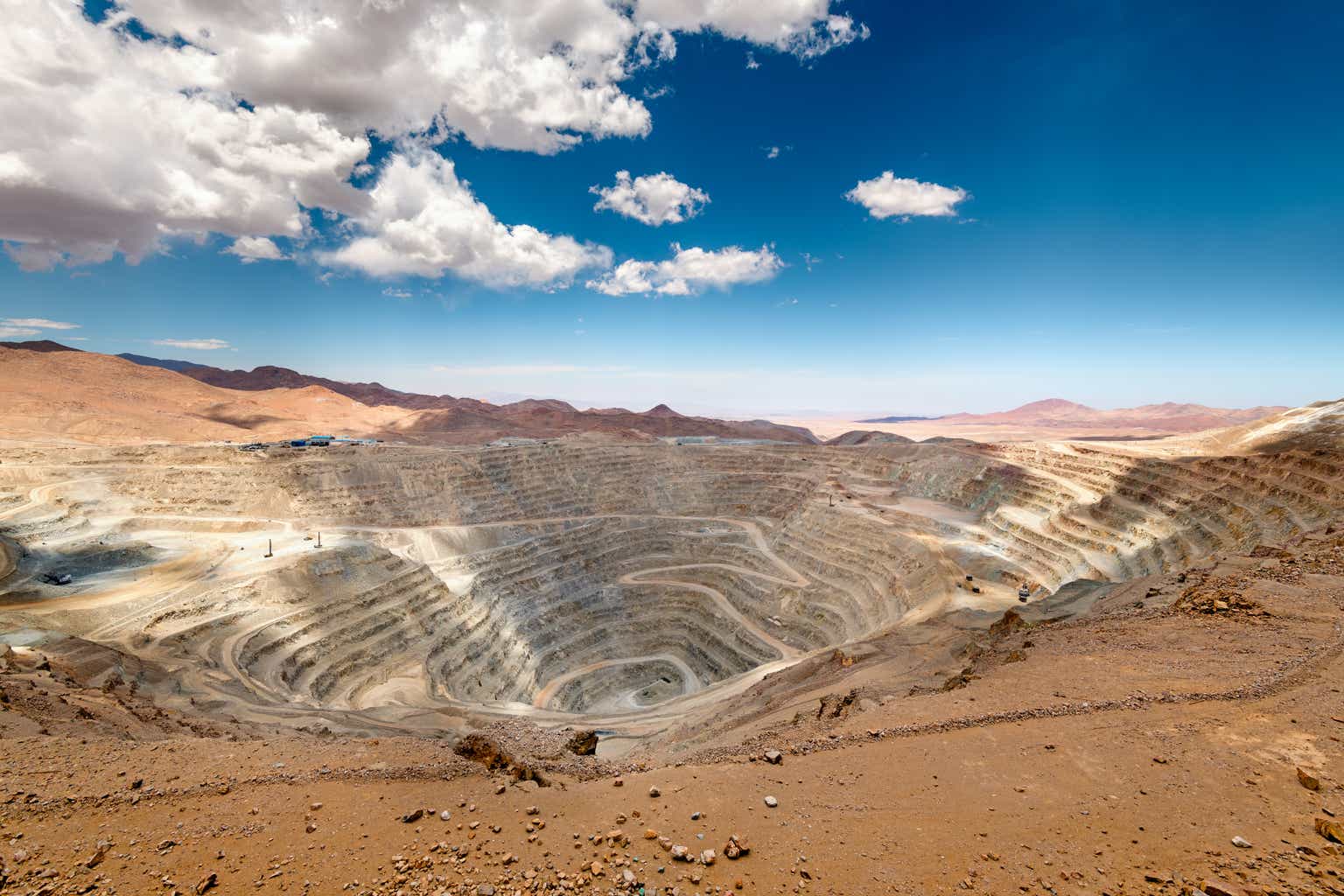
A groundbreaking geological study in northwestern Australia has revealed that the world's largest iron ore deposit formed between 1.4 and 1.1 billion years ago, much later than previously thought, and is linked to tectonic activity related to supercontinent cycles, challenging existing models of ore formation and opening new avenues for mineral exploration.
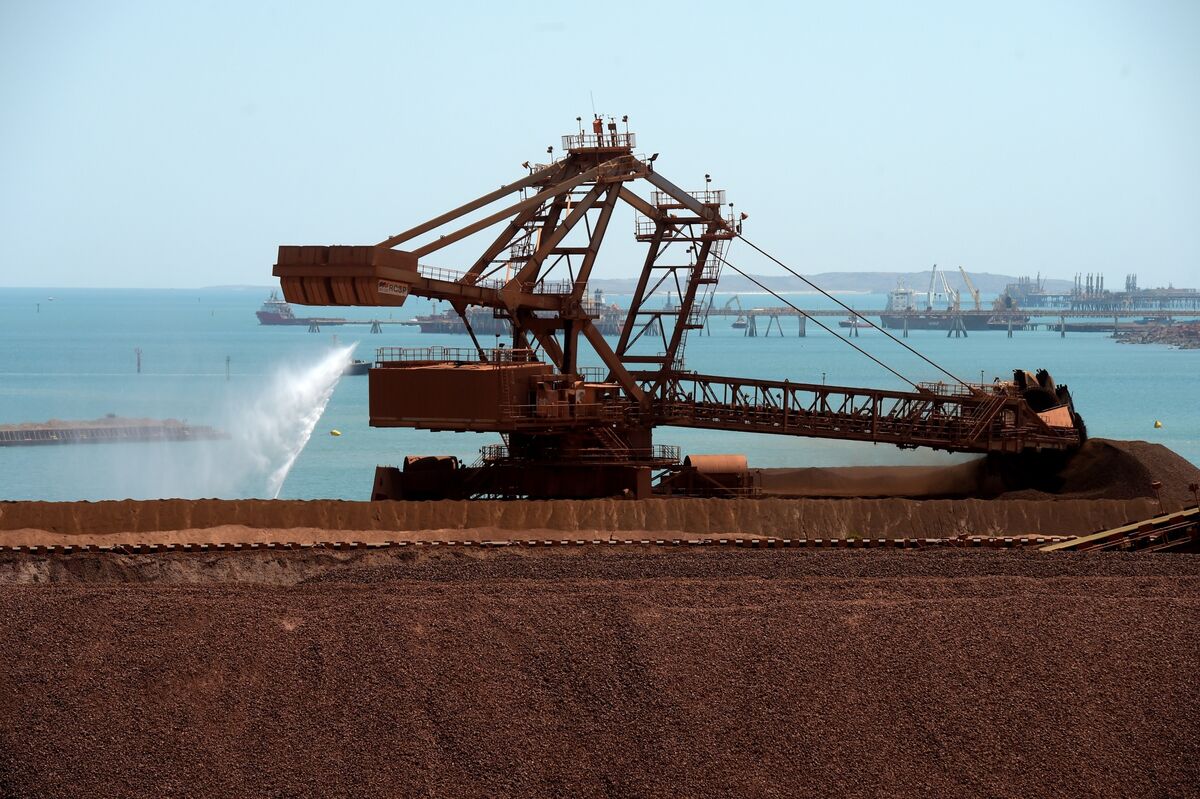
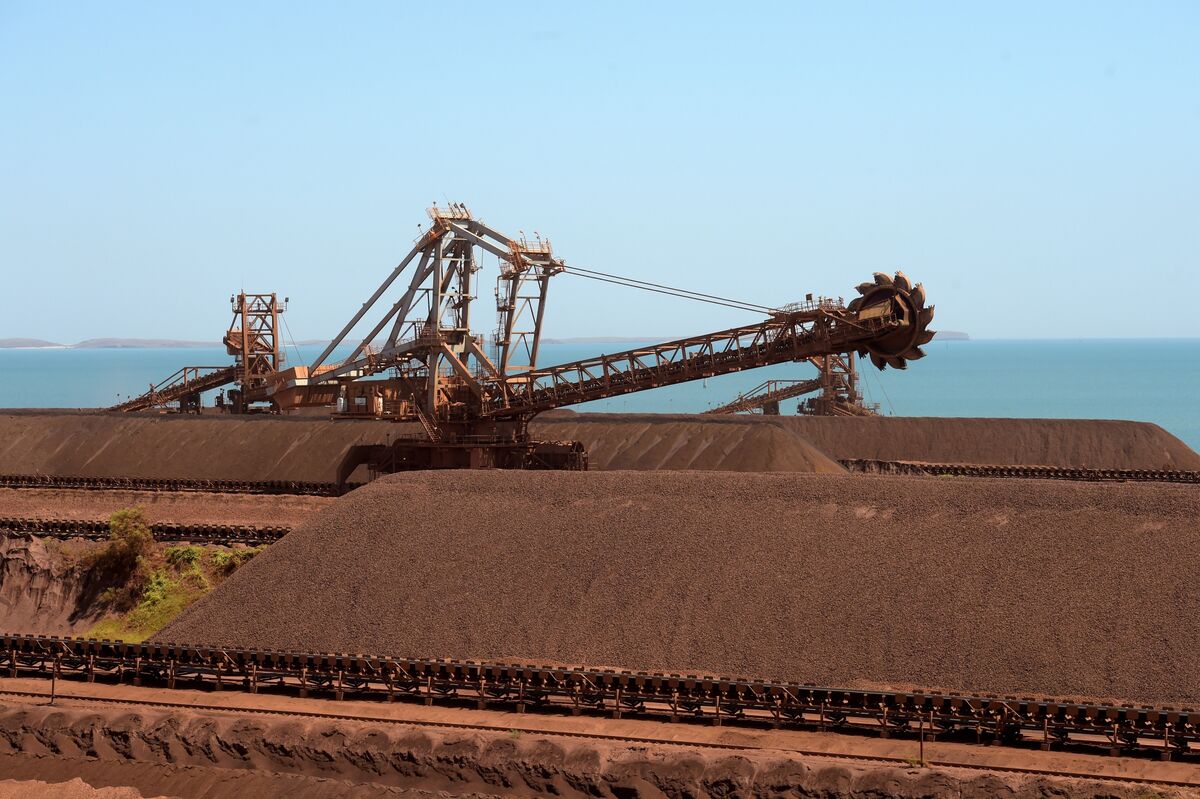
China has ordered its state-run iron ore buyer to halt new purchases of BHP cargoes, escalating a pricing dispute and signaling China's increased influence over global iron ore markets amid moderating steel demand and new supply sources.
Geologists in Western Australia have discovered the world's largest iron ore deposit in the Pilbara region, estimated to be worth $6 trillion, containing around 55 billion metric tons of high-quality ore. This find challenges previous geological assumptions about the deposit's age and could significantly influence global iron markets and Australia's economic standing. Advanced technology played a key role in uncovering this massive resource, which has the potential to reshape global trade and supply dynamics.
Scientists in Western Australia have discovered a massive iron ore deposit worth around $5.8 trillion, which could significantly impact global supply chains and challenge existing geological theories about Earth's mineral formation, especially given its revised age of 1.4 billion years. The find highlights advancements in technology and may reshape Australia's role in the global mining industry while offering new insights into Earth's geological history.
Iron ore prices hit a 10-month low due to concerns over China's property crisis, but rebounded as optimism about the country's economic recovery outweighed steel market weakness, with futures in Singapore rising 2% to above $102 a ton. Government data showed manufacturing PMI in March rose to the highest in a year, snapping a five-month contraction and beating market expectations.
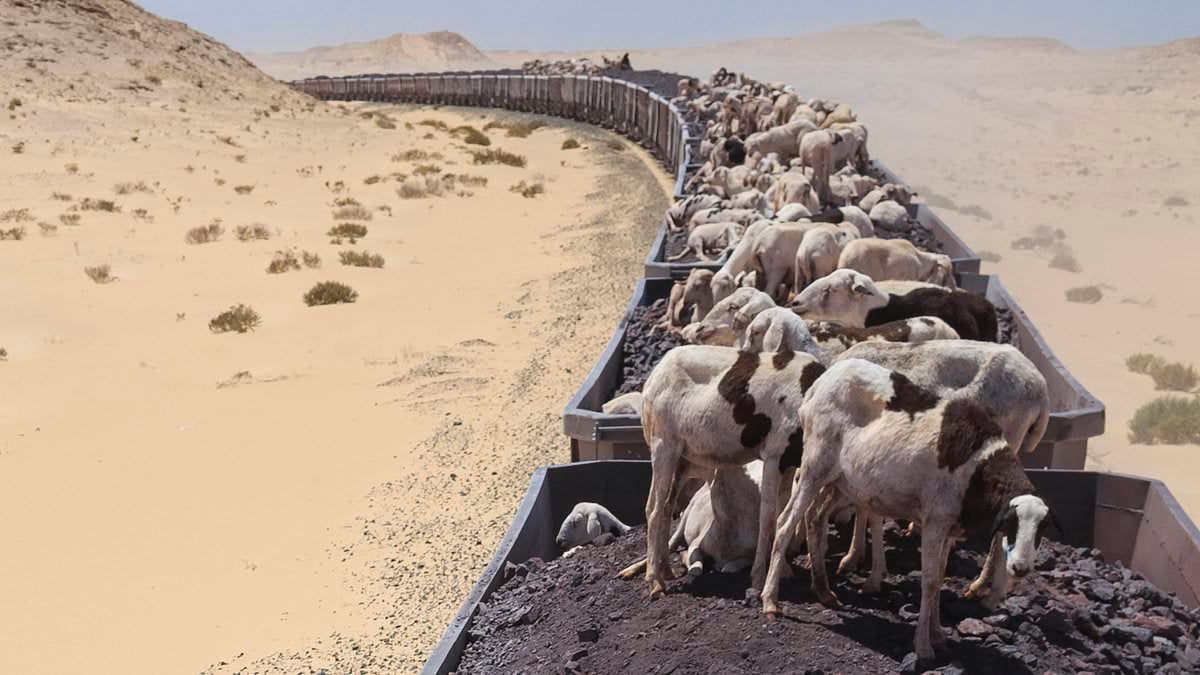
Mykolas Juodele embarked on a remarkable journey by freight-train hopping in the Sahara Desert on the Mauritania Railway, which transports iron ore across the desert. The 437-mile track links Nouadhibou city's port with the mines of Zouerat, and the journey takes between 16 and 20 hours one way. Passengers, including local shepherds and workers, endure the challenging ride, making the best of it by cooking, sleeping, and socializing. Mykolas was impressed by the resilience of his fellow passengers and left with a changed perception of Mauritania, finding the country and its people to be hospitable and accommodating despite its negative reputation.
BHP Group Limited, a major diversified mining company, may be a good hedge for oil stocks in the energy transition. The demand for critical metals and minerals, such as copper and iron ore, is expected to increase significantly as the world moves towards decarbonization. BHP's mining portfolio includes resources used in renewable energy infrastructure like solar farms, wind farms, and electric vehicles. The company has well-established operations, low-cost assets, and a shareholder-friendly capital return policy. Despite concerns over China's economy, the inevitable turnaround in the China narrative could be a catalyst for BHP's stock. However, risks include China's economic situation and potential backtracking on the energy transition by governments.
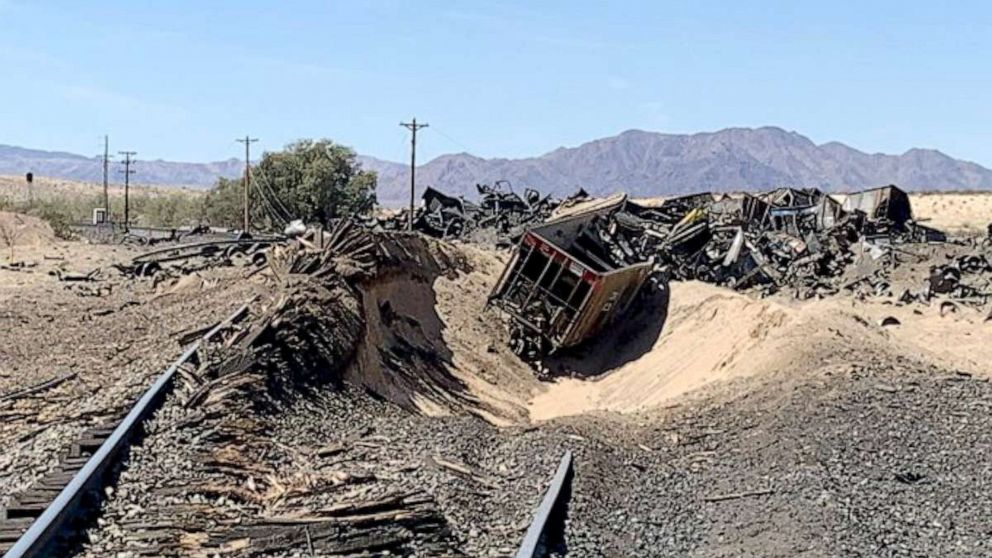
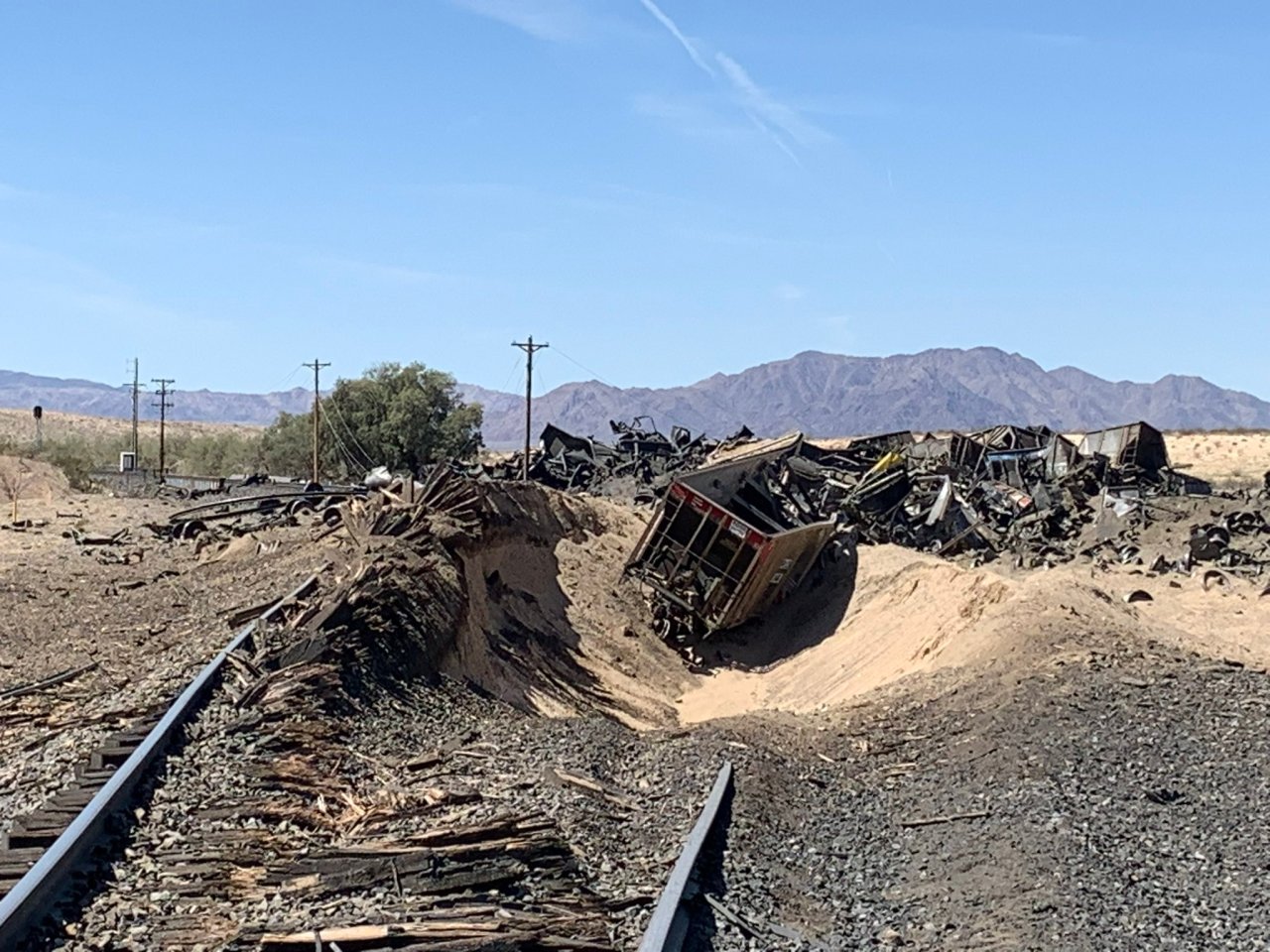
A Union Pacific train carrying iron ore derailed in San Bernardino County, California, with 55 train cars, including two locomotives, derailing. There were no injuries, active fires, or threat to the public or environment. The incident is being investigated, and hazmat officials are investigating a minor leak from one of the locomotives.
Two locomotives and 55 train cars derailed near Kelso southeast of Baker, with no injuries or passengers onboard. HazMat crews responded to a minor fuel leak from one locomotive, but there is no current threat to the public or environment. The derailed railcars were loaded with iron ore, which spilled, but it is not considered a hazardous material.