Scientists have reconstructed 540 million years of Earth's sea level changes in unprecedented detail, revealing rapid fluctuations on thousand-year timescales influenced by plate tectonics, ice sheets, and Earth's axial wobble, with significant implications for understanding Earth's climate history and subsurface geology.

Cornell University astronomers have discovered that the atmospheric conditions during the dinosaur era on Earth could provide a better template for detecting signs of life on exoplanets. The study suggests that biosignatures like oxygen and methane were more detectable during this period, offering a guide for identifying habitable planets. By analyzing the transmission spectra from Earth's past, scientists can refine their search for complex life forms in the cosmos. This research fills in a missing piece in our understanding of what a habitable exoplanet might look like and provides new templates for identifying potential evidence of life on other worlds.
Ancient diamonds formed under the supercontinent Gondwana, which covered the South Pole 650 to 450 million years ago, provide valuable insights into the formation and movement of continents. These "superdeep" diamonds, analyzed through chemical analyses and isotopic analysis, reveal how the rocks they were within became buoyant and expanded the supercontinent from below. The diamonds were later brought to the Earth's surface during volcanic eruptions, showing their migration with different fragments of the supercontinent as it broke apart. This research sheds light on the evolution of continents and their role in the development of life on Earth.
Analysis of ancient diamonds formed between 650 and 450 million years ago has revealed new insights into the processes of continent formation and movement during the early evolution of complex life on Earth. These superdeep diamonds, found in Brazil and Western Africa, provide a window into the deep plate tectonic engine and the supercontinent cycle. By dating the inclusions inside the diamonds, researchers discovered a previously unknown geologic process and traced the growth of the supercontinent Gondwana. The diamonds, along with their host rocks, were transported to the base of Gondwana, and later brought to the surface through volcanic eruptions. This research sheds light on the evolution of Earth's continents and their role in the development of life.
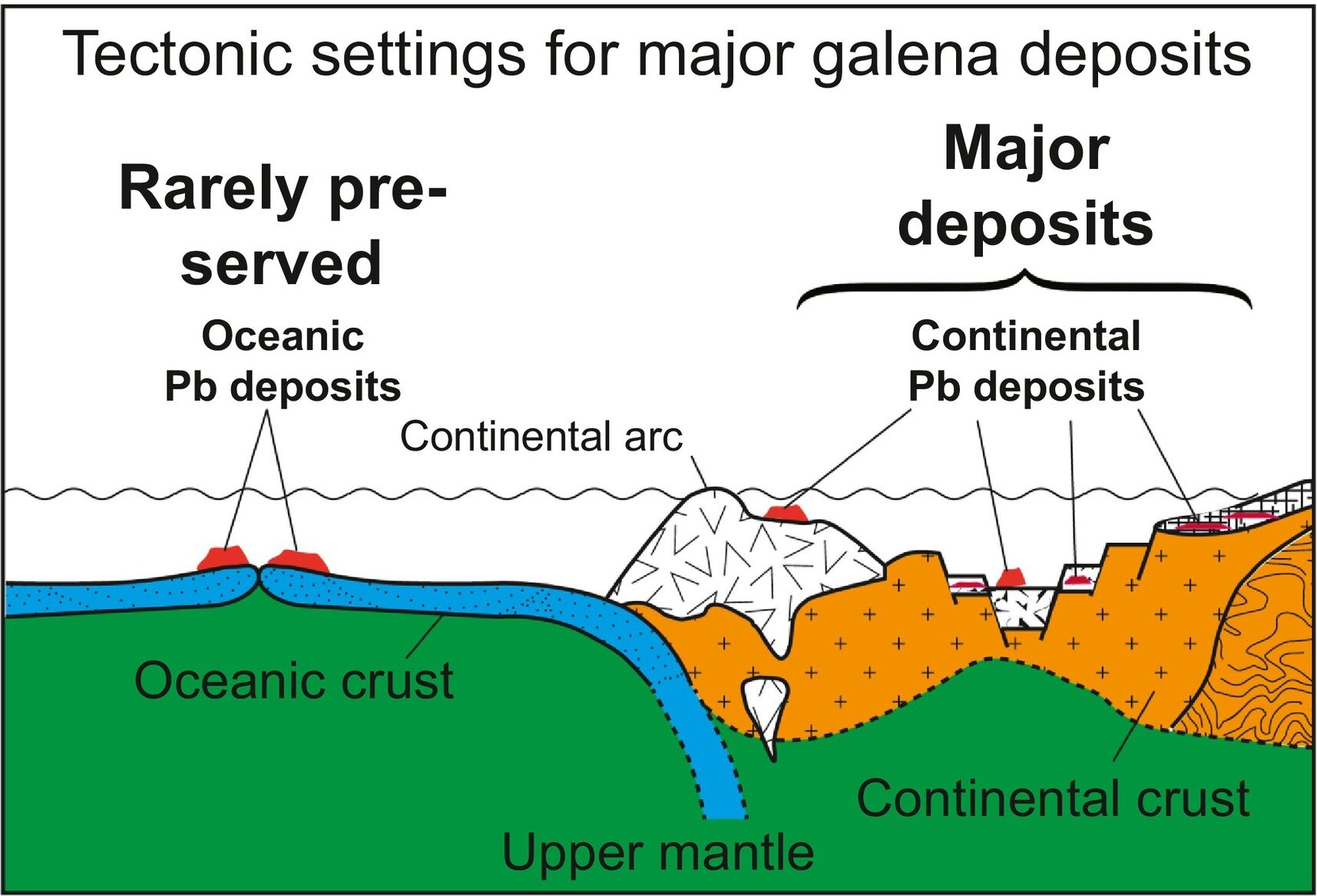
Researchers at Curtin University have developed a new framework for dating the Earth's evolution, including the formation of continents and mineral deposits. By studying lead-zinc ore deposits in Australia and analyzing a global database, they determined that 3.2 billion years ago marked a critical point in Earth's history when the planet transitioned from a layered structure to one driven by global-scale plate tectonics. This research provides insights into the composition of the Earth's mantle and the formation of continents, shedding light on the unique characteristics of our planet.
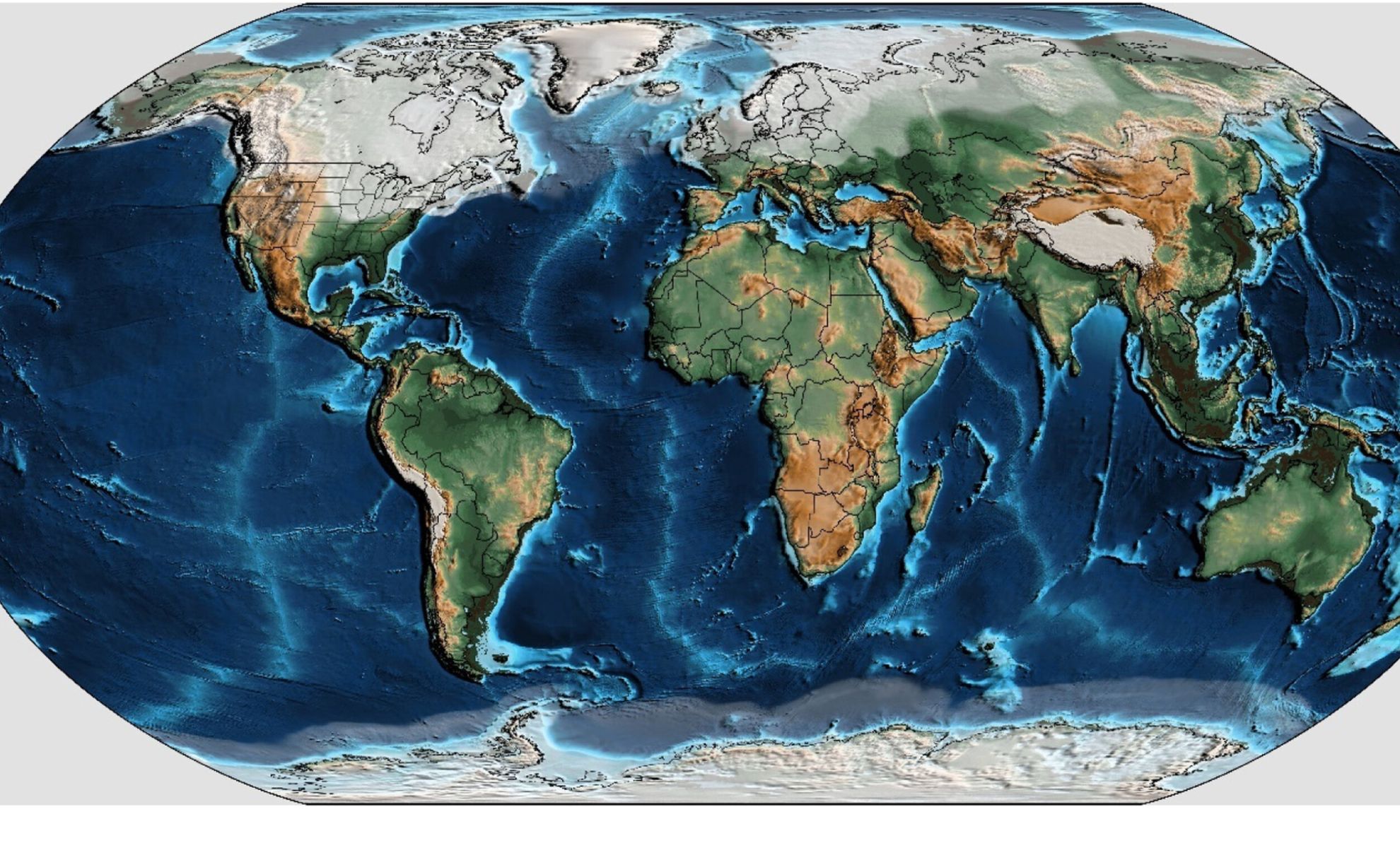
A new animation showcasing Earth’s evolution has surfaced in a new paper published in the journal Science. The animation was created using a new model, which highlights over 100 million years of history on our planet, including topographical changes – the creation of oceans and mountains – and sediment activity caused by erosion. The model showcases Earth’s evolution using a mesmerizing animation that is impossible not to appreciate. The hope is to create a tool scientists can use to understand the past and how Earth has changed.