Tag

Martian Surface

All articles tagged with #martian surface

science1 year ago

"Uncovering the Mystery of 2 Billion Craters on Mars: NASA's Discovery"

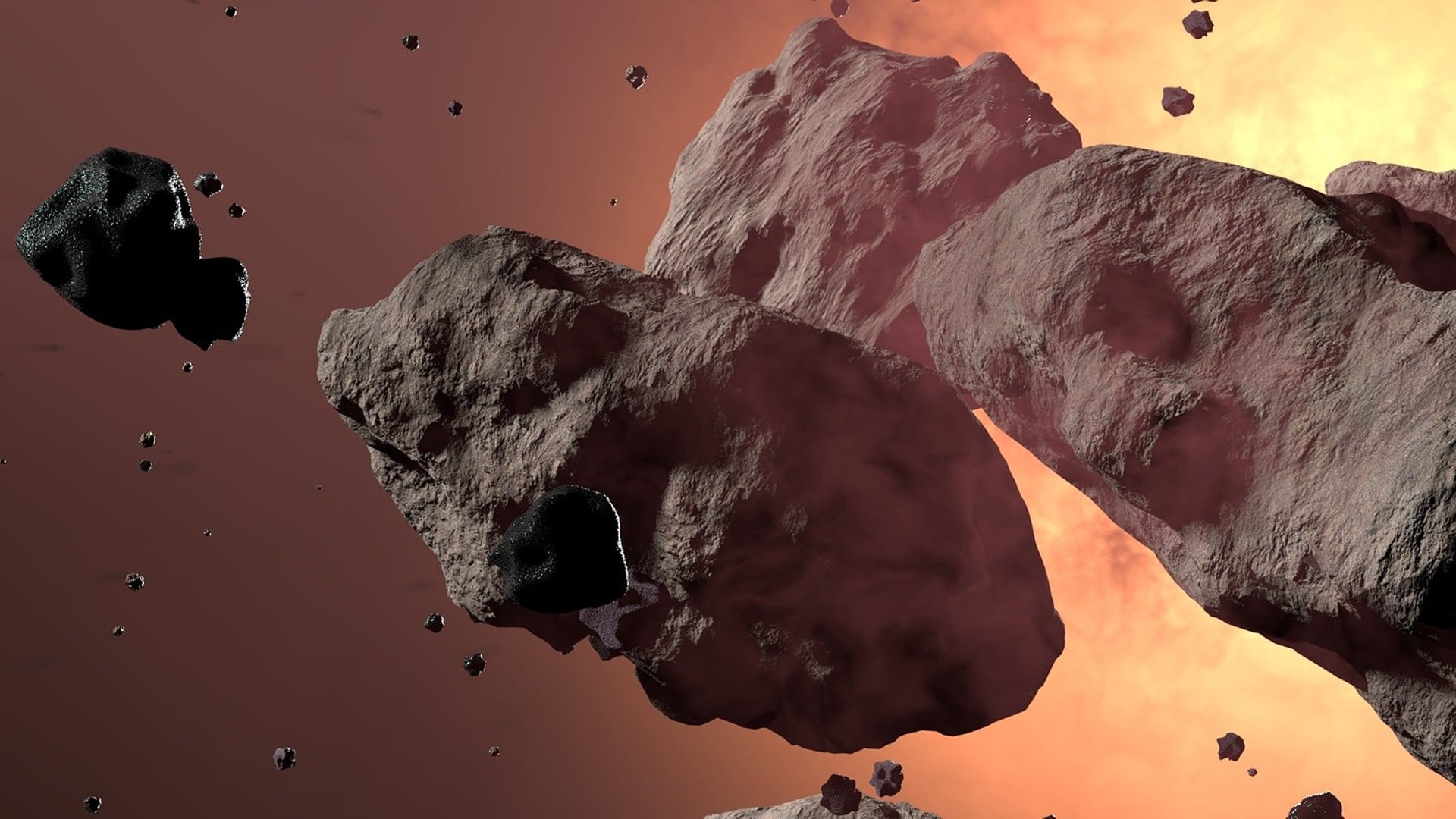
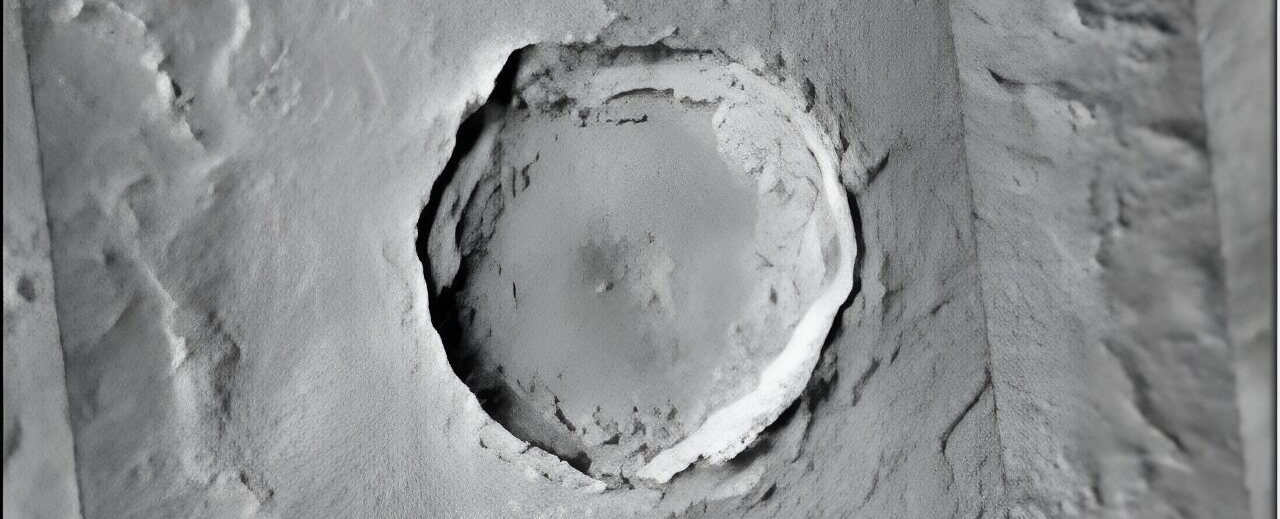
A recent study reveals that a massive impactor created the 8.7-mile-wide Corinto crater on Mars approximately 2.3 million years ago, resulting in the formation of 2 billion smaller craters on the planet's surface. The impactor's fragments created a network of secondary craters concentrated to the south and southwest of Corinto, with the farthest reaching 1,150 miles away. The study, presented at a planetary science conference, utilized data from the Mars Reconnaissance Orbiter to analyze the crater and its surroundings, suggesting that the impactor was likely made of basalt and may have struck at an oblique angle. Additionally, the presence of pits on Corinto's interior floor indicates the area was covered in water ice at the time of impact.
space-science1 year ago

"Unraveling the Mystery of 2 Billion Craters on Mars"

A recent study presented at the 55th annual Lunar and Planetary Science Conference revealed that a single large impact crater on Mars, called Corinto, created over two billion smaller craters up to almost 2000 km away. The crater, located in Elysium Planitia, has an extensive "ray system" and is relatively young, estimated to be around 2.34 million years old. The study used data from the Mars Reconnaissance Orbiter to analyze characteristics of the smaller craters surrounding Corinto, grouping them into five different "facies." This discovery raises questions about the impact processes on Mars and is likely to attract further research.

space-exploration1 year ago

"Bizarre Underground Polygons Uncovered by Mars Rover Spark Scientific Mystery"

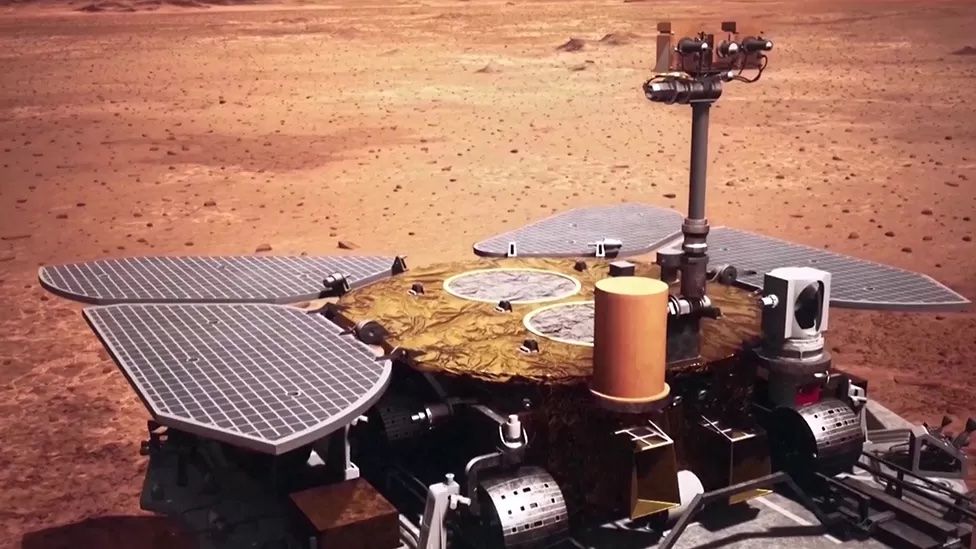
China's Zhurong rover discovered polygonal wedges 35 kilometers underground on Mars, indicating serious climatic changes 3.7 to 2.9 billion years ago. These shapes, possibly formed due to freezing in a cold environment, were detected using ground-penetrating radar and could provide insights into Mars' past climate conditions and the distribution of ice in its subsurface.

space2 years ago

NASA's Odyssey: A Fresh Perspective on Mars

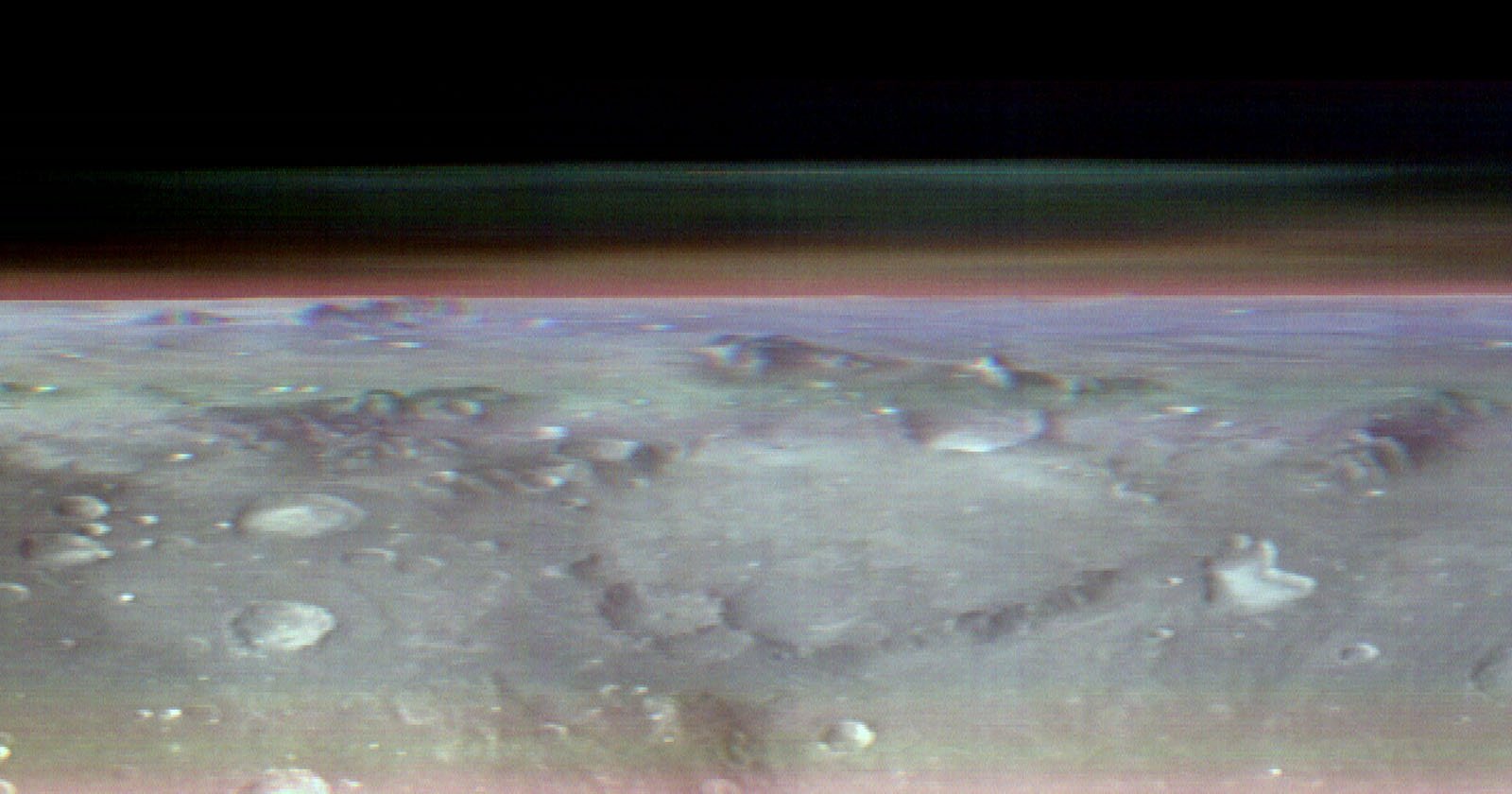
NASA's Odyssey orbiter, equipped with the THEMIS camera, has captured unprecedented images of Mars, providing a unique perspective similar to that of Earth astronauts from the International Space Station. The mission team had to wait for several years to capture these images as they needed to present a mission plan and objectives to NASA for additional time and funding. The THEMIS camera measures thermal emissions, allowing it to detect different mineral compositions on Mars' surface and analyze the planet's topography. The images reveal temperature variations, craters, and cloud formations, providing valuable scientific insights into Mars' atmosphere and geology.

space-science2 years ago

Mysterious Mars Rocks Crash on Earth, Baffling Experts

Chunks of Mars rocks have been reaching Earth, but their age has been a mystery due to conflicting dating results. However, scientists have developed a method to correct for argon contamination and refine the age estimates of the rocks. The results suggest that the Mars rocks are younger than previously believed, possibly due to frequent impacts on Mars breaking up the older surface and exposing younger rocks replenished by volcanic activity. This implies that Martian volcanic activity may still be ongoing. Studying these rocks can help scientists understand the formation of Earth and unravel the mysteries of Mars.

space2 years ago

"Stunning Sci-Fi Snaps: NASA's Mars Helicopter Captures Mind-Blowing Images"

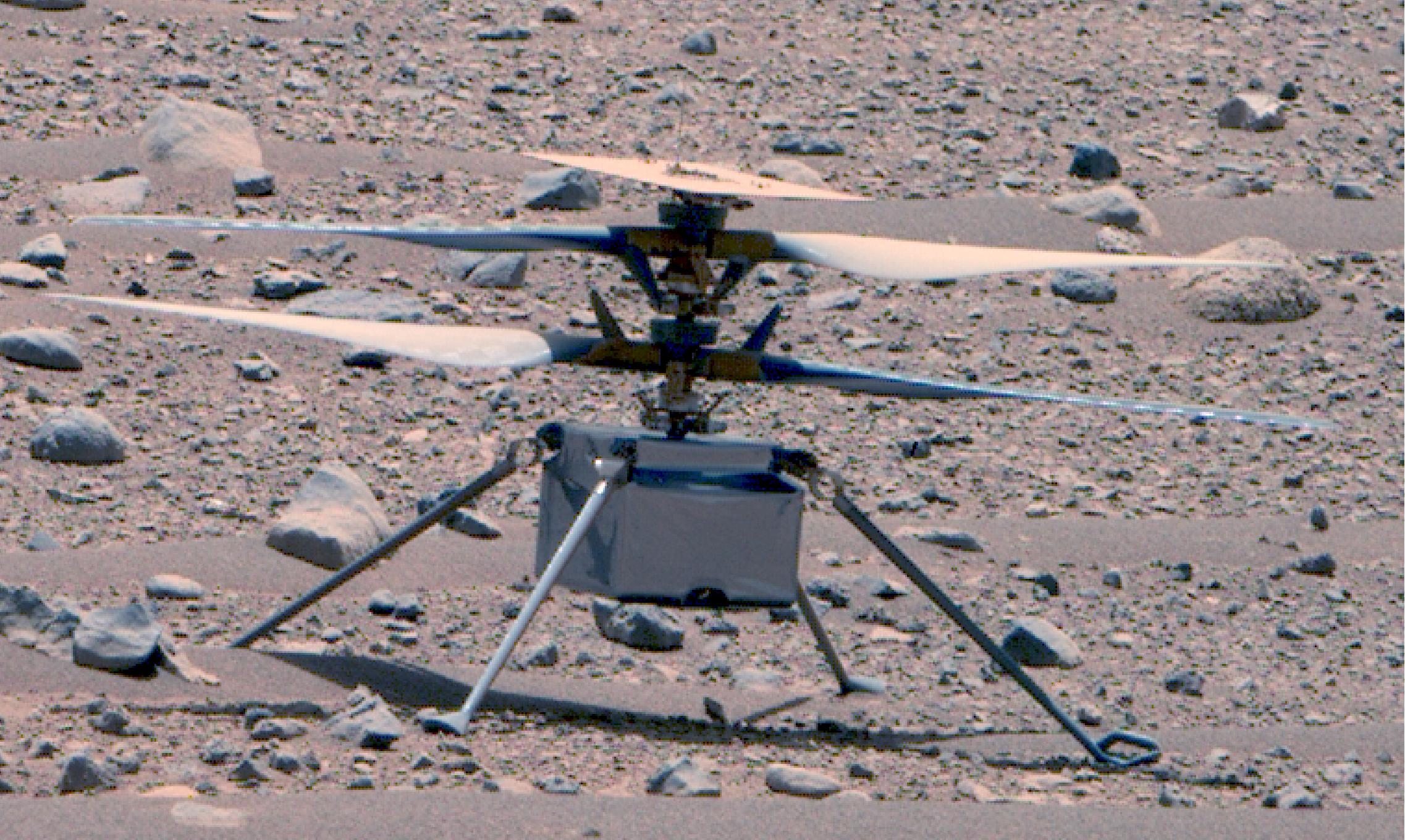
NASA's Ingenuity helicopter, the first craft to make a powered, controlled flight on another planet, completed its 64th flight on Mars, surpassing expectations. The helicopter captured footage of its flight, showcasing the Martian surface and casting shadows on the ground. The images were taken using Ingenuity's navigation camera, which tracks the ground during flight. The helicopter is assisting NASA's Perseverance rover in its mission to search for signs of past primitive life on Mars.

space2 years ago

"NASA's Perseverance Rover Captures Spectacular Dust Devil on Mars"

NASA's Perseverance Mars Rover captured a series of images showing a 200-foot-wide dust devil moving across the surface of Mars, about 2.5 miles away from the rover. The images, taken on the rover's 899th day on Mars, were compiled and sped up to show the motion of the dust devil. Dust devils on Mars are smaller and weaker than tornadoes on Earth but play a role in redistributing dust on the planet. Scientists study these phenomena to better understand Mars' atmosphere and improve weather models. The dust devil captured in the images was estimated to be over a mile high, based on its shadow.

space-science2 years ago

"Martian Surface Resembles Human Brain in Astonishing Image"

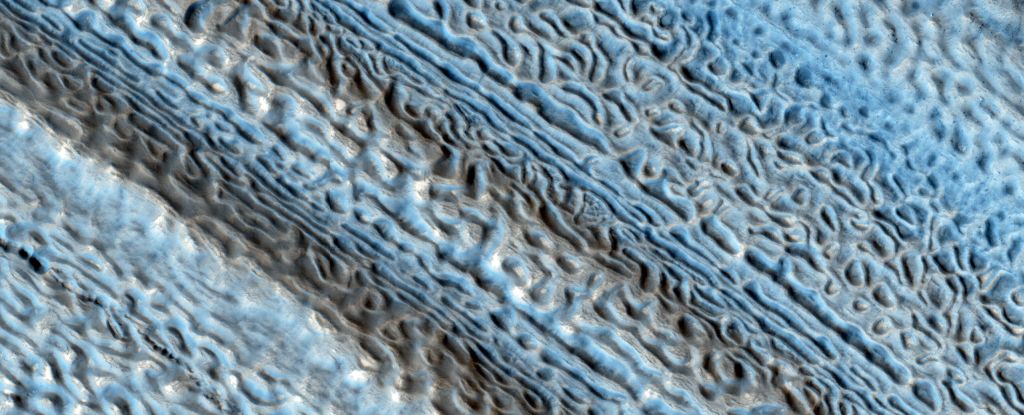
Scientists have discovered a fascinating geological phenomenon on Mars called "brain terrain," which consists of intricately sculpted ridges and troughs resembling the wrinkled surface of the human brain. The exact cause of this terrain is still unknown, but it is believed to be related to the presence of ice. Possible explanations include ice flows carving out the ridges, sublimation of ice causing the ground to collapse, or stone-sorting processes similar to those on Earth. While there are similarities to terrestrial brain terrain found on Earth, further research is needed to fully understand this intriguing feature on Mars.

space2 years ago

Ancient Landslides Unearthed on Solar System's Largest Volcano

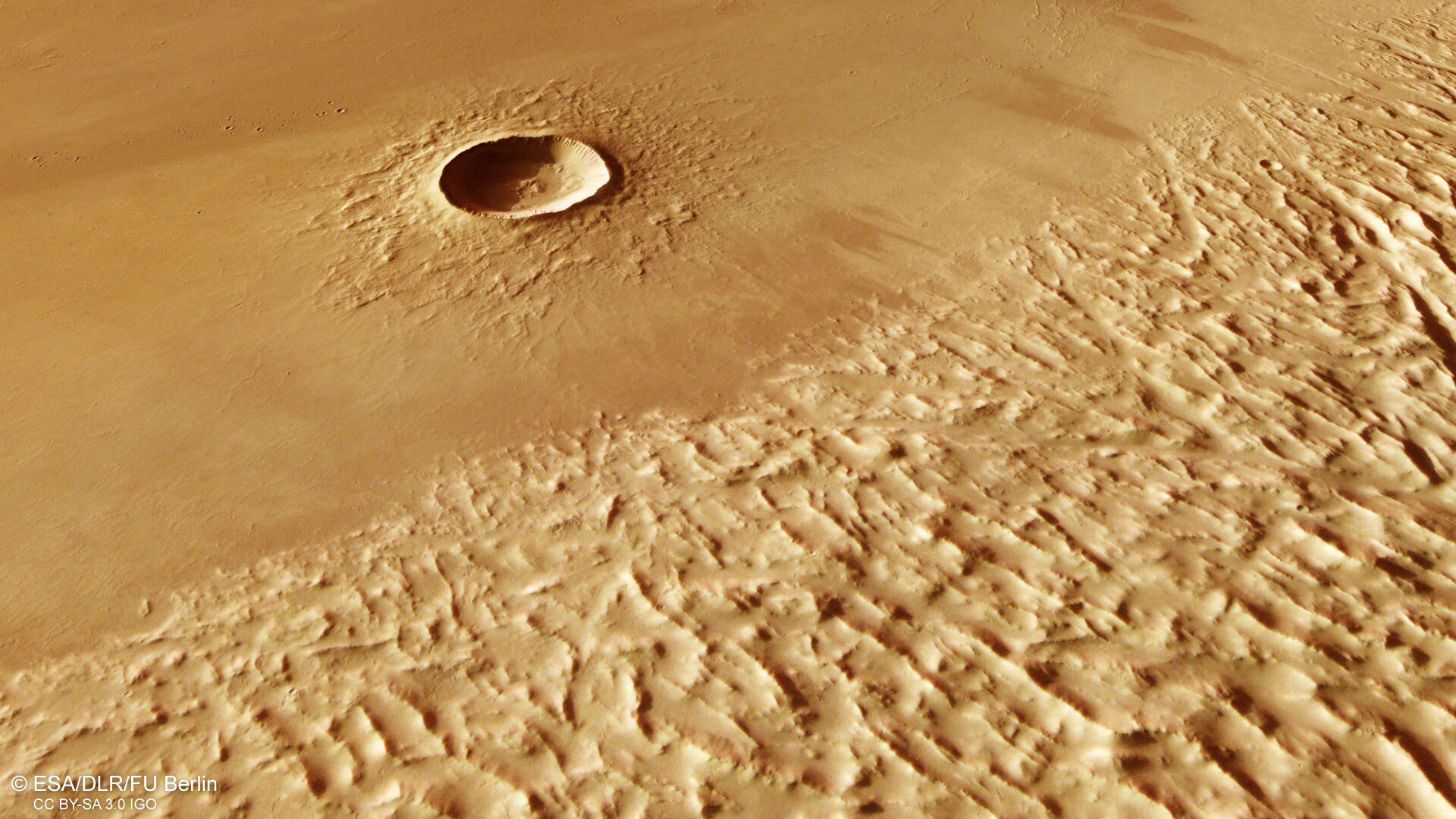
Astronomers have discovered massive landslides on the largest volcano in the solar system, Olympus Mons on Mars. These landslides, which occurred millions of years ago, were triggered by lava flows that melted ice and water, causing the rocky rim of the volcano to break off and partially slide away. The resulting geological feature, known as Lycus Sulci, is characterized by steep cliffs and a rough-textured aureole. Images from the European Space Agency's Mars Express spacecraft have provided insights into the formation of these landslides and the history of water on Mars.

space2 years ago

"NASA's Mars Exploration: Journey to the Gediz Vallis Ridge"

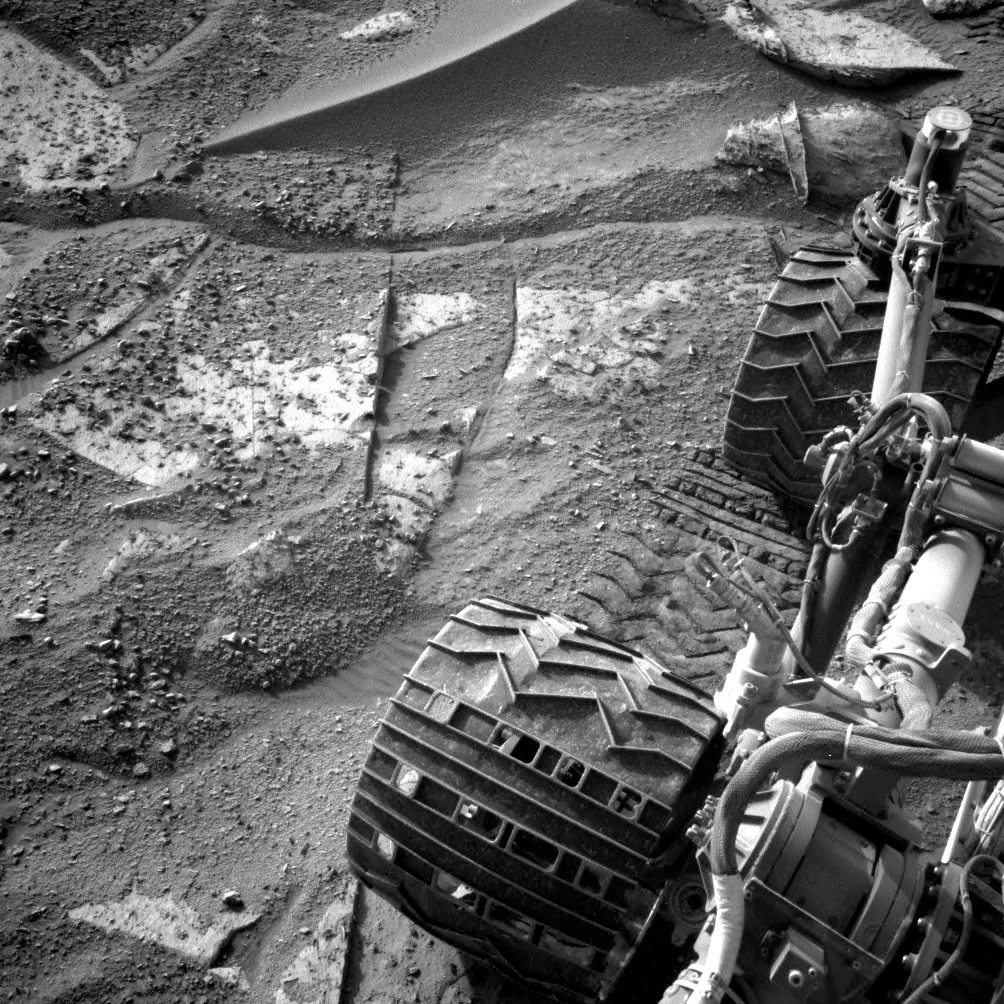
NASA's Mars rover Curiosity is making its way towards the Gediz Vallis ridge, leaving wheel tracks in the sand that spell out "JPL" in Morse Code. The rover conducted targeted science investigations, including analyzing bedrock and characterizing the chemical diversity of the local area. Environmental imaging was also performed to analyze dust in the atmosphere and observe cloud formations. As Curiosity approaches the ridge, scientists are preparing for a science campaign to study its nature, origin, and evolution within Gale crater.

space-science2 years ago

Cyclical Wet-Dry Seasons and Potential Life on Mars

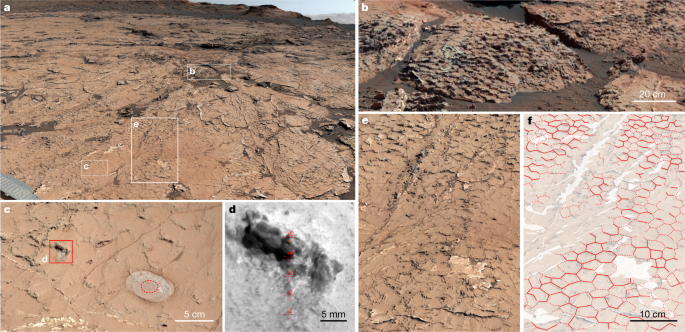
A study published in the journal Nature Communications suggests that early Mars experienced sustained wet-dry cycling, which could have provided favorable conditions for the emergence of life. The researchers analyzed sedimentary rocks from Gale Crater, the landing site of NASA's Curiosity rover, and found evidence of desiccation cracks and salt pans, indicating the presence of intermittent drying and wetting cycles. These wet-dry cycles may have facilitated the synthesis of organic compounds and the formation of habitable environments on ancient Mars. The findings contribute to our understanding of the early Martian climate and its potential for supporting life.

space2 years ago

"Ingenuity Mars Helicopter Successfully Establishes Communication with NASA"

NASA's Ingenuity Mars Helicopter successfully completed its 52nd flight, despite a temporary loss of communication with mission controllers. The communications blackout occurred as the helicopter descended towards the surface due to a hill blocking the signal between the helicopter and the Perseverance rover. Contact was re-established on June 28 when the rover crested the hill. The flight aimed to reposition the helicopter and capture images of the Martian surface for the rover's science team.

space2 years ago

"20 Years of Mars Data Captured in One Stunning Mosaic Image"

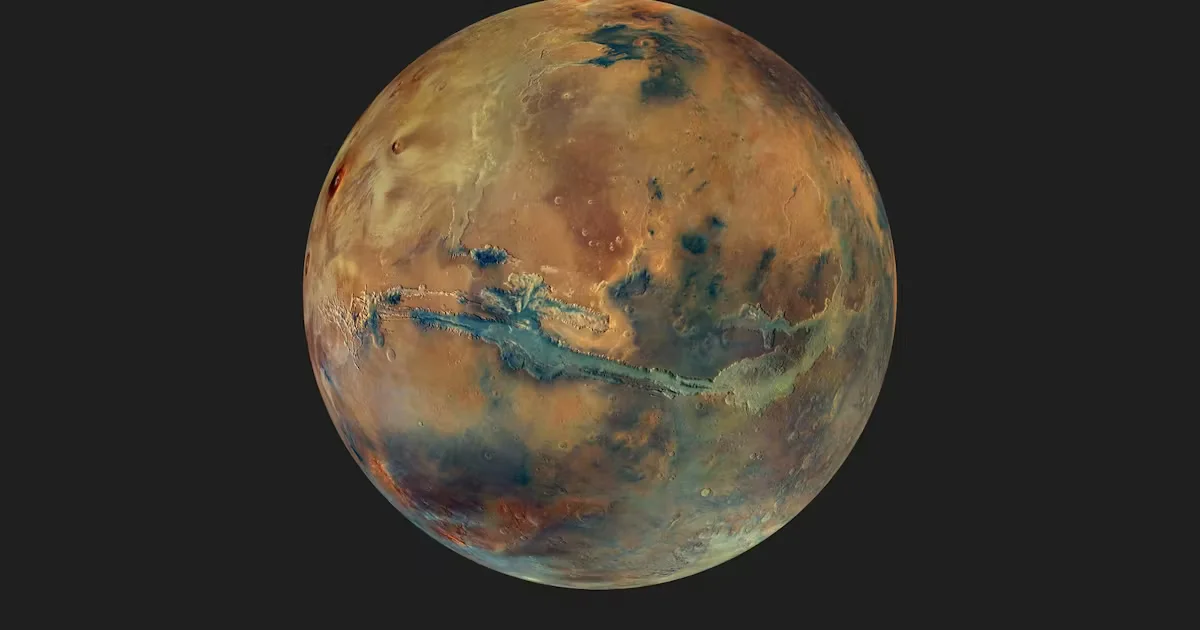
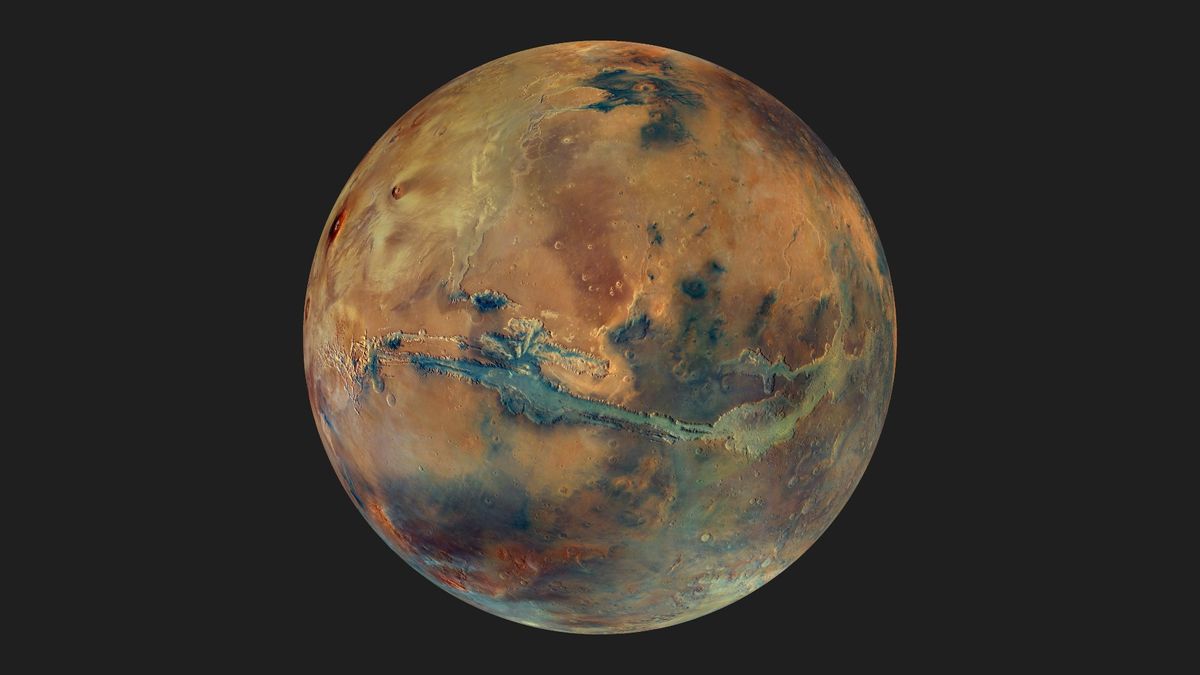
The European Space Agency's Mars Express orbiter has mapped the Martian surface using its High-Resolution Stereo Camera (HRSC) for almost 20 years. To celebrate the mission's 20th anniversary, a series of global color mosaic images were live-streamed from the Mars Express orbiter to Earth. The mosaic is the result of a high-altitude campaign conducted by the HRSC science team and state-of-the-art image processing, providing valuable insight into the Martian environment, including revealing the surface composition, demonstrating how water once flowed there in the past, and modern meteorological phenomena.

science-and-astronomy2 years ago

"20 Years of Mars Exploration: Stunning Photos and Livestreams Revealed"

The European Space Agency's Mars Express spacecraft has released a stunning new image of Mars to commemorate its 20th anniversary. The image was created using data collected by the spacecraft's High-Resolution Stereo Camera (HRSC) from altitudes between 2,500 miles to 31,000 miles over the Martian surface, providing a full global view that reveals unprecedented details of the planet. The image shows Mars in a multitude of colors, providing a far richer color view of the planet than ever before, with each hue offering planetary scientists information about the surface composition of the planet.