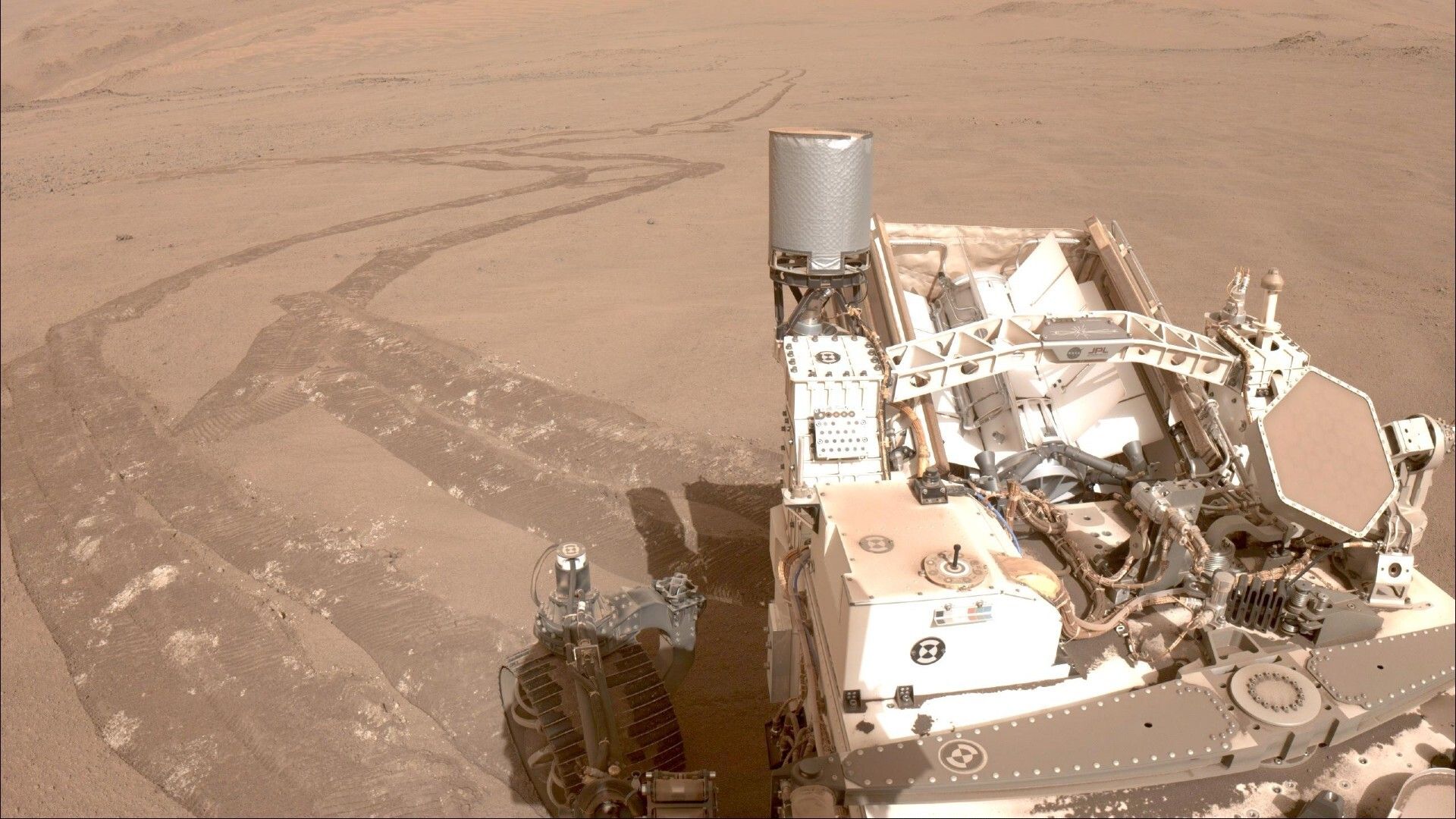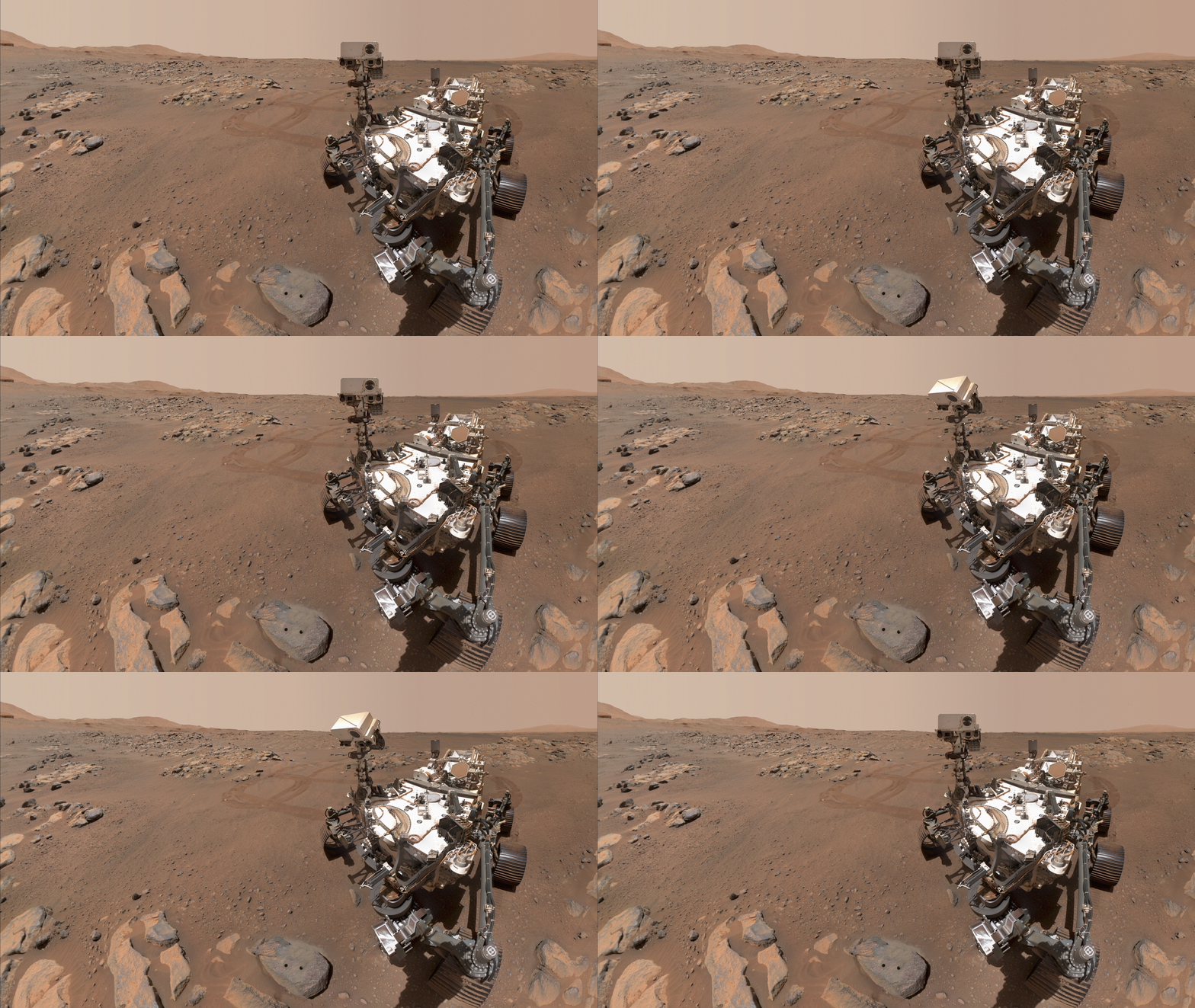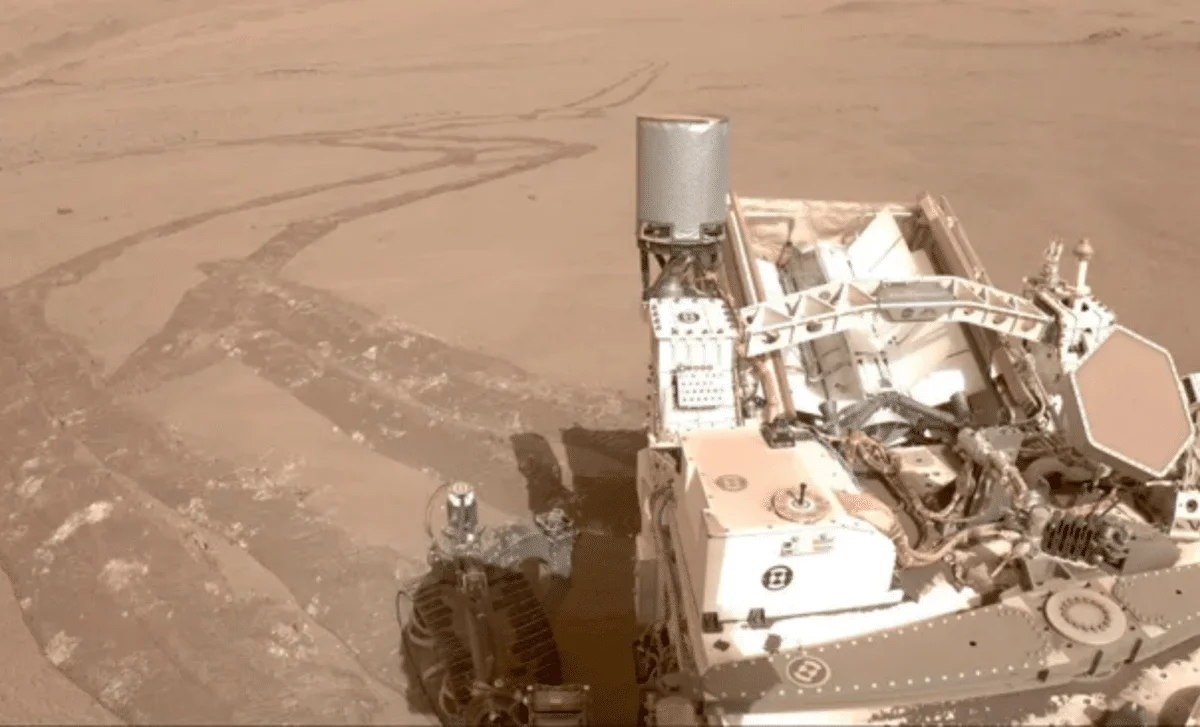
NASA's Perseverance rover may soon set a record for the longest distance driven on Mars, potentially reaching 62 miles (100 km) by the end of its mission, thanks to its durable design and ongoing exploration of Jezero Crater for signs of ancient microbial life. The rover has already traveled about 25 miles and continues to operate well beyond its initial expectations, with plans to extend its mission into 2028.
NASA's Perseverance rover has traveled nearly 25 miles on Mars over five years, with its systems certified to operate until at least 2031. It is exploring the Jezero Crater, collecting rock samples that may contain signs of past microbial life, and utilizing advanced autonomous navigation to enhance its exploration capabilities. Recent findings include insights into Mars' geological history, particularly the interactions of water, rocks, and atmosphere in the crater.
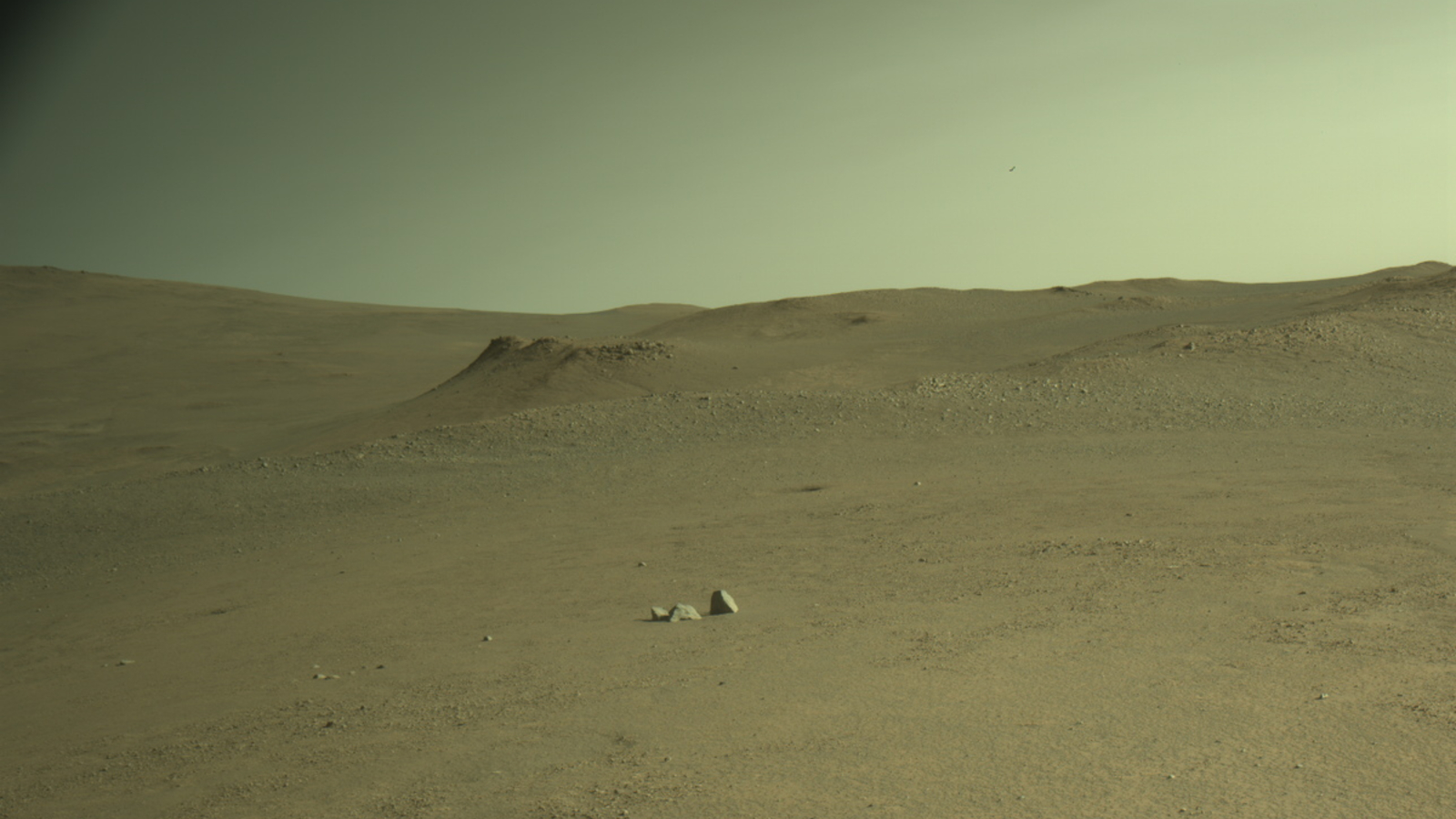
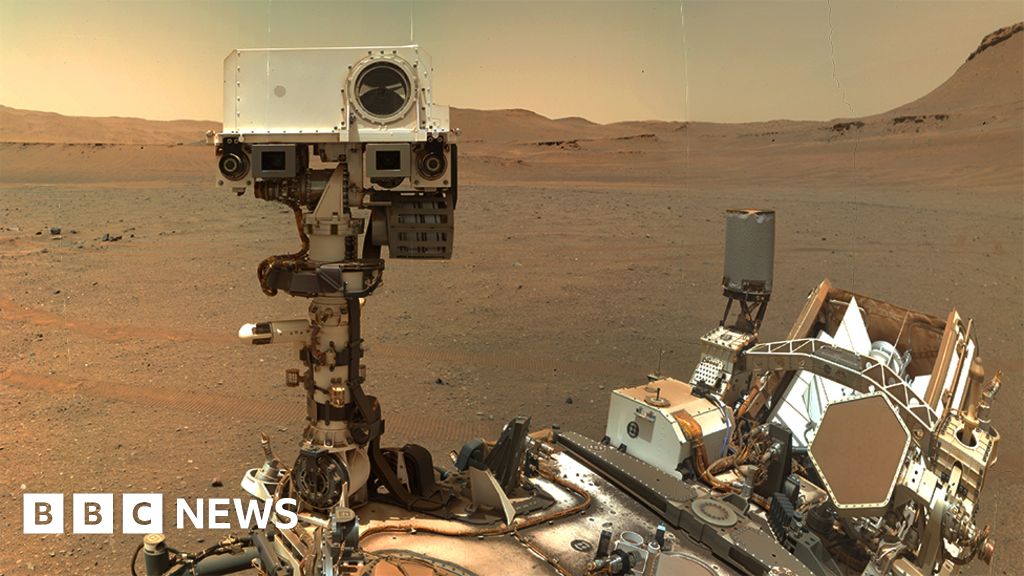
NASA's Perseverance rover captured an image from Soroya Ridge on Mars, continuing its mission to explore the planet's surface, search for signs of ancient microbial life, and collect samples for future analysis, as part of its ongoing exploration beyond Jezero Crater.
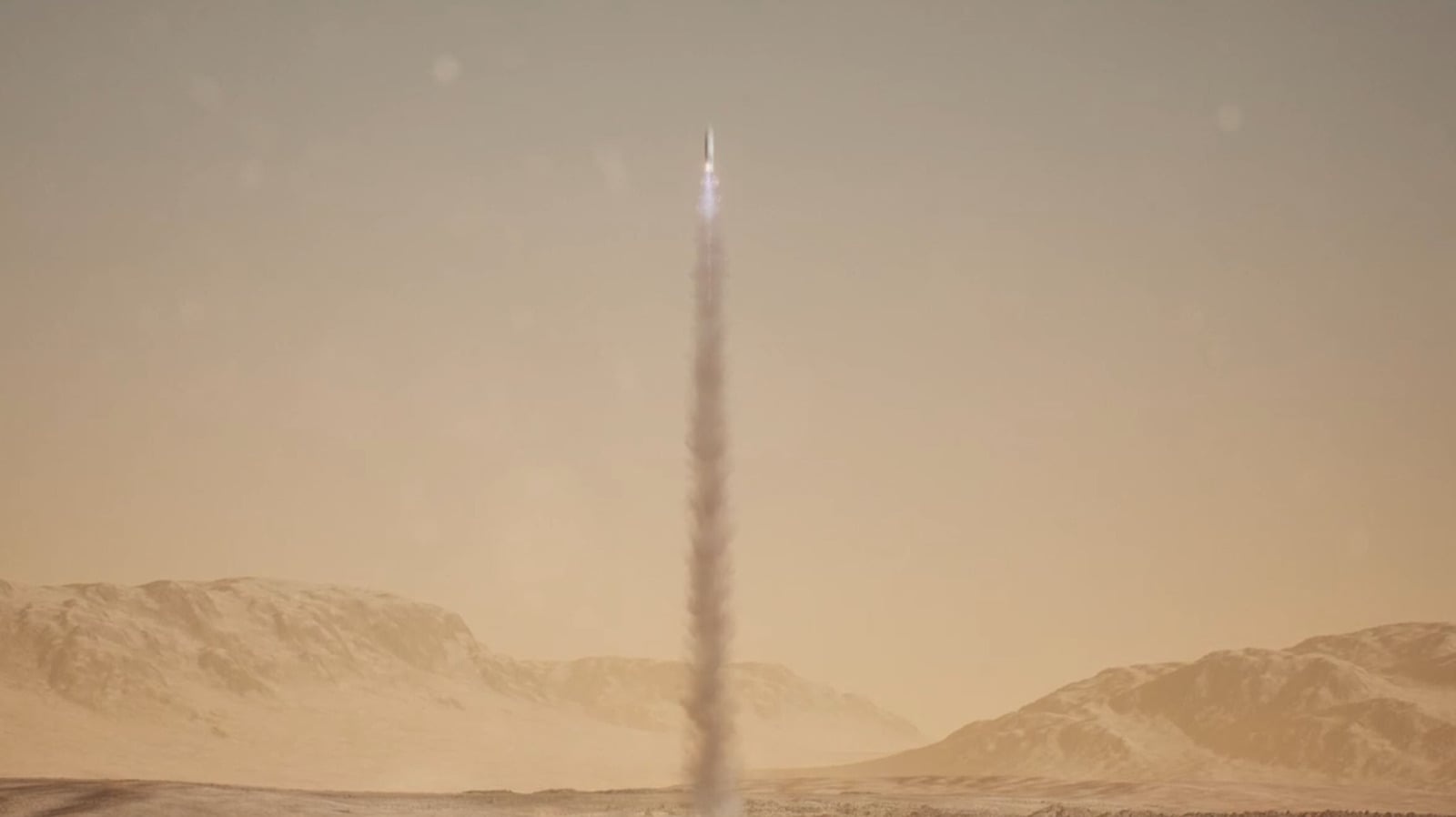
Lockheed Martin has proposed a cost-effective plan to retrieve Mars samples collected by NASA's Perseverance rover, offering to do so for less than $3 billion by downsizing the mission components. This proposal aims to address NASA's budget concerns and could potentially take over the Mars Sample Return mission if NASA opts for a cheaper alternative amid budget cuts and international competition.
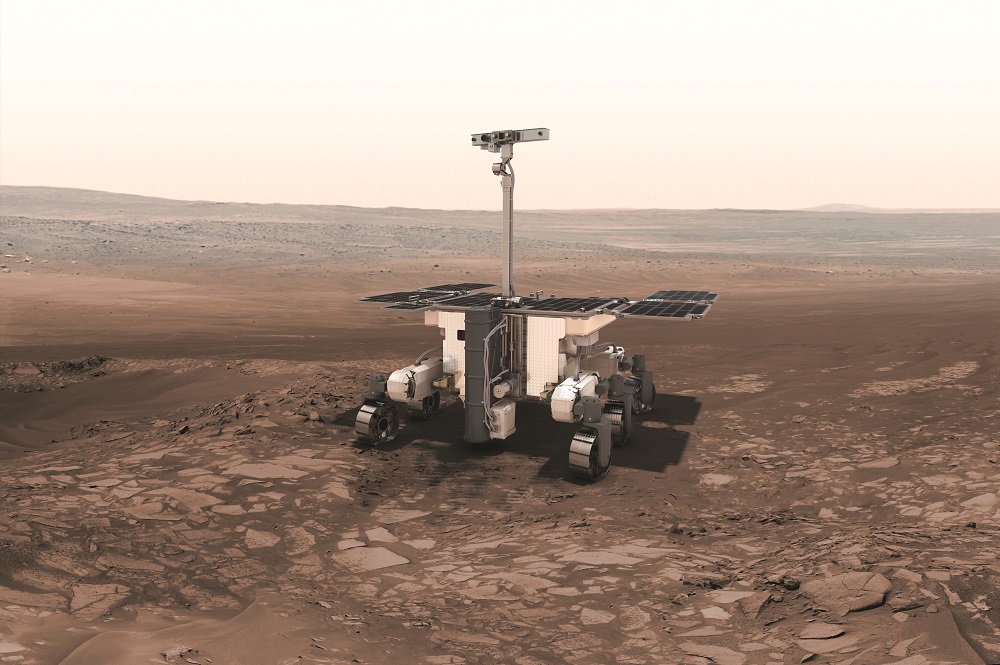
The European Space Agency has awarded a 522 million euro contract to Thales Alenia Space to resume work on the ExoMars Rosalind Franklin mission, which aims to search for evidence of past or present life on Mars. The new contract will replace Russian contributions and involve the development of a new landing platform, with NASA providing aerobraking engines and radioisotope heating units. The mission is now scheduled for launch in the fourth quarter of 2028, marking a major stabilization of the program after being derailed by geopolitical issues.
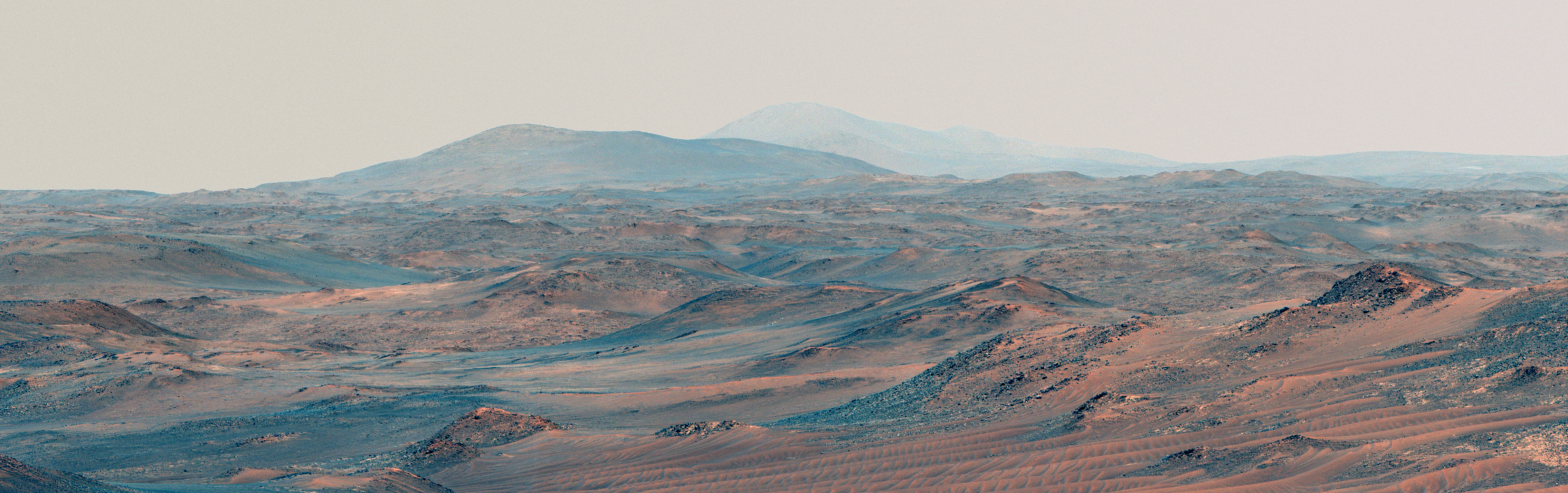
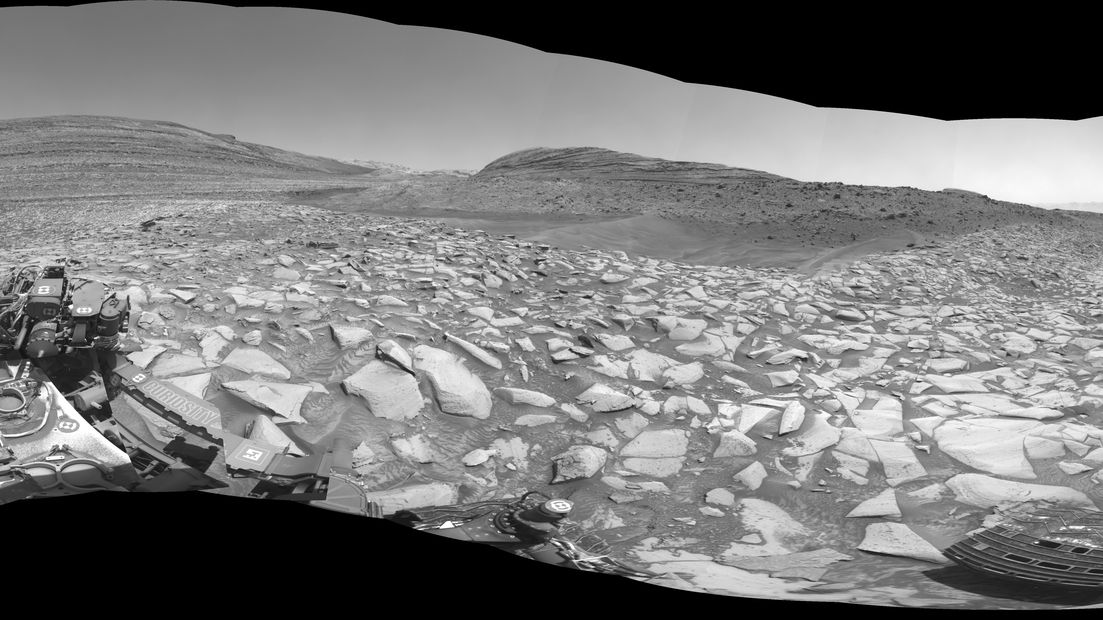
NASA's Curiosity rover is embarking on a new phase of exploration on Mars, venturing into what scientists believe is the dried-up bed of an ancient river called Gediz Vallis. The rover will investigate the area to gain insight into the Martian environment and the possibility of past or present life on the Red Planet. Scientists are intrigued by the possibility that the channel was formed by flowing liquid water, indicating a resurgence of water on Mars after a long dry period. Curiosity will spend months exploring the channel, providing valuable information about the Martian landscape and its history.
The NASA Mars Rover, Spirit, captured the first image of Earth from the surface of another planet on March 8, 2004, marking its 20th anniversary today. This iconic image provided a new perspective on Earth's place in the solar system. Another NASA rover, Curiosity, also captured an image of Earth from inside the Gale crater on Mars, showcasing the Moon as well. While Spirit explored the Martian surface for almost six years, Curiosity continues its work in Gale Crater, and the most advanced NASA rover, Perseverance, has been exploring Jezero Crater since February 2021.
NASA's Mars rover, Curiosity, captured an image of a rock that resembles the iconic Star Trek Delta symbol, sparking excitement among fans. The discovery has led to speculation and connections to the show's episodes, particularly "Among The Lotus Eaters" from Strange New Worlds. This fun story has created a link between the fictional future of Star Trek and the real exploration of Mars, adding an extra layer of excitement for fans eagerly awaiting new Star Trek content.
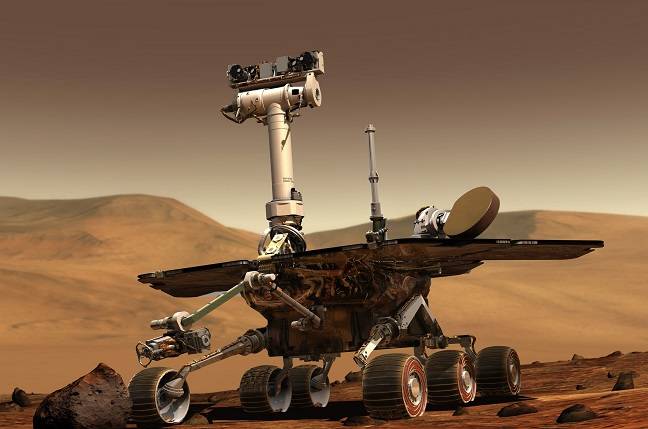
Scientists and engineers working on the Mars rover Opportunity felt a strong connection to the device, which lasted 15 years beyond its intended mission. This highlights the importance of phone longevity and the need for simple tips to make phones last longer.
NASA's Perseverance rover has successfully completed its primary objective of surveying an ancient crater lake on Mars and collecting rocks that could provide evidence of past life. The rover has drilled and stored 13 rock cores, revealing the geological history of Mars's Jezero Crater. The next challenge is to bring these rock samples back to Earth for further study, which will involve a complex mission in partnership with the European Space Agency. Recent discoveries, including the presence of carbonate minerals and phosphorus, suggest the potential for a habitable environment in Mars's past. Perseverance will continue its exploration by investigating rocks on the inner rim of the crater.
China's Zhurong rover, equipped with a ground-penetrating radar system, has discovered irregular polygonal wedges beneath Mars' surface, believed to be formed by freeze-thaw cycles or cooling lava. These formations, found in Utopia Planitia, suggest a strong paleoclimatic variability on Mars billions of years ago. The rover's mission, which lasted longer than intended, aimed to study Mars' topography and composition but has entered hibernation and hasn't been heard from since.
NASA's Mars rover Perseverance has collected what may be its youngest rock sample yet from the Jezero Crater. The sample, called "Pilot Mountain," is believed to represent some of the youngest preserved material on the crater's Western Fan. Scientists hope that studying these samples will reveal the geological secrets of Mars and provide insights into its transformation from a water-filled world to a dry and arid landscape. The samples could also potentially contain traces of ancient microbial life.
Dr Akshata Krishnamurthy, an Indian researcher, shared her inspiring journey to NASA on Instagram. Despite being told it was impossible, she pursued her dream and became the first Indian citizen to operate a rover on Mars. After completing her PhD at MIT, she was hired full-time at NASA and now works on multiple space missions, including the Perseverance rover. Her video has garnered over 7.62 lakh views and has left netizens inspired.
Engineer Chris Lewicki recounts a testing mistake that nearly destroyed the Spirit Mars Rover before its launch in 2003. While verifying the integrity of the Rock Abrasion Tool (RAT), Lewicki accidentally sent a surge of electricity into the spacecraft instead of the motor, causing all telemetry to cease. With only two weeks until launch, the team managed to restore power and the mission was a success. Lewicki went on to have a successful career and became the flight director for the mission.
NASA's Perseverance Mars Rover captured a series of images showing a 200-foot-wide dust devil moving across the surface of Mars, about 2.5 miles away from the rover. The images, taken on the rover's 899th day on Mars, were compiled and sped up to show the motion of the dust devil. Dust devils on Mars are smaller and weaker than tornadoes on Earth but play a role in redistributing dust on the planet. Scientists study these phenomena to better understand Mars' atmosphere and improve weather models. The dust devil captured in the images was estimated to be over a mile high, based on its shadow.