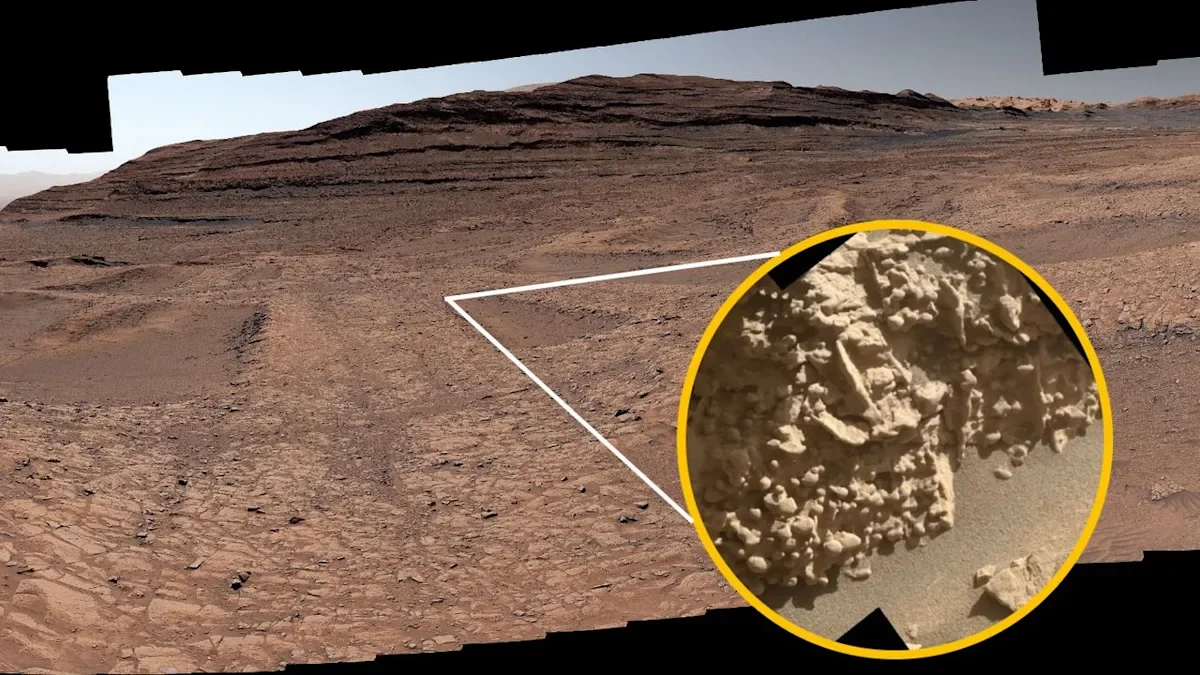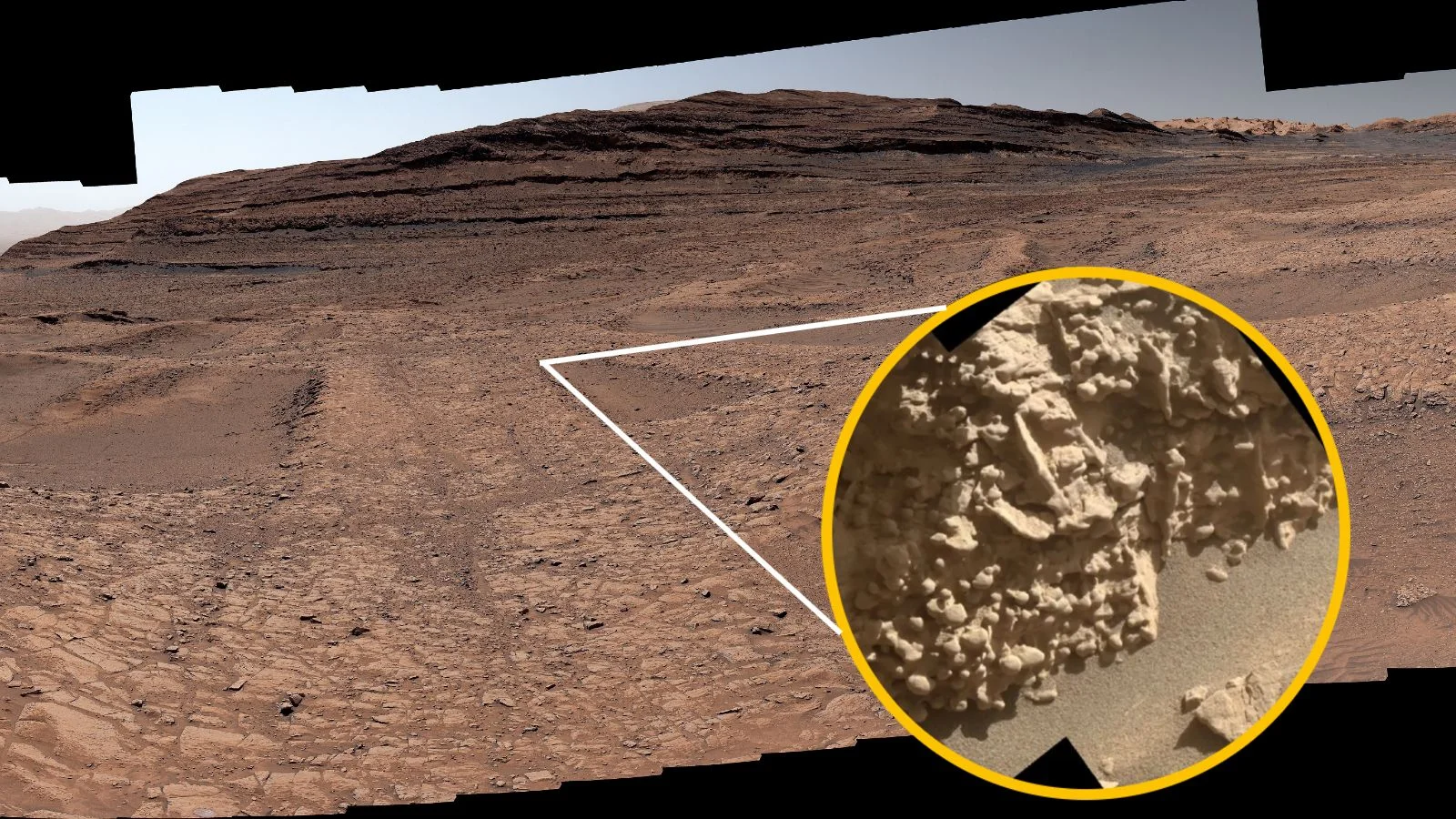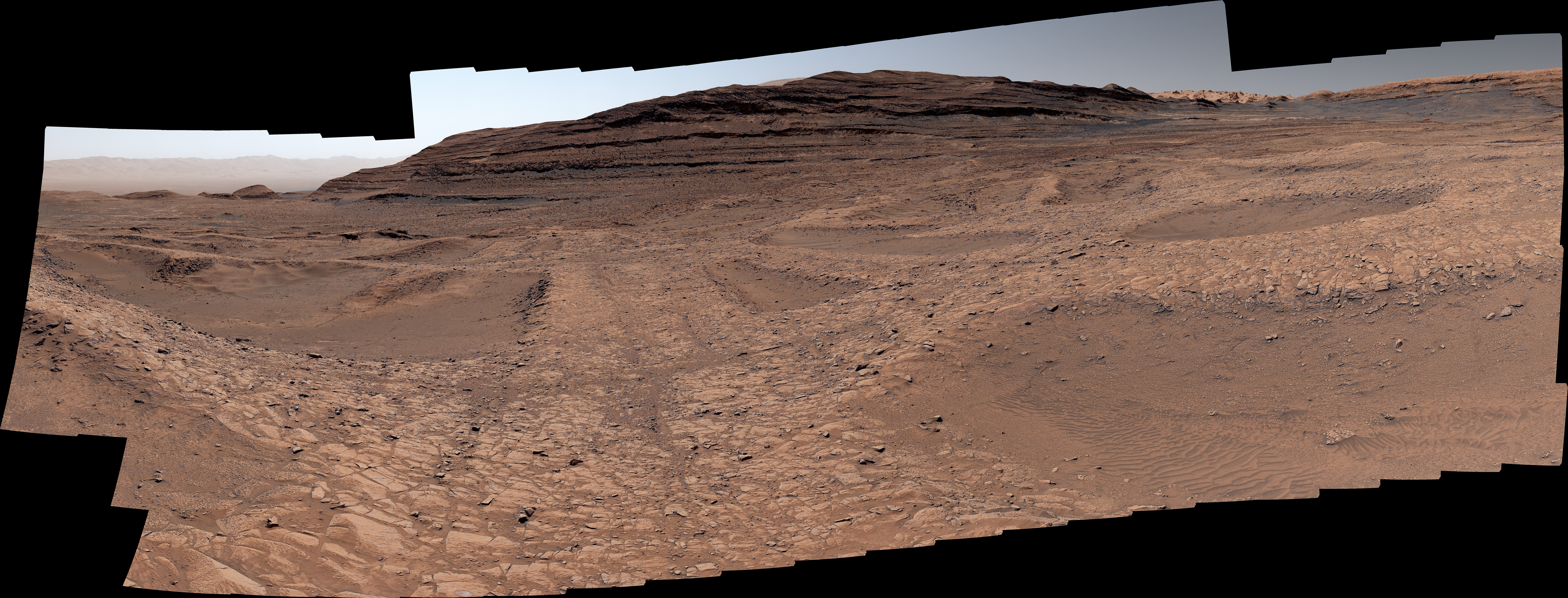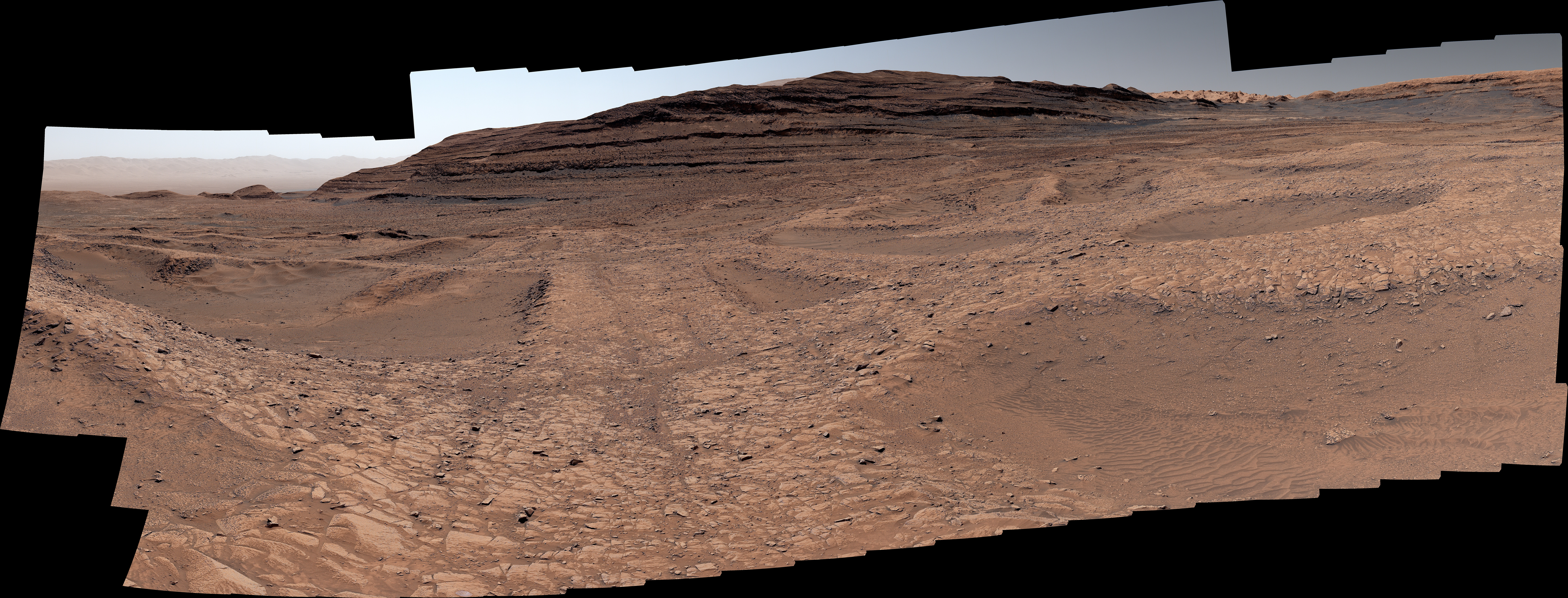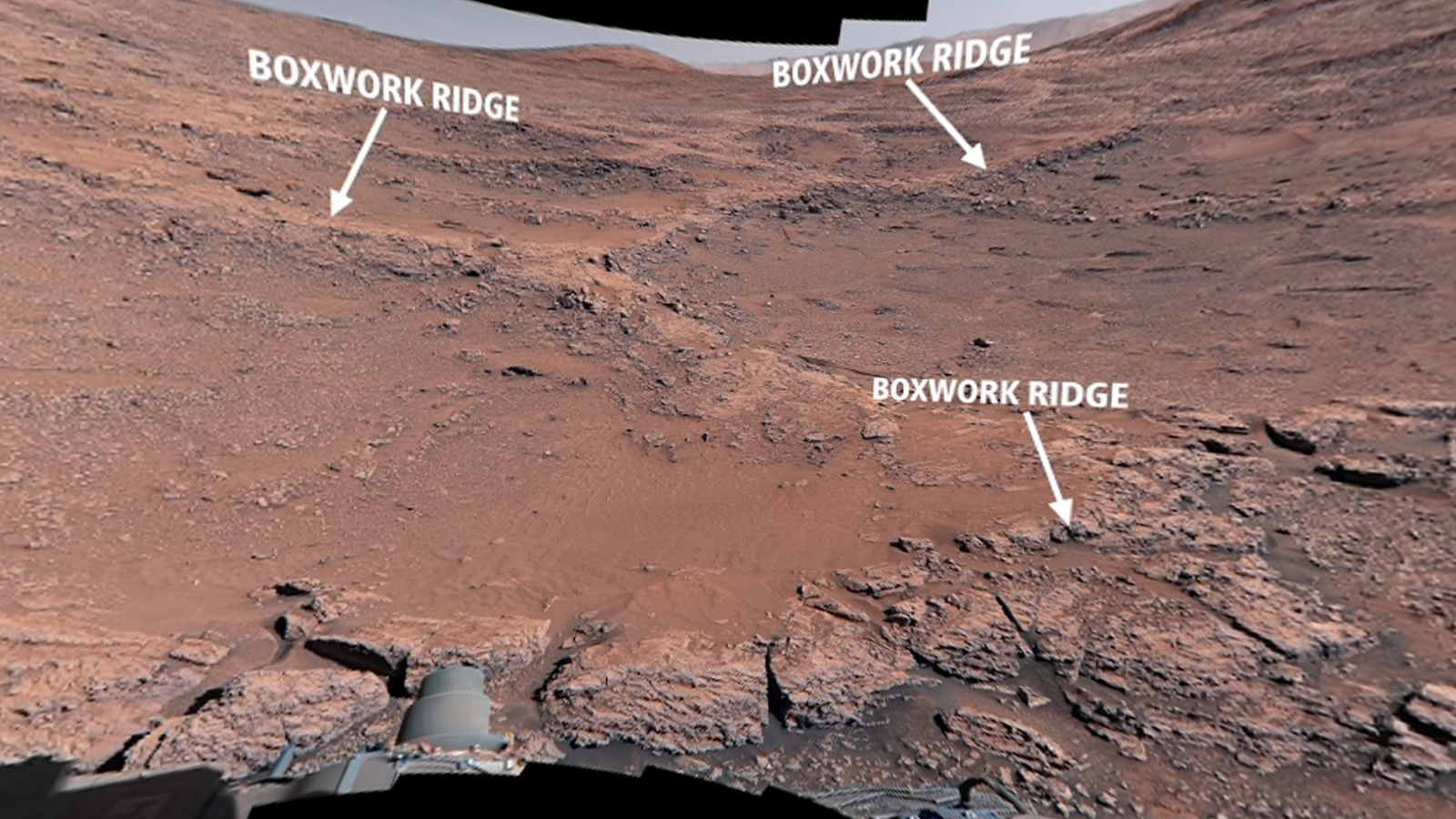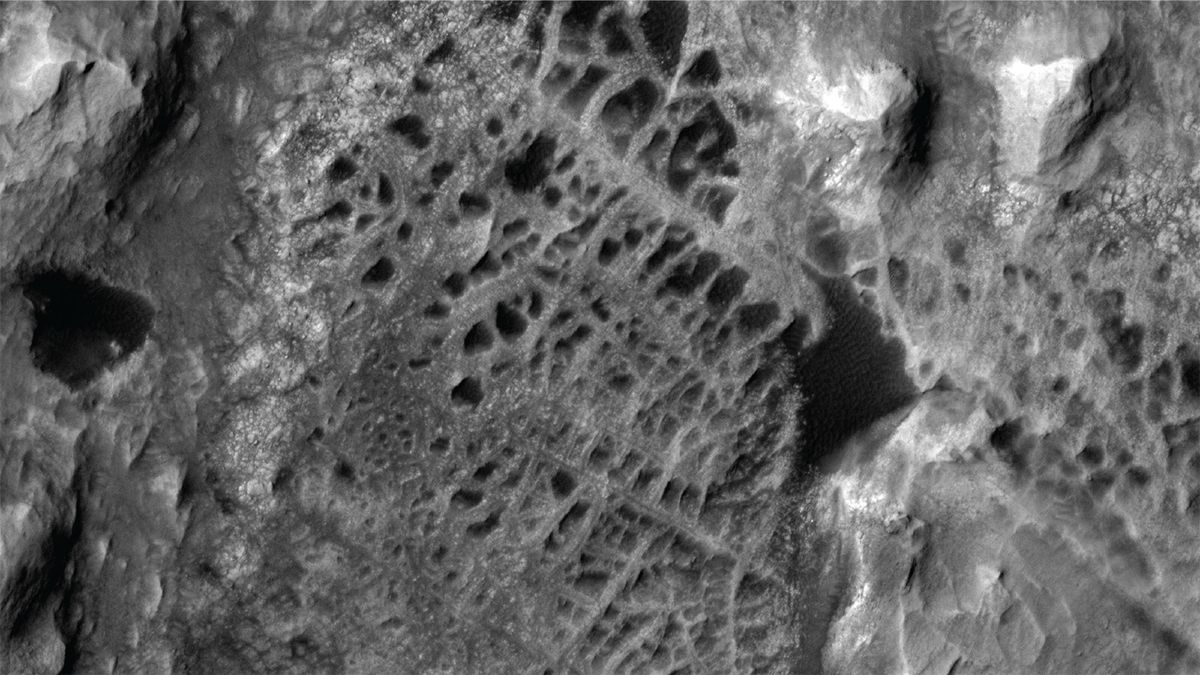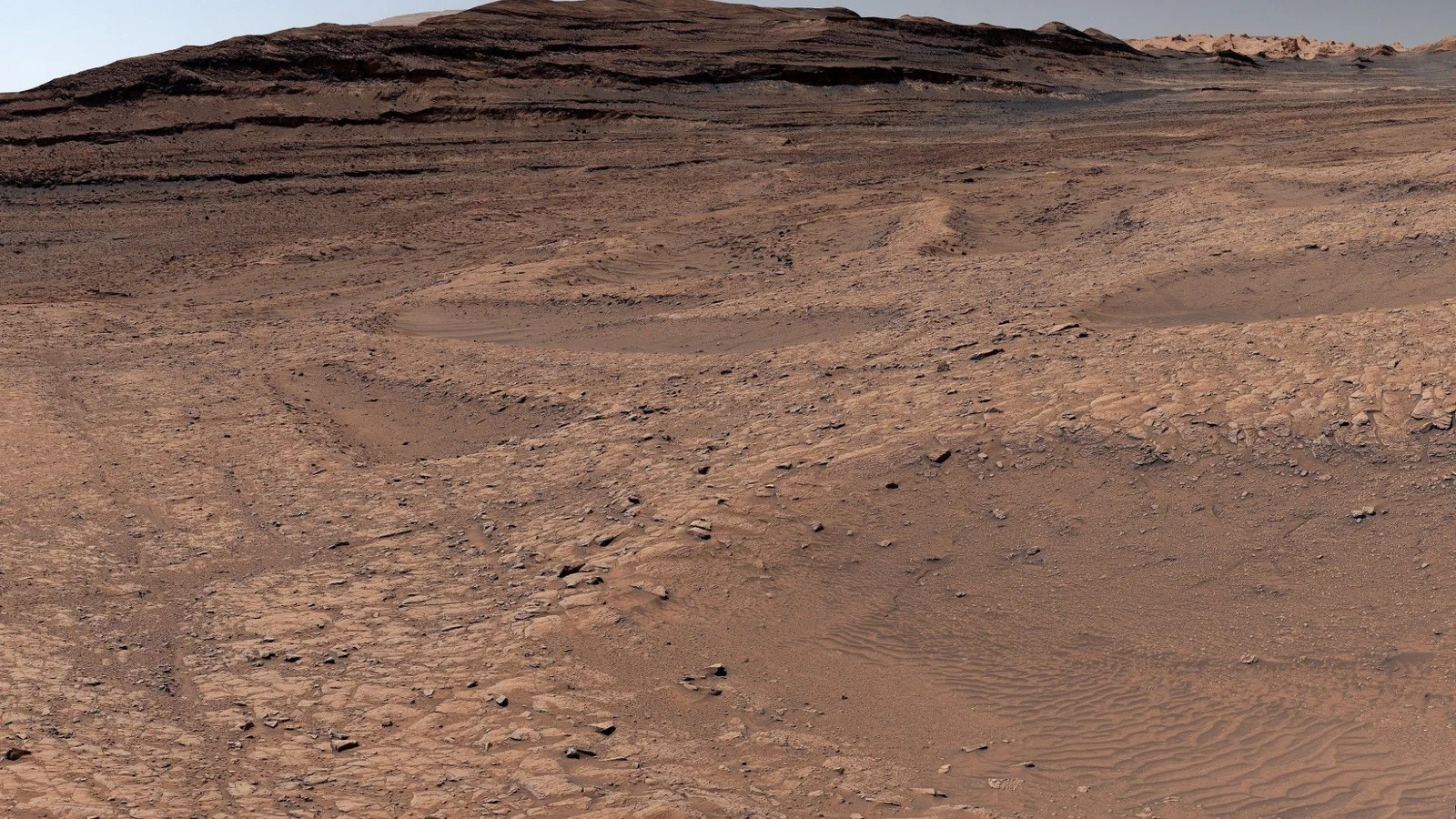
NASA's Curiosity rover has captured the first close-up images of large, web-like mineral formations called 'boxwork' on Mars, which are believed to be formed by ancient groundwater activity. These structures, found on Mount Sharp in Gale Crater, could provide insights into Mars' watery past and potential habitability, and contain minerals like calcium sulfate that suggest past water presence.
NASA's Curiosity rover is set to explore large spiderweb-like "boxwork" features on Mars, which may provide insights into the planet's watery past. These formations, spanning 6 to 12 miles, are believed to have formed from mineral-rich water, similar to terrestrial boxwork found in caves. Scientists are particularly interested in the minerals within these structures, as they could reveal whether conditions on ancient Mars were suitable for life. Curiosity's exploration of this area is expected to begin in early 2025.