Tag

Neurotoxin

All articles tagged with #neurotoxin

science6 months ago

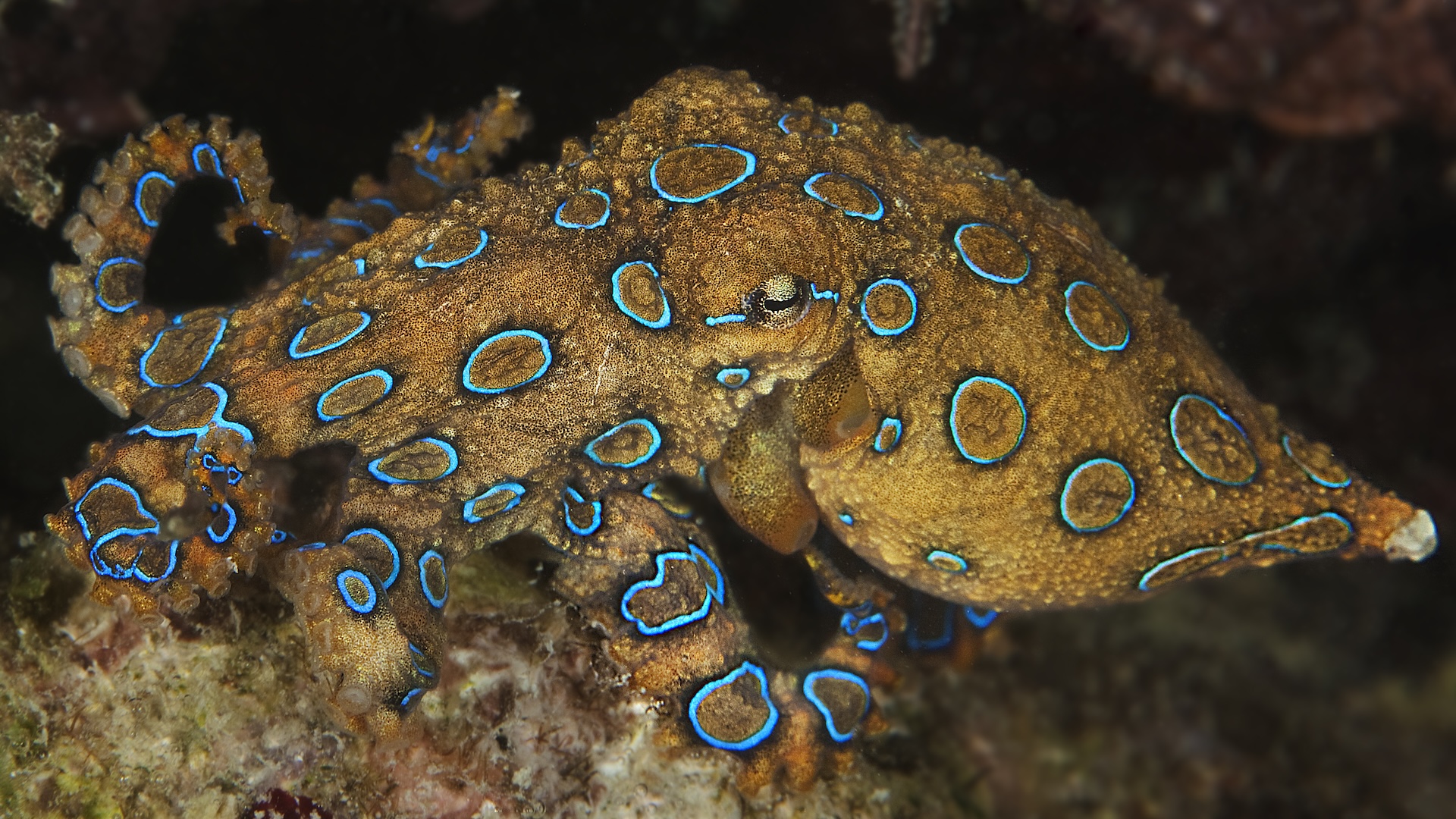
The Deadly Secret of the Blue-Ringed Octopus

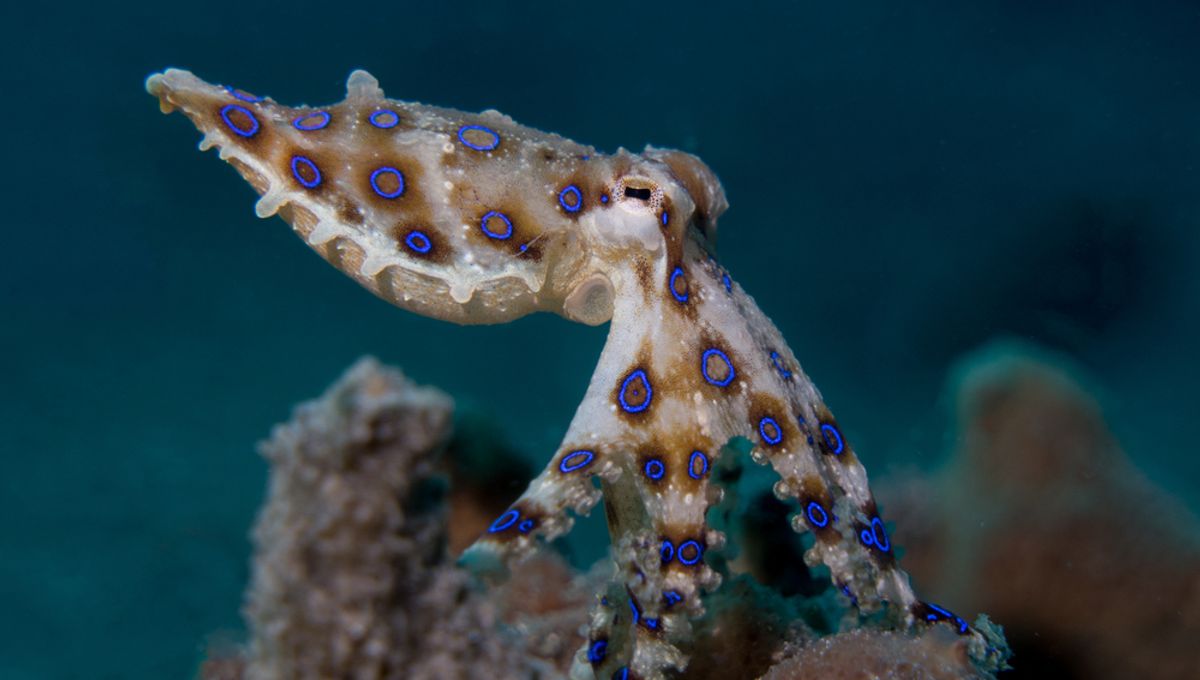
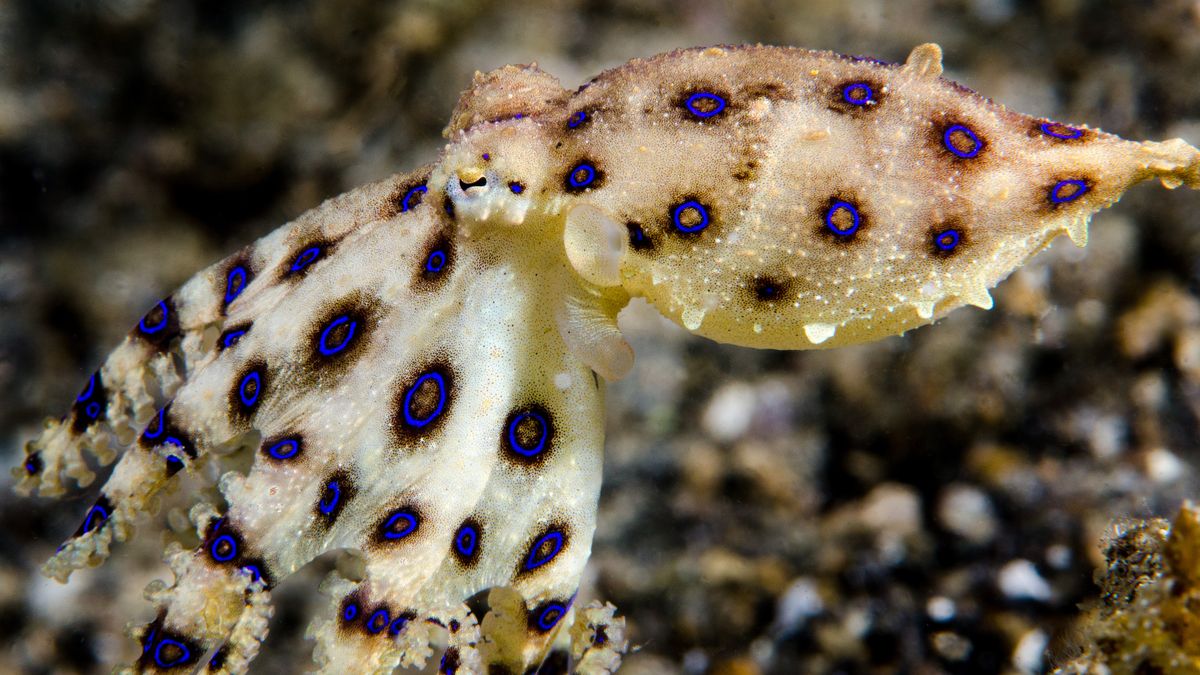
The blue-ringed octopus is highly dangerous due to its production of tetrodotoxin, a potent neurotoxin that can paralyze and potentially kill humans. This toxin, produced by symbiotic bacteria in its salivary glands, is used for defense, hunting, and reproductive purposes, and makes the octopus the most venomous among cephalopods. Despite its small size, its venom is extremely potent, with a few reported human fatalities, though some bites result in no serious effects if treated promptly.

environment2 years ago

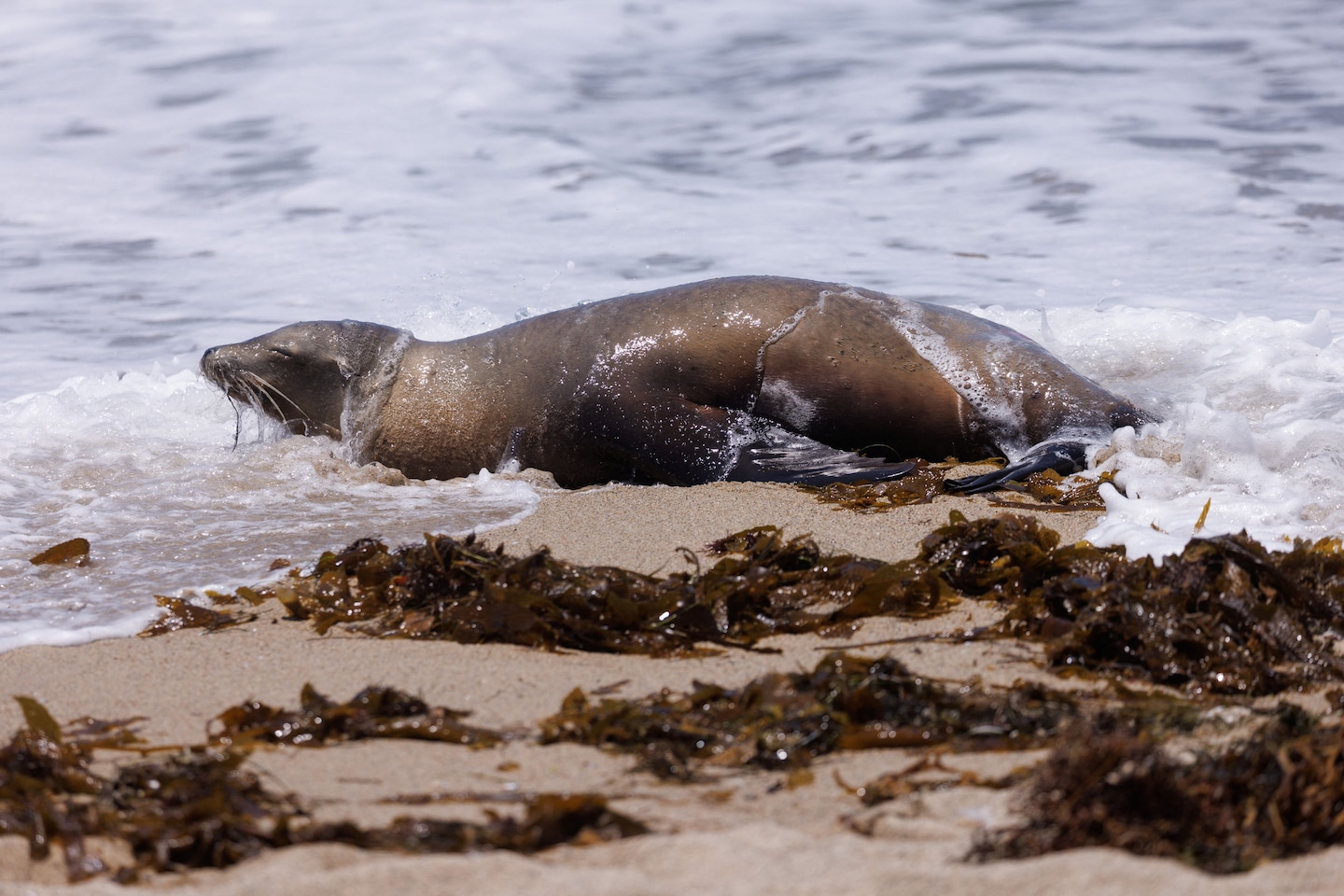
Toxic Algae Bloom in California Sparks Aggression in Sea Lions

Sea lions along the Southern California coast are biting people due to ingesting toxic algae that contains a neurotoxin called domoic acid. The algae blooms have caused hundreds of sea lions and dolphins to become sick, suffering from seizures, brain damage, dehydration, and muscle spasms. At least two dozen beachgoers have reported being bitten. Harmful algal blooms occur almost every year in California, but this summer's outbreak is the deadliest seen so far. Wildlife care centers are overcrowded, and some sea lions have been left on shores due to lack of space. The toxins can also pose health risks to humans, and precautions have been advised. Researchers hope to contain the contamination and prevent the spread of toxins to other parts of the Pacific Ocean.

health2 years ago

Calls to Ban Common Food Coloring Additive in US

Public health advocates have petitioned the US Food and Drug Administration (FDA) to ban the use of titanium dioxide, a common color enhancer found in thousands of US foods, including M&Ms, Skittles, and Chips Ahoy! cookies. Recent scientific studies have linked the compound to serious health issues and found that it accumulates in the body and organs. The European Food Safety Authority has already banned its use in food. The FDA approved titanium dioxide for food use in 1966 and last reviewed it in 1973, but the petition mechanism is one of the few ways the FDA can be compelled to review updated science.

science2 years ago

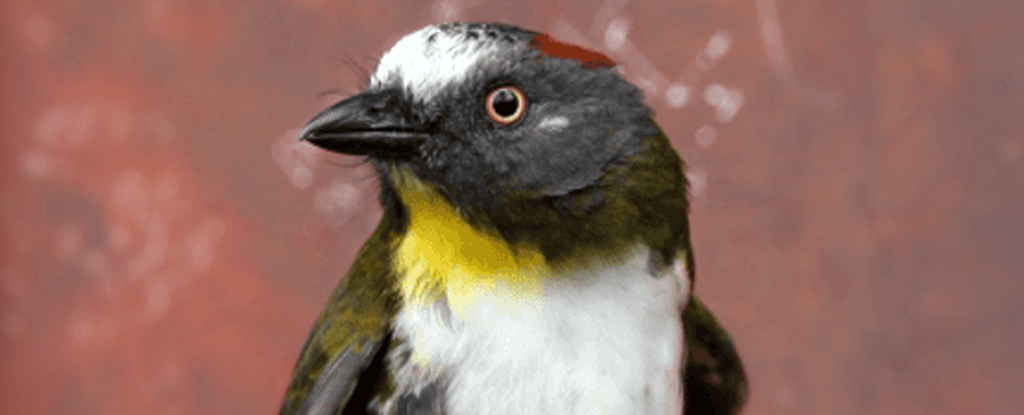
Beware of Deadly Birds with Nerve Agent Feathers

Two bird species in Papua New Guinea, the regent whistler and rufous-naped bellbird, have been found to store a potent neurotoxin called batrachotoxin in their feathers, which can cause muscle cramps and cardiac failure. Researchers have discovered how these birds avoid making themselves sick from the poison. The toxin is suspected to be a deterrent for predators or parasites. The birds have mutations in a protein that forms one of the sodium channels, which is an example of convergent evolution. The spread of poisonous organisms throughout an ecosystem is a slow-moving but fierce evolutionary battle.

nature2 years ago

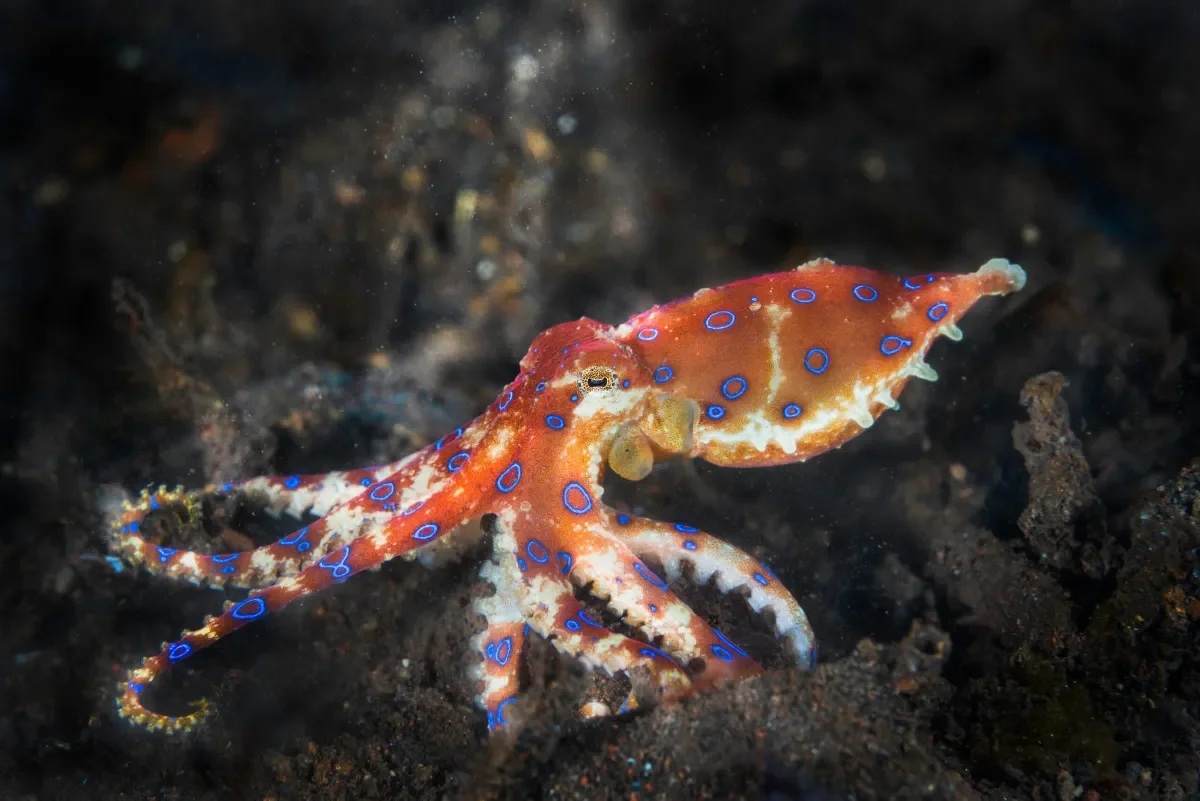
Woman Survives Multiple Bites from World's Most Toxic Octopus

A woman in Australia survived multiple bites from a blue-ringed octopus, one of the most venomous animals in the world. The octopus contains a neurotoxin 1,000 times more powerful than cyanide, which can cause muscle numbness, loss of vision, and respiratory arrest. While deaths from blue-ringed octopus bites are rare, the venom can kill 26 humans in minutes. The woman was treated in a hospital and monitored for symptoms.

biology2 years ago

Woman suffers multiple bites from highly toxic blue-ringed octopus.

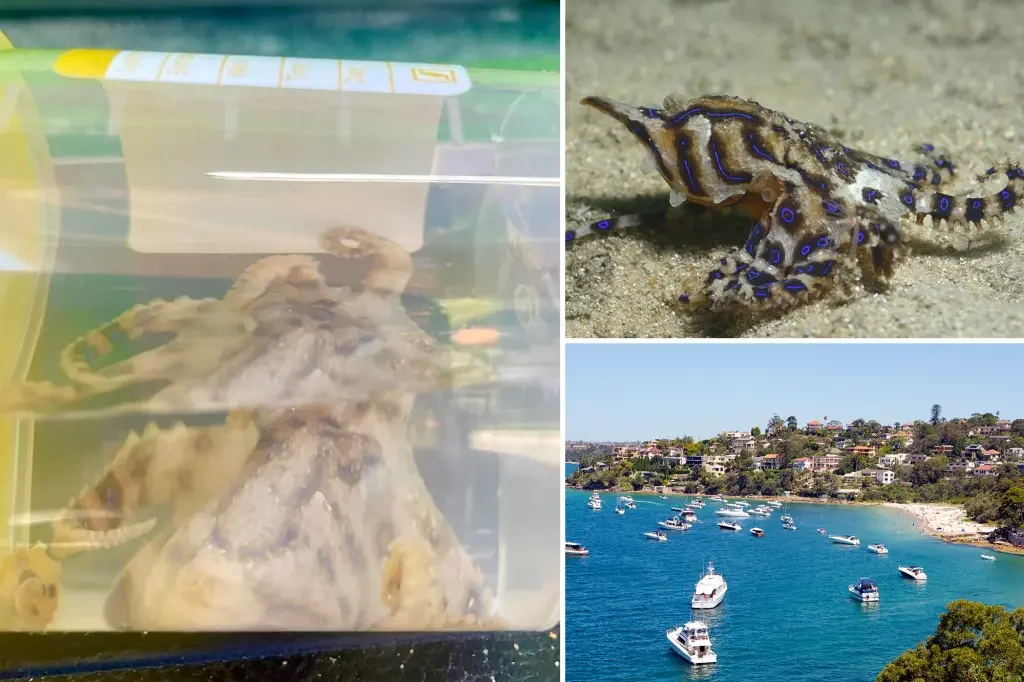
A woman in Australia was bitten twice on her abdomen by a blue-ringed octopus, one of the world's most toxic animals, while swimming at a beach near Sydney. Blue-ringed octopuses contain tetrodotoxin, a powerful neurotoxin that can paralyze and kill humans even in small doses. There is no known antidote for tetrodotoxin, and death can occur anywhere between 20 minutes and 24 hours after the toxin enters the body. Despite being so toxic, blue-ringed octopuses have caused only three confirmed deaths.

health2 years ago

Octopus Attack Sends Woman to Hospital

A woman in her 30s was hospitalized in Australia after being bitten twice on the stomach by a highly venomous blue-ringed octopus while swimming at Chinamans Beach in New South Wales. The venom of the octopus contains tetrodotoxin, a neurotoxin that can cause respiratory arrest, heart failure, paralysis, blindness, and death from suffocation. Despite their small size, a single blue-ringed octopus carries enough venom to kill 26 adult humans within minutes. The victim is reportedly in stable condition, and the culprit octopus was captured by the ambulance service.