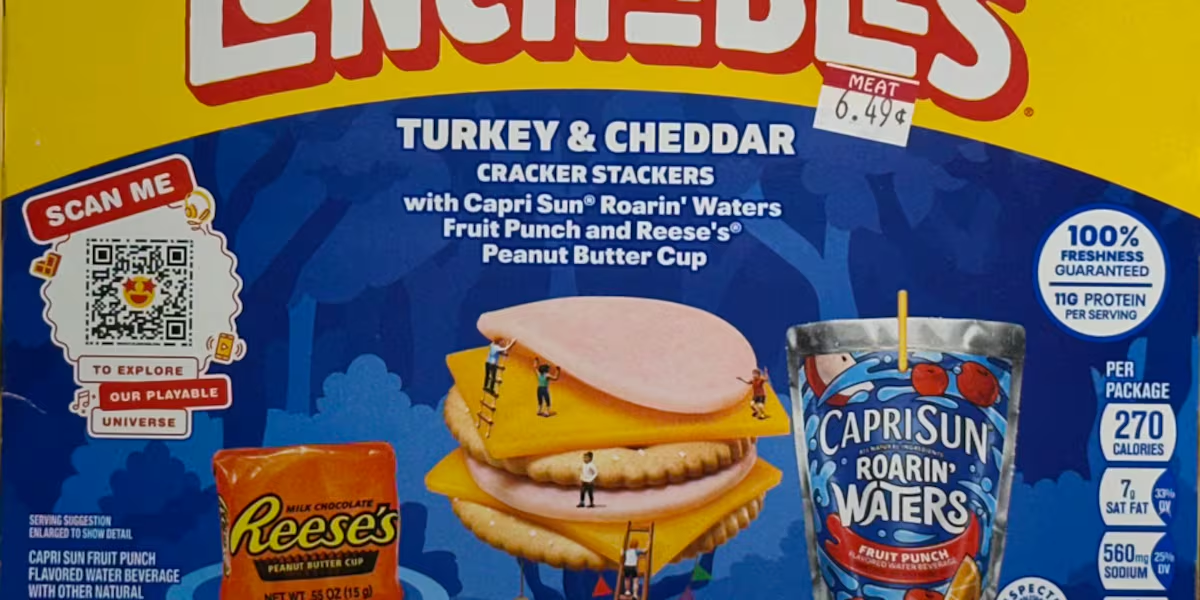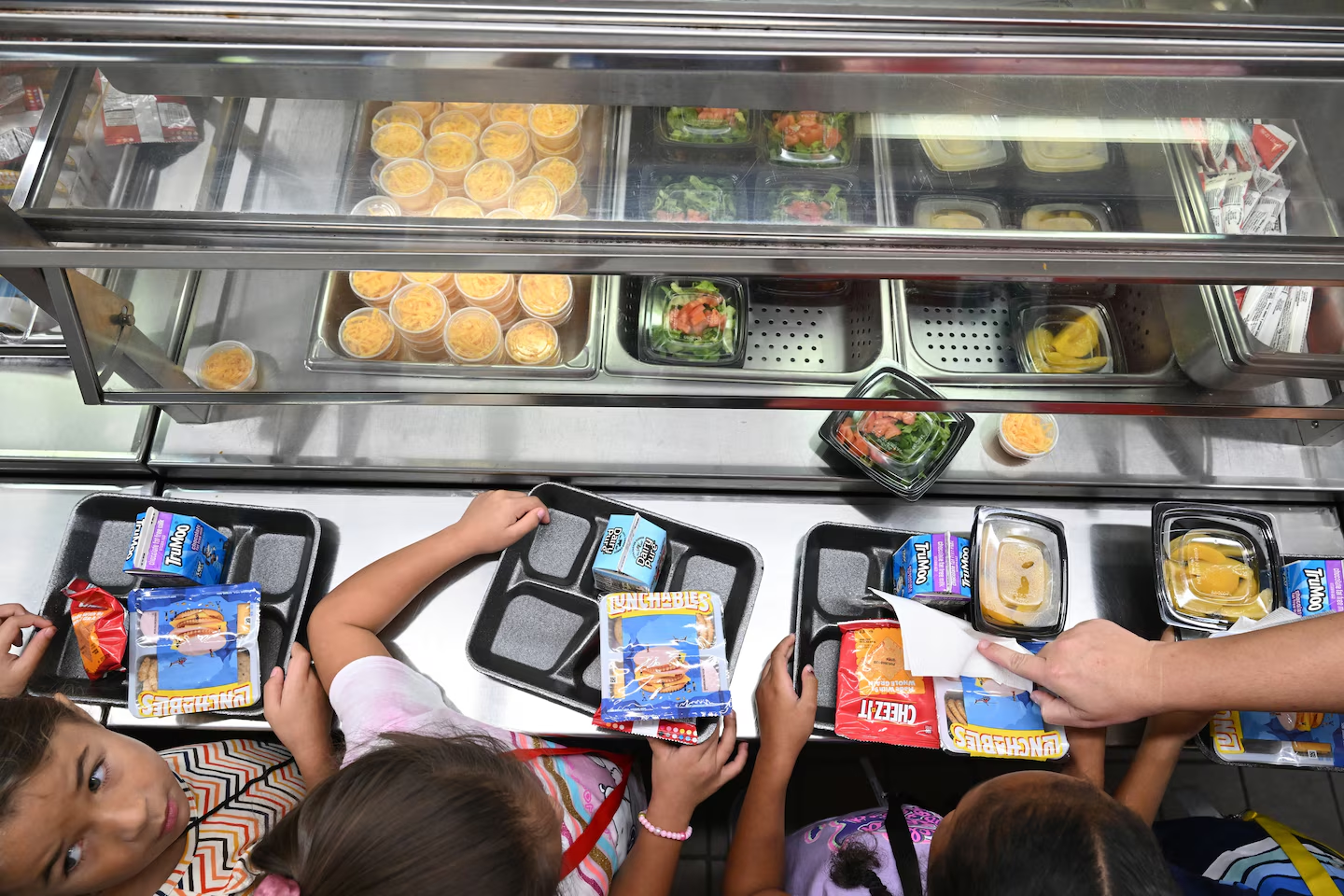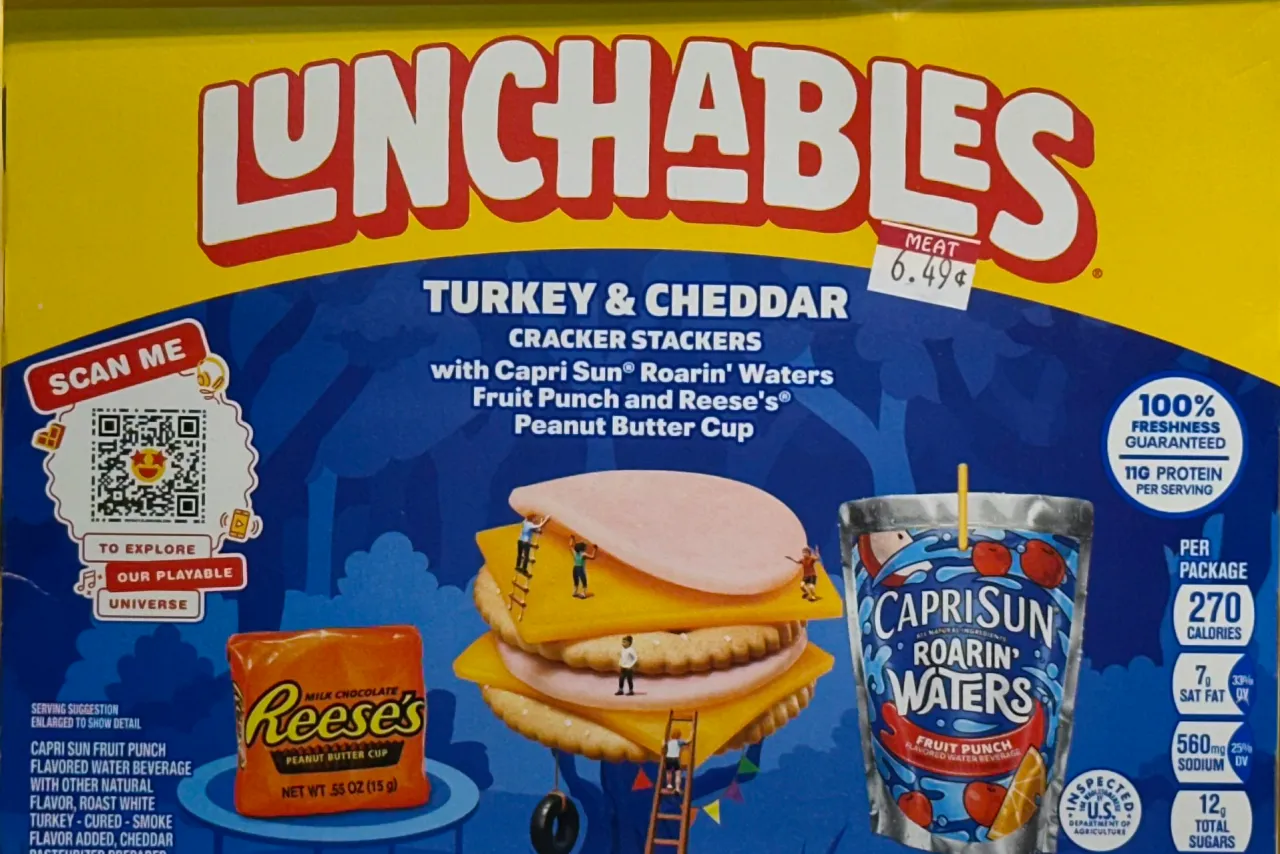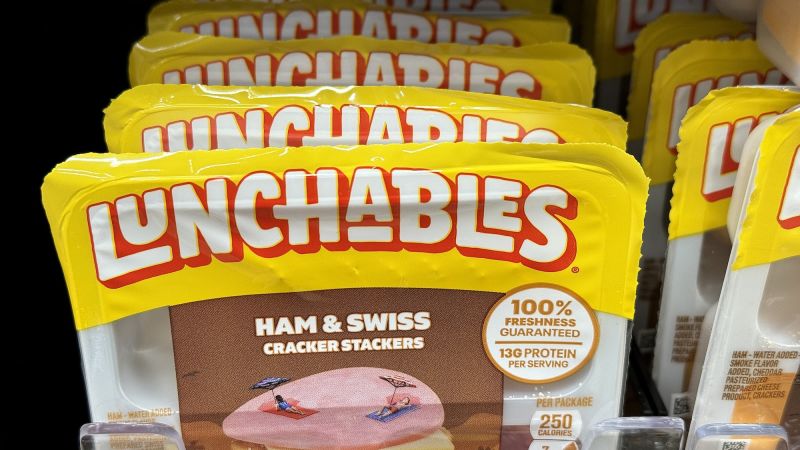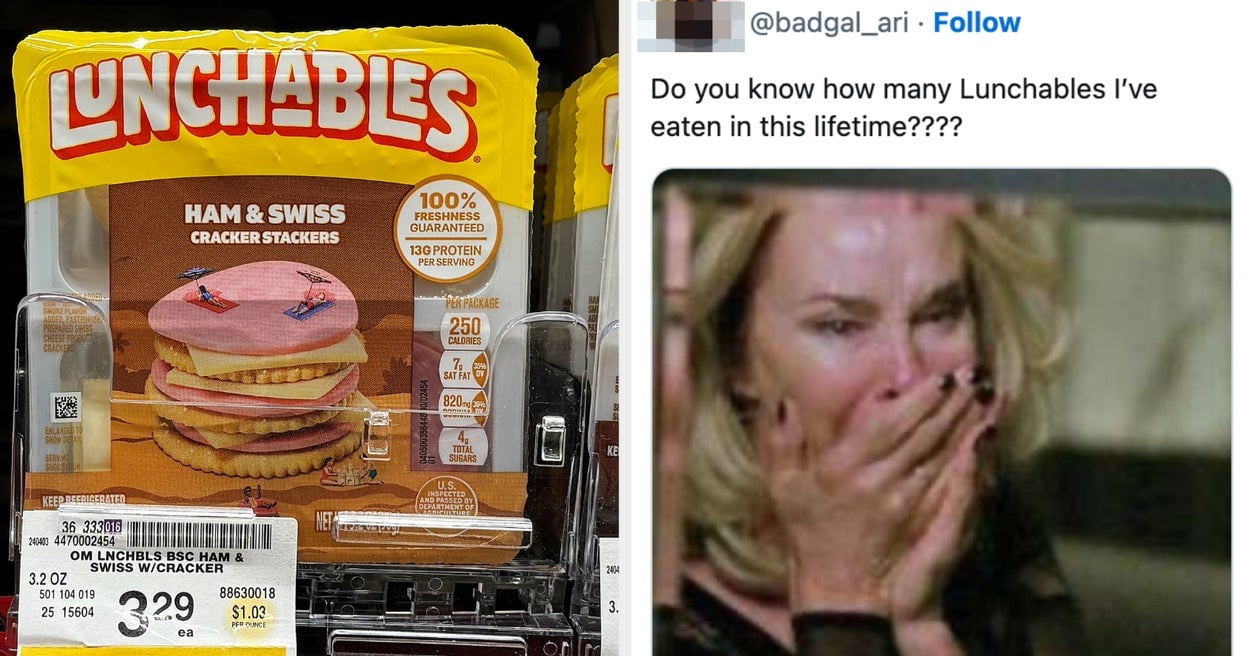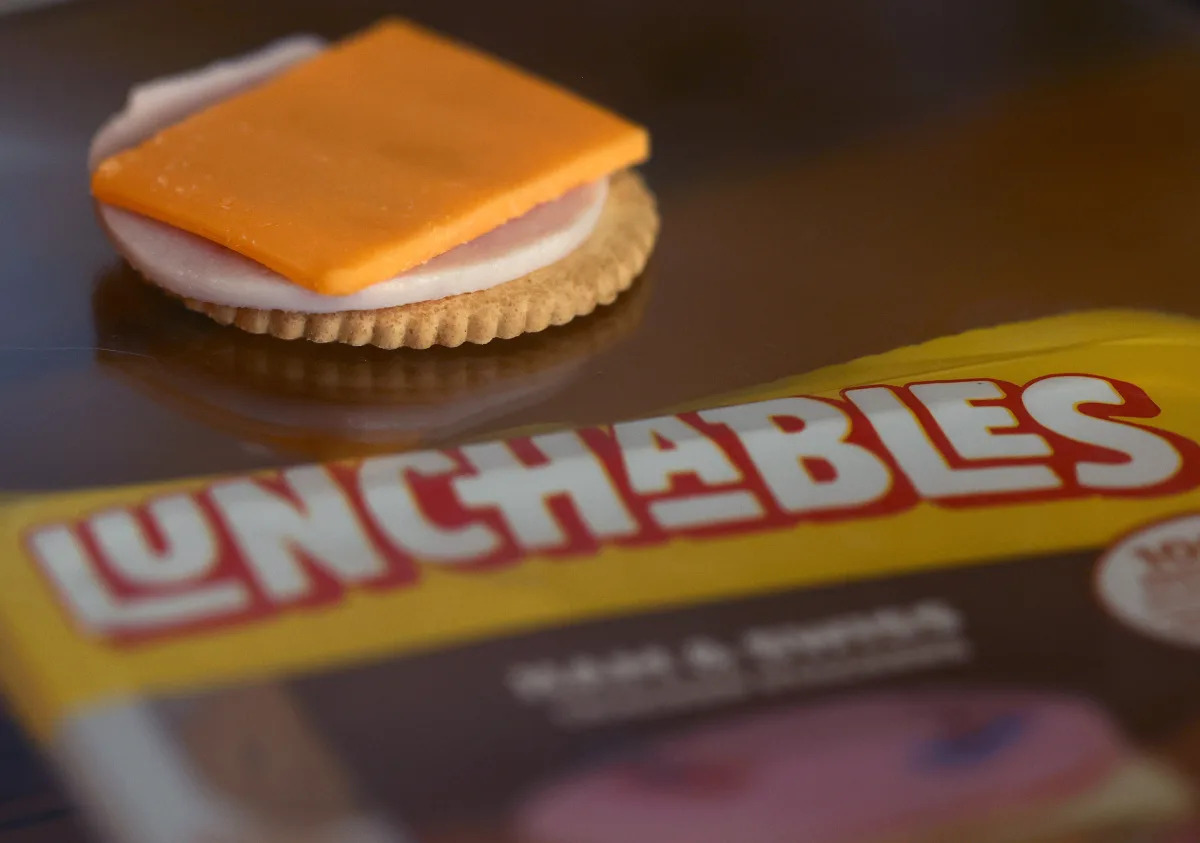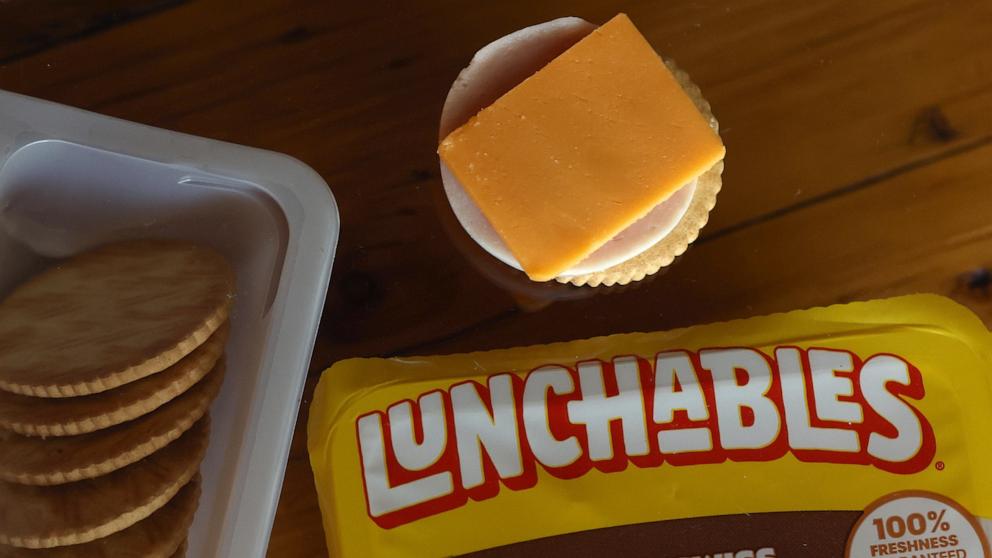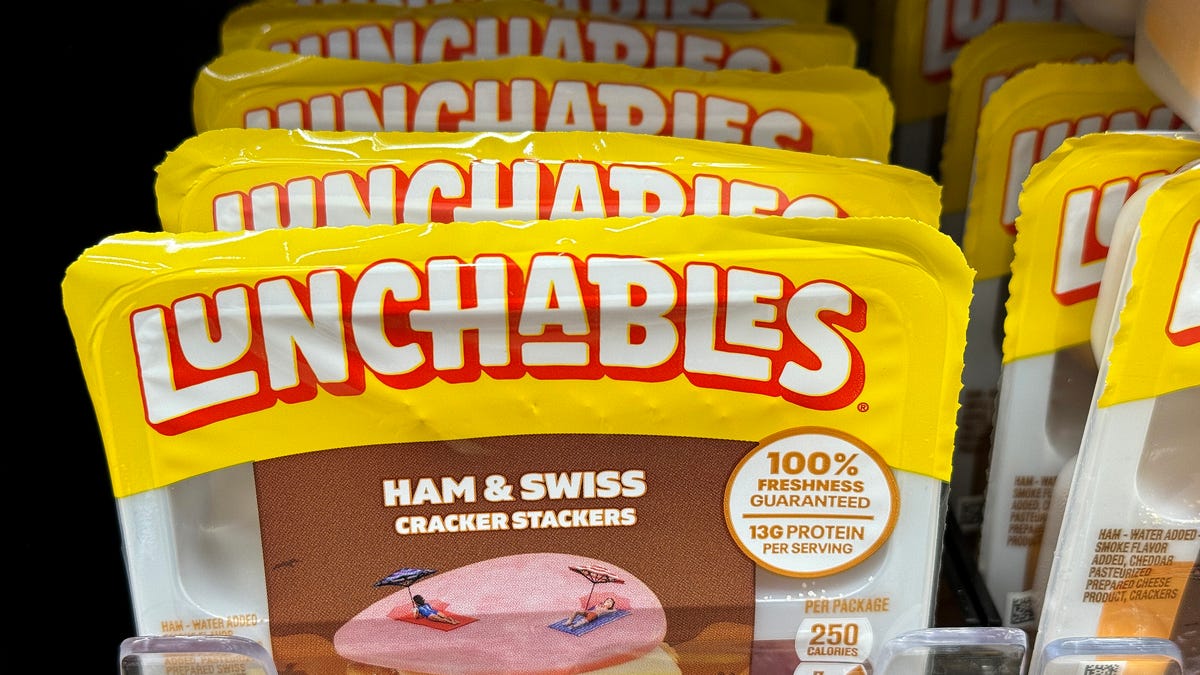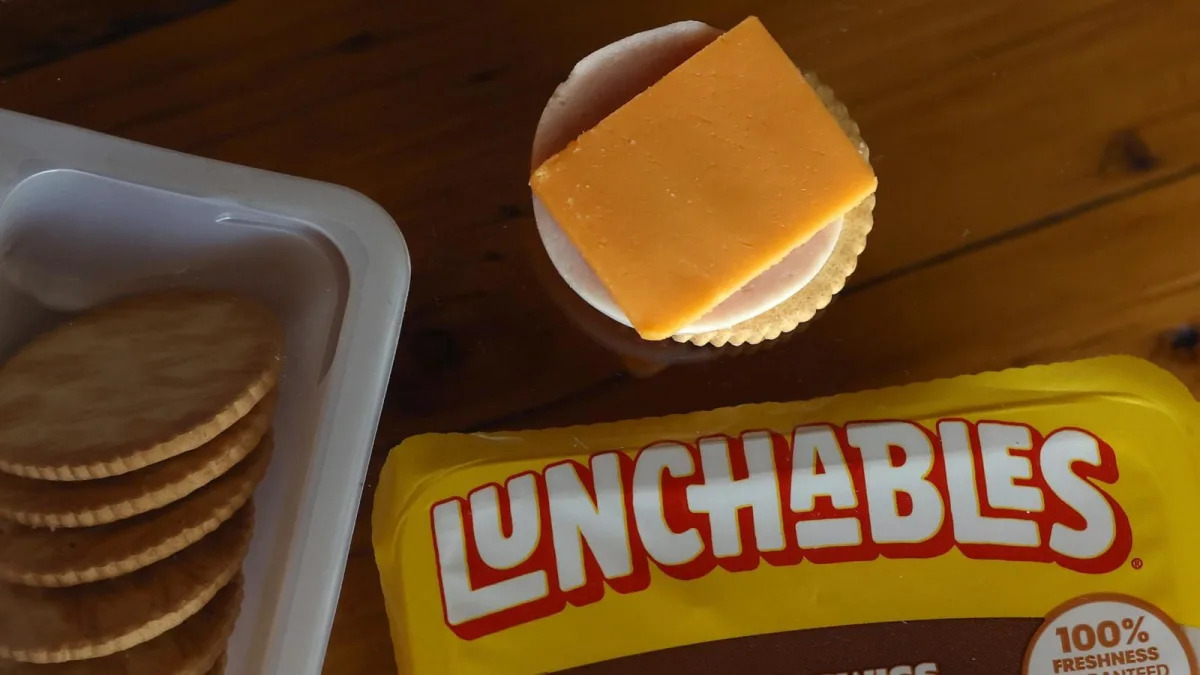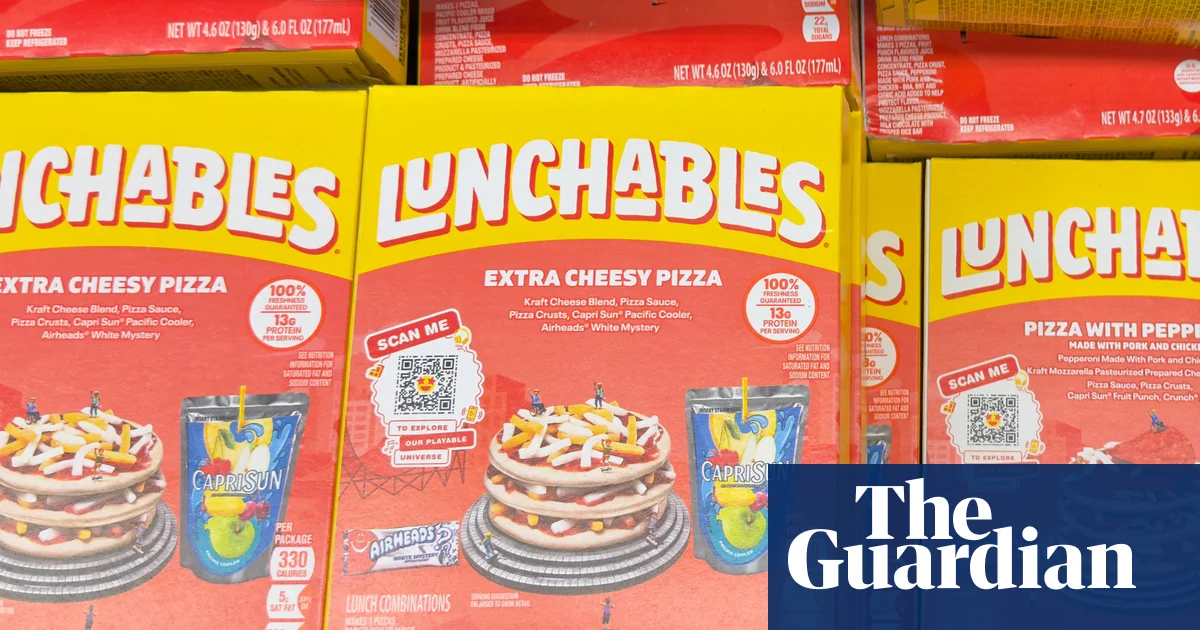
Kraft Heinz has removed Lunchables from the US National School Lunch Program due to weak demand and a shift in business focus, despite concerns over sodium and lead levels in the supermarket versions. The decision follows a Consumer Reports investigation and the election of Donald Trump, who appointed Robert F. Kennedy Jr. as health secretary, potentially increasing scrutiny on pre-packaged foods. Experts argue that removing ultra-processed foods like Lunchables from schools is beneficial for children's health.

This week's news quiz covers President Joe Biden's meeting with President-elect Donald Trump, the removal of Lunchables from school menus due to high sodium levels, the formation of Tropical Storm Sara in the Caribbean, the FAA grounding flights to Haiti after aircraft were shot at, and Sen. John Thune succeeding Mitch McConnell as Senate majority leader. Additionally, Italian police uncovered a crime network forging artworks, and wildfires were battled on both US coasts.
Kraft Heinz has withdrawn its Lunchables meals from U.S. school lunch programs due to low demand, despite initially designing them to meet nutritional standards. The decision follows criticism from nutritionists and advocacy groups, including Consumer Reports, which highlighted concerns over sodium and lead content in the meals. The company stated that the impact on its overall sales was negligible, as the school-targeted Lunchables represented less than 1% of total sales.
Kraft Heinz has stopped selling its reformulated Lunchables to school districts due to low demand, despite the product being adjusted to meet the criteria for free or reduced school lunches.
Kraft Heinz has removed Lunchables from the National School Lunch Program due to low demand, despite initial enthusiasm from school administrators for the protein-rich options. Concerns over high sodium levels and updated USDA standards focusing on healthier school meals may have contributed to the decision. The company plans to reconsider offering Lunchables in schools in the future.
Kraft Heinz has stopped offering its school-designed Lunchables meals due to low demand, despite initial excitement from some school administrators. The meals, introduced at the start of the 2023-2024 academic year, were intended to meet national school lunch program standards but faced criticism from nutritionists and advocacy groups. Consumer Reports highlighted concerns over sodium and lead content, leading to a petition to ban such processed meals from schools. Kraft Heinz stated the business impact was negligible, as sales were less than 1% of overall Lunchables sales.
Kraft Heinz has removed Lunchables from the National School Lunch Program due to insufficient demand and concerns over high sodium, lead, and cadmium levels found in the meal kits by Consumer Reports. The decision aligns with calls for stricter nutritional standards in school lunches. Despite the removal, Kraft Heinz plans to revisit the program in the future. The school-specific Lunchables had higher sodium content than their store counterparts, raising health concerns.
Consumer Reports found that Lunchables and similar lunch kits contain high levels of lead, cadmium, and sodium, with most also testing positive for phthalates. The group advises against regularly consuming these products and warns against considering them a healthy school lunch option.
Consumer Reports found high levels of lead and sodium in Lunchables and similar lunch kits from other brands, prompting concerns about the health effects on children. Kraft Heinz defended Lunchables, stating that the products meet safety standards and provide added nutrients. Medical experts warn that lead exposure can lead to neurodevelopmental and physical issues in children, while excessive sodium intake can increase the risk of metabolic disturbances, cardiovascular disease, and kidney impairment. Over 17,000 people have signed a petition asking the USDA to remove Lunchables from school cafeterias.
Consumer Reports found high levels of lead and sodium in Lunchables and similar lunch kits from other brands, prompting concerns about the health impact on children. Kraft Heinz defended Lunchables, stating that the products meet safety standards and provide added nutrients. Medical experts warn that lead exposure can lead to neurodevelopmental and physical issues in children, while excessive sodium intake can increase the risk of metabolic disturbances, cardiovascular disease, and kidney impairment. Over 17,000 people have signed a petition asking the USDA to remove Lunchables from school cafeterias.
Consumer Reports tested Lunchables and similar lunch kits, finding high levels of sodium and heavily processed ingredients, as well as lead and cadmium in some samples. Experts warn of potential health risks, including increased cancer risk from processed meat and hazards of heavy metal exposure, especially for children. Kraft Heinz, the parent company of Lunchables, disputes the findings, stating that their products meet safety standards. Nutritionists emphasize the importance of moderation, variety, and nutrient-dense options in children's diets, calling for healthier school lunch choices and expanded partnerships for nutritious meal options.
Consumer Reports released a study calling for the removal of Lunchables from the National School Lunch Program due to high levels of lead and sodium. Kraft Heinz, the owner of Lunchables, responded, stating that the study was misleading and that their products meet strict safety standards. While concerns about the healthiness of Lunchables persist, the USDA notes that it's not possible to completely prevent lead from entering the food supply, and it's the responsibility of food manufacturers to minimize chemical hazards. Lunchables have not been recalled, and their prices vary depending on the store.
Consumer Reports tested Lunchables and similar lunch kits, finding high levels of sodium and heavily processed food, as well as lead and cadmium in some samples. Experts warn of potential health risks, including increased cancer risk from processed meat and hazards of heavy metal exposure, especially for children. Kraft Heinz, the parent company of Lunchables, disputes the findings, stating their products meet safety standards. Nutritionists emphasize the importance of moderation, variety, and nutrient-dense options in children's diets, calling for more plant-forward, low-sodium alternatives in school lunches.
Consumer Reports found that Lunchables and similar lunch kits contain high levels of sodium and heavily processed food, with some also containing lead and cadmium, though within federal limits. Experts warn of potential health risks, including increased cancer risk from processed meat and hazards of heavy metals, especially for children. Nutritionists emphasize the importance of moderation, variety, and nutrient-dense options in children's diets, calling for more plant-forward, low-sodium, and culturally relevant school meal options.
Consumer Reports found that prepackaged lunch kits like Lunchables contain concerning levels of sodium and harmful chemicals, including lead and cadmium, which can lead to serious health problems over time. The sodium levels in these kits are high, ranging from 460 to 740 mg, nearly a quarter to half of a child’s daily recommended limit. The parent companies of these products have responded, stating that they adhere to safety standards and are working on ways to reduce sodium levels. Consumer Reports recommends parents to review school lunch menus for nutritious options and to consider packing lunches with healthy whole grains, proteins, fruits, and vegetables at home, while also encouraging kids to drink water or plain milk at lunch.