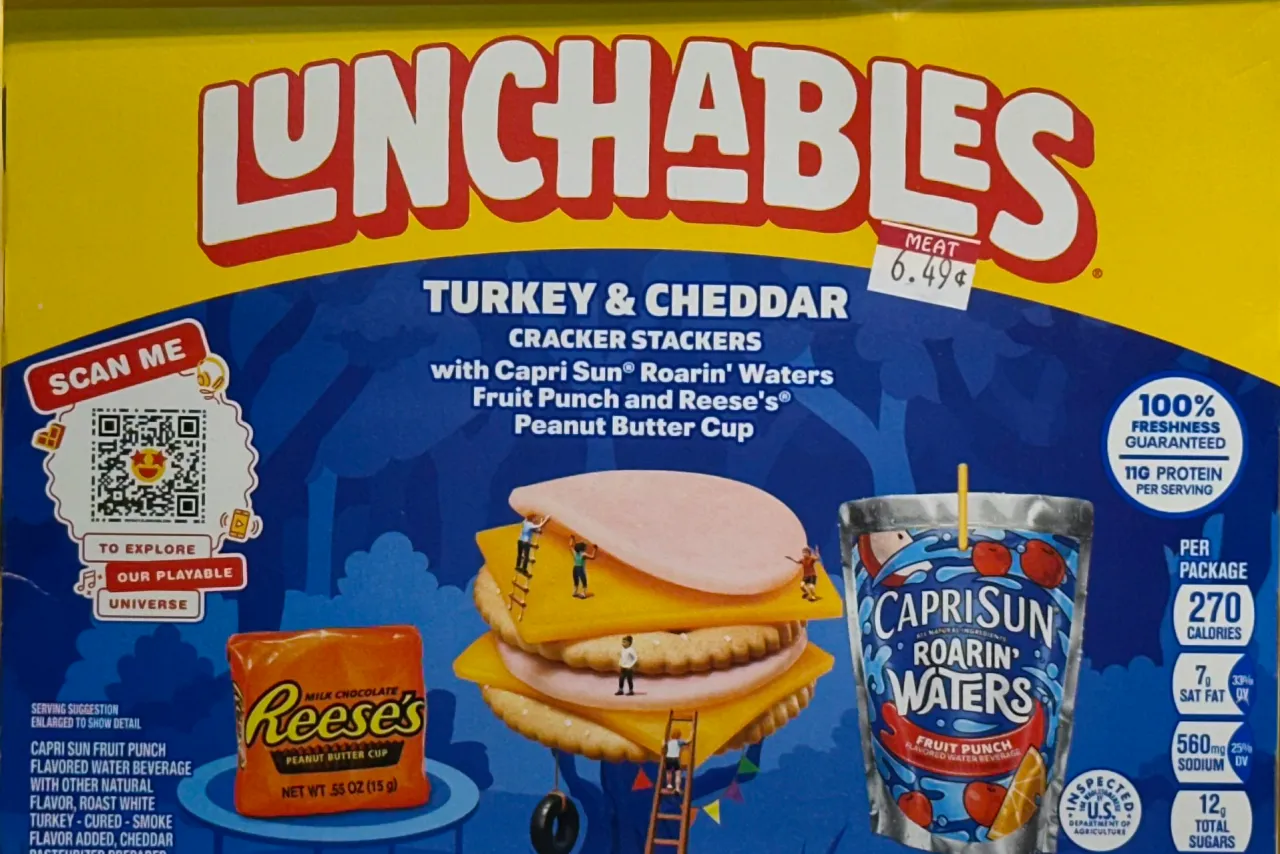
Kraft Heinz has stopped offering its school-designed Lunchables meals due to low demand, despite initial excitement from some school administrators. The meals, introduced at the start of the 2023-2024 academic year, were intended to meet national school lunch program standards but faced criticism from nutritionists and advocacy groups. Consumer Reports highlighted concerns over sodium and lead content, leading to a petition to ban such processed meals from schools. Kraft Heinz stated the business impact was negligible, as sales were less than 1% of overall Lunchables sales.
Consumer Reports has developed an app called Permission Slip that assists users in regaining control over their personal data online. The app facilitates the process of requesting companies to either stop selling user data or delete it entirely, depending on state legislation and company policies. Users can sign up with their email and choose actions for each company that may have their data. While Permission Slip submits requests on behalf of the user, some direct confirmation with the companies may be required, and patience is advised as the process may take time.
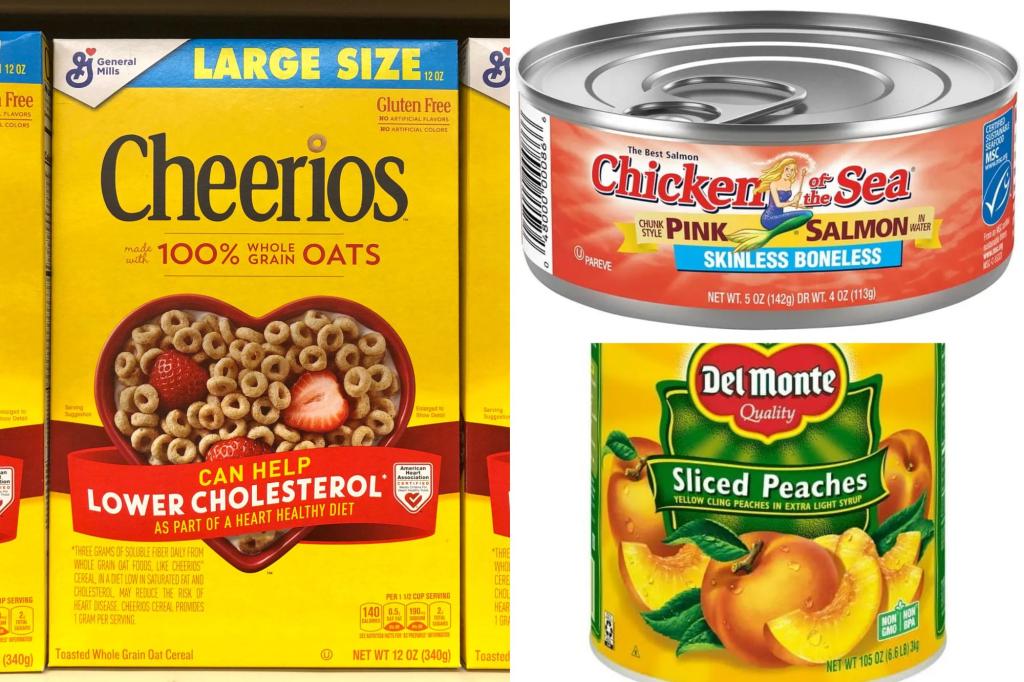
Consumer Reports has found that plastic chemicals known as phthalates, which may cause serious health issues like cancer and infertility, are present in 84 out of 85 tested food products, including popular brands like Cheerios and Coca-Cola. Although these levels do not exceed US regulatory limits, experts suggest any presence of these chemicals can be harmful. The report highlights the need for stricter regulations and demonstrates that it is possible to reduce the amount of these chemicals in food products.
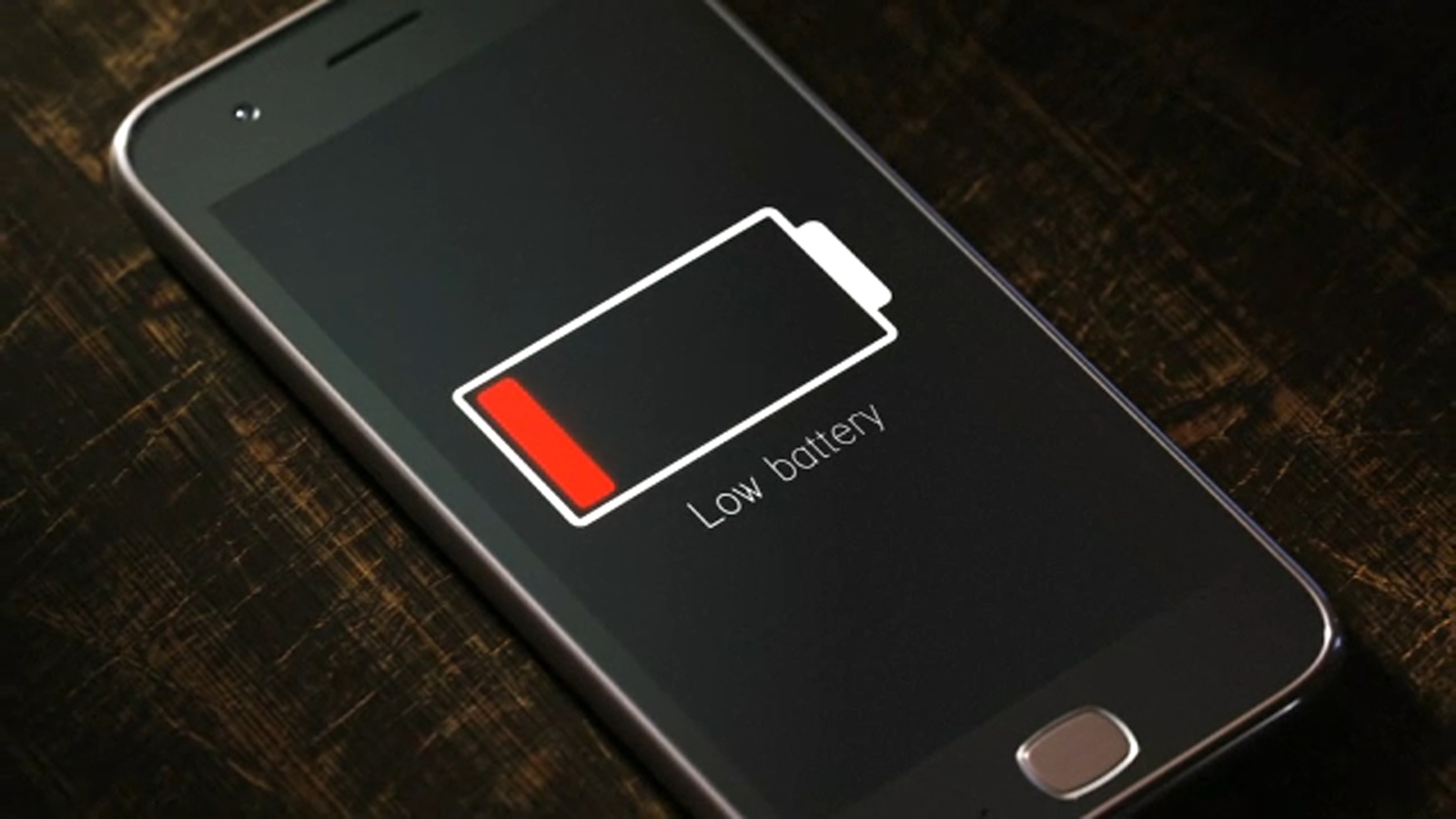
Consumer Reports offers advice on extending your cellphone battery life, including reducing screen brightness, shortening the auto-lock time, limiting background app refreshes, using low-power mode, protecting the phone from extreme temperatures, and maintaining a charge between 20-80%. Overnight charging is deemed safe as modern phones are designed to stop charging at full capacity. If battery issues persist, consider a replacement.
Consumer Reports has discovered a pervasive presence of plastic components, specifically phthalates and bisphenol A (BPA), in a wide range of food products from supermarkets and fast-food chains. Despite not exceeding regulatory limits, the safety of these levels is questioned due to the potential health risks associated with hormonal disruptions. The study highlights the need for regulatory reassessment of plasticizers in food production, as the tested foods, including popular brands and fast-food items, showed varying levels of these chemicals. Only one product, Polar raspberry lime seltzer, was found to be free of phthalates.