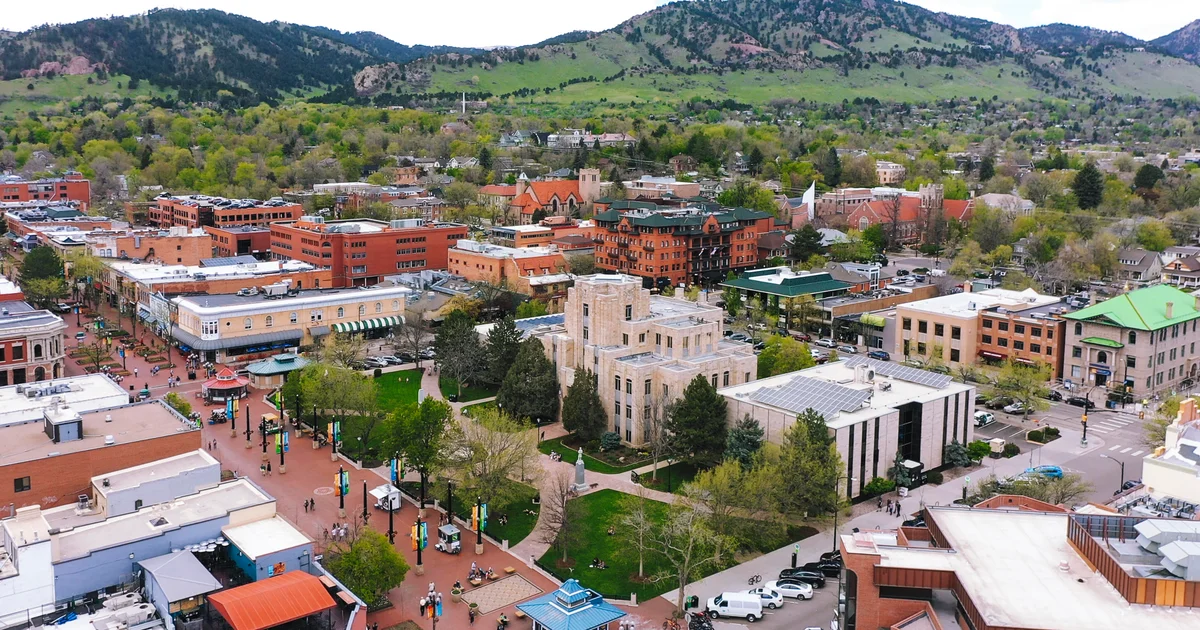
Boulder’s Elevate program provided $500 monthly to 200 low-income households for nearly two years, improving their ability to meet basic needs, pursue education, and enhance health, with some still facing high costs like childcare. The program, funded by $3 million from the American Rescue Plan, is ending but has left a lasting positive impact, and organizers hope to revive it in 2027.
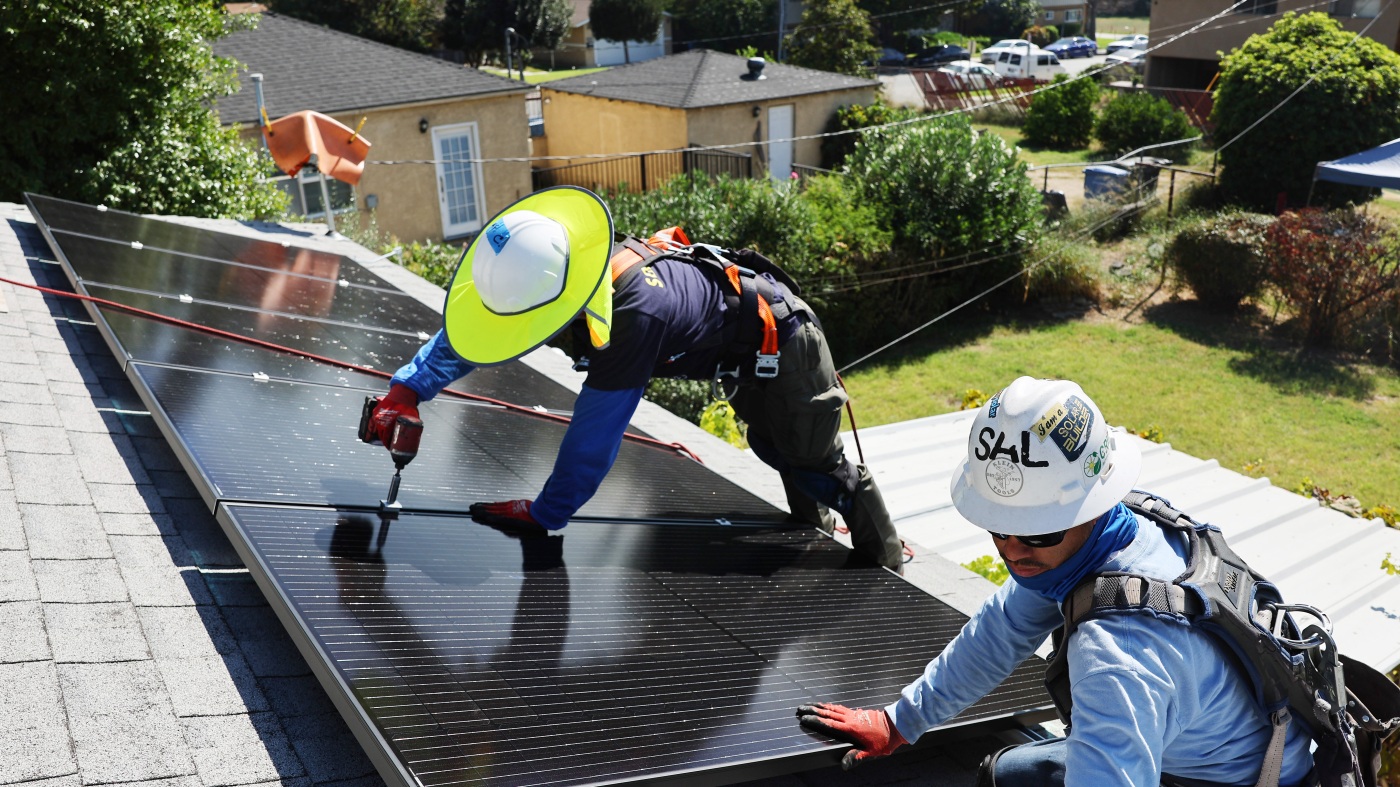
The Trump administration plans to end the $7 billion 'Solar for All' program aimed at providing low-income Americans with access to solar energy, reversing previous climate initiatives and potentially increasing reliance on fossil fuels, despite the program's significant environmental and economic benefits.
A new report predicts an 8% rise in utility costs for many Americans this summer, exacerbating the financial strain on low-income households who already face high energy burdens. The report highlights the risks of extreme heat, which is the deadliest weather phenomenon, and calls for increased funding and long-term plans for energy assistance programs. The Inflation Reduction Act aims to expand access to weatherization and efficient cooling systems, but more immediate action is needed to protect vulnerable populations.
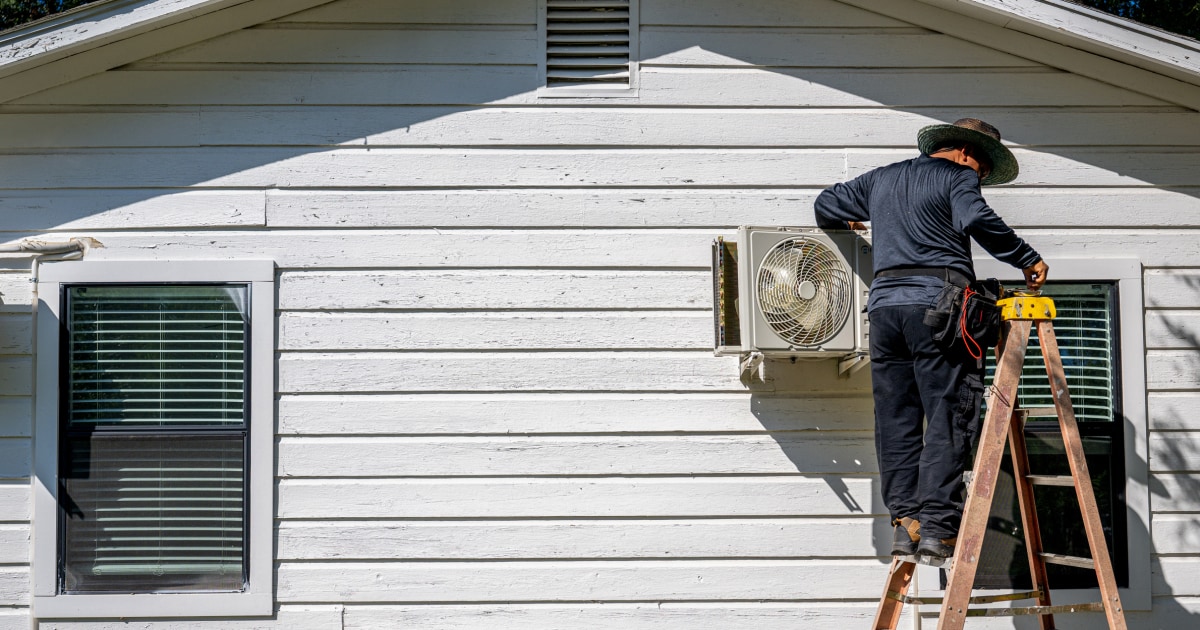
The cost of cooling American homes this summer is projected to reach a 10-year high, with an average of $719, driven by extreme heat and reduced federal funding for energy assistance programs. This increase is expected to disproportionately affect low-income households, many of whom may face utility shut-offs or debt to cover their bills. The National Oceanic and Atmospheric Administration predicts 2024 will be among the warmest years on record, exacerbating the financial strain on vulnerable families.
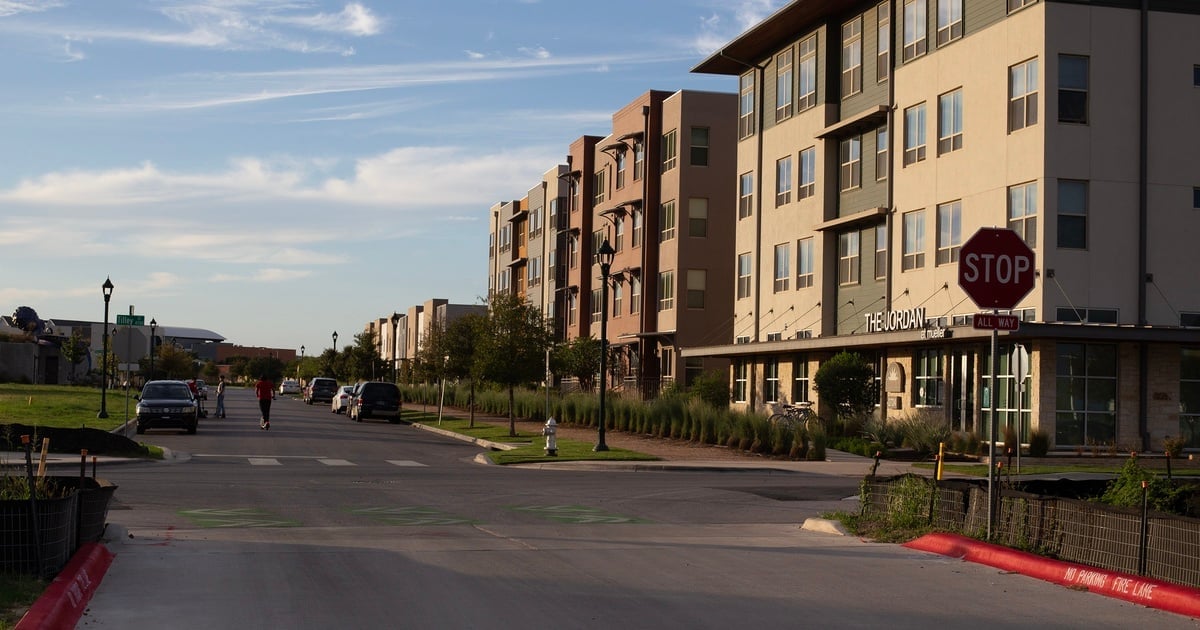
A Harvard University study reveals that over half of Texas renters, totaling 2.1 million households, are burdened by high housing costs, with nearly 1.1 million severely cost-burdened, spending over half their income on rent and utilities. The rise in rents has impacted tenants' ability to afford essential expenses and has contributed to eviction filings and homelessness in major metro areas. Low-income households have been particularly affected, with a significant decrease in affordable rental housing units. With federal rent relief funds drying up and eviction protections expiring, the situation is expected to worsen, leading to increased financial strain and housing instability for many Texans.
Over 30 million low-income households in the US eligible for federal funding to help with air conditioning costs have not received any money from the Low Income Home Energy Assistance Program (LIHEAP), which was created to protect vulnerable people from dangerous temperatures. An analysis of federal records shows that in 16 states, not a single household received cooling assistance from 2001 to 2021. The program has primarily focused on providing heating assistance, leaving a significant imbalance between cold- and hot-weather aid. Experts argue that the lack of cooling assistance reflects shortcomings in US and state policies to address the increasing dangers of extreme heat, which is responsible for more deaths than other weather-related disasters.
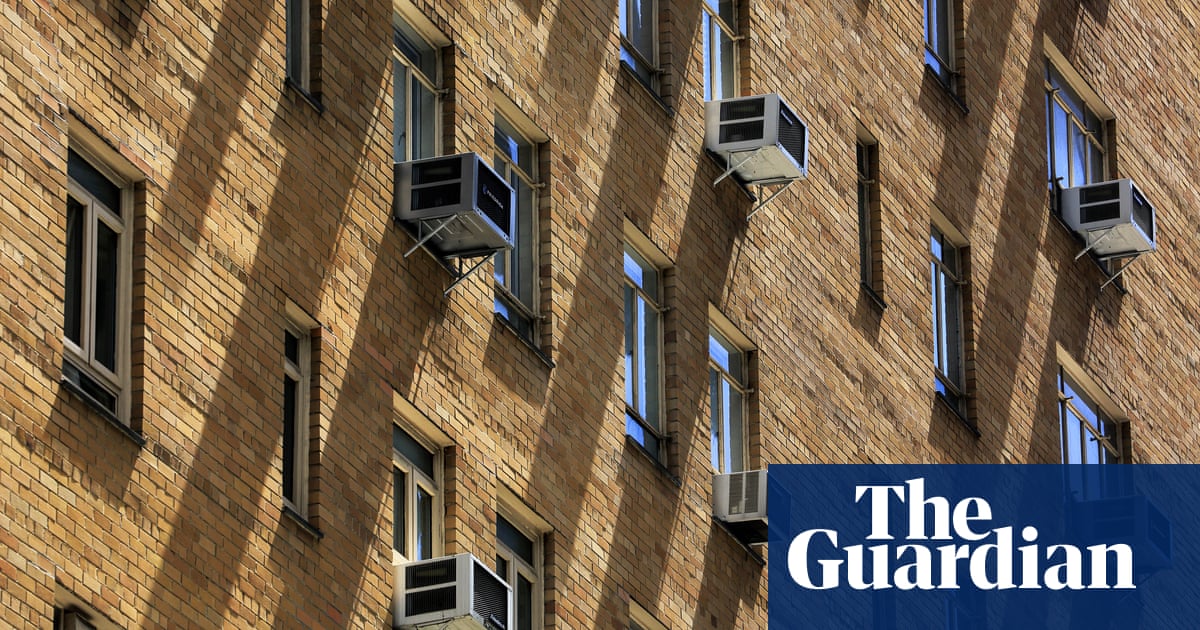
Millions of the poorest Americans are struggling to pay their air conditioning bills during heat waves, as federal aid reaches only a fraction of those in need. Climate change has led to soaring temperatures across the U.S., forcing vulnerable households to make difficult choices between cooling their homes or paying costly bills. The Low Income Home Energy Assistance Program (LIHEAP), which subsidizes energy costs for low-income Americans, falls short in reaching those in need, with less than 3% receiving assistance for their summer bills. Many states do not offer assistance for summer months, and the program has been slow to adapt to climate change. President Joe Biden has increased the LIHEAP budget, but more substantial government intervention is needed to address the growing energy insecurity crisis.
Walmart is reducing the price of its subscription service, Walmart+, by half for low-income households that receive government assistance, such as food stamps. Starting July 20, eligible customers can pay $49 per year or $6.47 per month for Walmart+, compared to the regular price of $98 per year or $12.95 per month. This move aims to capture and retain price-sensitive shoppers who may be more likely to cancel services with recurring fees or turn to other retailers. Walmart has not disclosed the total number of Walmart+ subscribers but stated that about a quarter of its members receive government assistance. The discounted price could make Walmart+ more accessible to the 41 million Americans who receive food funding through the Supplemental Nutrition Assistance Program (SNAP) and other types of government aid. Walmart+ offers benefits such as free shipping, fuel discounts, access to streaming service Paramount+, and unlimited deliveries of online orders.
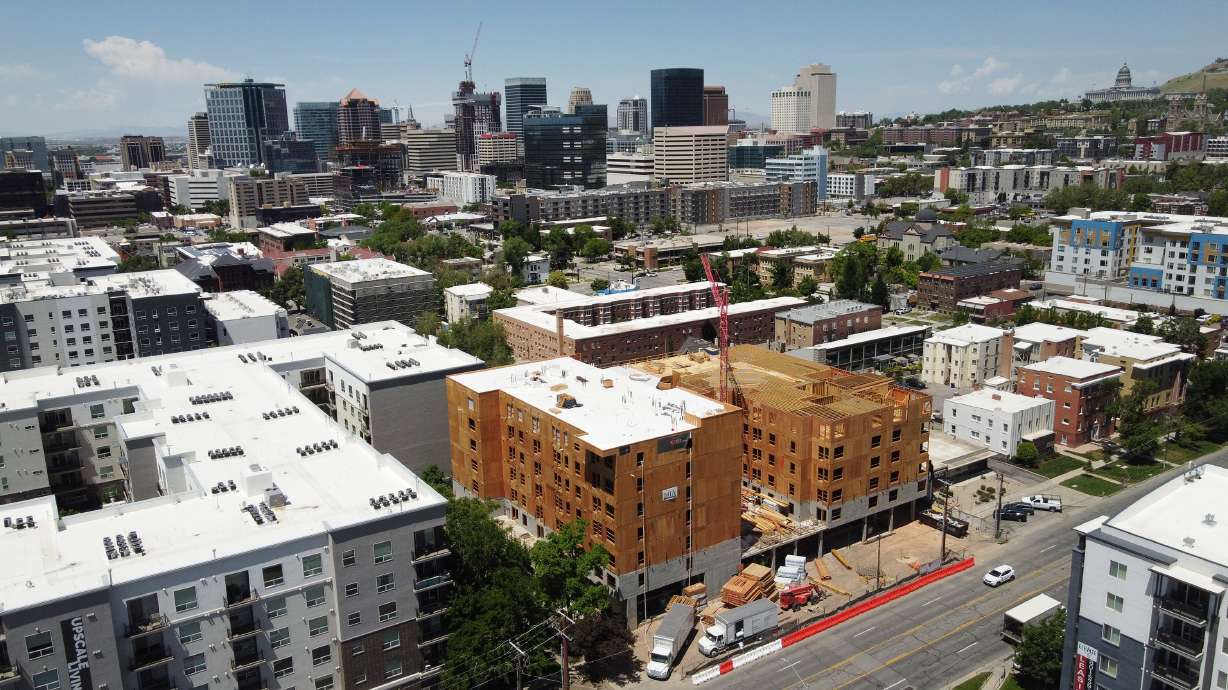
Salt Lake City officials are close to adopting a new housing plan that aims to add 10,000 new housing units over the next five years, with at least 2,000 of those being set aside for deeply affordable housing. The plan also seeks to increase housing stability by assisting 10,000 low-income households annually and to build equitable and fair housing through about 1,000 homeownership opportunities for low- to-moderate-income households. The city's housing officials project that the city will gain more than 6,000 new residents over the next five years as it continues to grow.
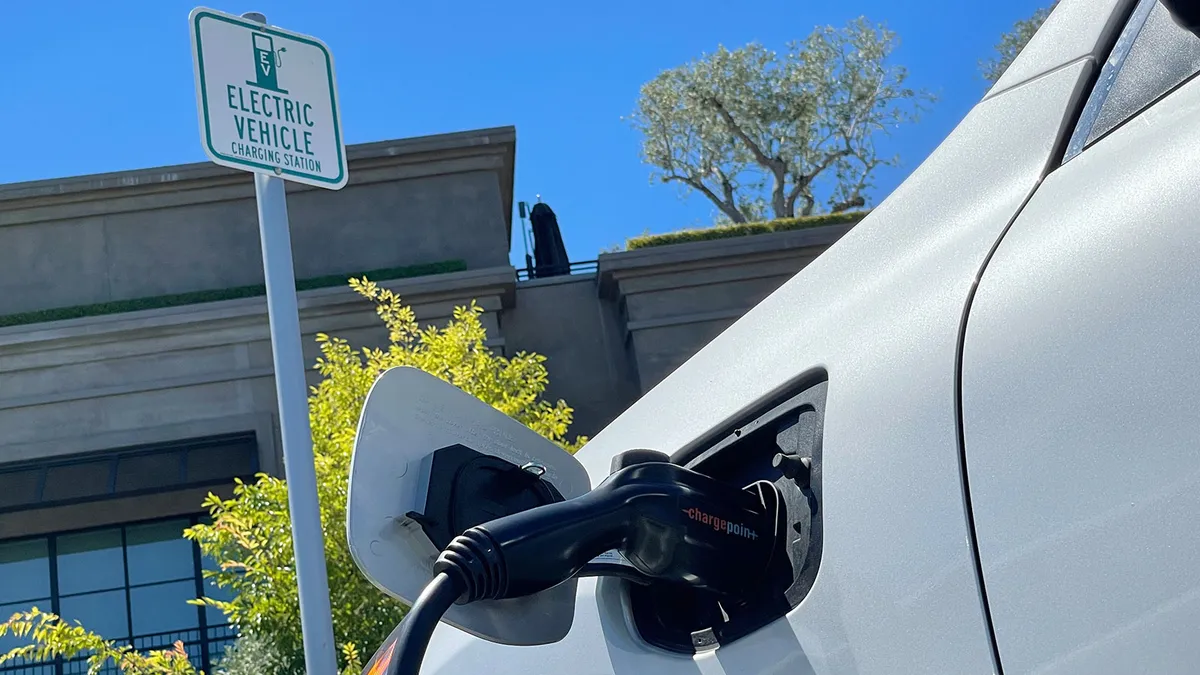
A new study in California has found that half of the state’s EV rebates are going to affluent areas, where the air quality is already higher, while just seven percent of California’s EV rebates went to communities that the state classed as “disadvantaged.” Even with a $7,500 tax break on an electric vehicle, most models are wildly out of the price range for anyone in a low-income household. The study warns that the way this money is distributed across the state would have an impact on the emissions in different locations.
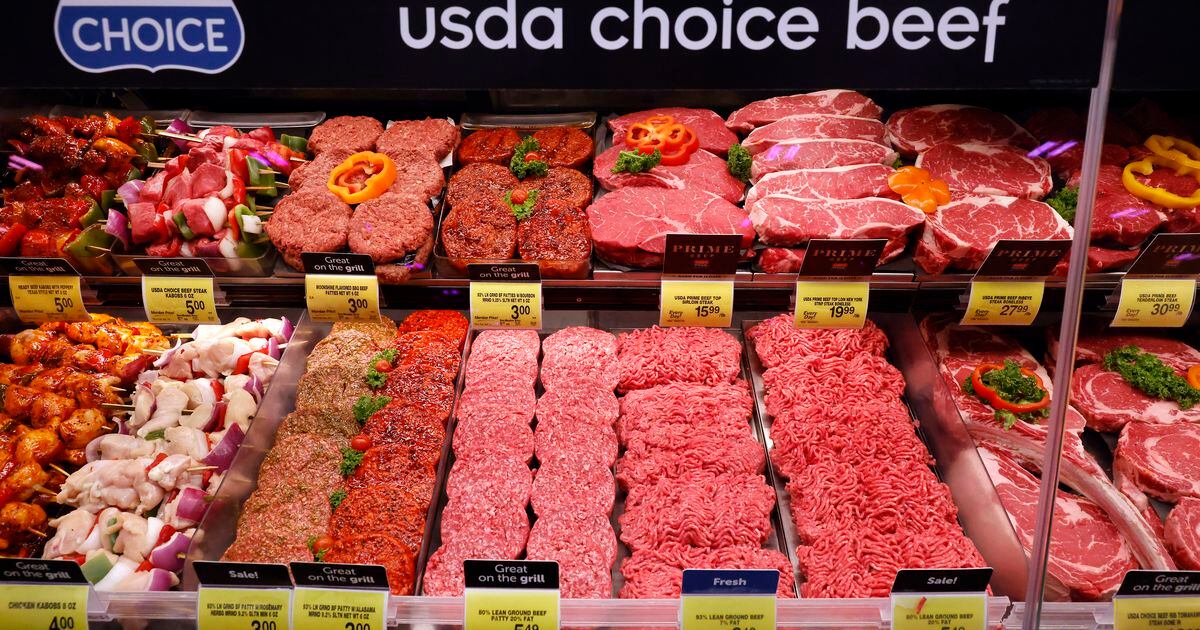
Grocery inflation in Dallas-Fort Worth (D-FW) hit 14.03% in 2022, exceeded only by Detroit’s 14.49% increase, according to a new U.S. Government Accountability Office report. From 2013 to 2022, North Texas’ retail food prices increased on average by about 2% each year. Prices shot up about 11% from 2021 to 2022, according to the report based on government data collected by the Bureau of Labor Statistics and U.S. Department of Agriculture. The differences between metro areas are attributed to retailers passing on local cost increases in transportation and retail overhead expenses, such as labor and rent, to consumers, according to USDA.