Gilead Sciences plans to supply its HIV prevention injection lenacapavir to low-income countries if approved by the FDA, despite funding uncertainties due to U.S. aid cuts, with potential rollout in 2026 to help end the HIV epidemic globally.
A report by the Access to Nutrition Initiative (ATNI) claims that multinational companies like Nestle, PepsiCo, and Unilever are selling lower quality food products in low-income countries such as India. These products reportedly score lower on a health rating system used in Australia and New Zealand, with an average score of 1.8 out of 5 in low-income countries compared to 2.3 in high-income countries. The report highlights concerns over the health impact of these products, particularly in countries with rising obesity rates.
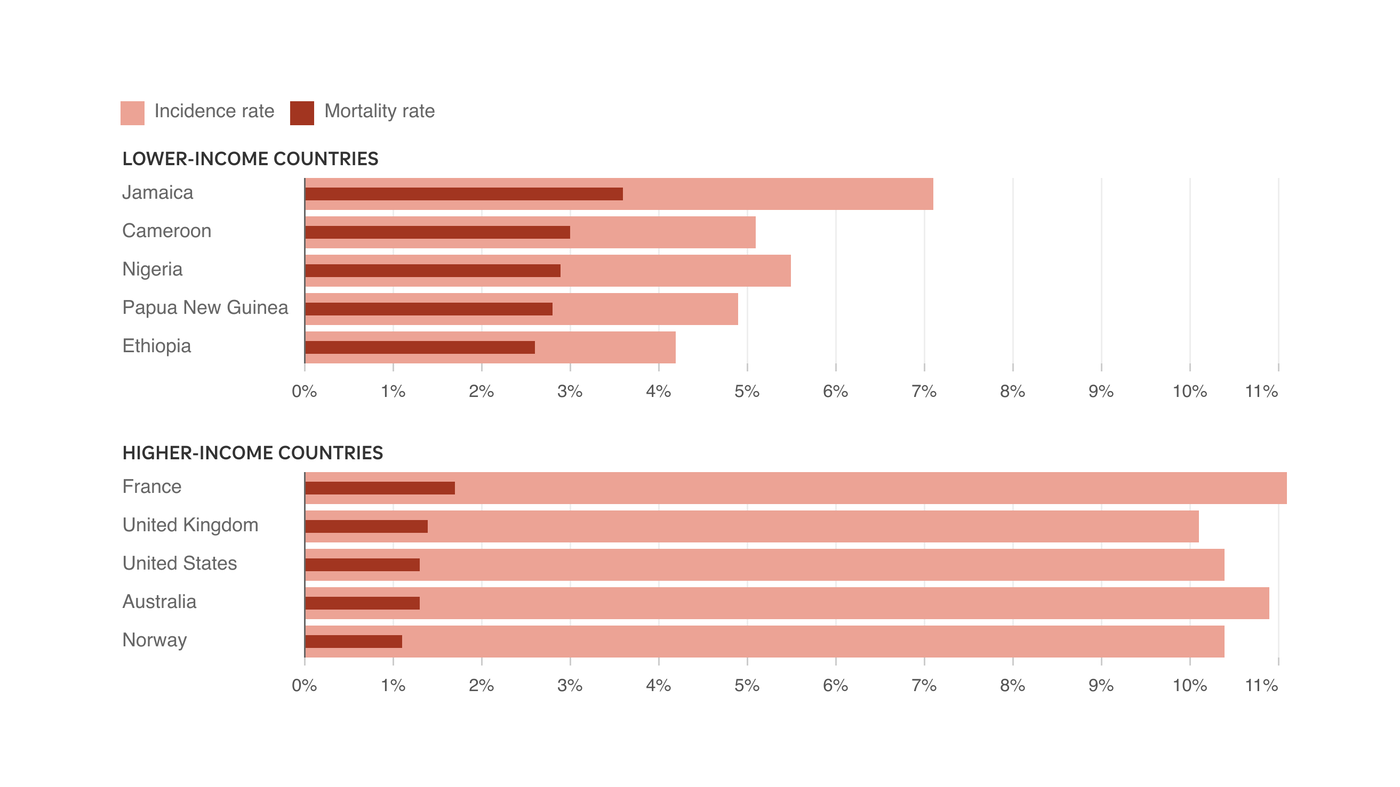
The burden of breast cancer in lower income countries is revealed to be even worse than previously thought, with women in these nations being more likely to die from the disease due to late-stage diagnosis and limited access to diagnostic services and treatment. The World Health Organization's latest statistics highlight the stark disparities in breast cancer care between wealthy and low-income countries, emphasizing the urgent need for improved healthcare infrastructure, early detection initiatives, and strategic allocation of resources to address this global health inequity. Despite the challenges, there are examples of progress and promising efforts in some lower income countries, offering hope for positive change in the fight against breast cancer.
Long COVID presents a significant challenge in low- and middle-income countries (LMICs) due to limited awareness and research, strained healthcare systems, and economic difficulties. Despite potentially similar prevalence rates to wealthier nations, the lack of data on long COVID in LMICs hinders advocacy and treatment efforts. Studies in various LMICs have shown high percentages of COVID-19 patients with persistent symptoms, but research is scarce, and treatments developed in richer countries may not be easily transferable. There's a need for global collaboration and data to understand long COVID's mechanisms and develop accessible treatments.
Measles cases, deaths, and outbreaks have significantly increased between 2021 and 2022, according to a report by the World Health Organization (WHO) and the U.S. Centers for Disease Control and Prevention (CDC). The estimated number of measles cases rose by 18%, from 7.8 million to 9.2 million, while measles deaths increased by 43% globally, from 95,000 to 136,200. The number of countries reporting large or disruptive outbreaks of measles also increased by 68%. Low-income countries continue to experience declines in vaccination rates, posing a risk to global health. Urgent and targeted efforts are needed to prevent measles disease and deaths.
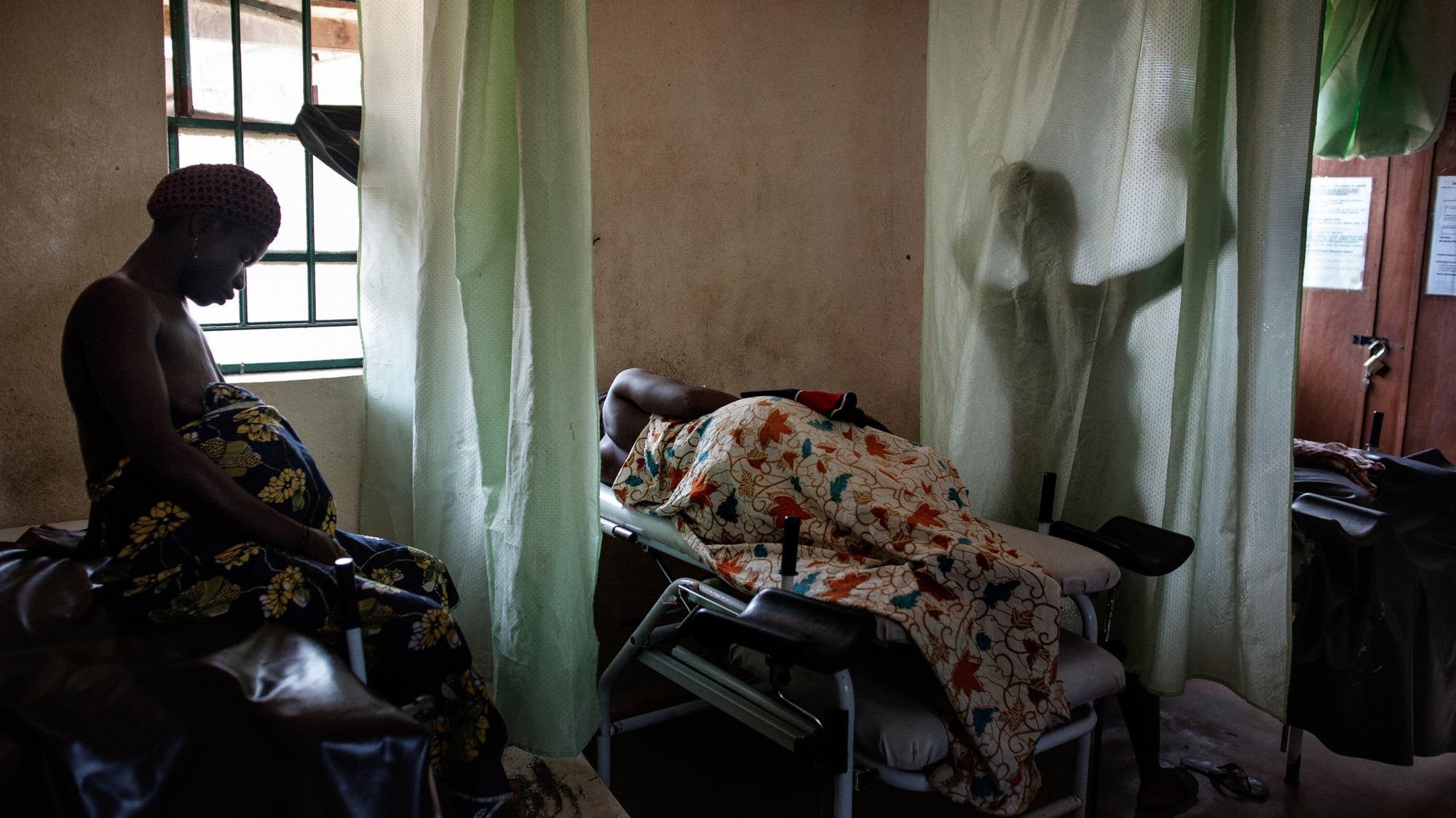
A new study has found that a simple and inexpensive solution can prevent maternal deaths caused by postpartum hemorrhage. The solution involves using a plastic sheet with a small transparent pouch at the end to collect blood, which allows medical teams to quickly assess the amount of blood loss and take swift action. The study, carried out in 80 hospitals across four African countries, used a "drape" to collect and measure blood loss, reducing the number of women experiencing severe bleeding by 60%. The intervention is particularly promising for preventing adolescent maternal deaths, which are the leading cause of death for girls aged 15-19 worldwide.
Ajay Banga, former Mastercard executive, has been elected as the next president of the World Bank, succeeding David Malpass. Banga's five-year term will begin on June 2, and he will oversee the bank's efforts to help low-income countries overcome debt and combat climate change. The bank is pivoting to become a dominant player in climate finance, but shareholders are not eager to spend trillions of dollars on these priorities. Banga's selection was not unanimous, with Russia abstaining from the vote.
A single dose of the HPV vaccine is highly effective at preventing infections over three years, lowering rates of cervical cancer and other diseases linked to the virus, according to a new study in Kenya. A single-dose strategy would extend supplies of the vaccine, lower costs, and simplify distribution, making vaccination a more viable option in countries with limited resources. The W.H.O. estimates that if widely deployed, a single-dose strategy could prevent 60 million cervical cancer cases and 45 million deaths worldwide over the next 100 years.
Dr. Daniel Bausch, who has spent over 20 years responding to disease outbreaks, is now focusing on the importance of diagnostics in pandemic preparedness. He notes that diagnostics are often ignored, and there is a shocking lack of access to existing tests, especially in low-income countries. The equity gap on testing mainly comes down to economics, and the solution lies with tackling economic and logistical hurdles to diagnostic development. Despite the obstacles, Bausch is excited by recent scientific developments in the field of diagnostics, including at-home tests and molecular multiplex assays. He also notes that low-income countries are now leading the way in outbreak response.
The International Monetary Fund (IMF) has warned that the global economy is set to grow at its slowest pace since 1990, with growth expected to dip below 3% in 2023. IMF head Kristalina Georgieva called for more help for low-income countries, as higher borrowing costs come at a time of weakening demand for their exports. She also urged authorities to continue to raise interest rates to fight inflation, but warned that policymakers would face difficult trade-offs between their inflation and financial stability objectives if financial pressures were to increase.