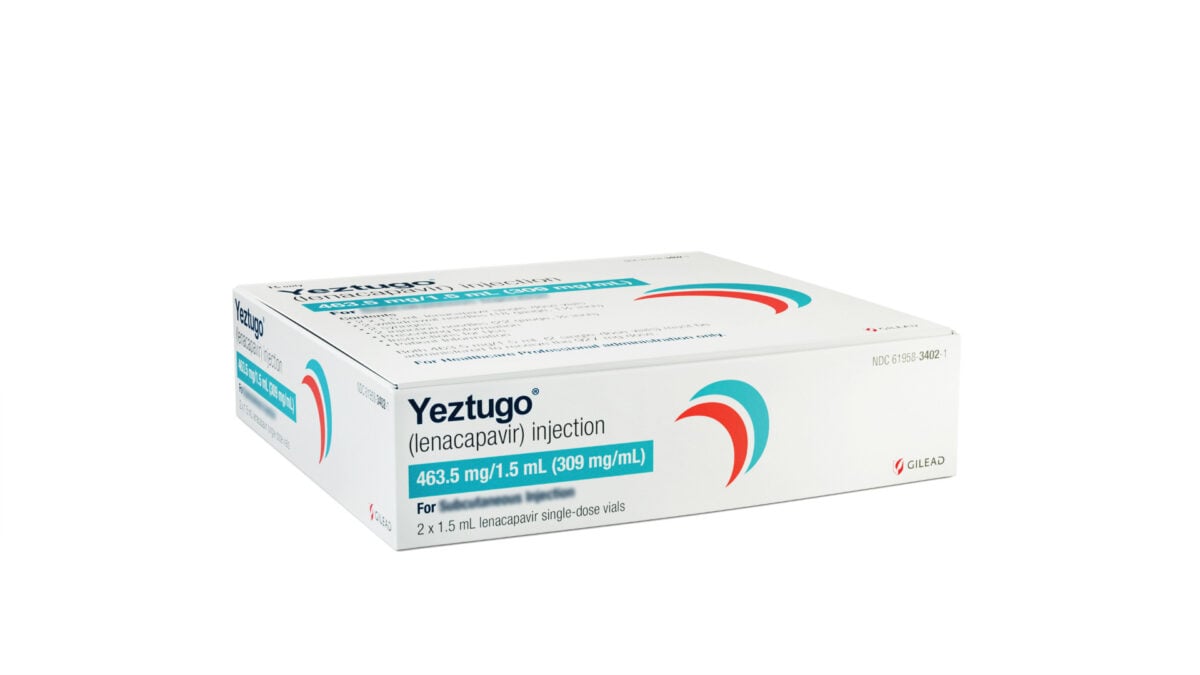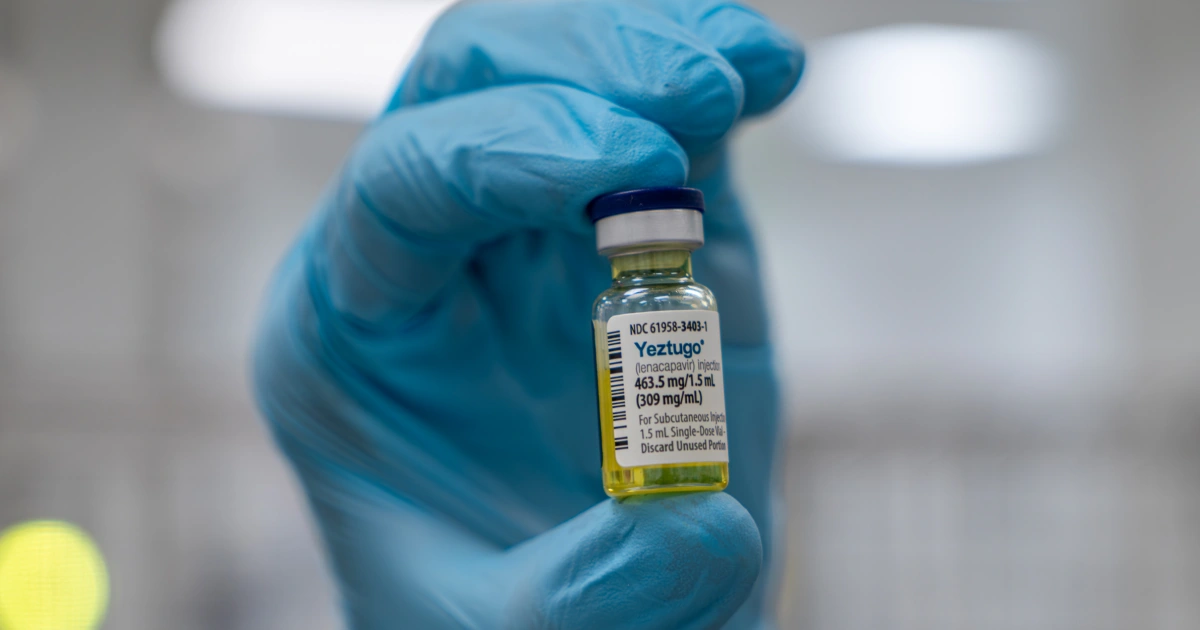
Gilead Sciences' new HIV prevention shot, Yeztugo, shows high efficacy but faces challenges in adoption due to its high $28,000 price tag, with CVS Caremark declining to include it in its formulary despite other insurers moving forward, raising concerns about affordability and disease eradication efforts in the U.S.
Major pharmaceutical companies Gilead, AstraZeneca, and Roche reported promising new study results for cancer treatments, particularly in breast cancer, leading to stock price increases for Gilead and AstraZeneca, while Roche's shares declined slightly. The studies highlight advancements in drug efficacy and potential growth in the cancer drug market, with implications for future sales and industry competition.
The U.S. Department of State announced a PEPFAR initiative to bring Gilead Sciences' breakthrough HIV drug lenacapavir to high-burden countries, aiming to reach up to 2 million people by 2028. The twice-yearly injectable medication, which has shown over 99% effectiveness in clinical trials, will be distributed with the support of the U.S. government and the Global Fund, at no profit from Gilead, to help prevent mother-to-child transmission and reduce HIV infections globally.
The FDA has approved lenacapavir, a long-acting injectable HIV prevention drug that is nearly 100% effective with just two doses per year, representing a significant advancement in HIV prevention, though its high cost may limit access in low-income regions.
The FDA has approved Gilead Sciences' twice-yearly injection, lenacapavir, for HIV prevention, showing over 99.9% effectiveness in clinical trials, which could be a major breakthrough in HIV prevention efforts, though concerns about high costs remain.
The FDA has approved Gilead Sciences' lenacapavir as a twice-yearly PrEP drug to prevent HIV, showing high effectiveness in clinical trials, but concerns remain about its high cost and accessibility.
The FDA has approved Yeztugo, a long-acting HIV prevention drug by Gilead Sciences, which is injected twice a year and shows high efficacy in preventing HIV transmission, especially among high-risk populations. Despite its potential, challenges such as high cost, insurance coverage issues, and political funding cuts could hinder its widespread use and impact on reducing HIV rates in the US.
Gilead Sciences plans to supply its HIV prevention injection lenacapavir to low-income countries if approved by the FDA, despite funding uncertainties due to U.S. aid cuts, with potential rollout in 2026 to help end the HIV epidemic globally.
In 2023, drugmakers increased prices on five widely used drugs without new clinical evidence, costing U.S. patients and insurers an additional $815 million, according to a report by the Institute for Clinical and Economic Review. The largest spending increase was for Biktarvy, an HIV treatment by Gilead Sciences, which saw a 5.9% wholesale price hike, resulting in $359 million more in spending. Gilead claims some study data were overlooked or rejected, challenging the report's findings.
Nvidia shares are falling on "triple witching" day, Gilead Sciences is rising after positive HIV drug trial results, Sarepta Therapeutics soars on expanded FDA approval for its gene therapy, Chipotle is in focus ahead of its 50-for-1 stock split, and CarMax gains despite missing quarterly forecasts.
Nvidia shares are falling on "triple witching" day, Gilead Sciences is gaining on positive HIV drug trial results, Sarepta Therapeutics soars after expanded FDA approval for its gene therapy, Chipotle is in focus ahead of a 50-for-1 stock split, and CarMax shares rise despite missing quarterly forecasts. U.S. stock futures are down following Nvidia's decline.
Investors should note that the S&P 500 and Nasdaq are on track for a winning week despite a slight pullback on Thursday. AI company Anthropic launched its new model, Claude 3.5 Sonnet. Gilead's experimental HIV shot showed 100% effectiveness in a late-stage trial. Trump Media's stock fell 15% amid high trading volume. Amazon is replacing plastic air pillows with paper fillers in its packaging.
Gilead Sciences announced that its twice-yearly injectable HIV-1 capsid inhibitor, lenacapavir, demonstrated 100% efficacy in preventing HIV infections in cisgender women during the Phase 3 PURPOSE 1 trial. The independent Data Monitoring Committee recommended stopping the blinded phase of the trial and offering open-label lenacapavir to all participants. This marks the first Phase 3 HIV prevention trial to show zero infections, highlighting lenacapavir's potential as a significant new tool for HIV prevention.
Gilead Sciences announced that the Phase 3 TROPiCS-04 study of Trodelvy in metastatic urothelial cancer did not meet its primary endpoint of overall survival. While some numerical improvements were observed, there were higher deaths due to adverse events with Trodelvy. Gilead will further investigate and discuss the results with the FDA. Trodelvy remains approved for other indications, and Gilead continues to explore its use in various cancers.
Celebrities, former world leaders, and a Nobel prize-winning scientist have urged Gilead Sciences to make its "gamechanger" HIV drug, Lenacapavir, affordable and accessible to low and middle-income countries. The drug, which can treat HIV with just two injections a year, is currently only available in wealthy countries at a high cost. Campaigners argue that making the drug widely available could help end AIDS as a public health threat by 2030. Gilead is in discussions with various stakeholders to develop an access model for broader distribution.