Two major hospital chains, Steward Health Care and Prospect, have declared bankruptcy due to financial struggles, highlighting the human toll on low-income communities and raising concerns about private equity's impact on hospital care quality.
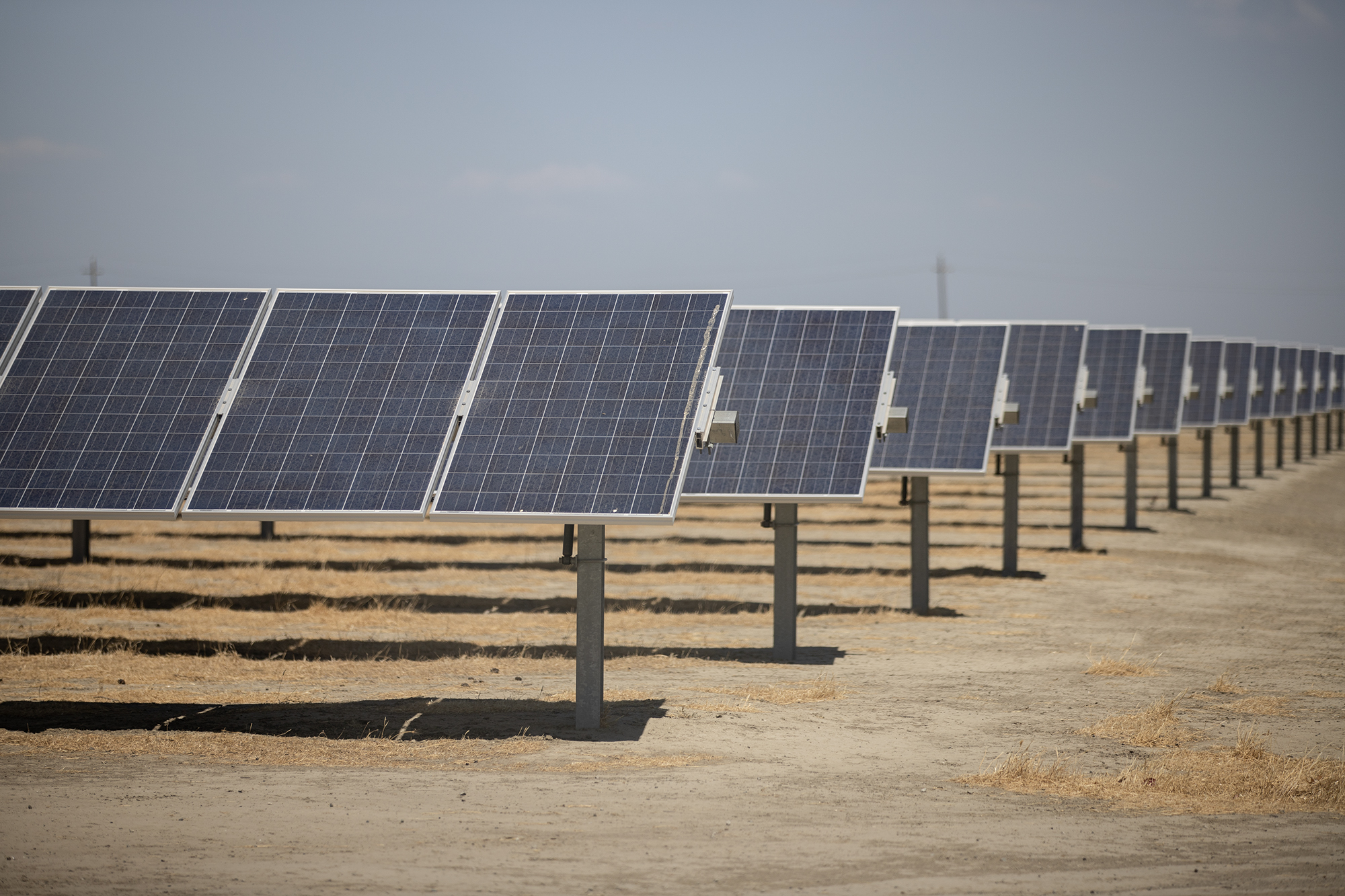
The California Public Utilities Commission has adopted new rules for community solar projects, which critics argue will reduce incentives for expanding solar power to low-income customers. While the new rules allow ratepayers to subscribe to solar projects with a 20% rate reduction, they also decrease future compensation for solar providers, potentially discouraging new projects. Advocates warn that this decision undermines California's clean energy progress and could limit access to renewable energy for disadvantaged communities.
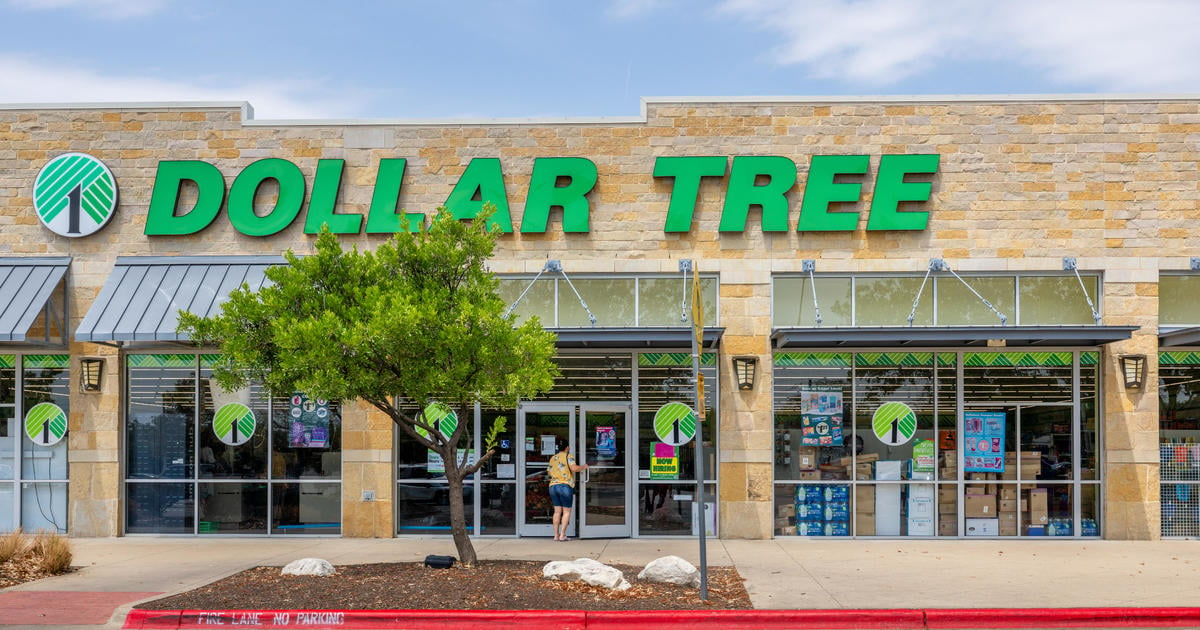
Dollar Tree is closing nearly 1,000 stores, including 600 Family Dollar locations in 2024, representing about 15% of its Family Dollar locations, due to flagging sales and the impact of inflation on its low-income shoppers. The closures are expected to hit some communities hard, as these stores may be the only ones serving the entire area and providing jobs. The company has not released a comprehensive list of the locations it is closing, but some known closures include stores in Illinois, Missouri, New Jersey, North Carolina, and Virginia.
A new analysis by the Treasury Department reveals that President Joe Biden's Inflation Reduction Act is directing a significant portion of clean energy funding to low-income, less-educated, and fossil fuel-dependent communities. Approximately 81% of investments in clean projects since the law's passage have been in counties with below-average wages, and 86% are flowing into counties with below-average college graduation rates. Moreover, around 70% of clean energy investments have been made in counties with weaker labor markets. The study also found that energy communities with historical ties to fossil fuel industries have experienced rapid growth in clean energy investments. Treasury Secretary Janet Yellen stated that the funding is going where it is most needed across the country, not just to wealthy communities or coastal areas.
The U.S. Department of Agriculture (USDA) has expanded access to free breakfast and lunch for millions of additional students in schools serving low-income communities. The department has lowered the eligibility threshold for the Community Eligibility Provision, allowing schools to provide no-cost meals to all students. Previously, at least 40% of students' households had to be enrolled in income-based federal assistance programs, but the new rule lowers that threshold to 25%. This expansion aims to decrease childhood hunger, improve child health, and reduce the social stigma associated with reduced-cost meals. Grants worth $30 million will be distributed to rural school districts, and additional funding will be provided for equipment and Farm to School programs.
Comedian Kevin Hart faces backlash after a resurfaced clip from a 2021 conference shows him suggesting that people in low-income communities aren't "smart enough" to have bank accounts, attributing the prevalence of liquor stores and check cashing places to this perceived lack of financial literacy. Critics argue that Hart's comments ignore the systemic oppression and economic challenges faced by these communities. Hart, who has a reported net worth of $450 million and is involved in various business ventures, including an alcohol company, is called out for his apparent disconnect from the struggles of his upbringing.
The U.S. Department of Agriculture has announced a rule change that will make millions of additional students in schools serving low-income communities eligible to receive free breakfast and lunch. Under the new rule, schools where 25% of families participate in income-based public benefits will have the federal government cover the cost of free meals for all enrolled students, compared to the previous threshold of 40%. This change will expand access to universal meals through the Community Eligibility Provision, reducing administrative burdens and ensuring children don't go hungry. Advocates argue that the federal poverty guidelines for free meals are outdated and fail to account for families living paycheck to paycheck. The rule change is seen as a step toward fulfilling the promise of healthy school meals for all.
The US Environmental Protection Agency (EPA) has released a $7 billion Solar for All Notice of Funding Opportunity, which aims to expand access to affordable and clean solar energy for low-income and disadvantaged communities. The program will award grants to states, territories, Tribal governments, municipalities, and nonprofits to facilitate residential solar investment, benefiting millions of low-income households. The initiative is part of the Investing in America agenda and aims to close the equity gap in solar energy access.
The Biden-Harris Administration has launched a $7 billion grant competition called Solar for All, aimed at increasing access to affordable and clean solar energy for low-income households. The competition, funded by President Biden's Inflation Reduction Act, will award grants to states, territories, Tribal governments, municipalities, and eligible nonprofits to create and expand low-income solar programs. These programs will provide financing, technical assistance, and workforce development to enable low-income and disadvantaged communities to deploy and benefit from residential solar. The initiative aims to lower energy costs, create jobs, advance environmental justice, and tackle the climate crisis.
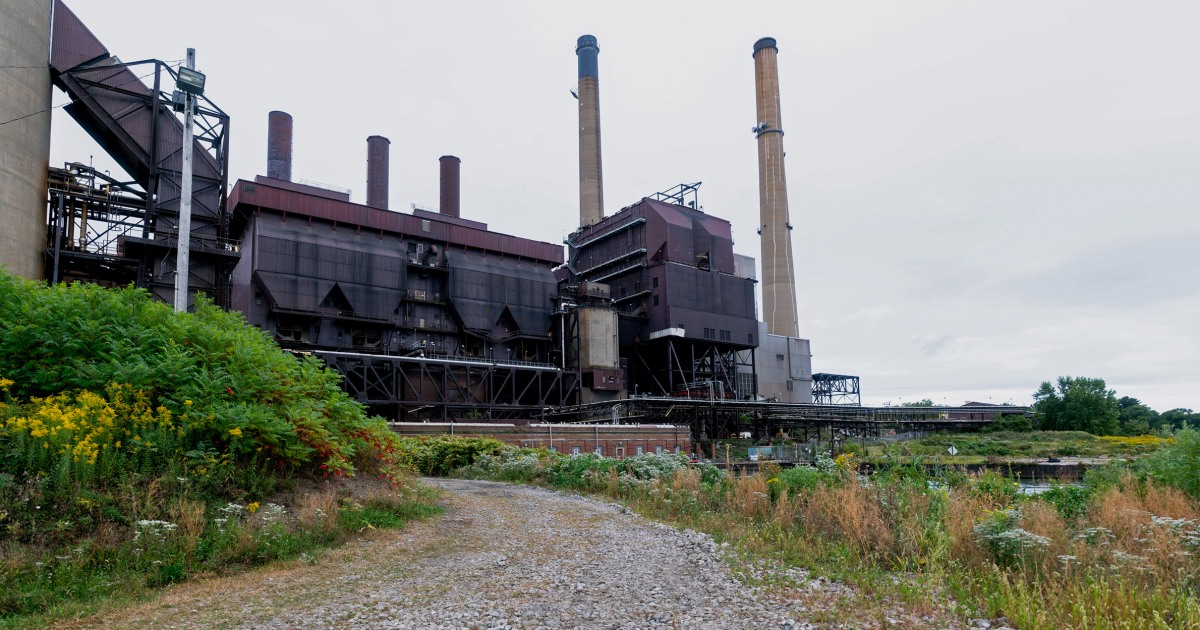
President Joe Biden is set to issue an executive order directing federal agencies to consider the environmental burdens in already-overburdened communities before approving new projects that could threaten their air or water quality. The order would help deliver on his 2020 campaign pledge to the communities that have historically suffered the worst health risks from the pollution spewing from smokestacks and tailpipes. The new actions could become especially significant as Biden’s climate agenda pushes the implementation of a host of clean-energy projects that raise local pollution concerns, including mineral mines, battery factories and carbon dioxide pipelines.
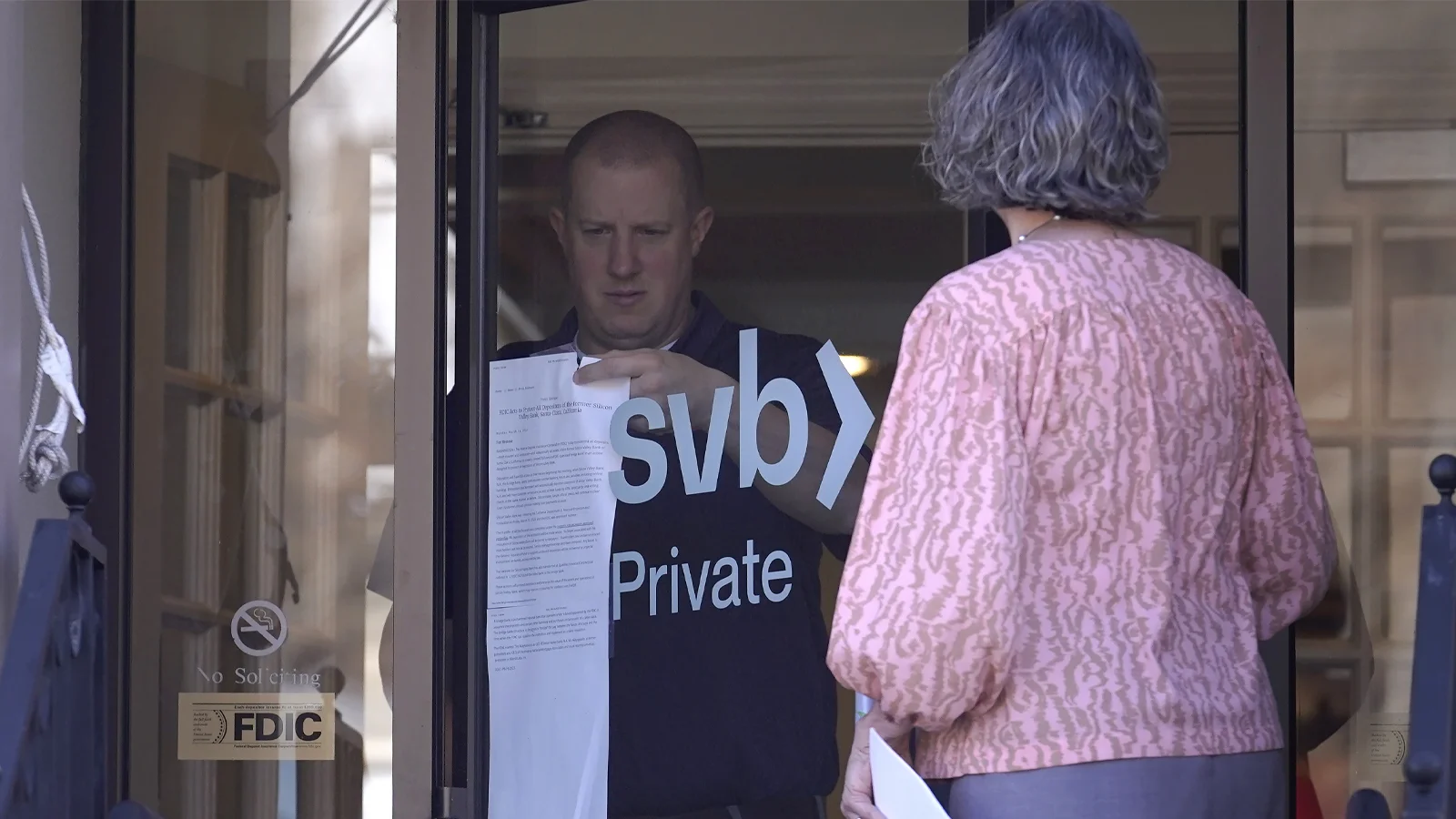
Federal banking regulators did not fulfill Silicon Valley Bank's pledge to provide billions in lending to low-income communities as part of an $11 billion community benefits agreement signed ahead of a major merger in 2021. The collapse of the bank could leave thousands of planned Bay Area affordable housing units in jeopardy and halt a $10 million program to increase homeownership in communities of color. Advocates are calling for stronger oversight of bank mergers and for tangible benefits for the public.