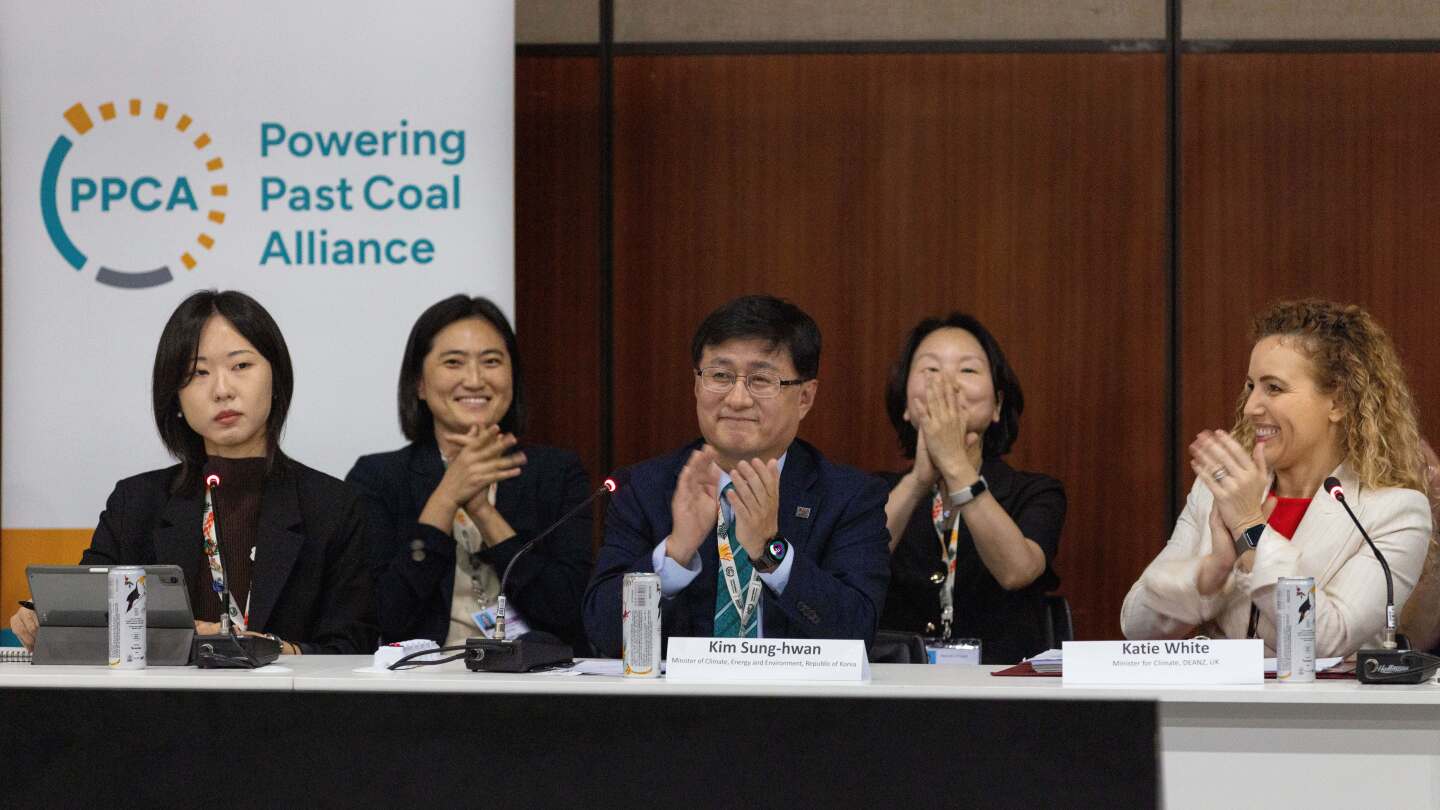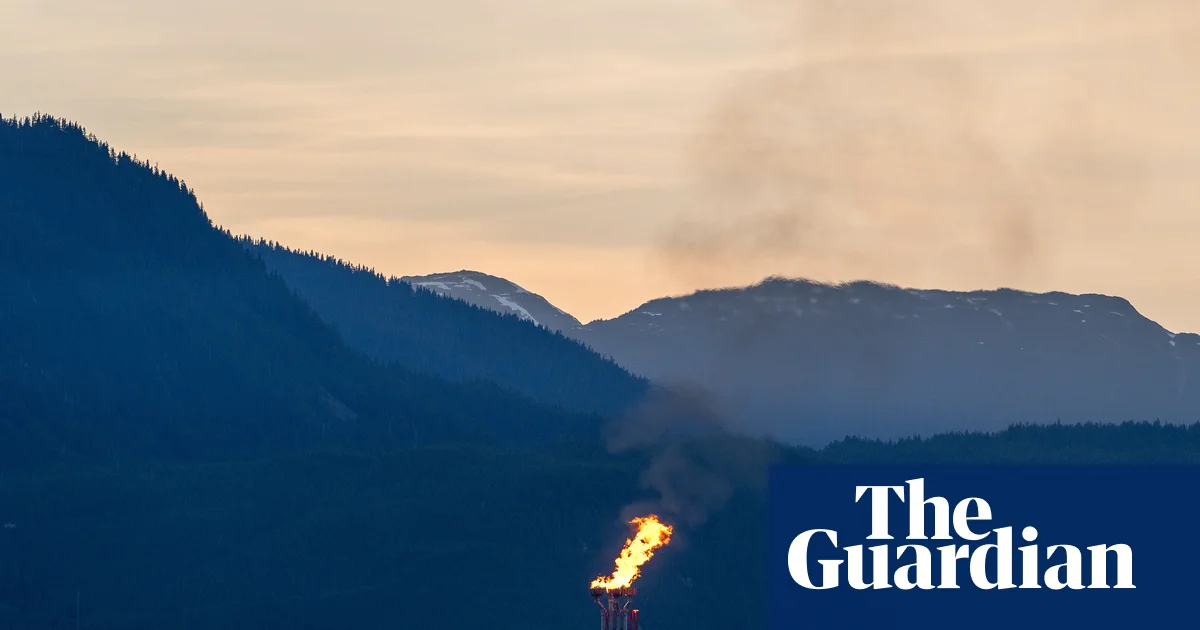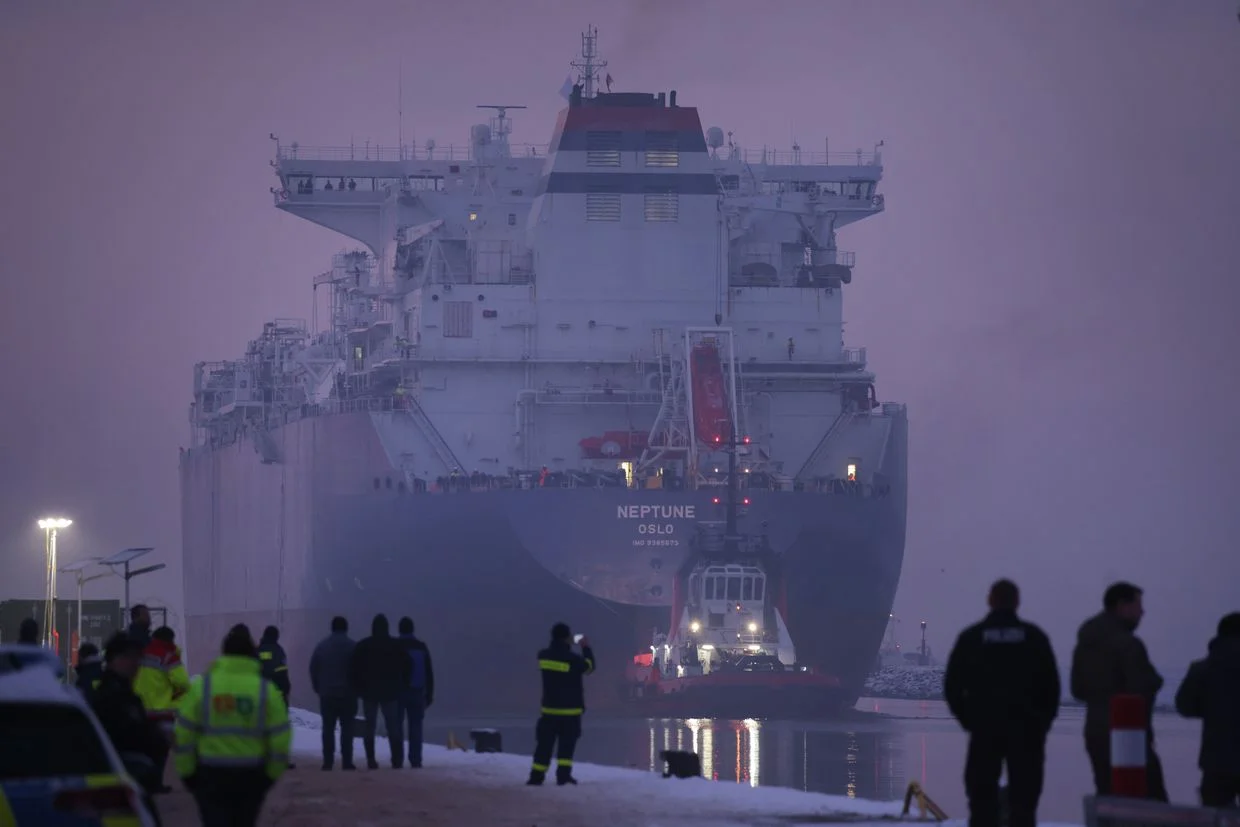
South Korea aims to reduce coal reliance and cut emissions by 2040, but its plans to increase US LNG imports for energy security may conflict with its climate goals, raising concerns about a potential shift from coal to fossil fuels rather than a true green transition.
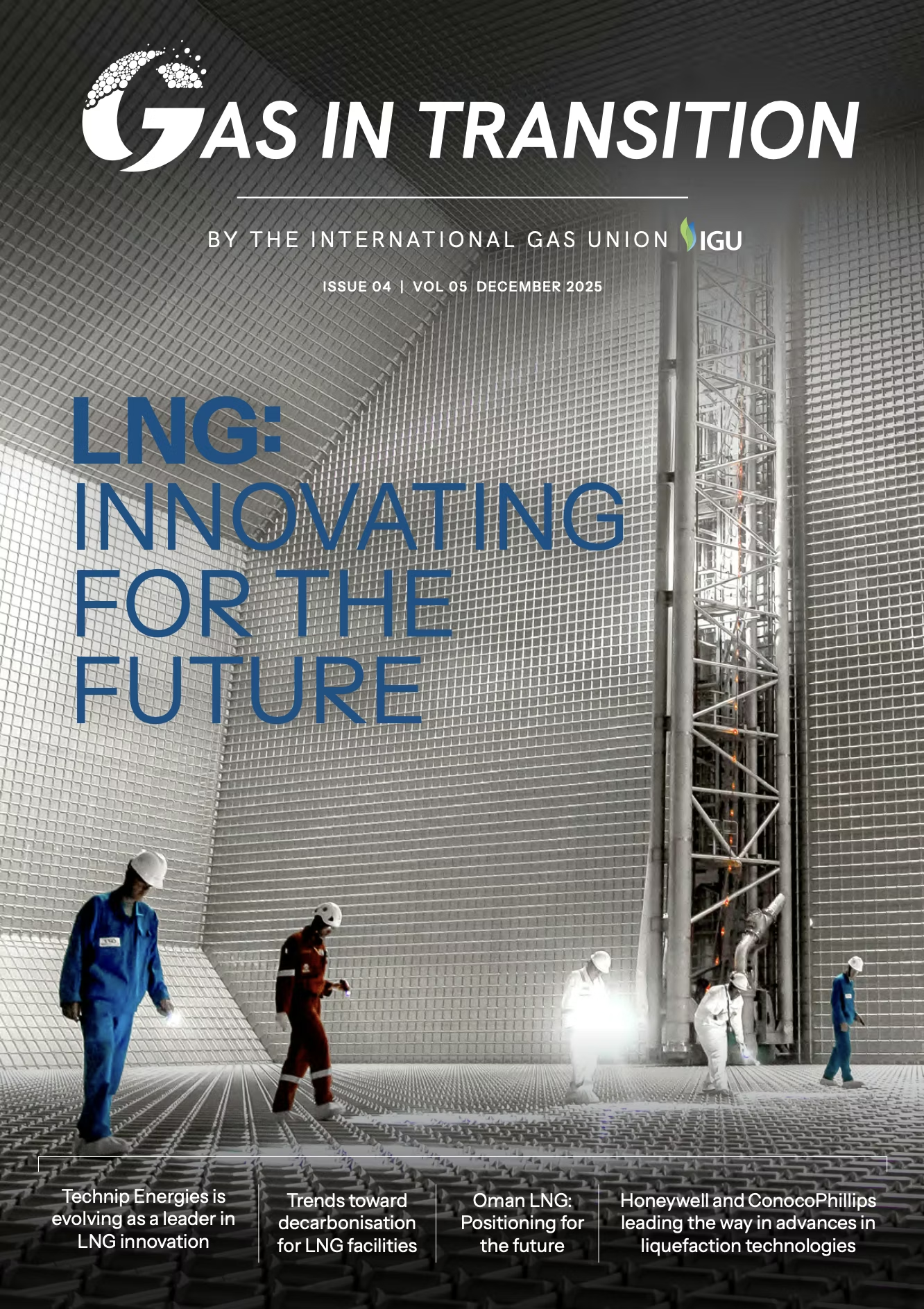
The global gas industry remains optimistic about its future role in supporting growth and social progress, with a special focus on LNG innovations and upcoming industry events like LNG2026 in Doha, Qatar.
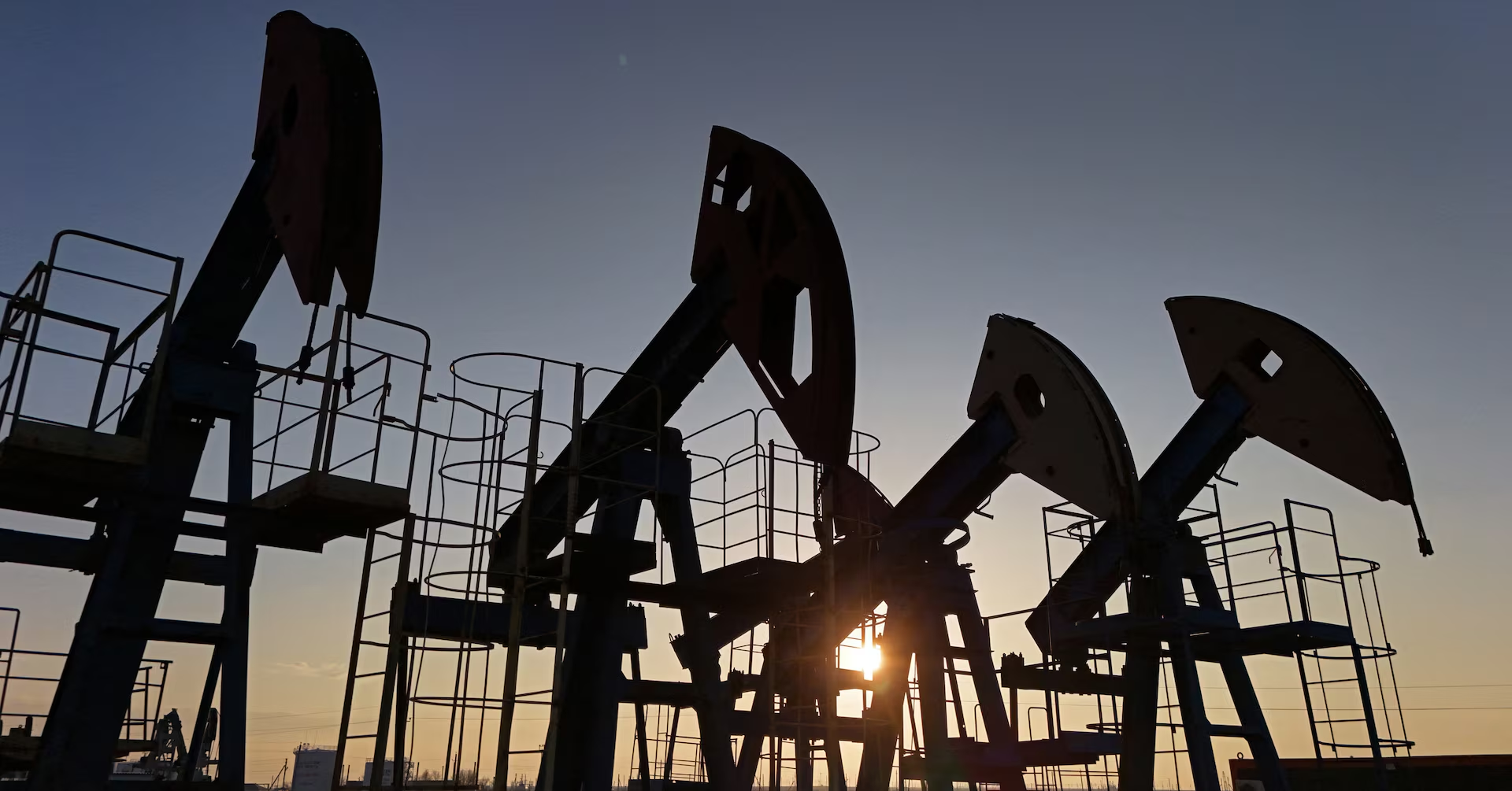
The International Energy Agency predicts that global oil and gas demand could continue to grow until 2050 under current policies, with no peak expected before then, and warns that the world is unlikely to meet the 1.5°C temperature rise limit without significant technological advancements. Despite recent shifts towards clean energy, existing policies suggest energy demand will increase, and LNG capacity is set to expand significantly, driven by rising power sector needs and data center growth.
Sempra announced strategic actions including selling a 45% stake in Sempra Infrastructure Partners for $10 billion, which enhances its financial strength and supports its goal of becoming a leading U.S. utility growth business. The company also reached a final investment decision for Port Arthur LNG Phase 2, with commercial operations expected in 2030-2031, and updated its EPS guidance for 2025 and 2026.
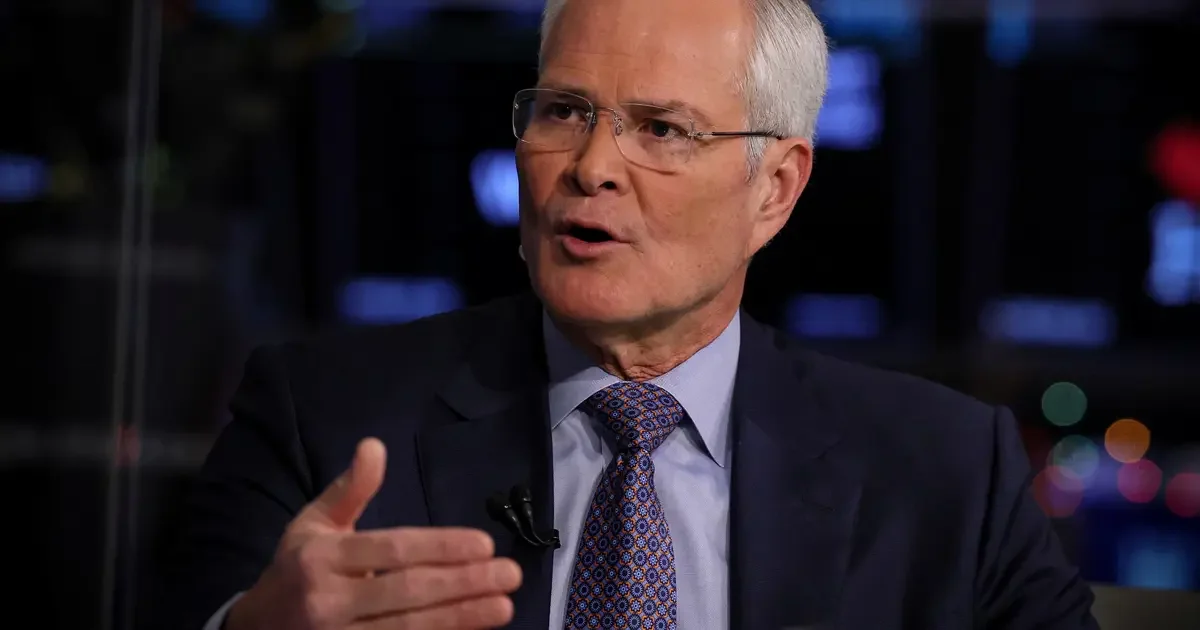
Exxon CEO expresses pessimism about Europe's strict ESG and climate reporting rules, which could impact US LNG exports to Europe. While Europe aims to balance climate goals with energy needs amid high prices and geopolitical tensions, Exxon is concerned that current regulations may hinder long-term deals and economic viability. The CEO advocates for repealing some legislation, criticizing Europe's approach as ideologically driven and confusing.
Canada's Liberal government announced a series of major national projects including LNG expansion, nuclear, port, and mineral mines to boost the economy and counter US trade tensions, notably excluding new oil pipelines, which has sparked political debate and environmental concerns.
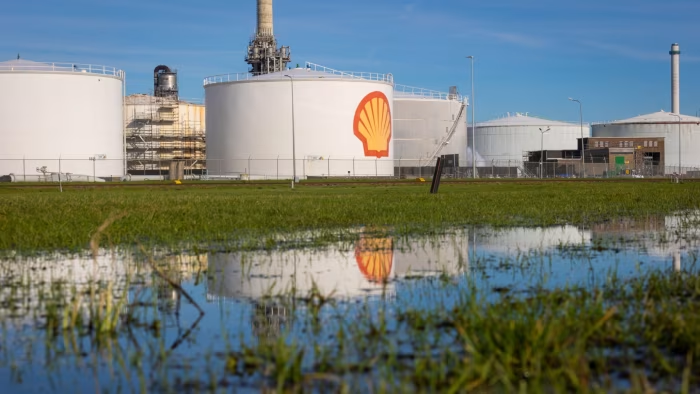
Venture Global won an arbitration case against Shell and other energy companies, defending its practice of selling LNG on the spot market before its Louisiana facility was fully operational, which could influence future LNG contract disputes. Despite the win, Shell expressed disappointment, emphasizing the importance of trust in long-term LNG contracts.
LNG stocks surged after the EU agreed to buy $750 billion worth of US energy, including LNG, to reduce dependence on Russian gas, as part of a broader US-EU trade deal involving tariffs and investment.
The EU and US have a new trade agreement where the EU commits to purchasing $750 billion worth of US energy over three years, aiming to reduce dependence on Russian fossil fuels, especially LNG, amid ongoing geopolitical tensions. The deal signifies a major shift in energy sourcing for Europe, although specific implementation details remain unclear.
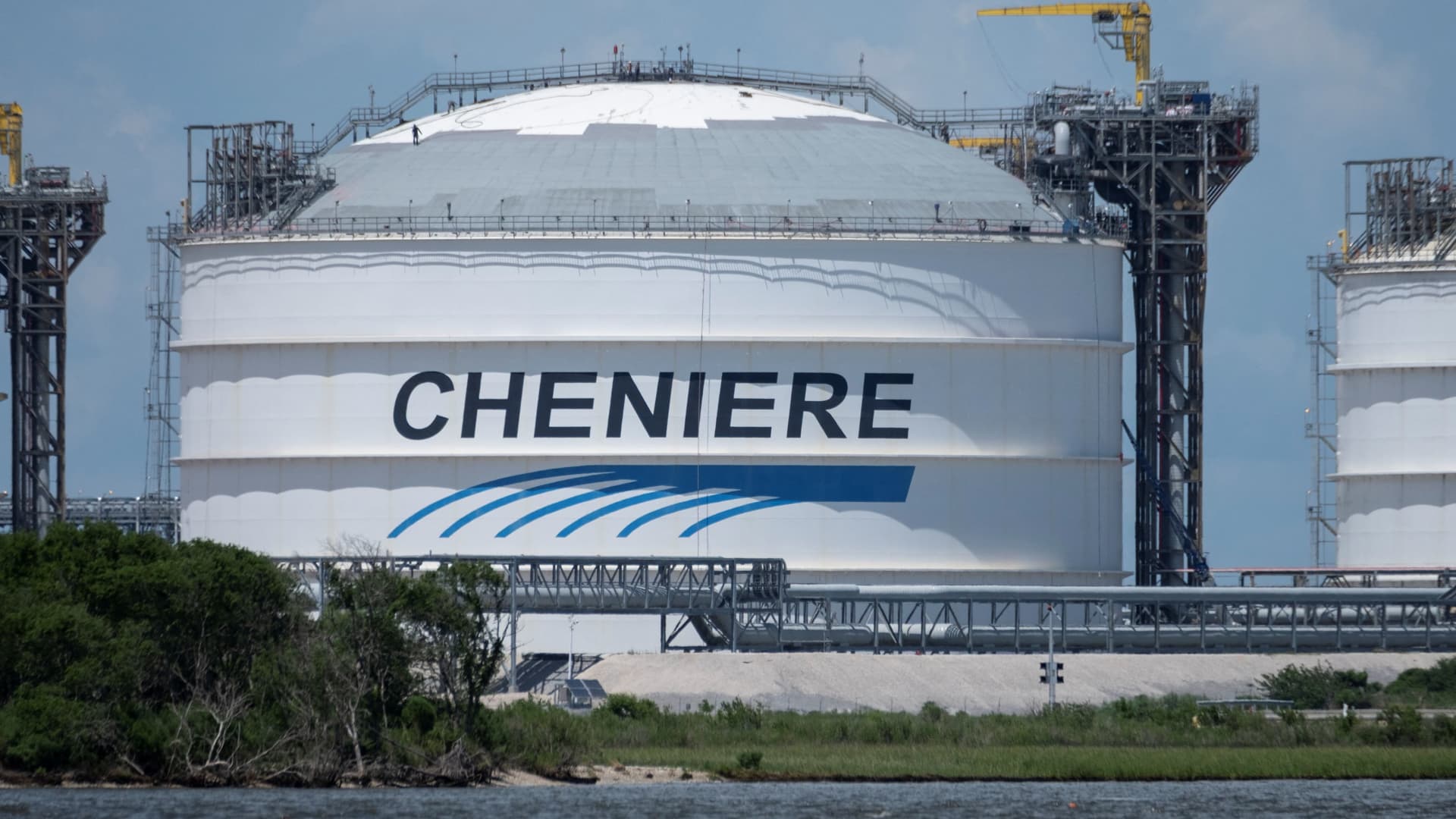
Cheniere Energy announced a positive final investment decision on the Corpus Christi Midscale Trains 8 & 9 project, which will increase the company's LNG capacity by over 10% to more than 60 million tonnes per annum by 2028, and plans to deploy over $25 billion through 2030 for growth, share repurchases, and dividends, with an expected dividend increase of over 10%.
ADNOC-led consortium has proposed an $18.7 billion all-cash takeover of Australian gas producer Santos, offering a 28% premium, aiming to expand its global LNG business amid regulatory hurdles and market uncertainties.
Australia's second-largest gas producer Santos has announced support for an $18.7 billion all-cash takeover bid led by Abu Dhabi's ADNOC, aiming to expand its global LNG business, though regulatory approval remains uncertain amid a significant share price jump and strategic asset interests in the Asia Pacific region.
The European Union has agreed on a 14th package of sanctions against Russia, including the first restrictions on Russian liquefied natural gas (LNG). The sanctions ban re-exports of Russian LNG in EU waters but do not prohibit imports. The package also targets three Russian LNG projects and allows Sweden and Finland to cancel Russian LNG contracts. Additionally, it tightens measures against Russia's shadow fleet and adds new entities and individuals to the sanctions list. The package is expected to be formally approved by EU foreign ministers on Monday.
JPMorgan CEO Jamie Dimon criticized the Biden administration's pause on new liquified natural gas (LNG) projects, warning that it increases dependence on oil and coal and harms economic and geopolitical advantages. He also cautioned about prolonged high inflation and elevated federal funds rates due to government spending. Dimon highlighted the need for increased spending in transitioning to a greener economy and restructuring global supply chains, while also pointing out global events that threaten the U.S. economy. JPMorgan reported record profits in 2023 despite a crisis in the banking sector, and Dimon emphasized caution due to quantitative tightening and ongoing wars in Ukraine and the Middle East.
Qatar plans to increase its natural gas production by 85% despite the recent drop in global prices, aiming to meet rising demand in Europe and Asia. The expansion will add 16 million metric tons per year to its liquefied natural gas (LNG) production, bringing total capacity to 142 million tons per year by 2030. The decision comes as Asian LNG prices have plummeted due to reduced demand, but Qatar remains optimistic about the long-term need for gas in both Europe and Asia. The expansion may not be the last, as further increases in production are not ruled out, and QatarEnergy has already signed supply deals for the project.