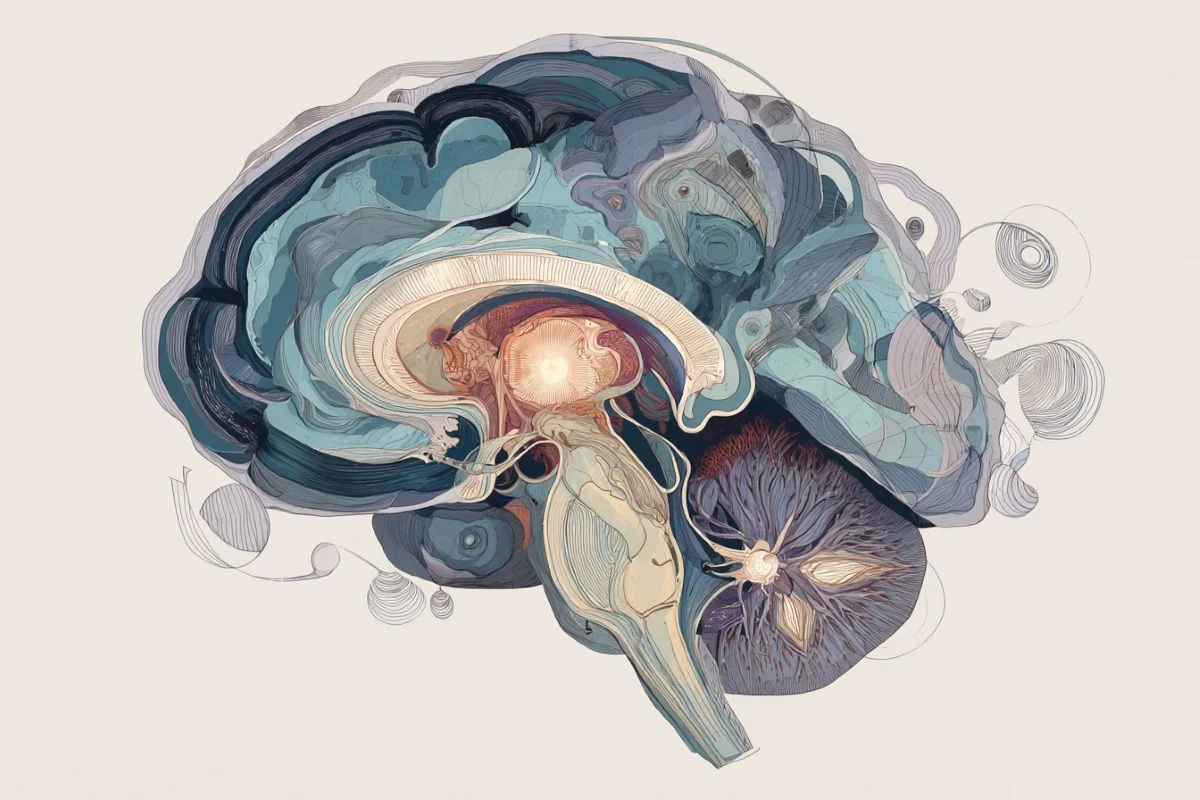
Amygdala Shifts Between Learning Strategies to Enable Flexible Choices
New Dartmouth-led research reframes the amygdala as a dynamic arbiter that toggles between action-based and stimulus-based learning under uncertainty, promoting flexible decision-making. When the amygdala is damaged, arbitration becomes random and behavior locks into rigid action-based patterns. The findings offer a potential path for treating phobias and anxiety by encouraging action-based exploration over stimulus-driven fear, and pave the way for further studies on how the amygdala coordinates with prefrontal circuits to guide learning.