Marissa Mayer is shutting down her consumer software startup Sunshine and selling its assets to her new AI company, Dazzle, which aims to develop an AI personal assistant, with all Sunshine employees moving to Dazzle.
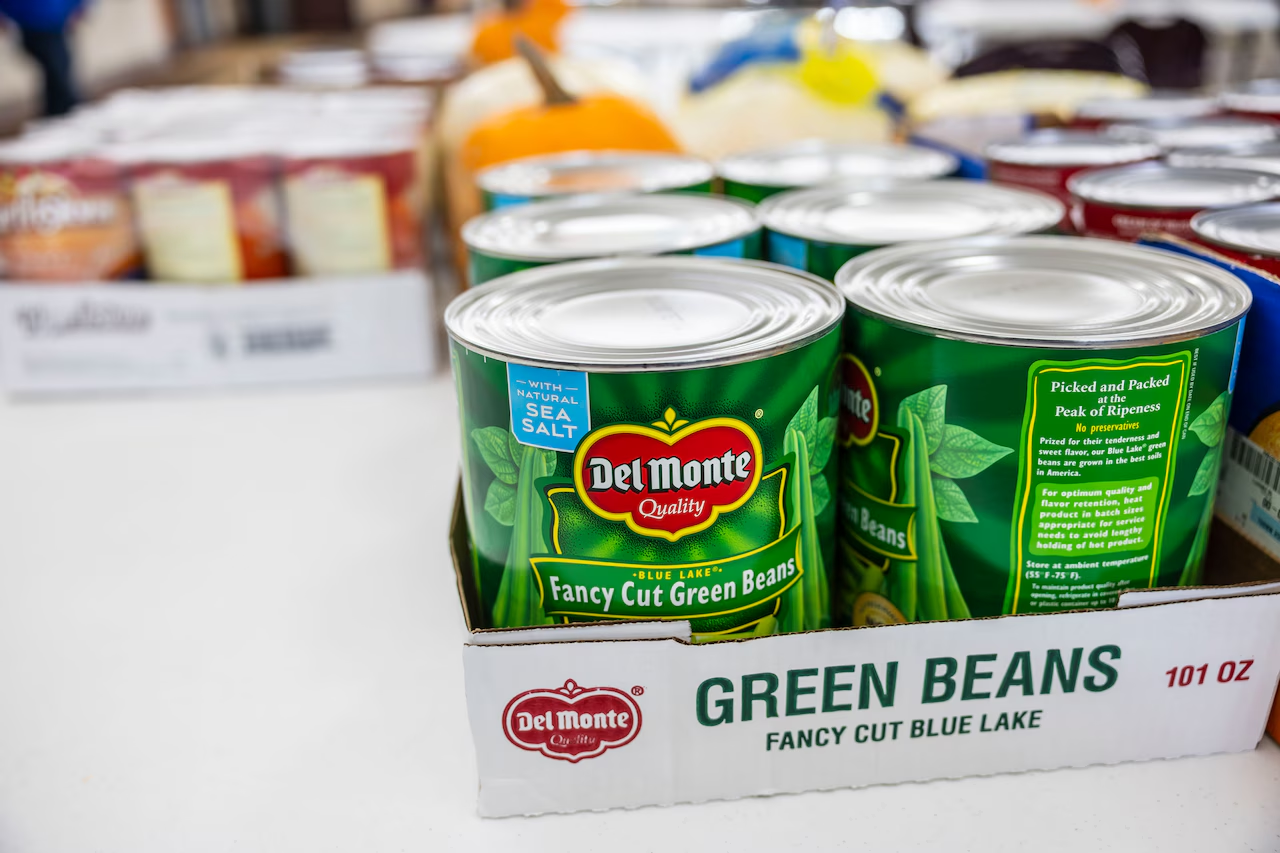
Del Monte Foods, a historic canned fruit and vegetable company with 139 years of operation, has filed for Chapter 11 bankruptcy to facilitate a court-supervised sale of its assets, aiming to strengthen its financial position and ensure continued operations during a challenging macroeconomic environment.
BP is under pressure due to declining share prices and potential takeover interest, with Shell stepping back from a merger attempt. The company is focusing on core assets like deepwater oil, US shale, and LNG, while considering asset sales to improve its financial position amid volatile oil prices and strategic challenges.
Sunnova Energy filed for Chapter 11 bankruptcy to facilitate a sale of its assets, while continuing operations and service to customers, supported by interim court approvals and new agreements with ATLAS SP Partners and Lennar Homes to secure additional capital and assets.
Medical Properties Trust stock surged 18.8% after announcing the sale of its interests in five Utah hospitals to a joint venture for $886 million, generating a total of $1.1 billion in cash proceeds. The company plans to use the funds to reduce debt, including payment of a $300 million Australian term loan due this year and repayment of borrowings. This move follows recent asset divestments in California and New Jersey, as well as a deal by its largest tenant, Steward Health Care, to divest its physician network. Investors are optimistic about the company's efforts to improve its financial position and the potential for long-term value.
Medical Properties Trust stock surged nearly 19% after announcing the sale of its interests in five Utah hospitals to a joint venture for $886 million, generating around $1.1 billion in total cash proceeds. The company plans to use the funds to reduce debt, including payment of a $300 million Australian term loan and repayment of borrowings. This follows recent asset sales and positive developments with its largest tenant, Steward Health Care, indicating efforts to strengthen its balance sheet and restore business stability.
Polymetal International has agreed to sell its Russian assets to Siberian gold miner Mangazeya Plus for $3.69 billion, including the Russian operation's net debt of $2.21 billion, as part of efforts to comply with U.S. sanctions imposed in response to Russia's military actions in Ukraine. The deal involves cash payments and dividends, with Polymetal intending to use $1.15 billion of the dividends to repay debt. The transaction, which requires shareholder approval, will allow Polymetal to retain $300 million in post-tax proceeds, some of which will be used to develop a project in Kazakhstan.
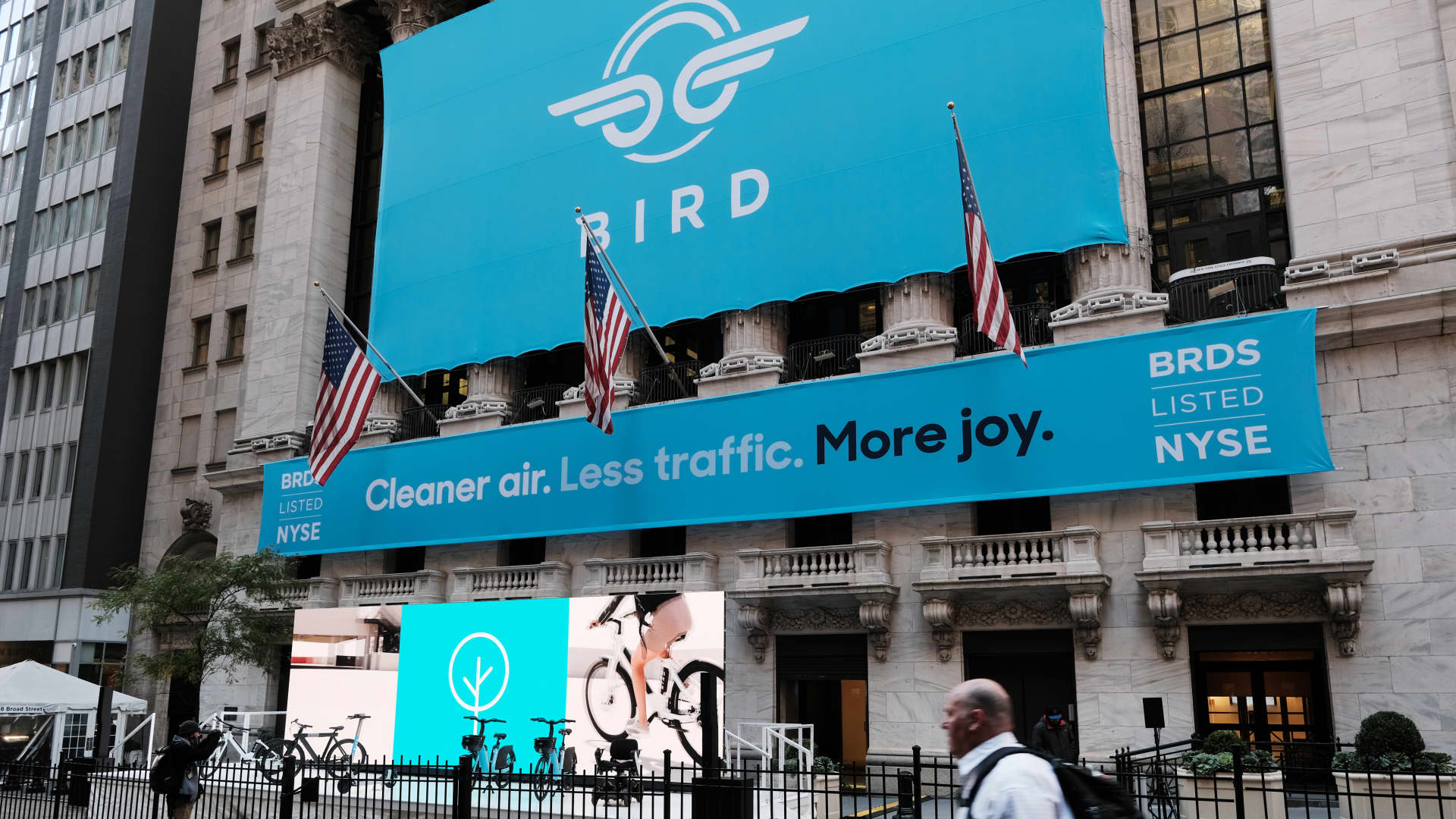
Electric scooter company Bird has filed for Chapter 11 bankruptcy protection in Florida federal court. The company, once valued at $2.5 billion, plans to use the bankruptcy proceedings to facilitate a sale of its assets within the next 90 to 120 days. Bird's popularity declined during the Covid-19 pandemic, and its share price tumbled after going public via a merger in 2021. The company's bankruptcy filing comes after being delisted from the New York Stock Exchange in September. Bird Canada and Bird Europe are not included in the filing and will continue to operate normally.
Bankrupt crypto exchange FTX and its debtors have requested approval from the U.S. bankruptcy court to sell approximately $744 million worth of trust assets, including funds from Grayscale and Bitwise, through an investment adviser. The sale aims to prepare for forthcoming distributions to creditors and expedite the selling process. FTX, once a major crypto exchange, went bankrupt in November 2023 following reports of customer fund misappropriation. FTX founder Sam Bankman-Fried was recently found guilty of defrauding customers and lenders, potentially facing 15-20 years in jail. The trust assets consist of Grayscale and Bitwise funds, allowing investors exposure to digital assets without direct ownership.
Disney is facing renewed pressure from activist investor Nelson Peltz after its stock hit a nine-year low. Peltz's hedge fund, Trian Fund Management, has boosted its stake in Disney and is seeking multiple board seats, including one for himself. Peltz aims to deliver value through immediate strategies like asset sales, which could benefit shareholders in the short term. Disney is grappling with declines in its TV business, succession questions, and the need to address challenges in its parks, linear TV division, and streaming services. The company has taken steps to reset its business, including cost-cutting initiatives and restructuring, but more needs to be done to improve its stock performance.
The Walt Disney Co. is reportedly in talks with potential buyers, including Gautam Adani and Kalanithi Maran, for the sale of its India streaming and television business. Disney is exploring various options, such as selling part of its Indian operations or a combination of assets, including sports rights and regional streaming service Disney+ Hotstar. Previous discussions have also taken place with Reliance Industries Ltd. Disney's unit lost its streaming rights for the Indian Premier League to Viacom18 Media Pvt. The talks are still in the early stages, and a deal may not materialize.
Canopy Growth Corporation has announced that it will no longer fund its BioSteel Sports Nutrition Inc. business unit and that BioSteel has filed for creditor protection under the Companies' Creditors Arrangement Act. Canopy Growth, as the senior secured lender, expects to recover proceeds from the sale of BioSteel's assets. This move is part of Canopy Growth's strategy to simplify its business and focus on its core cannabis operations in North America. The company aims to achieve positive Adjusted EBITDA in all remaining business units by the end of FY2024. Canopy Growth has recently made significant progress in reducing its debt, selling properties, and achieving cost reductions.
Dutch e-bike startup VanMoof has been officially declared bankrupt by the court of Amsterdam, following a last-ditch effort to avoid insolvency. The court has appointed two trustees to explore the possibility of selling the company's assets to a third party in order to keep it running. The bankruptcy proceedings only apply to VanMoof's Dutch legal entities, and it remains unclear how this will impact operations in other countries. VanMoof had recently faced challenges including production delays, customer complaints, and financial struggles. The bankruptcy raises questions about the viability of the company's business model and the potential value of its assets.
VanMoof, the Dutch e-bike maker, has been declared bankrupt by the court of Amsterdam. The company is now under the administration of trustees who are assessing the possibility of a restart, including exploring an asset sale to a third party. VanMoof owners face uncertainty regarding the future of their e-bikes, but the company aims to keep its app and servers online to ensure ongoing services. Customers seeking refunds for prepayments can file claims in the bankruptcy proceeding. Repair work and parts deliveries are currently halted, but repaired and unrepaired e-bikes at shops in the Netherlands will eventually be made available for pickup.
Durham biotech company Novan has filed for bankruptcy and plans to sell most of its assets for $15 million. The struggling company had previously cut half of its workforce and is exploring financial options. Ligand Pharmaceuticals has agreed to purchase Novan's assets and also provided a $3 million loan. Novan will continue to operate as a debtor-in-possession and work with the FDA on potential approval for its treatment candidate.