Tag

Lending Standards

All articles tagged with #lending standards

finance1 year ago

"Rising Interest Rates Lead to Increased Loan Denials for Americans"

A new survey from Bankrate.com reveals that half of Americans who applied for loans in the past two years were turned down, as banks have been tightening lending rules in response to the Federal Reserve's efforts to combat inflation by raising interest rates. The survey, covering 2,483 adults, found that unsuccessful borrowers most often faced denials for new credit cards or credit-limit increases, with banks continuing to tighten credit standards in 2024. This tightening of credit comes at a time when many Americans are relying on borrowed funds to cover day-to-day expenses, leading to a surge in credit card debt and making it harder for those with weaker credit to access new credit. While borrowing money may become slightly easier in 2024 as the economy improves, it ultimately depends on broader economic conditions and the potential for a recession.

financeeconomy1 year ago

"Rising Interest Rates Lead to Increased Loan Denials for Americans"

A Bankrate survey found that 50% of Americans have been denied loans or financial products since the Federal Reserve began raising interest rates in 2022. Credit card applications were rejected most frequently, and lending standards have tightened as banks respond to higher rates. The denial rate is higher for those with lower credit scores, emphasizing the importance of maintaining a good credit score to mitigate the impact of higher interest rates.

economy2 years ago

Rising Consumer Debt Threatens US Household Finances

Consumer spending in the US has been driving GDP growth, but it is not sustainable due to rising credit card debt and depleting pandemic savings. Banks are tightening lending standards, making it difficult for struggling households to obtain more credit. Excess savings are expected to be fully exhausted by Q2 2024, and a decline in consumer spending is likely. Factors such as the restart of student loan payments and maxed out credit cards could further limit consumers' ability to spend. However, consumers may be able to rely on their record-high home equity to sustain their spending habits.

finance2 years ago

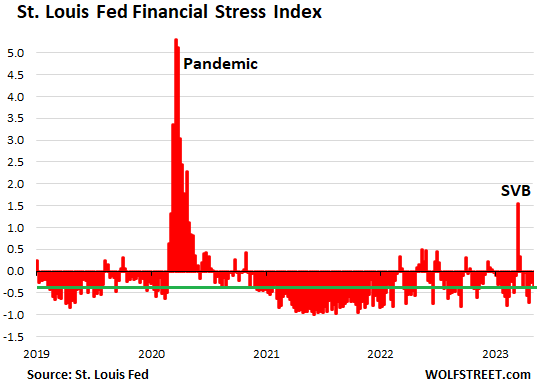
The Loose Financial Situation in La-La-Land Despite Fed Tightening and Bank Collapses.

Despite the Federal Reserve's tightening and bank collapses, financial conditions and lending standards are still looser than the long-term average, though they have become somewhat less loosey-goosey than during the free-money era. The weekly St. Louis Fed Financial Stress Index measures financial stress in the credit markets and was designed to indicate when another financial crisis might be at the doorstep. Loan demand is down from businesses and consumers, which makes sense because interest rates have risen, and borrowing has become more expensive and isn’t a freebee anymore. More loan officers on net reported tightening lending standards across the board, except for consumer mortgages backed by the government.

real-estate2 years ago

"Federal Reserve and Economist Express Concerns Over Tightening Credit Standards in Commercial Real Estate"

The turn in bank lending standards, identified in the Fed senior loan officer survey released on Monday, could signal trouble for the commercial real estate market and the broader economy. Historically, tightening lending standards have led to a slowdown in economic growth and a rise in defaults. The implications of this trend are yet to be seen, but it is worth keeping an eye on as inflation continues to be a concern.

finance2 years ago

The 2023 banking crisis causes credit crunch in the US.

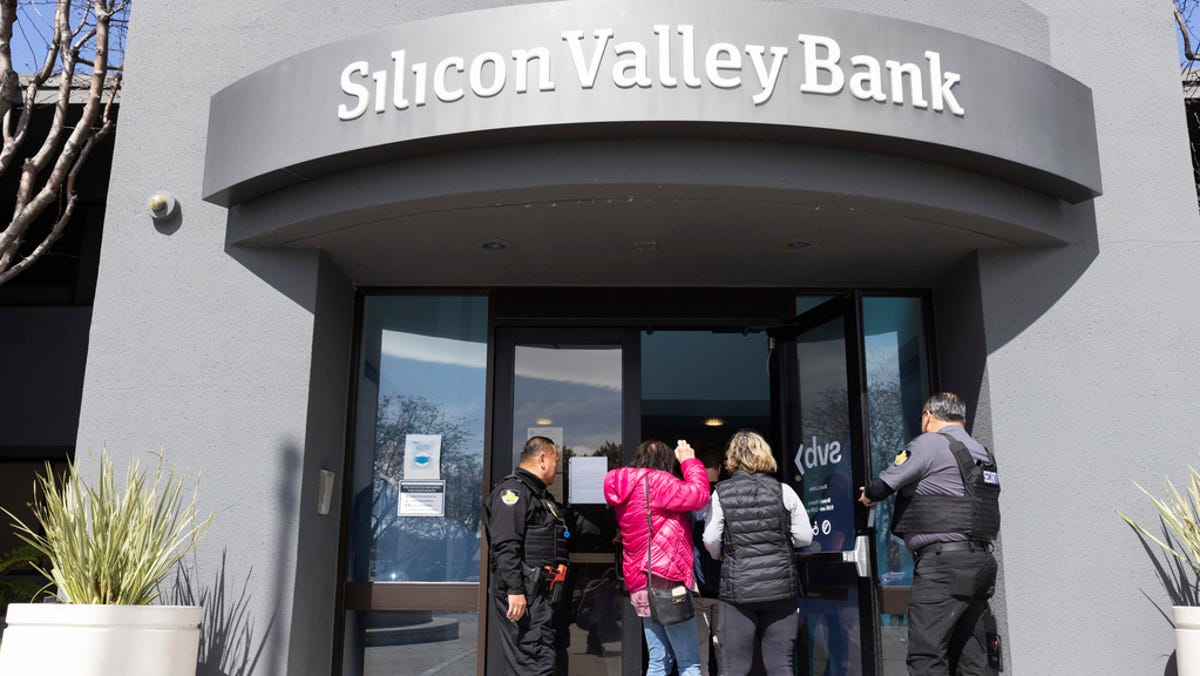
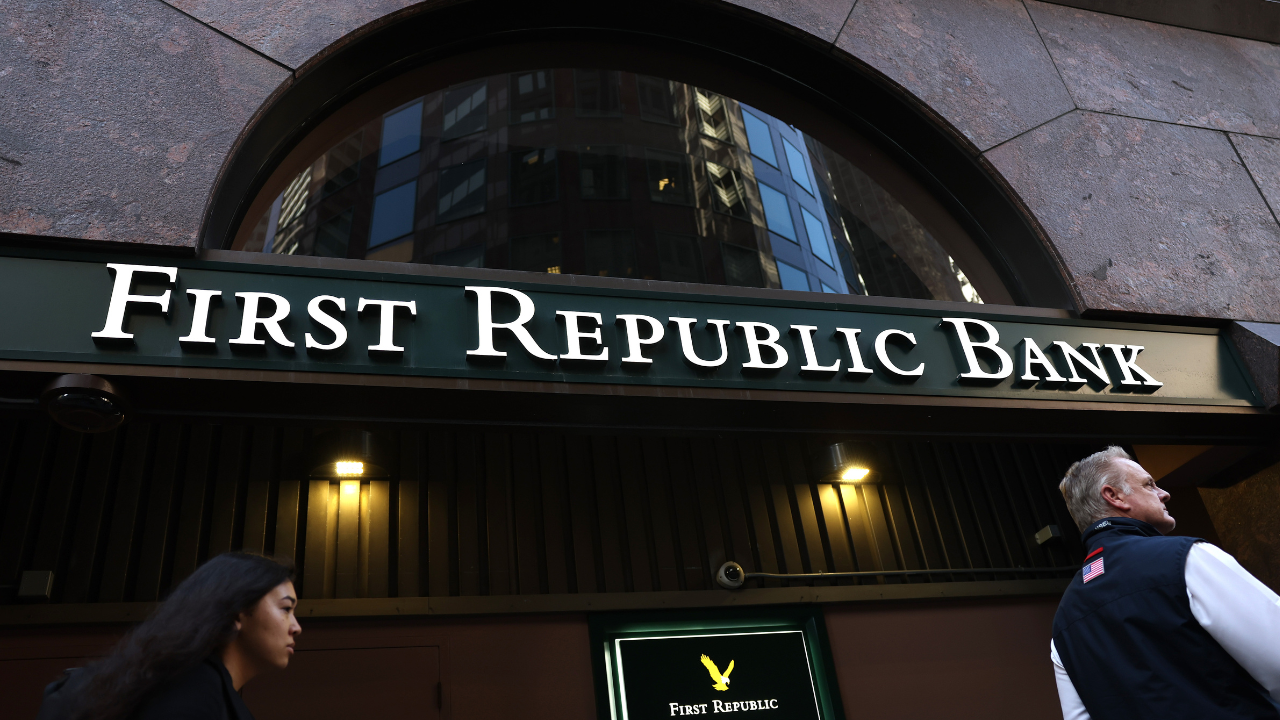
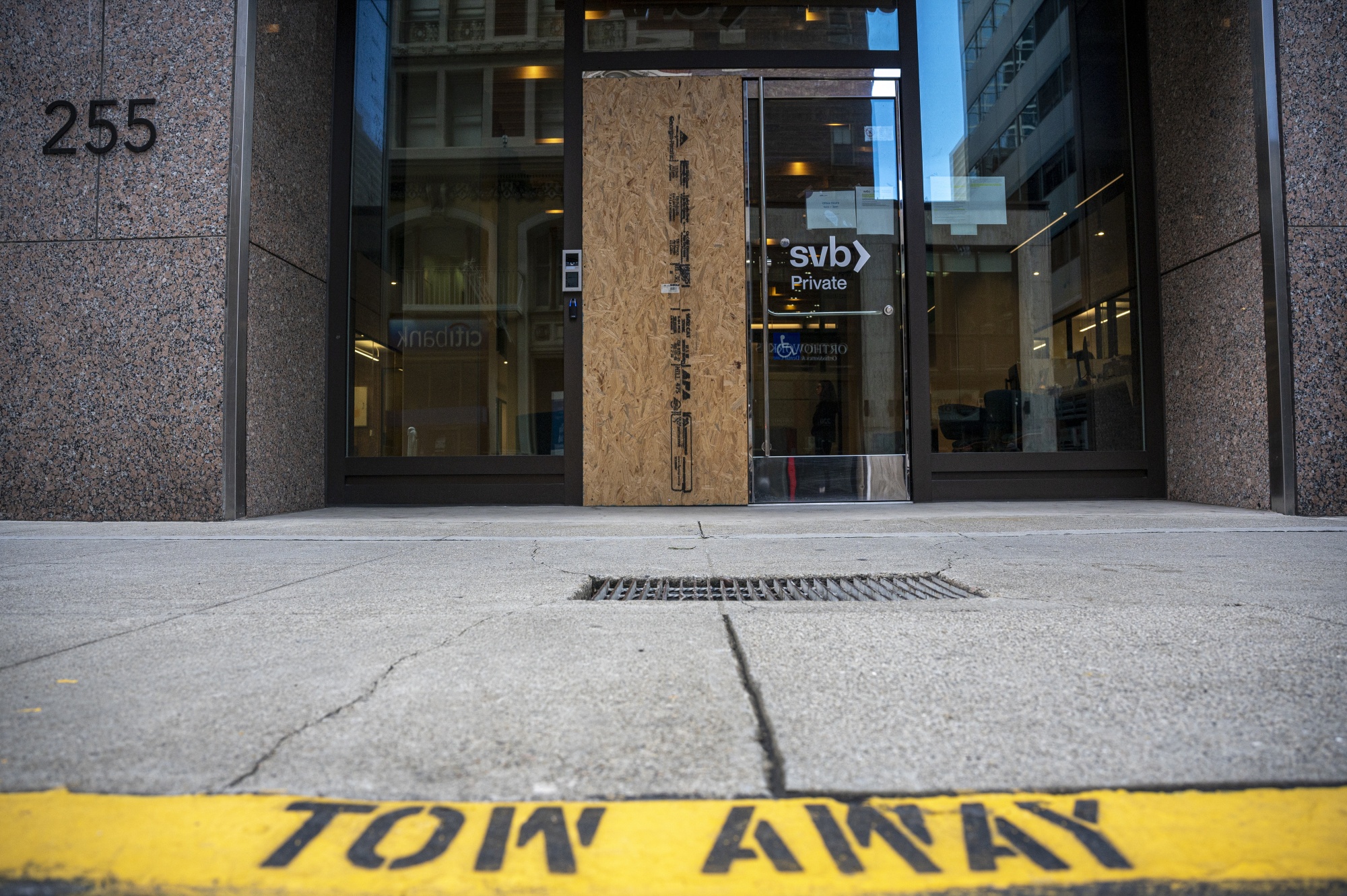
The collapse of Silicon Valley Bank and two other institutions has led to banks tightening lending standards for consumers and businesses, making it tougher to obtain loans. The Federal Reserve's Senior Loan Officer Opinion Survey found that 42% of banks somewhat tightened lending standards for large and midsize companies over the past three months, while 45% somewhat toughened lending criteria for small firms. Banks also toughened lending standards for consumer, auto, and credit card loans, and expected to further toughen lending criteria for all types of loans for the rest of the year. The banking crisis has also led to reduced demand for loans by households and businesses, as well as concerns about customers' withdrawal of deposits, liquidity concerns, and funding costs.

finance2 years ago

Fed Survey Reveals Banks Tightening Lending Standards Amid Economic Concerns.

The Federal Reserve's Senior Loan Officer Opinion Survey shows that more banks are tightening their lending standards due to concerns about the credit quality of their loan portfolios, reduction in risk tolerance, and concerns about bank funding costs, liquidity position, and deposit outflows. The report also points to a sharp slowdown in demand for credit, which could lead to a potential credit crunch. The banking turmoil, which began in early March, has added to the stress in the sector, reigniting fears of a credit crunch for U.S. households. Mid-sized banks are struggling, in part, from higher interest rates, which the Fed raised rapidly over the past year from near zero to more than 5%.

finance2 years ago

US Banks Concerned About Economic Slowdown and Tightening Lending Standards, According to Fed Report

A Federal Reserve report has shown that banks have tightened lending standards for households and businesses, potentially posing a threat to US economic growth. The report also revealed that banks expect troubles to persist over the next year, largely due to diminished expectations for economic growth, fears over deposit outflows, and reduced risk tolerance. The survey was being closely watched on Wall Street to gauge the fallout from troubles in the banking industry that accelerated in early March.

finance2 years ago

Debt Ceiling Standoff: Solutions and Divisions

Failure to resolve the impasse over the US debt ceiling in time could trigger a "constitutional crisis" and call the federal government's creditworthiness into question, warns US Treasury Secretary Janet Yellen. The last full week lawmakers in Washington have to hash out an agreement is this week. Most analysts believe there will be a resolution to the crisis in time, but markets show investors are not taking any chances. Meanwhile, the Federal Reserve's Senior Loan Officer Opinion Survey is likely to attract a lot more attention than usual, as it will show the extent to which lenders say credit has tightened in the first quarter of the year.

finance2 years ago

Market Focus: US Banks' View on Credit Squeeze and Biden-McCarthy Meeting

Markets are waiting for the Federal Reserve's Senior Loan Officer Opinion Survey to see how much lending has tightened given the strife in US regional banks. The Bank of England is likely to hike rates a quarter point to 4.5% later this week, while futures are priced for a further move to 4.75%. This week also sees Chinese data on inflation and trade, while G7 finance ministers meet in Niigata, Japan, from Thursday through Saturday.

finance2 years ago

US Regional Banks Struggle Amid Credit Crunch and Revenue Challenges

The collapse of a third US bank this week has worsened the credit crunch for American households and businesses, leading to a decline in lending and tighter lending standards. This could lead to less spending by consumers and businesses, and a potential recession this year. The Federal Reserve is expected to approve a 10th straight interest-rate hike at the conclusion of their two-day meeting on Wednesday and hint at a coming pause in increases.

business2 years ago

Impending Credit Crunch Threatens Small-Town America with Bankruptcies and Defaults

Signs of corporate distress are mounting in the US, with small businesses reporting difficulty in borrowing, corporate debt trading at distressed levels surging by 300% over the past year, and bond and loan defaults ticking up. The Federal Reserve says banks have tightened lending standards, and corporate bankruptcies are on the rise, particularly in the construction and retail industries. Analysts anticipate more companies will default on debt as lending standards are tightened and the Fed's rate hikes keep rippling through the economy.