In 2025, over 8,100 stores across the U.S. closed due to a wave of bankruptcies and economic challenges, including major brands like Bargain Hunt, Forever 21, Joann Fabrics, Liberated Brands, Party City, Rite Aid, and Sonder, reflecting ongoing struggles in the brick-and-mortar retail sector.
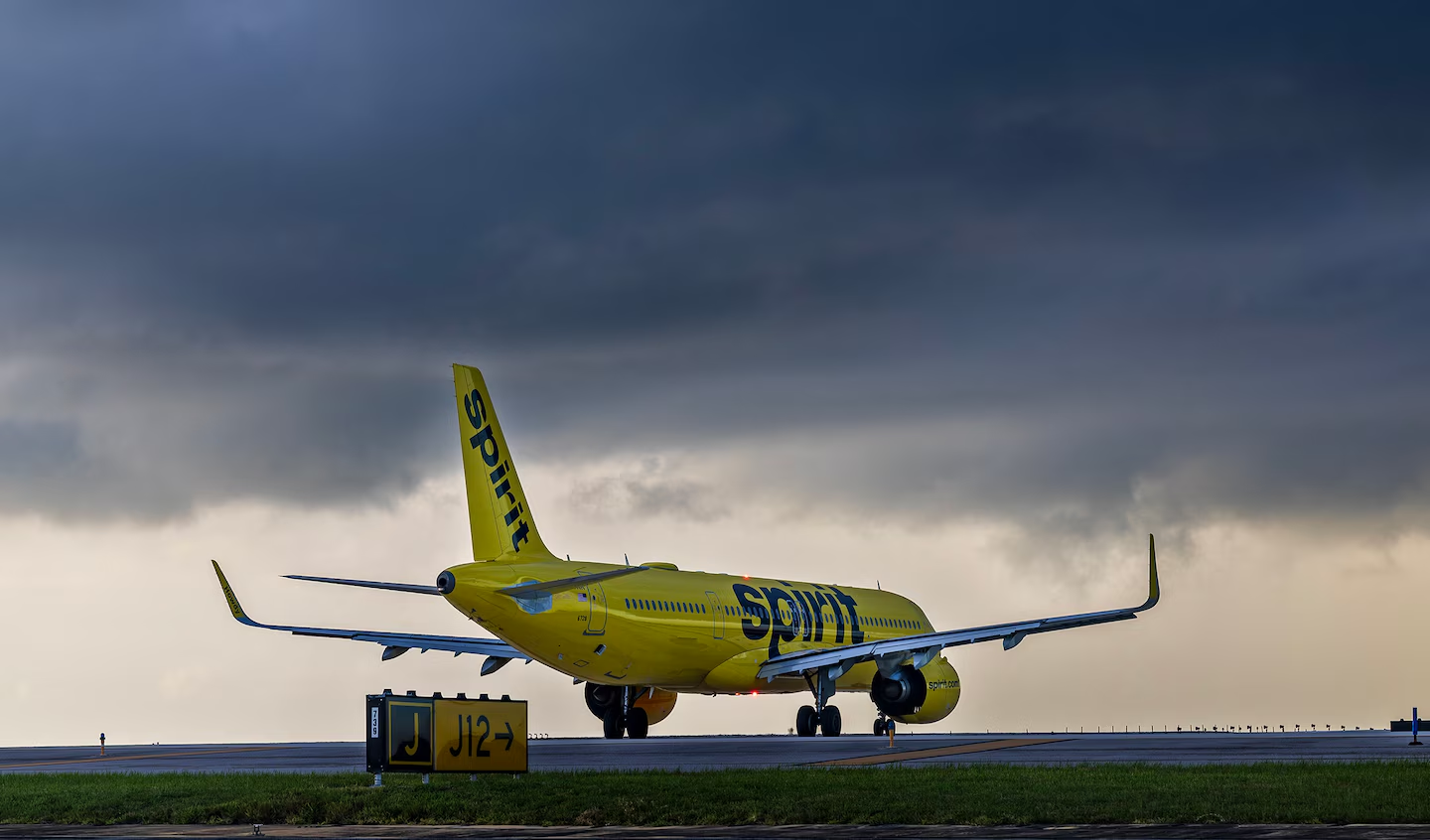
In 2025, U.S. corporate bankruptcies surged to levels not seen since 2010, with over 700 companies, including Spirit Airlines, Claire's, and Rite Aid, filing due to rising tariffs and economic pressures, highlighting significant struggles in import-dependent sectors.
Bankruptcies are rising across the US economy, affecting households, small businesses, and large corporations, with the highest levels in 15 years, driven by increased costs, tighter credit, and geopolitical volatility, and occurring across diverse industries in an unusual pattern.
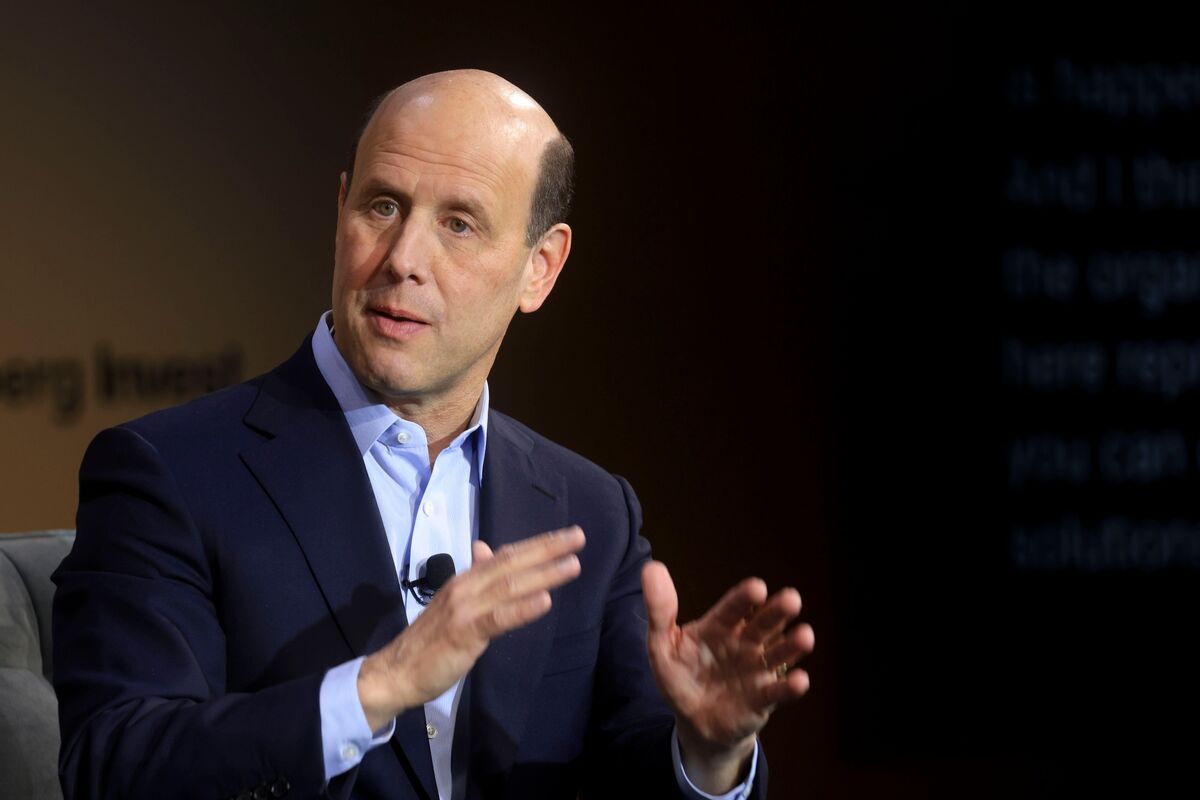
Blue Owl Capital's co-CEO Marc Lipschultz defends the private credit market amid recent bankruptcies of Tricolor Holdings and First Brands Group, arguing these issues reflect problems in syndicated markets rather than private credit. JPMorgan CEO Jamie Dimon warned of potential hidden risks in credit markets, but Lipschultz emphasizes the resilience of private credit portfolios and downplays the significance of recent failures as indicative of broader systemic issues.
Bankruptcies are on the rise as businesses struggle with the combination of high interest rates and the end of Covid-19 aid. The lack of financial support and the burden of debt have hit businesses hard, leading to an increase in bankruptcies.
Societe Generale's Albert Edwards warns that a recession is still looming as bankruptcies among small firms increase due to rising interest rates. While large firms have been able to borrow money and benefit from higher rates, smaller companies are struggling to access funds and are facing financial trouble. The rise in bankruptcy filings and tightening lending standards for small businesses could have a significant impact on job growth and potentially tip the economy into a recession. This would also affect the earnings of larger companies, which drive the performance of the S&P 500. While some indicators show weakness ahead, such as contracting manufacturing activity and increasing late payments on loans, the overall state of the US economy is still uncertain.
The world is facing economic uncertainty as credit markets show signs of strain. Companies that loaded up on cheap debt during a period of low borrowing costs are now facing the challenge of renewing their financing at higher interest rates. This could lead to an increase in bankruptcies and defaults, especially if the Federal Reserve continues to keep borrowing costs high. Already, corporate defaults are running at their fastest pace in over a decade, and there is a significant amount of debt in a precarious position. The longer interest rates remain elevated, the deeper the stresses are likely to become, potentially causing job losses and curtailed growth. The fear of missing out and the resilient economy have lured investors into debt markets, but the longer inflation remains elevated, the more companies will be forced to shoulder higher borrowing costs.
Signs of corporate distress are mounting in the US, with small businesses reporting difficulty in borrowing, corporate debt trading at distressed levels surging by 300% over the past year, and bond and loan defaults ticking up. The Federal Reserve says banks have tightened lending standards, and corporate bankruptcies are on the rise, particularly in the construction and retail industries. Analysts anticipate more companies will default on debt as lending standards are tightened and the Fed's rate hikes keep rippling through the economy.