The article discusses the challenges and potential of performing surgery in space, highlighting current limitations, risks, and recent experimental studies that suggest space surgery could become feasible in the future as humanity explores deeper space missions.
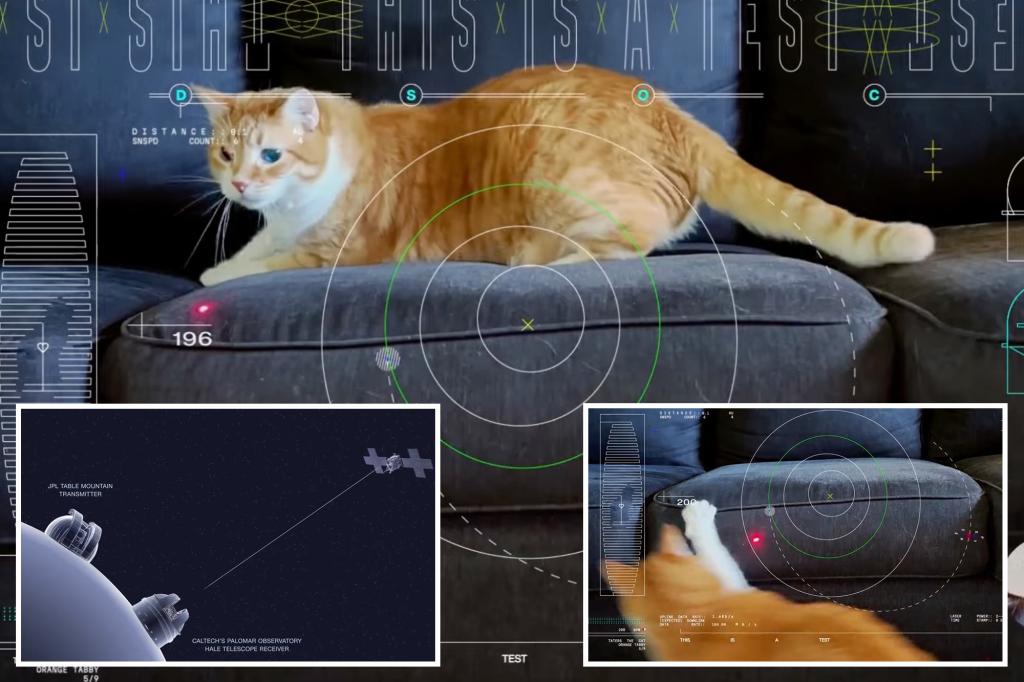
NASA successfully streamed a 15-second video of a cat named Taters chasing a laser from deep space, marking a first-of-its-kind experiment. The video was transmitted from 19 million miles away using NASA's Deep Space Optical Communications experiment, showcasing the potential for future human missions beyond Earth's orbit. The video was beamed to Earth, downloaded at an observatory, and then sent "live" to NASA's Jet Propulsion Laboratory. Despite the vast distance, the video was transmitted faster than most broadband internet connections. Taters' video included graphics and details about the mission, and the choice of a cat was inspired by a 1928 TV test broadcast featuring Felix the Cat.
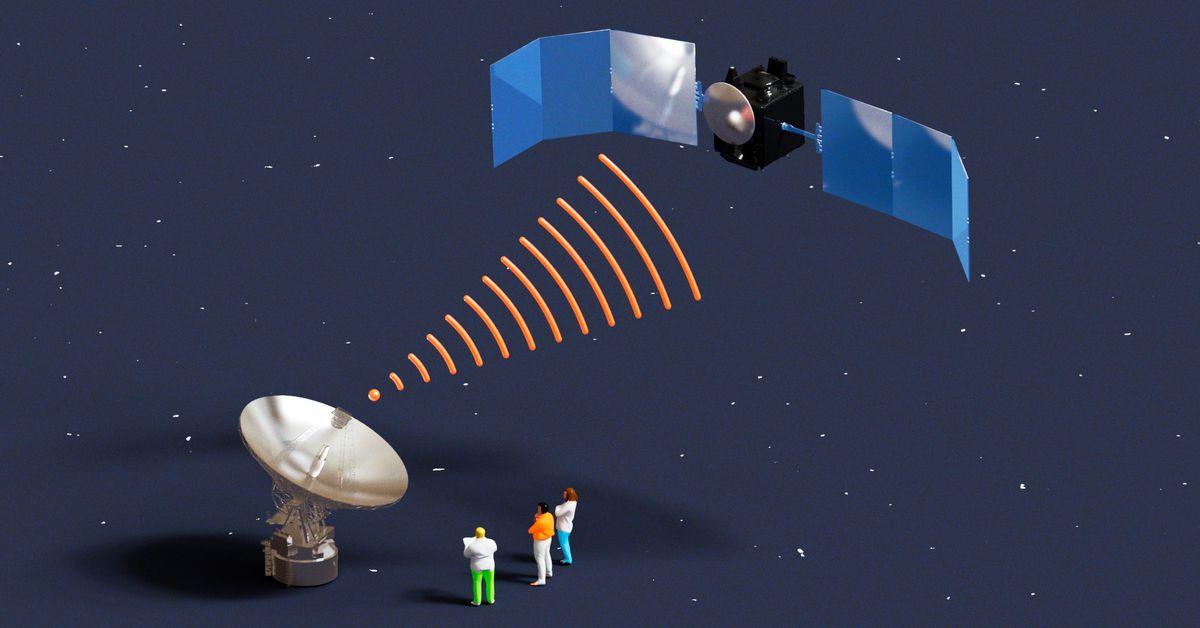
NASA's Deep Space Network (DSN), the communication infrastructure that connects spacecraft with engineers and scientists on Earth, is struggling to handle the increasing data load from a growing number of missions. Thousands of hours of science observations are being lost, and the network is oversubscribed by up to 40%. To meet the demands of future space exploration, experts suggest turning to laser communications, which can provide higher bandwidth and alleviate the strain on the DSN. NASA is already testing optical communications systems, and while there are challenges to overcome, such as cloud cover and spacecraft tumbling, optical communications could be a game changer for transmitting large quantities of data in the future.
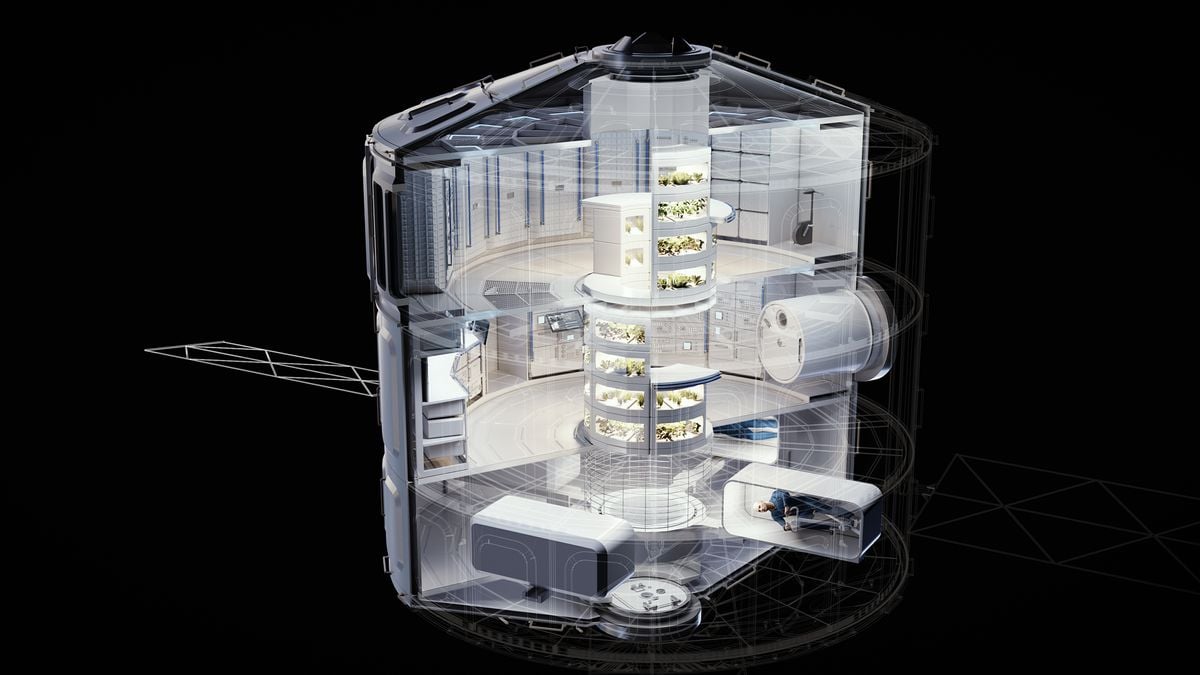
Airbus has revealed a new concept space habitat called Loop, which features three customizable decks connected via a tunnel surrounded by an integrated greenhouse. The orbital habitat is designed for a four-person crew but could be adjusted to accommodate up to eight spacefarers. It includes a centrifuge deck producing artificial gravity, where inhabitants could receive temporary relief from zero-gravity conditions. The concept space habitat could be ready to fly in the early 2030s after the end of life of the International Space Station.