Fake social media posts claiming to be from City of York Council, likely AI-generated, highlight the growing threat of misinformation to democracy, as they can be convincing and widely shared, making it difficult for the public to discern truth from falsehood.
Finland is proactively teaching media and AI literacy in preschool and school curricula to combat fake news and disinformation, especially in light of increased Russian disinformation campaigns and AI-generated fake content, emphasizing the importance of media literacy for national security and democracy.
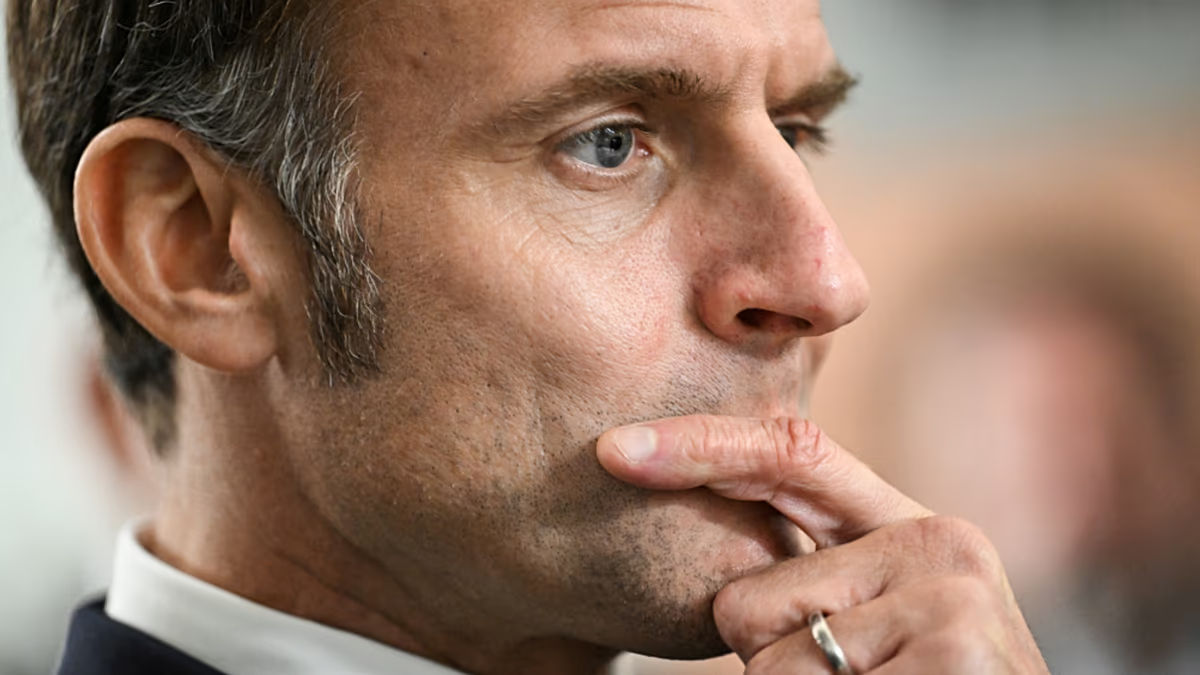
A fake AI-generated video falsely depicting a coup in France and Emmanuel Macron's overthrow went viral, causing political concern. Macron sought its removal from Facebook, but the platform declined, highlighting challenges in combating deepfake content. The video was created using advanced AI technology, raising alarms about misinformation and the potential for manipulation on social media.
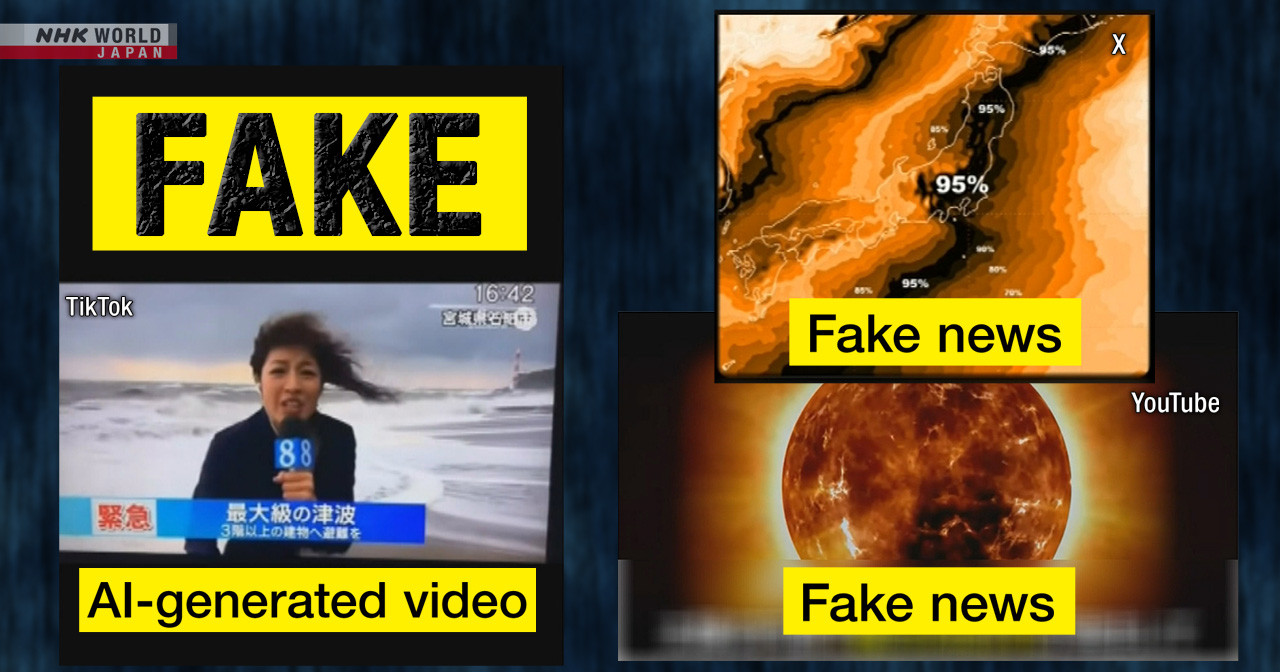
Following a major earthquake in northern Japan, fake news and AI-generated videos spread rapidly on social media, often exploiting public anxiety and seeking attention or profit. Authorities warn against unverified information and advise relying on trusted sources to prevent misinformation from affecting disaster response and socio-economic stability.
Merriam-Webster's 2025 word of the year is 'slop,' reflecting concerns about low-quality AI-generated digital content and a desire for authenticity, amidst the rise of generative AI tools and misinformation online.
BBC Verify analyzed the Bondi Beach shooting, highlighting the spread of misinformation including false claims about a hero, AI-generated images, and details about gun ownership in Australia, while also covering related topics like antisemitic hate crimes and disinformation campaigns.
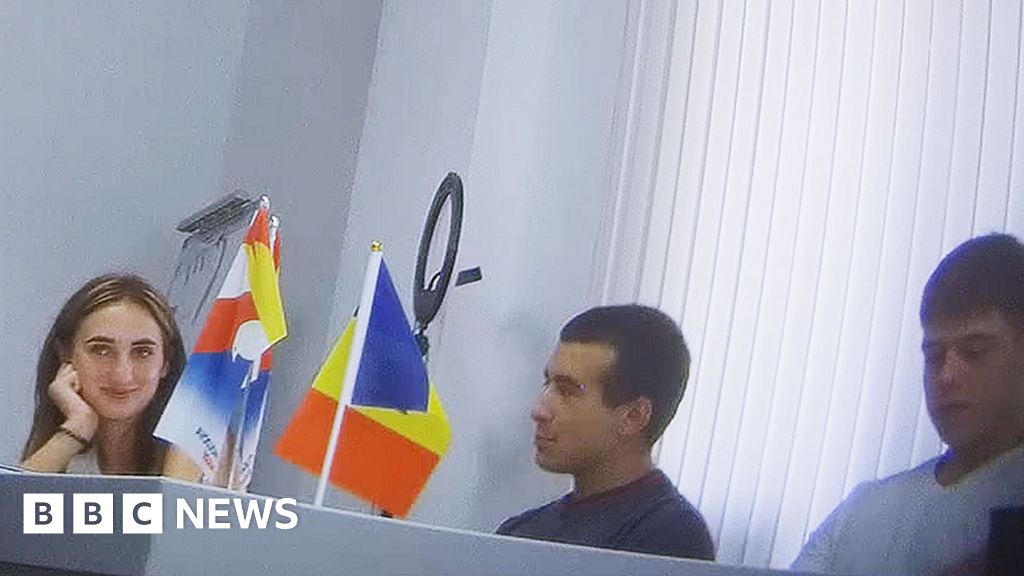
The BBC investigation uncovered a secret Russian-funded disinformation network targeting Moldova's upcoming elections, involving paid social media campaigns, fake polls, and links to oligarch Ilan Shor, aiming to undermine the pro-EU government and influence the election outcome.
After Charlie Kirk's death, AI tools and social media spread false claims, conspiracy theories, and manipulated images, highlighting the challenges of misinformation and the limitations of AI in providing accurate real-time information during unfolding events.
A senior US defense official led a thinktank that spread false information about the Venezuelan gang Tren de Aragua, with the organization publishing fabricated crime reports. The appointment coincides with increased US pressure on Venezuela, including accusations of gang ties and military threats, despite skepticism from intelligence agencies about the veracity of these claims.
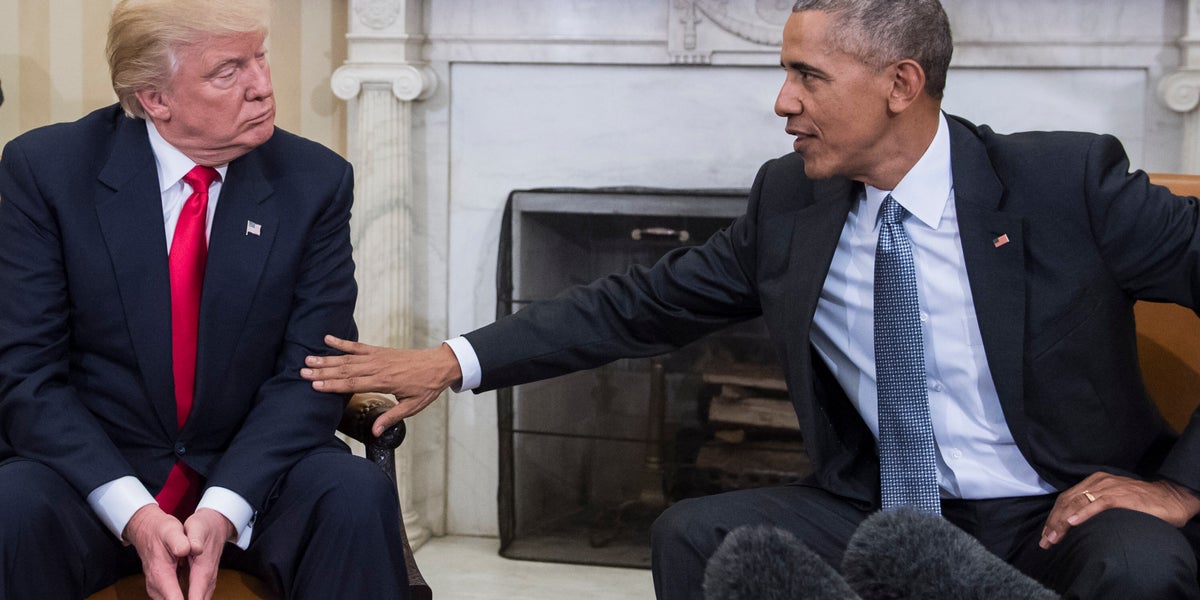
Donald Trump shared a manipulated AI-generated video on Truth Social depicting a false arrest of Barack Obama, amid ongoing political controversies and claims of conspiracy involving the Obama administration.
Originally Published 6 months ago — by Rolling Stone
Documents revealed that FEMA calls went unanswered after Texas floods, but Kristi Noem dismissed the report as fake news, claiming response times were immediate and blaming delays on contract approval issues. The controversy highlights political disputes over FEMA's effectiveness and potential reforms, amid ongoing disaster response challenges and calls to dismantle or reform the agency.
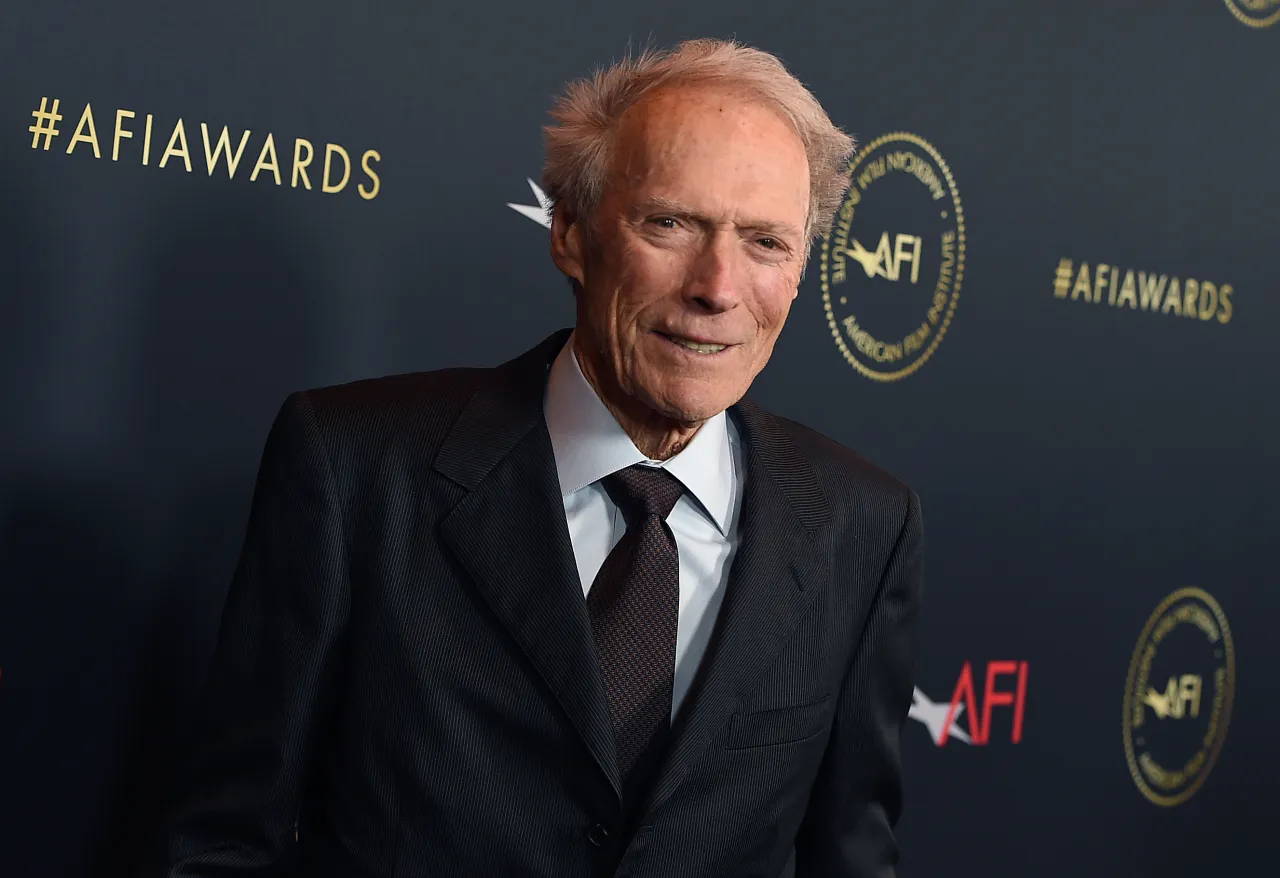
Clint Eastwood denied a recent interview with the German outlet Kurier, claiming it never took place and labeling it as entirely phony, despite widespread circulation of the false report.
A viral video purportedly showing MSNBC's Rachel Maddow crying over Elon Musk's memes about buying the network is actually a doctored clip. The original footage from 2018 shows Maddow emotional over migrant children being separated from their parents. The meme, shared by Musk, has fueled rumors about his interest in acquiring MSNBC, amid reports of Maddow taking a pay cut due to the network's uncertain future. The speculation comes as MSNBC's parent company considers restructuring its cable networks.
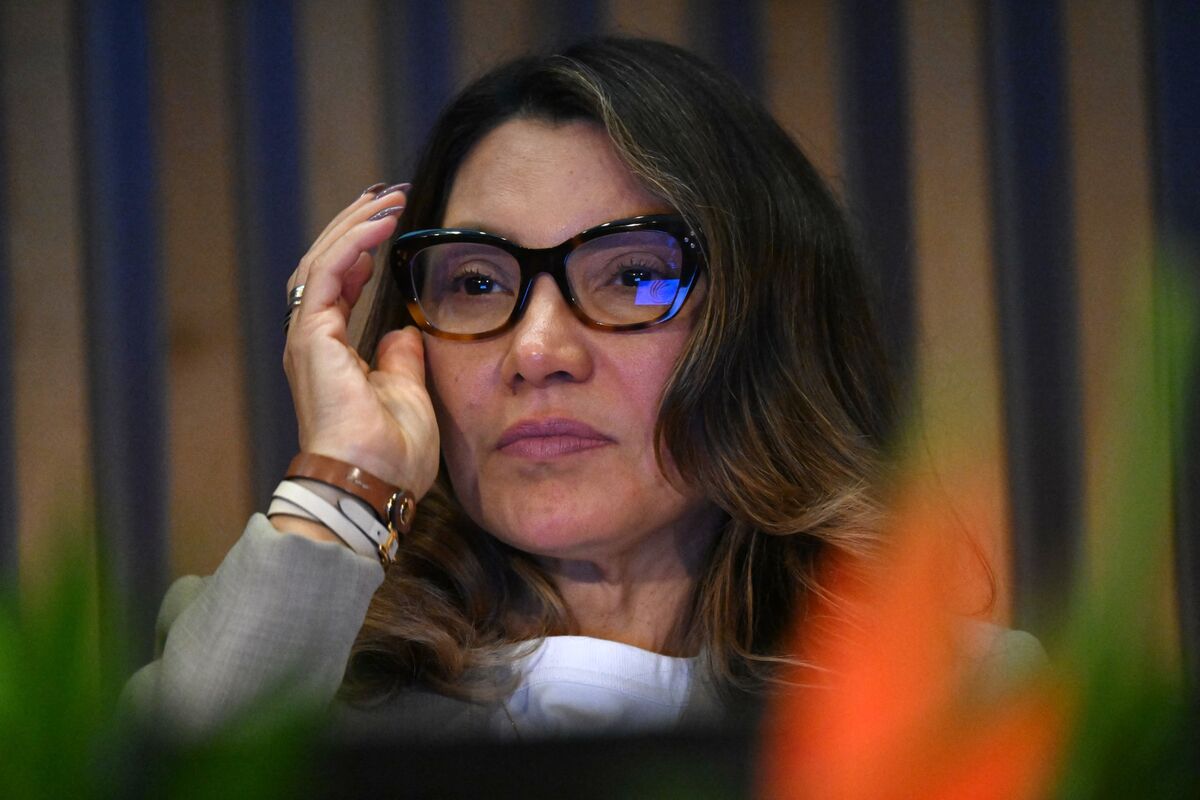
Brazil's First Lady, Rosangela da Silva, criticized Elon Musk at an event in Rio de Janeiro, expressing frustration over the influence of his social media platform, X, on the spread of fake news. Her comments came as her husband, President Luiz Inacio Lula da Silva, prepared to host the G-20 summit, highlighting the need for social media regulation.
Mediaite, a liberal news outlet, mistakenly reported a fake statement attributed to former President Trump regarding the euthanization of Peanut the Squirrel, a social media sensation. The statement criticized New York state officials for euthanizing the pet while ignoring crimes by illegal immigrants. After realizing the error, Mediaite issued a correction, acknowledging the statement was not real. Peanut, who had over 500,000 Instagram followers, was seized and euthanized by New York's Department of Environmental Conservation, sparking widespread social media reactions.