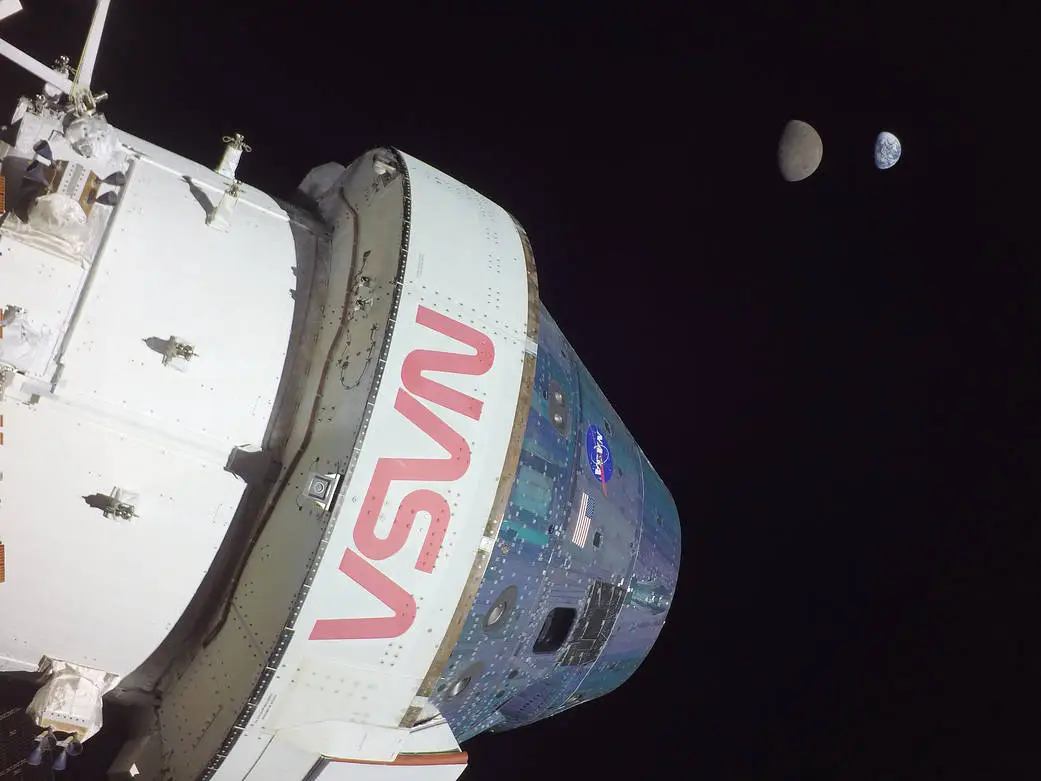
Scientists at Lawrence Livermore National Laboratory have created an open-source dataset and software that maps 1,000,000 potential orbits in the complex and chaotic region between Earth and the Moon, aiming to improve navigation and stability for future lunar missions and infrastructure. Only about 9.7% of these orbits are stable over three years, with notable stability around Lagrange points and certain distant orbits, which could serve as strategic locations for lunar bases and gateways.
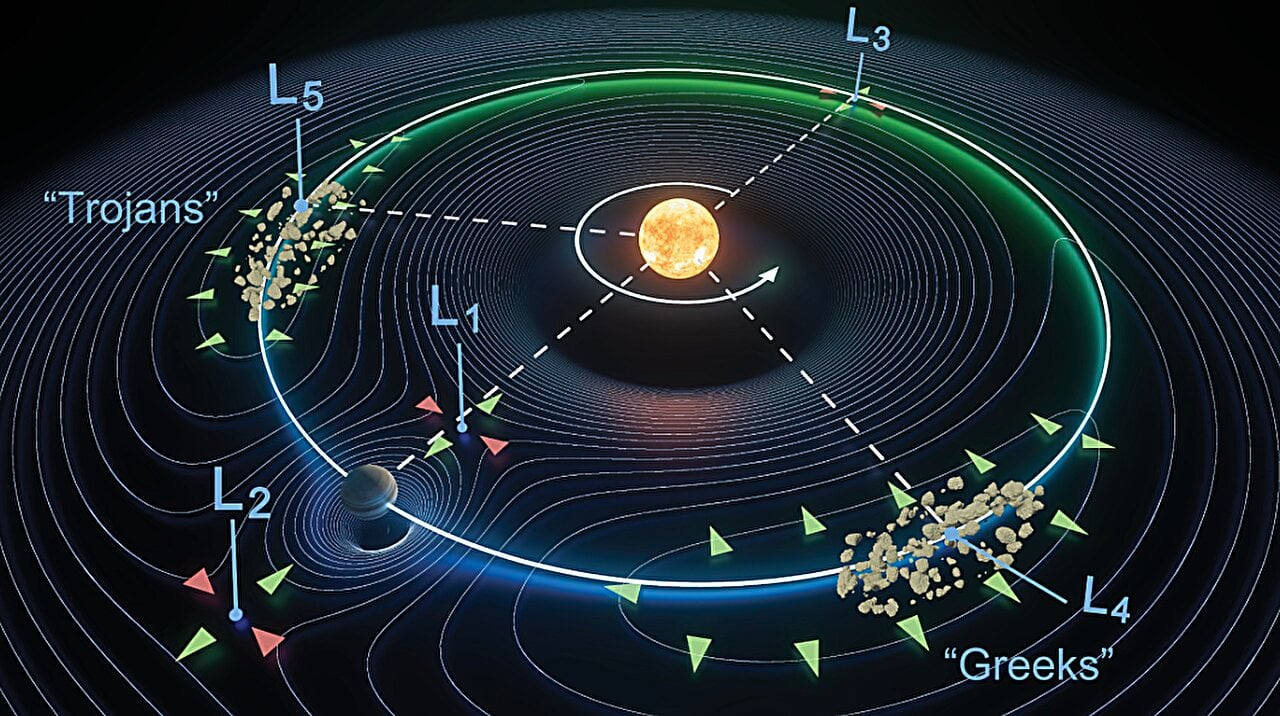
Researchers at the University of Southern California have developed a novel method for trapping light waves by leveraging the unique properties of Lagrange points, which govern the orbits of celestial bodies like Trojan asteroids in the sun-Jupiter system. By creating a compact system in their laboratory that mimics the properties of Lagrange points, the researchers were able to guide and trap optical waves, similar to capturing Trojan asteroids within the sun-Jupiter orbit. This innovative approach could lead to the development of new techniques for guiding optical waves in unconventional environments and may have applications beyond optics, such as guiding acoustic waves or ultracold atoms.
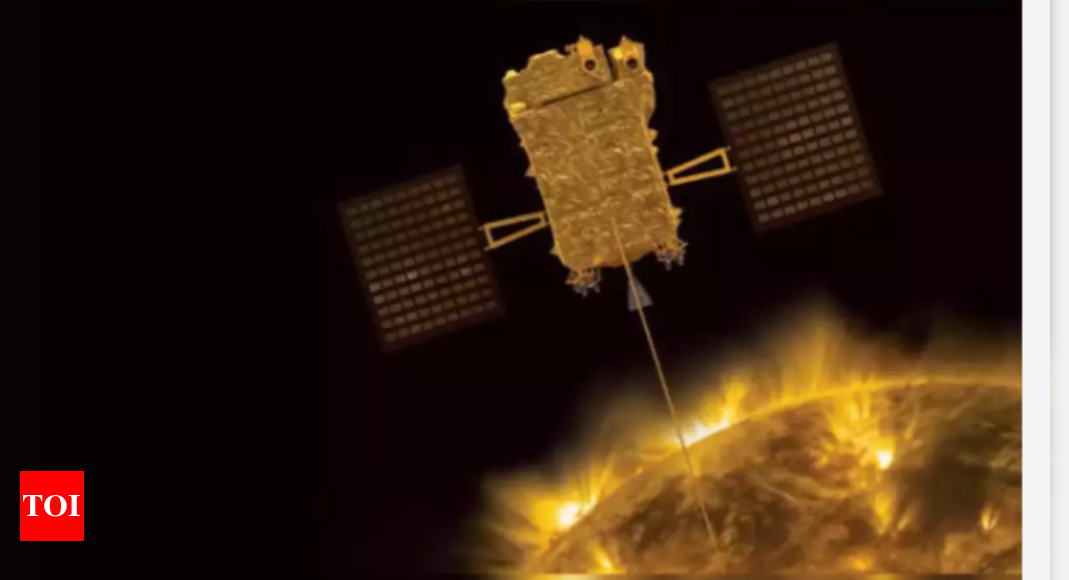
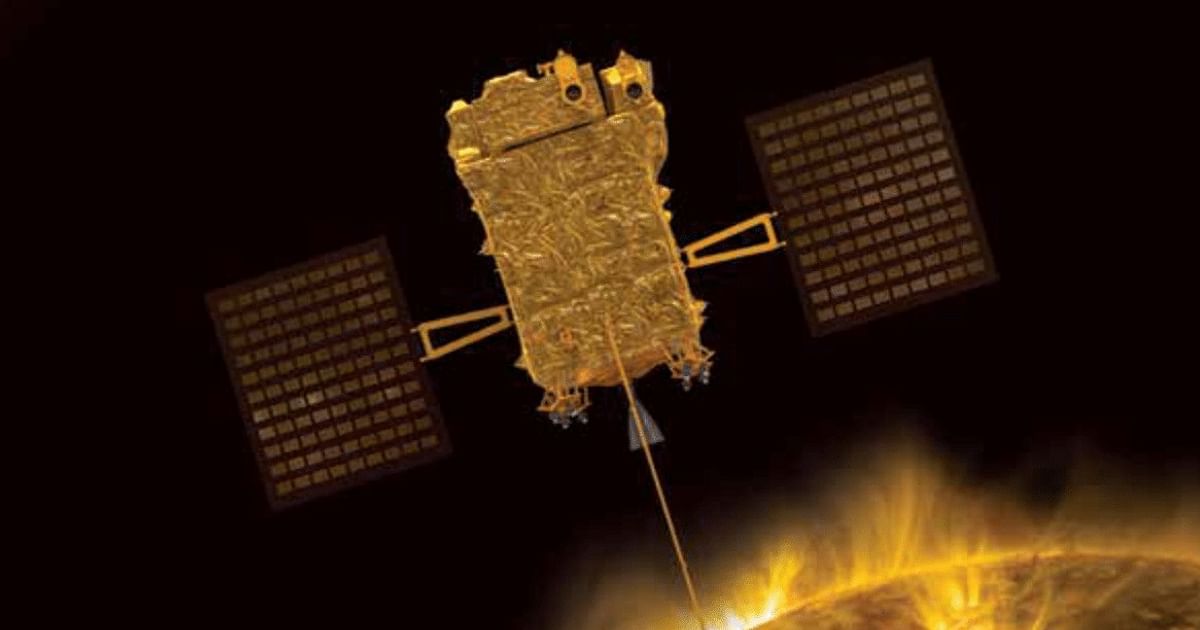
ISRO is set to perform the final manoeuvre to place the Aditya-L1 space probe into a halo orbit at the Sun-Earth Lagrange Point 1 (L1), joining four other operational probes in this stable region 1.5 million kilometers from Earth. The operation involves firing thrusters to maintain the spacecraft's position in an area where gravitational forces balance out. Aditya-L1, which carries seven instruments to study the Sun, will require periodic station-keeping manoeuvres due to the natural instability of the L1 point.
India is set to launch the Aditya-L1 spacecraft on September 2 to study the sun and its impact on space weather. The spacecraft will be placed in a halo orbit around Lagrangian point 1, allowing for continuous observation of the sun without any obstructions. The mission aims to study solar wind and its potential disruptions on Earth's communication and navigation systems. This will be India's first space-based observatory for studying the sun, following its recent successful moon landing.
The Indian Space Research Organisation (ISRO) has announced that the Aditya-L1 mission, India's first solar mission to study the Sun, will be launched on September 2. The spacecraft will provide remote observations of the solar corona and in-situ observations of the solar wind at the Sun-Earth Lagrange point (L1). The mission aims to understand the temperature of the corona, observe solar activities, study particle dynamics, and investigate the physics of the solar corona and its heating mechanism. The Aditya-L1 mission is a fully indigenous effort with the participation of national institutions.
While the International Astronomical Union's definition of a planet rules out two planets sharing the same orbit, it is possible for two Earth-like planets to coexist in a stable orbit around their star. The concept of co-orbiting planets challenges the traditional definition of a planet, but simulations and observations suggest that it is feasible. Various mechanisms, such as Lagrange points and orbit swapping, can allow for quasi-stable configurations that can last billions of years. Although no binary planet candidates have been discovered yet, with improved technology and more data, it is expected that examples of co-orbiting planets will be found in the future.
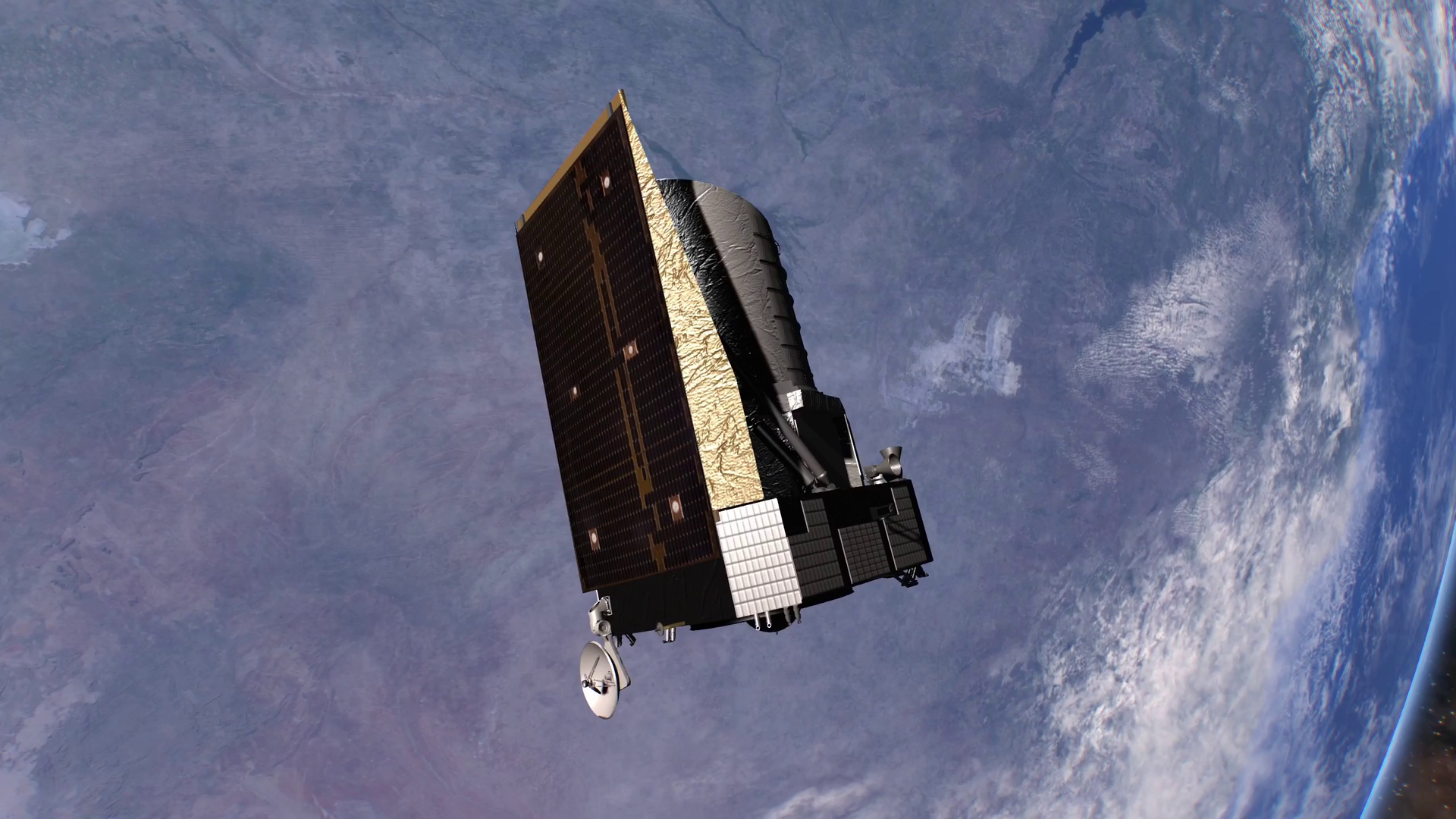
The Euclid mission, launched by the European Space Agency (ESA), is headed to Lagrange point 2, a gravitational oasis located about 1.5 million kilometers from Earth. Lagrange points are created by the gravitational pull of two large bodies and allow spacecraft to orbit with minimal fuel. Euclid will spend six years studying dark matter and dark energy, which make up 95% of the universe. Despite its distance, Lagrange point 2 is considered an Earth orbit, and once the mission is over, Euclid will be directed into a heliocentric orbit to comply with international regulations on the sustainable use of space.
A new NASA Flagship Mission called COMPLETE could send four probes to various points in the Earth-Sun system to observe the Sun in unprecedented resolution, just in time for its most spectacular display in 2032. The probes would have spectrographs and magnetographs to capture regular light and detect magnetic fields associated with coronal mass ejections and other phenomena emanating from the Sun. The mission's main focus will be on solar storms, which can have a devastating impact on life on Earth. The project team estimates the mission's cost to range from $2.1B to $2.5 billion, putting it in the "Flagship" class of missions. However, the mission has yet to receive recognition from any funding agency, including NASA.
Earth has only one solid, permanent moon, but it has also captured a host of near-Earth objects and dust clouds in its gravity, which technically qualify as minimoons, quasi-satellites, or ghost moons. The number of moons Earth has is more complicated than you might think, and it has changed over time. In addition to these moons, there are space objects that NASA calls quasi-satellites, such as the asteroid 3753 Cruithne. Some space objects, such as asteroid 2010 TK7, earn the title of "moon" because they get caught in the unique gravity of the sun-Earth or Earth-moon systems.