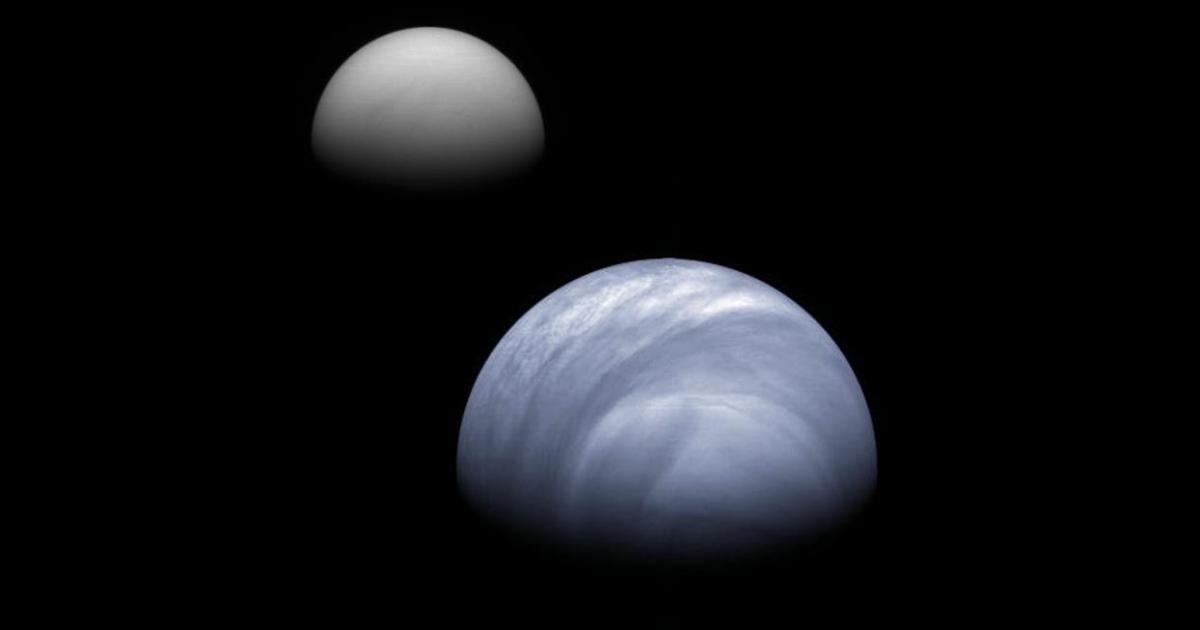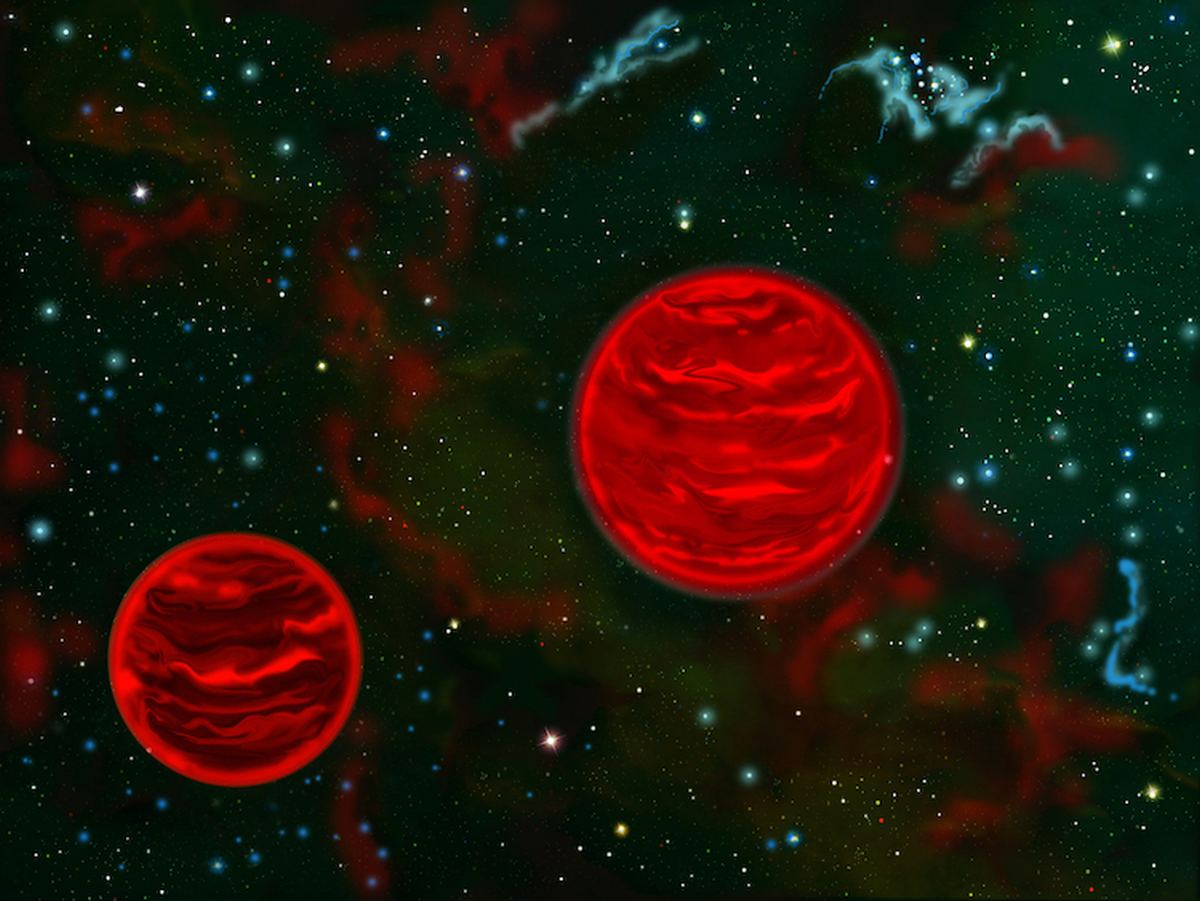
Astronomers have discovered free-floating binary planets, called JuMBOs, in the Orion Nebula using the James Webb Space Telescope (JWST) and the Karl G. Jansky Very Large Array (VLA). These Jupiter-Mass Binary Objects (JuMBOs) are not associated with stars and have masses similar to giant Jupiter-like planets. The discovery challenges current theories of star and planet formation, as these wide free-floating planetary-mass binaries do not fit within our understanding of how stars and planetary systems form. Further research is needed to understand the mechanism responsible for the unexplained radio emissions from these binary planets, and the discovery raises the possibility of these binary planets hosting moons that could potentially support life.
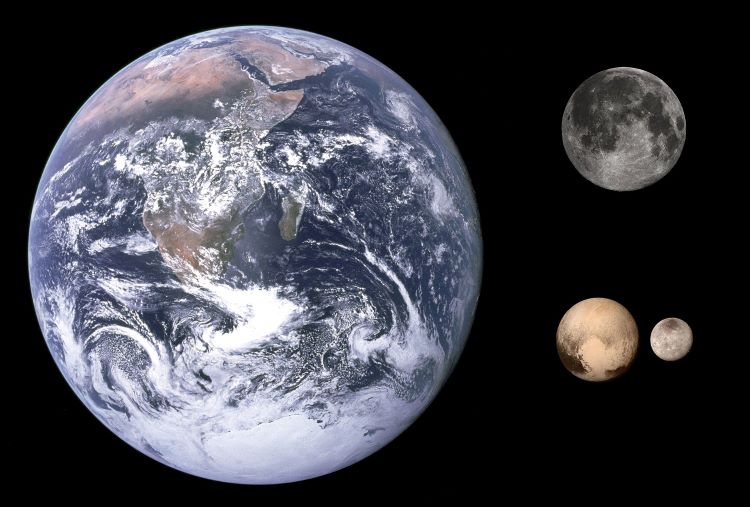
A recent study explores the formation mechanisms of binary planets, which are two large planetary bodies orbiting each other. The study suggests that tidal dissipation, or the energy shared between two planetary bodies as they orbit close to each other, could be a key factor in the formation of binary planets. Binary planets are not present in our Solar System, but their existence could open up new possibilities for habitable satellites orbiting giant planets. Understanding binary planets could also provide insights into the formation and evolution of exoplanets and their systems.
While the International Astronomical Union's definition of a planet rules out two planets sharing the same orbit, it is possible for two Earth-like planets to coexist in a stable orbit around their star. The concept of co-orbiting planets challenges the traditional definition of a planet, but simulations and observations suggest that it is feasible. Various mechanisms, such as Lagrange points and orbit swapping, can allow for quasi-stable configurations that can last billions of years. Although no binary planet candidates have been discovered yet, with improved technology and more data, it is expected that examples of co-orbiting planets will be found in the future.